Author: رسانه‌ای گوهر شاد

3 months ago - 128 Visits

UNICEF, the United Nations Children’s Fund, has recently stated that through investments made by partner organizations in education, children across all regions can attend school and benefit from equal learning opportunities. In a post on its official X account, the organization wrote that such investments help transform classrooms in areas like Badakhshan into safe and suitable learning spaces where children can learn and truly thrive. UNICEF further emphasized that providing “new school bags, fresh notebooks, sharpened pencils, and trained teachers” plays a vital role in improving the quality of education. The United Nations has also consistently stressed that supporting education in remote areas not only enhances learning opportunities but also creates renewed hope and motivation for children and their families. Previously, UNICEF reported that Afghanistan’s education system is at a critical point, with more than 90 percent of 10-year-old children in the country unable to read a simple text. Since taking control of Afghanistan, the current authorities have barred women and girls from education and schooling. In their latest restriction, they have also closed the doors of medical institutes to girls and women, despite the fact that the health sector across Afghanistan is facing a severe shortage of personnel. This action by the current authorities has resulted in millions of female students being deprived of education. In addition, women have been banned from attending sports clubs, restaurants, public baths, being examined by male doctors, traveling without a male guardian, and working in domestic and international non-governmental organizations, as well as even in United Nations offices in Afghanistan.

Read More


3 months ago - 96 Visits

UN Women has announced that women and girls around the world seek equality and justice in order to live better lives. In a message posted on its official X account, the organization emphasized the fundamental and essential needs of women, stating that respect for women and girls and the protection of their rights must be made a priority. In part of its message, UN Women stressed: “Let us tell the world what women really want.” The United Nations further added that women and girls across the globe not only demand equality and justice, but also need respect, human dignity, security, and peace. Previously, UN Women had also announced that in 2026 it would support women’s leadership worldwide, pursuing this not merely as a promise but as a right. This comes at a time when the situation of women in crisis-affected countries, including Afghanistan, is deeply concerning, as they are deprived of their most basic rights such as the right to education, equality, and justice. Since taking control of Afghanistan, the current authorities have barred women and girls from education and schooling. In their latest restriction, they have also closed the doors of medical institutes to women and girls, despite the healthcare sector across Afghanistan facing a severe shortage of personnel. This action by the current authorities has resulted in millions of female students being excluded from education. In addition, women have been banned from attending sports clubs, restaurants, public baths, being examined by male doctors, traveling without a male guardian, and working in domestic and international non-governmental organizations, as well as even in United Nations offices in Afghanistan.

Read More


3 months ago - 97 Visits

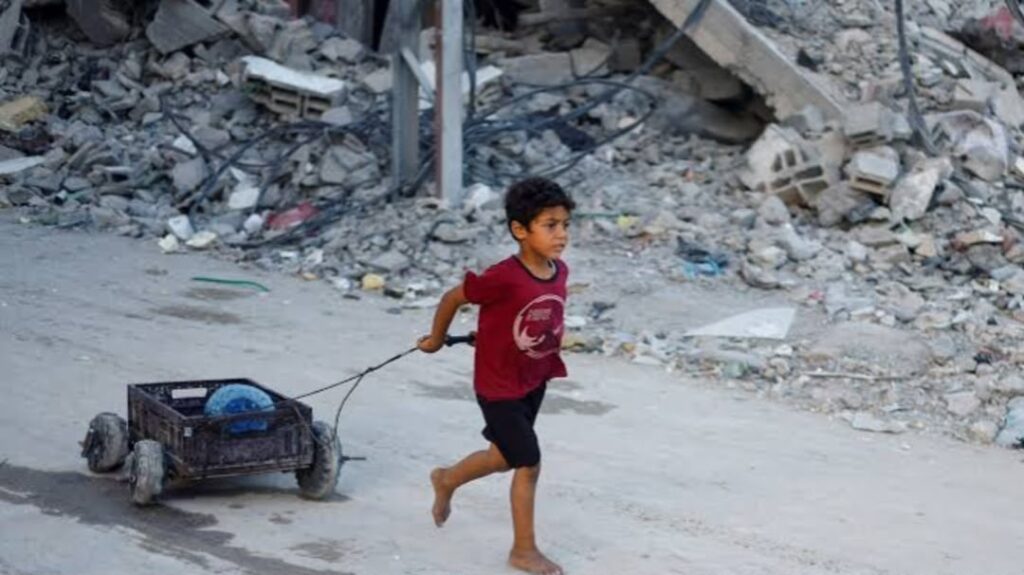
UNAMA, the United Nations Assistance Mission in Afghanistan, has announced that 80 percent of the victims of landmines and unexploded ordnance in Afghanistan are children. In a message published today (Tuesday, February 3) on its Facebook account, the mission stated that Afghanistan ranks as the third country in the world with the highest number of casualties caused by explosive ordnance. The United Nations political mission further emphasized that landmines and other explosive remnants of war are still widely present across Afghanistan. UNAMA added that 80 percent of the victims of landmines and unexploded ordnance in Afghanistan are children, who are often injured or killed as a result of coming into contact with unexploded munitions while playing. The United Nations also called, in part of its message, for financial support for non-governmental organizations working in the field of mine clearance. It said that awareness and collective action can save lives. It should be noted that unexploded ordnance, landmines, and remnants of war left behind from years of conflict claim the lives of hundreds of citizens every year, especially children and women. The mine-clearing organization The HALO Trust wrote in a report last year that around 50 people in Afghanistan are killed or injured each month due to landmines and explosive remnants of war. According to United Nations statistics, 3.3 million people in Afghanistan live within one kilometer of areas contaminated with landmines and explosive materials.

Read More


3 months ago - 93 Visits

Hussein Ibrahim Taha, Secretary-General of the Organization of Islamic Cooperation (OIC), has said that women’s empowerment is a pillar of sustainable development in countries and that religion should be used to support women’s rights. Mr. Ibrahim Taha made these remarks at the International Conference on Religious Discourse and Its Impact on the Protection of Muslim Women’s Rights, held in Cairo, the capital of Egypt. He stated that the meeting emphasized the need to use religion “in a rational and enlightening manner” to ensure and strengthen women’s rights. He further stressed that women’s empowerment is not merely a human right, but rather “a fundamental pillar of sustainable development and the stability of Islamic societies.” The OIC Secretary-General described the formulation of policies that guarantee the active participation of women in all sectors as essential, and reaffirmed the organization’s “strong commitment” to supporting women’s rights. The two-day event was attended by ministers of women’s affairs from member states, representatives of international organizations, and government officials. This comes as the United Nations Security Council announced in the month of Qaws (December) that the policies of the caretaker government against women cause more than one billion dollars in losses to Afghanistan’s economy each year. Research into the economic consequences of depriving Afghan women of education and employment shows that government bans inflict more than 1.4 billion dollars in damage on Afghanistan’s economy annually. At least 75 Islamic countries, including Afghanistan, are members of the Organization of Islamic Cooperation. Afghanistan has been a member of the organization since its establishment in 1969 (1348). In a meeting held in Qaws last year, the organization stated that the ban on girls’ education by the current government violates its resolutions, adding that women in Afghanistan have faced serious violations of their fundamental rights in the field of education.

Read More


3 months ago - 144 Visits

The United Nations has announced that Adela Raz, former Ambassador of Afghanistan to the UN, has been appointed by UN Secretary-General António Guterres as a member of the Independent Expert Advisory Board on the Multidimensional Vulnerability Index (MVI) for the 2026–2030 term. In a statement, the UN said that the board has been established to strengthen the Multidimensional Vulnerability Index (MVI) and to provide evidence-based assessments of the structural vulnerabilities of developing countries. According to the statement, board members will serve in an independent capacity and play a key role in the three-year reviews of the index, monitoring countries’ progress, and providing policy recommendations. The United Nations further emphasized that the advisory board consists of 15 experts from different countries with expertise in economic, social, environmental development, and resilience, and also includes representatives from the public sector, civil society, and academia. The statement added that the MVI Advisory Board will hold its first meeting in 2026 and will begin preparations for the first three-year review of the index in 2028. Adela Raz’s appointment comes at a time when the current authorities, following their takeover of Afghanistan, have deprived women and girls of education and learning opportunities. Most recently, they have closed medical institutes to women and girls, despite the nationwide shortage of healthcare personnel across Afghanistan. These actions by the current authorities have resulted in millions of female students being denied access to education. In addition, women have been barred from attending sports clubs, restaurants, and public bathhouses; from being examined by male doctors; from traveling without a male guardian; and from working in domestic and international non-governmental organizations, as well as even in United Nations offices in Afghanistan.

Read More


3 months ago - 132 Visits

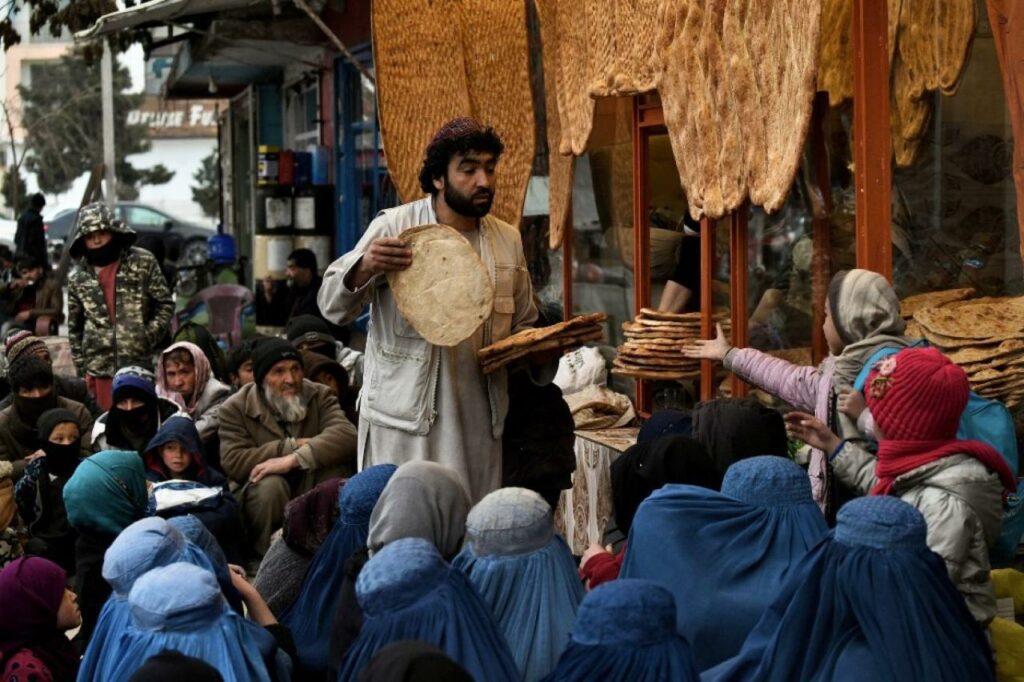
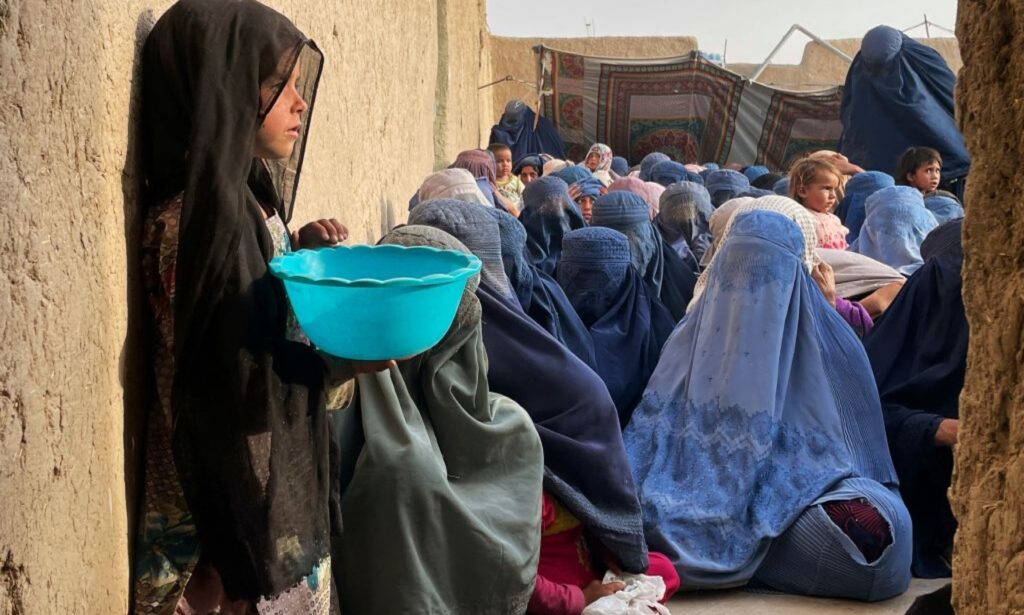
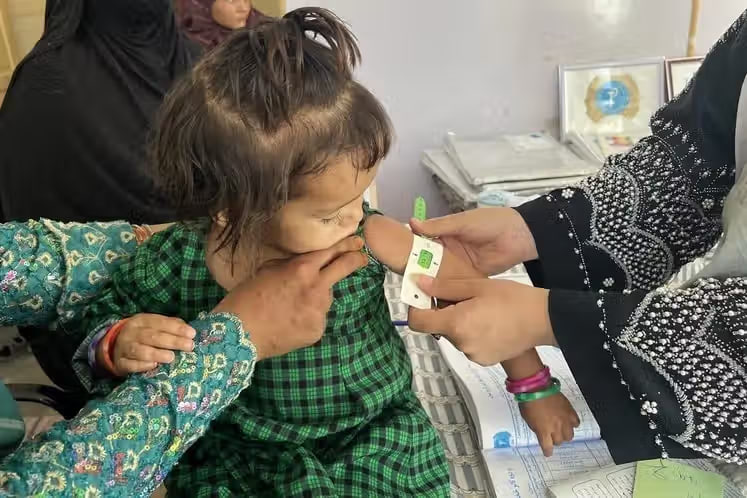
Tajudeen Oyewale, UNICEF Representative in Afghanistan, has stated that Afghanistan remains among the countries that will require urgent and large-scale assistance in 2026. Mr. Oyewale said in a report that sustained funding would enable UNICEF Afghanistan to provide healthcare services to 12 million people across the country. The UNICEF representative in Afghanistan emphasized that with such assistance, emergency education could be provided to 5.5 million children, and nearly 10 million children could be protected against diseases. This comes as UNICEF had previously reported that in 2025, due to a 72 percent reduction in funding, its operations were curtailed in 20 countries worldwide, including Afghanistan. The United Nations has added in its reports that sustained financial support plays a key role in ensuring children’s and families’ access to life-saving services and in responding to humanitarian crises, helping to safeguard the lives and health of millions of people. Meanwhile, the UN World Food Programme (WFP) in Afghanistan recently reported that the country’s food security situation is critical. According to the report, 17 million people in Afghanistan are facing acute hunger, and about 4 million children are at risk of malnutrition. The WFP had also projected that child malnutrition would increase, affecting nearly four million children in the coming year. Recently, UNAMA also reported that food insecurity remains severe, with malnutrition among women and children increasing by 15 percent, and millions of people left without assistance during the upcoming winter.

Read More


3 months ago - 103 Visits

Gordon Brown, the United Nations Special Envoy for Global Education, has recently stated that as a result of restrictions imposed by the caretaker government, more than 2.2 million girls in Afghanistan have been denied access to education, and that the educational and legal conditions of women and girls in the country are steadily deteriorating. Referring to the ban on secondary and higher education for girls, Mr. Brown said: “What is happening in Afghanistan today has been described by international institutions as a form of gender apartheid, and its scope is expanding at an alarming rate.” He further emphasized that since the return of the current authorities to power, women have been barred from university education, many government and non-government jobs, and participation in public spaces, and that these restrictions have intensified in recent years. He warned that the continuation of this trend will have long-term consequences for Afghanistan’s social and economic future. The UN Special Envoy for Global Education also pointed to the increased engagement of some countries with the caretaker government, noting that this approach, at a time when restrictions on women are intensifying, has raised concerns at the international level. Brown added that in international forums, including the UN Human Rights Council, discussions are underway about conditioning any engagement with the current authorities on respect for girls’ educational rights, and that some institutions are examining legal avenues to hold government officials accountable. According to him, despite the absence of an organized opposition force inside Afghanistan, efforts such as informal and underground education, home-based schools, and the continued education of some girls abroad are still ongoing. The UN Special Envoy stressed that “failing to invest in the education of half of the country’s population severely weakens Afghanistan’s capacity to cope with economic crises, poverty, and food insecurity,” and that this issue will be one of the country’s major challenges in the future. These concerns are being raised as women and girls have been deprived of their most basic rights for more than four years.

Read More


3 months ago - 121 Visits

Antonio Guterres, the Secretary-General of the United Nations, says that Afghanistan’s institutions must be genuinely inclusive and represent all ethnic groups and all segments of Afghan society. Mr. Guterres stated: “The United Nations pursues four objectives in Afghanistan. Afghanistan’s institutions must be truly inclusive, meaning that they represent all ethnic groups and all segments of Afghan society. We consider this a fundamental condition for sustainable peace in Afghanistan.” Speaking at a press conference in New York, he said: “The caretaker government of Afghanistan has not reversed its policies banning women from work and education.” The UN Secretary-General also referred to female UN staff in Afghanistan who are not allowed to go to their offices, saying that the United Nations has been permitted to use female staff in open spaces, such as field missions. Mr. Guterres said that preventing women from working in UN offices by order of the current authorities is “deeply disappointing and unacceptable.” Meanwhile, Susan Ferguson, the UN Special Representative for Women in Afghanistan, said in a statement in the month of Qaws that the United Nations needs female staff, because assistance to Afghan women must be delivered by female aid workers. She said that female UN colleagues have continued their work both from home and through on-site presence. She added: “Only through their presence can we safely reach women and girls and deliver essential assistance to those most in need. Assistance must be provided by women, to women.” The UN Secretary-General said that the current authorities must respect human rights.

Read More


3 months ago - 150 Visits

Heather Barr, Deputy Director of the Women’s Rights Division at Human Rights Watch, has said in a recent statement that the caretaker government’s policies toward girls’ education pose a serious threat to Afghanistan’s future. In a post shared on her X account, Ms. Barr wrote that the ban on girls’ education beyond sixth grade is only one part of a broader set of restrictions that have weakened the education system across Afghanistan. She further emphasized that the current authorities have systematically undermined the education structure through actions such as dismissing qualified teachers, removing non-religious subjects, and imposing repeated restrictions. Barr added that the harm caused by these policies is growing every day, and their consequences will affect future generations. The Deputy Director of Human Rights Watch’s Women’s Rights Division stressed that the impact of this trend is not limited to girls alone; rather, it affects the entire national education system and places Afghanistan’s future at serious risk. Meanwhile, the United Nations Children’s Fund (UNICEF) has warned that education in Afghanistan has reached a critical point. According to the organization’s report, more than 90 percent of ten-year-old children in Afghanistan are unable to read a simple text. UNICEF has described this situation as a sign of a “learning without education” crisis—a crisis that, according to international organizations, has emerged as a result of restrictive education policies.

Read More


3 months ago - 107 Visits

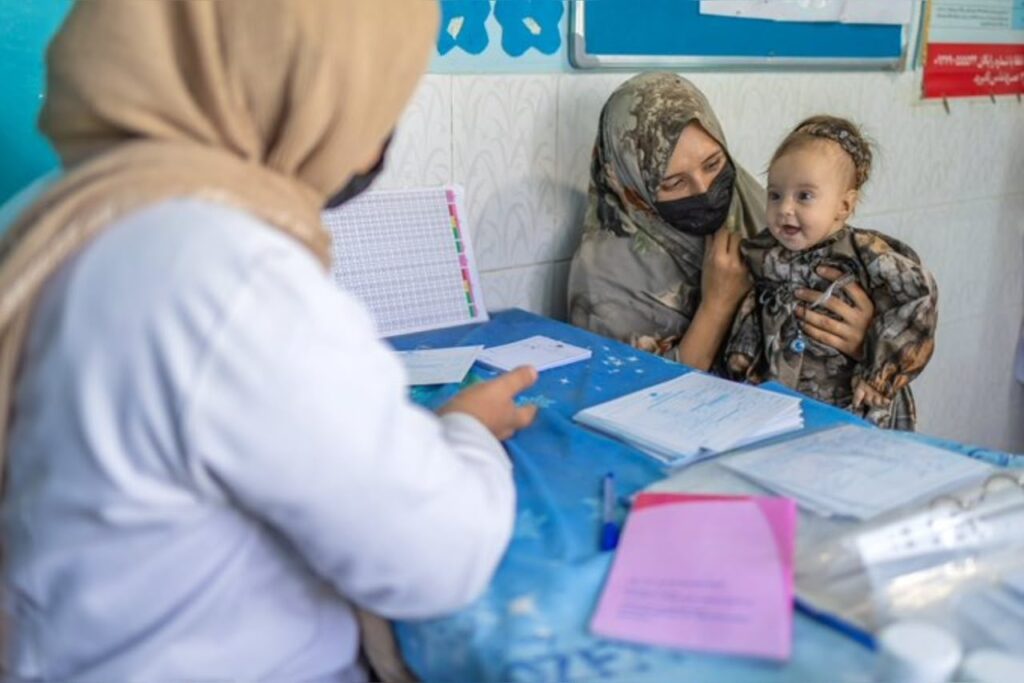
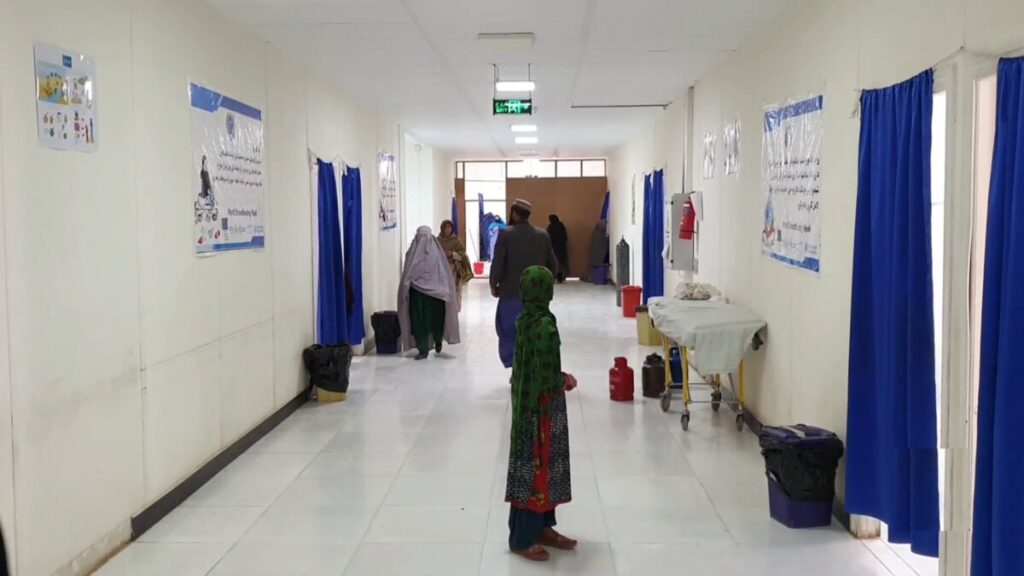
The United Nations Population Fund (UNFPA) has recently stated that education and prenatal care for women in Afghanistan are vital and help reduce the risks of complications during pregnancy and childbirth. In a report, the organization said that in many parts of Afghanistan, women are forced to travel long distances to receive healthcare services. UNFPA further emphasized that in the absence of professional medical centers, pregnancy and childbirth are often carried out at home with the assistance of untrained individuals. The organization added that establishing maternal and family health service centers in remote areas would reduce the risk of pregnancy-related complications, increase access to healthcare services, and improve the health of mothers and newborns. The report also noted that providing prenatal education—including postnatal care, safe spacing between pregnancies, and identifying warning signs—plays an important role in protecting the health of mothers and newborns. According to UNFPA, the development and expansion of maternal and newborn healthcare services, especially in underserved areas, can improve family health and reduce years of concern and risks caused by the lack of professional services. International organizations have also described Afghanistan as one of the most difficult countries for mothers, stating that Afghan women face numerous challenges during pregnancy and childbirth. Concerns about rising maternal mortality rates in Afghanistan come at a time when, following the takeover of the country by the current authorities and the reduction of international aid, the national healthcare system is on the brink of collapse.

Read More