Author: رسانه‌ای گوهر شاد

2 months ago - 75 Visits

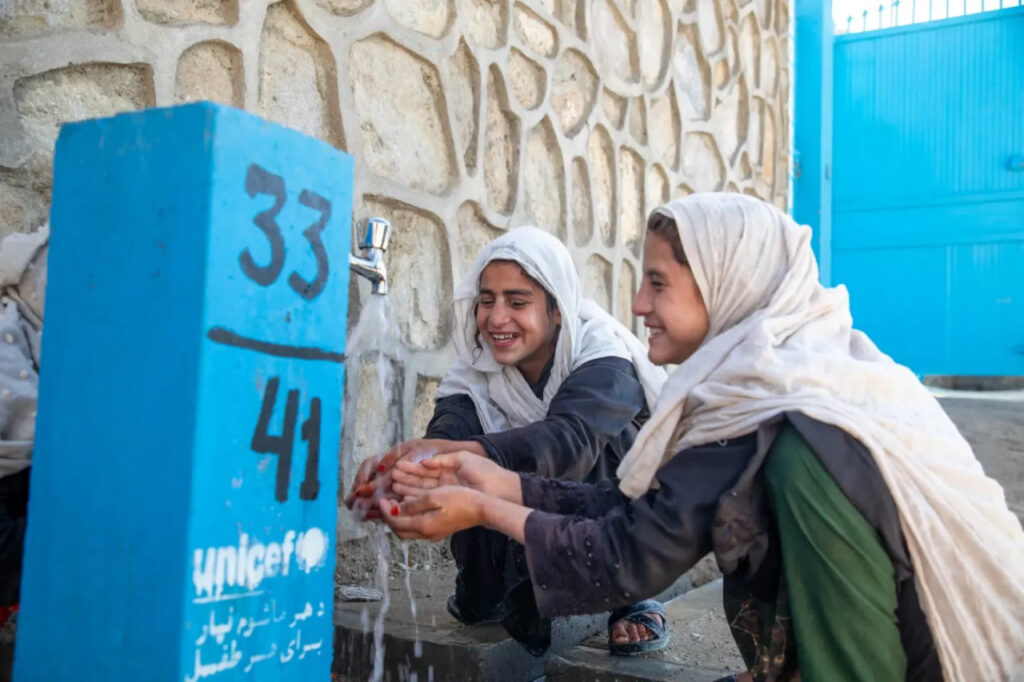
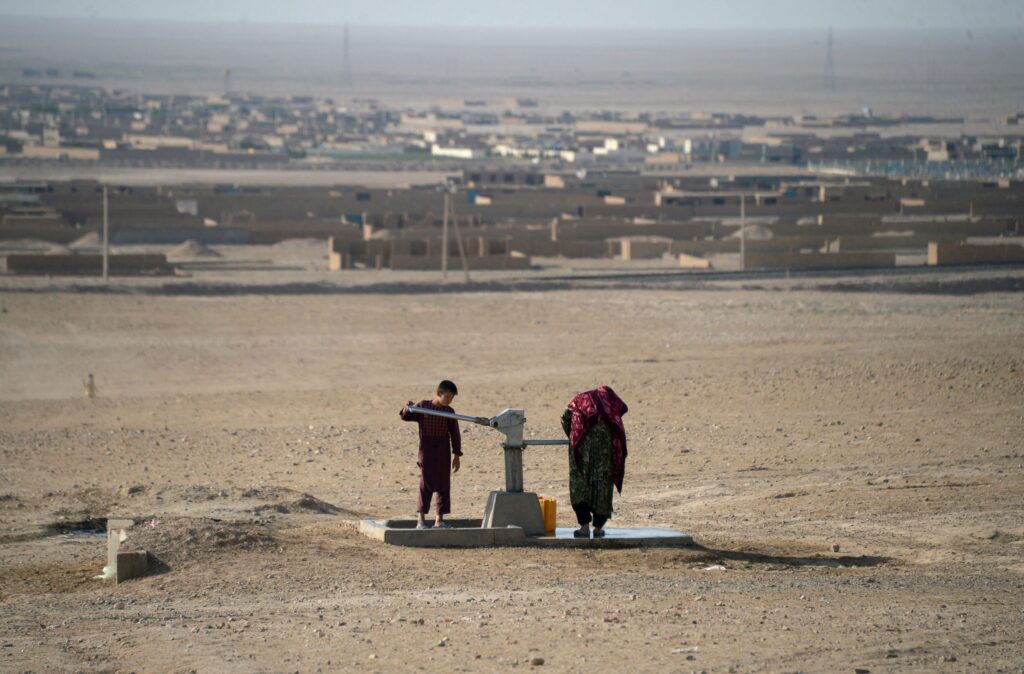
UNICEF has announced in its latest update that in 2025 it provided assistance to more than 20 million people in Afghanistan, including 11 million children. The organization said today (Sunday, February 15) in a published report that this assistance included education, health services, access to safe drinking water, and nutrition support. Part of the report states: “Educational opportunities were provided to 442,000 out-of-school children (65 percent girls) through 14,000 community-based education classes, and access to safe drinking water was ensured for more than 2.1 million people.” UNICEF further emphasized that 611,897 children suffering from acute malnutrition received treatment. The report also notes that 943,567 pregnant women were supported. According to the report, psychosocial support was provided to more than 2.2 million children and their caregivers through community-based and media programs. UNICEF had previously announced that 3.7 million children in Afghanistan are facing acute malnutrition.

Read More


2 months ago - 107 Visits

The United Nations has recently announced that every three seconds, a girl under the age of 18 is married somewhere in the world. In a message posted today (Saturday, 14 February) on its X account, the organization wrote that child marriage is a violation of human rights that deprives girls of the opportunity to reach their full potential. In part of its message marking 14 February, or Valentine’s Day, the United Nations called for support for the campaign to end child marriage. The United Nations Population Fund (UNFPA) also stated that child marriage threatens girls’ lives and health and limits their future prospects. The agency further emphasized: “Girls who are forced into marriage in childhood often become pregnant during adolescence, increasing the risk of pregnancy or childbirth complications — the leading cause of death among older adolescent girls. They are also more likely to experience physical or sexual violence from their partner.” According to UNFPA statistics, globally, one in five girls is formally married or in an informal union before the age of 18. The agency said it is estimated that 640 million girls and women alive today were married in childhood. Every year, 12 million adolescent girls marry before turning 18. The phenomenon of child marriage in Afghanistan, as in other parts of the world, is common. It appears that due to current restrictions, underage marriage in Afghanistan has increased.

Read More


2 months ago - 117 Visits

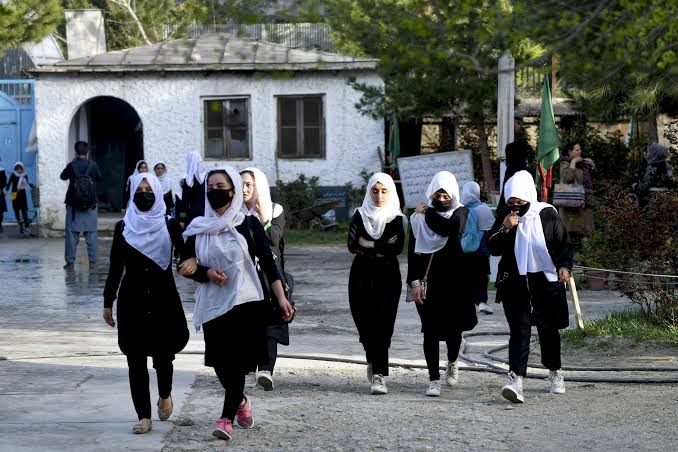
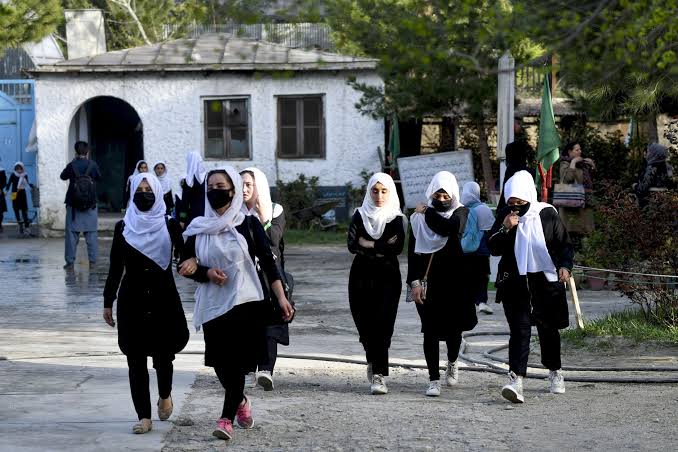
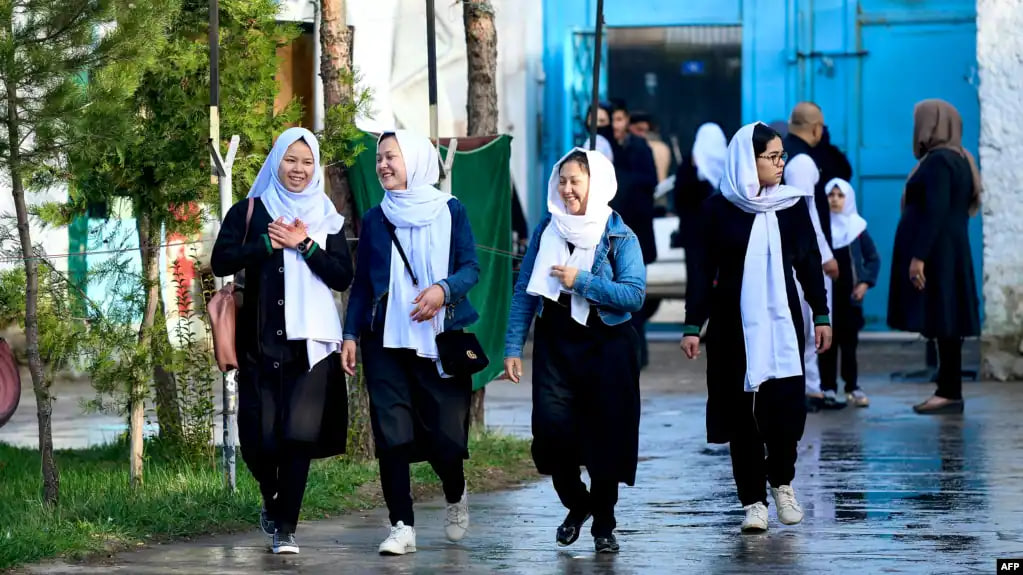
The United Nations Assistance Mission in Afghanistan (UNAMA), marking the International Day of Women and Girls in Science, stated that 1,607 days have passed since girls above the age of 12 were barred from attending school. In a message posted today (Wednesday, Feb 11) on its X account, the mission wrote that more than four years of opportunity have been lost and that without women and girls, the future is bleak. UNAMA once again called on the de facto authorities to lift the ban on girls’ education. The UN office in Afghanistan also stated that equality in science is fundamental to human progress, yet for more than four years, Afghan women and girls have been denied access to education and employment. A statement from the organization noted that this deprivation not only sidelines women and girls but also constitutes a serious obstacle to the country’s development and long-term prosperity. It is worth noting that after returning to power, the current authorities first barred girls above sixth grade from attending school. The group later closed universities and medical institutes to women and girls as well. Over the past four years, despite global calls to respect the rights of women and girls, the current authorities have intensified their restrictions. These actions have left millions of schoolgirls deprived of education. In addition, women have been banned from going to gyms, restaurants, and public bathhouses; from being examined by male doctors; from traveling without a male guardian (mahram); and from working in domestic and international non-governmental organizations, as well as even in UN offices in Afghanistan.

Read More


2 months ago - 101 Visits

Richard Bennett, the United Nations Special Rapporteur on Human Rights for Afghanistan, has warned that the expulsion of Afghan migrants from Pakistan could expose them to serious risks of human rights violations. He urged Islamabad to uphold its international obligations toward refugees. Mr. Bennett made these remarks at the “Asma Jahangir Conference” on the human rights situation in Pakistan, stating that Afghanistan is not safe for the return of many individuals, particularly women and girls. He further emphasized that current policies have closed off space for living and working for a large segment of society, and that forced returns could have dangerous consequences. Referring to bans on education and employment for women and girls, Bennett added that various groups—including journalists, human rights defenders, former government employees, and ethnic and religious minorities—face the risk of arbitrary detention and threats. According to him, this situation has effectively made voluntary and safe return impossible. In another part of his remarks, he said that more than two million Afghan migrants either returned or were forced to return to the country in the past year alone, with hundreds of thousands deported from Pakistan. He added that many of these individuals left not by choice, but due to fear of arrest and security pressures. The UN Special Rapporteur also warned about the impact of these returns on children, stating that the education of thousands has been disrupted, the risk of early marriage has increased, and some have been exposed to trafficking and exploitation. In conclusion, Richard Bennett pointed to the multiple ongoing crises in Afghanistan—including widespread food insecurity, prolonged drought, economic collapse, and shrinking civic space—saying that these conditions further underscore the urgent need for greater attention to supporting Afghan migrants, especially women.

Read More


2 months ago - 69 Visits

The World Food Programme (WFP) has recently announced that across Afghanistan, 3.7 million children and 1.2 million women are suffering from acute malnutrition. In a message published today (Tuesday, Feb 10) on its X account, the WFP stated that at one of its supported clinics in Kabul, the rise in malnutrition is bringing more children to the clinic every day. The World Food Programme further emphasized that as needs increase, the international organization continues to provide life-saving nutritional assistance and helps mothers and children gain access to the urgent treatment they require. The statement added that it is projected that this year, 17.4 million people will face acute food insecurity, including 4.7 million people who will be struggling with emergency conditions (Phase Four). As the crisis deepens, humanitarian assistance to Afghanistan is declining. Aid organizations have repeatedly warned that without immediate support and intervention, the nutritional situation of children and women in Afghanistan could worsen and have long-term consequences for their health and development. UNICEF, the United Nations Children’s Fund, has also stated that 942,000 children in Afghanistan are suffering from severe malnutrition, while around 700,000 more children are at risk of moderate malnutrition.

Read More


2 months ago - 82 Visits

Local sources from Nangarhar province say that a young woman in Jalalabad, the capital of the province, has launched a food production workshop that produces items including pickles, jam, and ketchup, with the aim of creating job opportunities for women and girls who have been deprived of education. The source identified the woman as 22-year-old Shabnam Sapi and said that she established the workshop in her home in Jalalabad, the provincial capital. Speaking to local media, Shabnam Sapi said that she set up the workshop to promote the value of domestic products and handicrafts, and to provide employment opportunities for women and girls in need. She said that currently ten women and young girls are working alongside her in the workshop. She has called on the caretaker government to cooperate with her in domestic and international marketing so that she can expand her production and employ more women. This young woman established the production workshop at a time when, over the past more than four years, the current government has imposed restrictions on women and girls, banning them from working in government offices, domestic and international organizations, and the private sector. It should be noted that after taking control of Afghanistan, the current government barred women and girls from education and schooling. In its latest restriction, it also closed the doors of medical institutes to women and girls, despite the fact that the health sector across Afghanistan is facing a severe shortage of personnel. These actions by the current government have resulted in millions of female students being deprived of education. In addition, women have been banned from going to sports clubs, restaurants, and public bathhouses; from being examined by male doctors; from traveling without a male guardian (mahram); and from working in domestic and international non-governmental organizations and even United Nations offices in Afghanistan.

Read More


2 months ago - 105 Visits

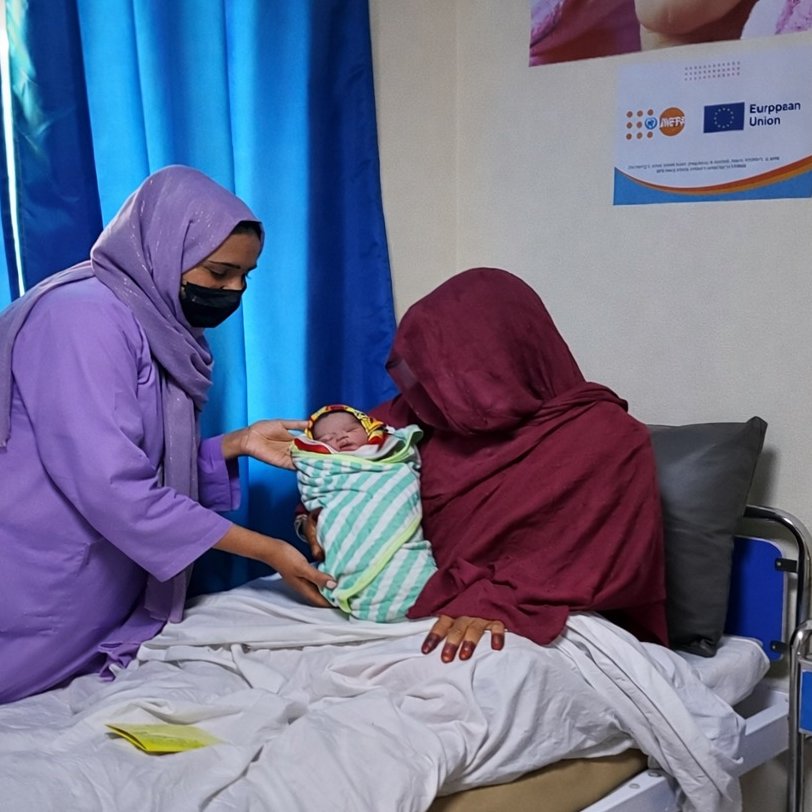
The United Nations Population Fund (UNFPA) has announced that every day more than 700 women—and one woman every two minutes worldwide—die due to preventable causes related to pregnancy and childbirth. In a statement published on its X (formerly Twitter) account, the organization wrote: “The day a woman gives birth is the day she faces the highest risk of death.” The statement further noted that each day between 20 and 30 additional women suffer childbirth-related injuries, infections, or disabilities. Most of these deaths and injuries are entirely preventable. UNFPA emphasized: “Making motherhood safer is a human rights imperative.” The statement added that UNFPA works with governments, health professionals, and civil society to train healthcare workers and improve access to essential medicines and reproductive health services. The organization stressed that it is committed to “strengthening health systems and promoting international standards for maternal health.” UNFPA also noted that it operates in more than 150 countries, covering around 80 percent of the world’s population.

Read More


2 months ago - 109 Visits

Samira Asghari, an Afghan member of the International Olympic Committee, has announced that she has been re-elected as an independent member of the International Olympic Committee (IOC) for another eight-year term after securing a majority of the votes. Ms. Asghari said in a statement that the election took place on the second day of the 145th IOC Session, held in Milan, Italy. Samira Asghari, who has previously been a member of Afghanistan’s women’s national basketball team, has also served as a member of the Afghanistan National Olympic Committee and the Olympic Council of Asia. According to available information, she has been serving as a member of the International Olympic Committee since October 2018. After her re-election for another eight-year term, Samira Asghari wrote: “I consider this great responsibility a valuable opportunity to serve the global sports community, and I hope that, in cooperation with Afghanistan’s sports community and international colleagues, I can take effective and lasting steps toward supporting and protecting athletes around the world—especially Afghan athletes—along the path of development, justice, and the preservation of the highest values of sport.” Samira Asghari’s appointment comes at a time when sports for women and girls are banned in Afghanistan. Additionally, after taking control of the country, the current authorities have deprived women and girls of education and schooling. In their latest restriction, they have also closed the doors of medical institutes to women and girls, despite the nationwide shortage of healthcare personnel across Afghanistan. These actions by the current authorities have resulted in millions of school-age girls being deprived of education. Moreover, women are banned from attending sports clubs, restaurants, and public bathhouses; from being examined by male doctors; from traveling without a male guardian (mahram); and from working in domestic and international non-governmental organizations, as well as even in United Nations offices in Afghanistan.

Read More


2 months ago - 98 Visits

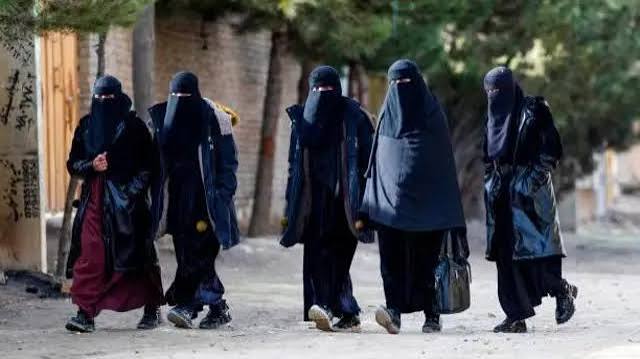
UNAMA, the United Nations Assistance Mission in Afghanistan, has announced that enforcers of the Ministry for the Promotion of Virtue and Prevention of Vice of the de facto authorities in Kandahar and Uruzgan provinces have banned women without a male guardian (mahram) from accessing health services. In a report released today (Sunday, Feb 8), the mission said that female healthcare workers are also not allowed to go to work without a male guardian. The report states that enforcers of the Ministry for the Promotion of Virtue and Prevention of Vice of the current authorities periodically monitor health facilities to prevent women without a male guardian from accessing health services and to stop women from working without a male guardian. UNAMA further emphasized that in Uruzgan, the Promotion of Virtue authorities have instructed drivers not to transport women who are not accompanied by a male guardian. The report also notes that in Kandahar, Promotion of Virtue enforcers have urged shopkeepers not to sell goods to women who are not accompanied by a male guardian. UNAMA added that enforcers of the Ministry for the Promotion of Virtue and Prevention of Vice also prevent women without a chadori (burqa) from accessing public places, including transportation, health facilities, and government offices. The report also refers to the detention of women and girls in Herat for not wearing a burqa, stating that women who did not wear a burqa were barred from accessing hospitals, government offices, and wedding halls. According to UNAMA’s report, the de facto authorities have also imposed restrictions on women’s movement in some provinces. The report adds that in October, government forces prevented women from entering a Friday market and dispersed their gathering by firing shots into the air.

Read More


2 months ago - 105 Visits

Australian officials and UN Women have recently warned that the situation of women and girls in Afghanistan has reached “the worst level in the world,” stressing that continued humanitarian assistance is vital to prevent further deterioration. Christine Arab, UN Women’s Regional Director for Asia and the Pacific, told Australian media that the de facto authorities, through a series of successive decrees, have effectively removed women and girls from public life. She emphasized that these restrictions include denial of education, limitations on access to public spaces, barriers to higher education, and restrictions on essential services. Meanwhile, Australian Foreign Minister Penny Wong announced in January that Australia would allocate an additional 50 million dollars in humanitarian aid to Afghanistan. With this new contribution, Australia’s total assistance since 2021 has reached 310 million dollars. According to United Nations figures, nearly 22 million people in Afghanistan are in urgent need of humanitarian assistance. Australia’s aid is mainly focused on supporting women and girls, health services, food security, and the protection of human dignity and rights. Christine Arab further added that any humanitarian assistance must explicitly prioritize support for women and girls, noting that the multilateral system and the international community’s commitment to human rights are more important now than ever under the current circumstances. These remarks come as international organizations have repeatedly warned of the worsening humanitarian crisis in Afghanistan.

Read More