Author: رسانه‌ای گوهر شاد

2 months ago - 120 Visits

UNICEF, the United Nations Children's Fund, reports that the ongoing restrictions on girls' education and women's work in Afghanistan have resulted in a 0.5 percent decrease in the country's Gross Domestic Product (GDP). In a published report, the organization stated that these restrictions have weakened Afghanistan's human resources, and each year that these limitations continue, a new group of girls is deprived of entering the skilled workforce, leading to significant social and economic consequences for Afghanistan. UNICEF has warned that the continuation of this situation could also affect children's health. The report indicates that mothers' lack of access to education is linked to an increase in child stunting, reduced vaccination coverage, and decreased prenatal care. Additionally, it noted that if women's education and employment were to expand, Afghanistan's economic growth could increase by an additional 0.5 percent annually. The organization emphasized that since the ban on girls' education over four years ago, no girl in Afghanistan has been able to attend school beyond the sixth grade. According to the report, approximately one million girls have directly suffered from this ban so far. UNICEF has warned that if this prohibition continues, in the next five years, two million girls will be deprived of the right to education beyond primary school. The report states that in the next 35 years, around 600,000 skilled women will exit Afghanistan's workforce. The United Nations Children's Fund specified that 40 out of 129 universities in Afghanistan are at risk of closure due to decreased revenue and a decline in the number of students and professors, particularly female students and faculty. According to the report, the two main sectors where women are still allowed to work are education and health services. However, with the closure of educational opportunities for girls, the number of female teachers and health workers will significantly decline in the future.

Read More


2 months ago - 150 Visits

Giorgia Meloni, the Prime Minister of Italy, reacted to the burning of three Afghan refugees and a Pakistani citizen in the south of the country by expressing that she is deeply shocked by this "horrific crime" and that her government will bring the perpetrators to justice. Ms. Meloni stated that the suspects in this incident have been arrested, and this action is an important step toward uncovering the truth and achieving justice. She emphasized the serious pursuit of the case, saying: "The horrific murder of four agricultural workers in Calabria has shocked us all. Italy will not retreat in the face of violence and barbarism." The Italian Prime Minister added that uncovering all aspects of this crime and bringing those responsible to justice is one of her government's main priorities. She also clarified that the identification and arrest of the suspects were made possible through evidence and documentation collected by criminal investigators, including images from surveillance cameras at the scene. Alessandro D'Alessio, the prosecutor responsible for the investigation, told reporters on Wednesday, June 4, "In my 30 years of work experience, I have never seen such cruelty and ruthlessness." According to Italian media reports, this incident occurred in the town of Amendolara in the province of Cosenza in southern Italy. The victims were four migrant workers whose identities have been confirmed. The three Afghan refugees are Amin Afzal Khogyani, 28, Safi Aydid, 27, and Ismatullah Qayemi, 19, along with a Pakistani citizen named Waseem Khan, 29, who were working in agriculture. Reports indicate that two 32-year-old Pakistani citizens, accused of exploiting migrant labor, locked the doors of the vehicle carrying these workers, doused it with petrol, and set it on fire. The charred bodies of the four victims were later found inside the vehicle near a gas station. Details of the incident were provided to the media by Taj Mohammad, an Afghan refugee who survived the event. He said he managed to escape from the flames by breaking a window of the vehicle. He emphasized that the workers had not received their wages for over a month and that the suspects forced them to continue working at knife and gunpoint. He claimed that these individuals are part of a network that exploits migrant workers. According to reports, the incident occurred when the workers refused to continue working without a formal contract and under exploitative conditions.

Read More


2 months ago - 172 Visits

International media has reported that with the formation of the new government in Denmark, Samira Nova Amini, a Danish politician of Afghan descent, has been appointed as the Minister of Climate, Energy, and Public Services in the country’s cabinet. Ms. Nova is a well-known political figure in Denmark and has previously worked in areas related to climate policy and energy. The report states that Samira Nova, from the "Radical Venstre" party with social-liberal tendencies, will take on the responsibilities of this ministry starting today (Wednesday, June 3). This appointment comes at a time when issues related to climate change and energy supply are among the top priorities of the new Danish government. Ms. Nova was born in 1988 in Aalborg, Denmark, to Afghan parents who fled to Denmark in 1986 due to the Soviet war in Afghanistan. She holds a degree in economics from the University of Copenhagen. Part of the report mentions that she worked for a period in various think tanks and ministries in Denmark before entering politics. In 2019, she was elected as a representative of the "Radical Venstre" party in the Danish Parliament and later became one of the prominent figures in the party in areas such as economics, employment, gender equality, and climate policy. She was re-elected in subsequent elections and rose to higher positions within the party. While Ms. Amini becomes a minister in Denmark, the current regime in Afghanistan has deprived women and girls of education and schooling since its takeover. Recently, they closed the doors of medical institutes to girls and women, while the health sector across Afghanistan faces a shortage of personnel. This action by the current government has resulted in millions of girls being unable to access education. Additionally, women have been banned from going to sports clubs, restaurants, public baths, being examined by male doctors, traveling without a male guardian, and working in domestic and international NGOs, including UN offices in Afghanistan. According to reports, if these prohibitions continue, nearly four million girls may be deprived of education by 2030.

Read More


2 months ago - 99 Visits

ABC News has recently reported that the Afghanistan women's football team will take the field against the Cook Islands, a self-governing nation in free association with New Zealand, marking their first international match after five years away from international competition. According to the report, the match will be played this week as part of a training camp in Auckland, New Zealand. However, the exact date of the fixture has not yet been announced. Following the return of the Taliban-led interim government to power, FIFA did not recognize the team as the official Afghanistan women's national team, and its players were excluded from international competitions. Nevertheless, in April this year, FIFA approved the eligibility of the Afghanistan women's team to participate in international competitions under the name “Afghanistan Women's Football Team.” However, the Afghanistan Football Federation still does not officially recognize the team. Seven months ago, members of the Afghanistan women's football team—who at the time were not recognized as representing Afghanistan—participated in a tournament known as “Unite,” where they defeated Libya. It is worth noting that the interim government in Afghanistan has banned women and girls from participating in all sports activities. As a result of these restrictions, all women's sports teams in the country have been dissolved.

Read More


2 months ago - 113 Visits

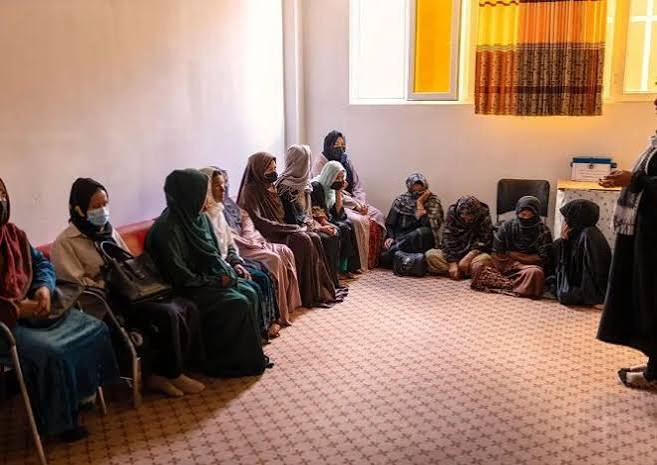
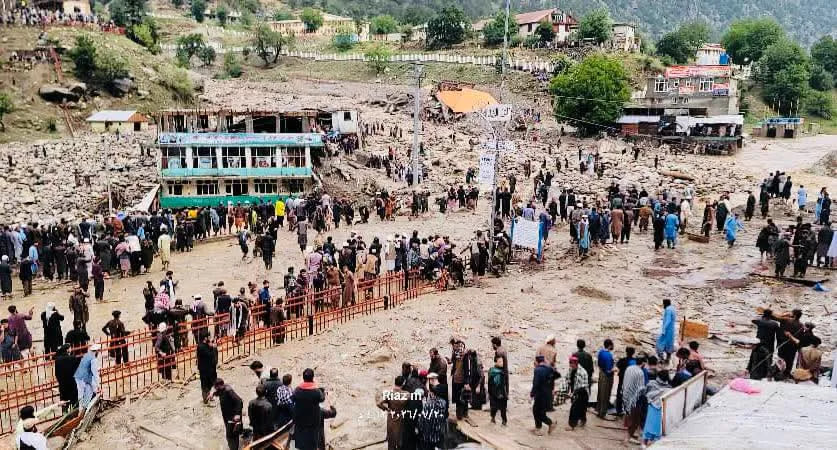
The United Nations Women’s Section has recently announced that approximately 50,000 women and girls in vulnerable areas of Afghanistan, particularly in the eastern part of the country, are facing an increasing risk of gender-based violence, with their access to healthcare and other essential services severely limited. In a published report, the organization warned that pregnant women are at greater risk as they grapple with insecurity and displacement, compounded by hunger and limited access to medical care. The report states that women displaced due to border conflicts and recent earthquakes in eastern Afghanistan are facing serious health challenges, food insecurity, and psychological trauma. The UN Women’s Section emphasized that some families who were previously displaced by the earthquakes in eastern Afghanistan have been forced to leave their homes again due to border conflicts. The report mentions a 30-year-old woman named Najiba, who was affected by the recent earthquakes and was living in a tent while pregnant. After the onset of border conflicts, she had to leave her residence with her family once more. Najiba told the UN Women’s Section: “There was no safe place. Airplanes were flying overhead, and my children were terrified. Every time they heard the sound, they cried and screamed.” After giving birth at an Afghan Red Crescent clinic, she, along with her newborn, six other children, and her husband, was moved to a camp in the Mazdara area of the Nurgal district in Nangarhar province. The UN Women’s Section stated that following the escalation of tensions and conflicts along the Afghanistan-Pakistan border, more than 100,000 people have been displaced due to airstrikes, shelling, drone attacks, and ground fighting. The organization added that women and girls, who are currently living under extensive restrictions on movement and access to essential services, have been disproportionately affected by the rise in insecurity and displacement. The report concludes that ongoing insecurity, displacement, and existing restrictions put Afghan women and girls at greater risk of gender-based violence, poverty, and deprivation of basic services.

Read More


2 months ago - 105 Visits

Petri Orpo, the Prime Minister of Finland, has described the situation in Afghanistan as alarming, stating that the interim government continues to violate human rights and impose restrictions on citizens, particularly on women and girls. Mr. Orpo made these remarks at the Hazara Culture Day festival in Finland, emphasizing that one of the world's most severe humanitarian crises is unfolding in Afghanistan, where human rights are still being violated. He further stressed that the rights of women and girls in Afghanistan are increasingly being undermined, and violence and discrimination against them are never acceptable. He added that Finland is working within the framework of the global community and the European Union to improve the situation in Afghanistan and will continue these efforts. Additionally, the Finnish Prime Minister stated that Hazaras who have chosen this country as their home should not forget their cultural heritage; rather, preserving their language, culture, art, and cultural identity is of special importance. He noted that language, religion, music, literature, clothing, and art are fundamental elements of individual and community identity, and these values become even more significant for those living away from their homeland. He mentioned the role of the Hazara community in promoting education and equality, stating that Hazaras were among the first groups in Afghanistan to fight for girls' access to education. Latif Fayyaz, the head of the Hazara Cultural House in Finland, also remarked at the event that Hazaras have faced discrimination, oppression, and massacres throughout history but have always valued education, work, peaceful coexistence, and social participation. The Hazarh Culture Day festival was held at the cultural center in Jarvenpaa, featuring cultural programs, traditional clothing displays, local music, art exhibitions, and traditional Hazara cuisine.

Read More


2 months ago - 125 Visits

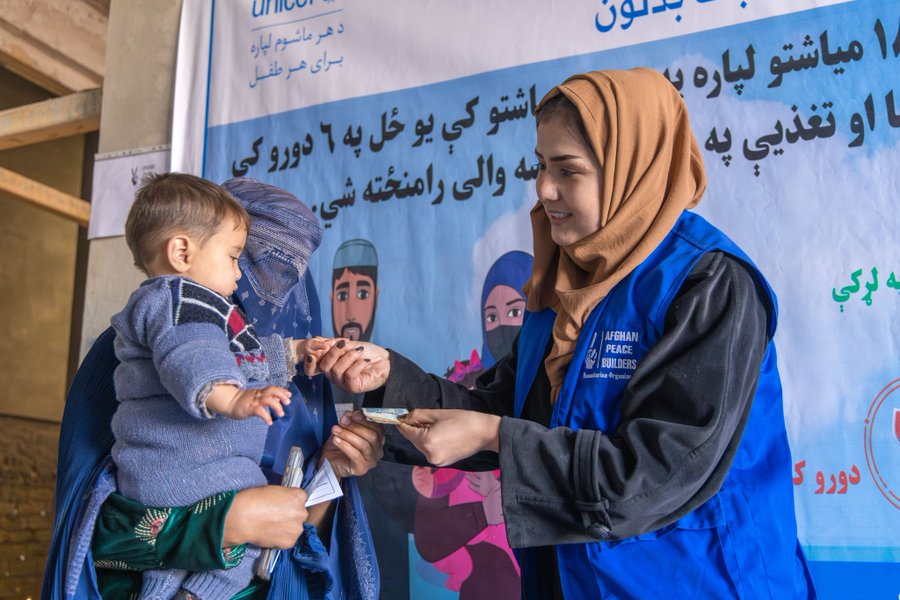
OCHA, the United Nations Office for the Coordination of Humanitarian Affairs, has recently reported that as of last month, only $269 million, or 16% of the $1.71 billion budget needed for humanitarian aid this year in Afghanistan, has been secured. In a message posted on its X account, the organization stated that the growing funding gap poses a serious threat to life-saving humanitarian support in Afghanistan. OCHA further warned that without immediate financial resources, millions of people in Afghanistan will be at risk of losing access to humanitarian assistance. This comes as the United Nations Development Program warned last month that poverty in Afghanistan continues to escalate, with nearly 28 million people projected to be unable to meet even their most basic needs by 2025. Additionally, the United Nations Development Program announced that international aid to Afghanistan is expected to decrease by about 16.5% in 2025. The statement noted that due to budget cuts, more than 440 healthcare centers have either closed or limited their services, and the number of individuals lacking access to health services has increased from 16% in 2024 to 23% in 2025.

Read More


2 months ago - 98 Visits

Jan Egeland, the head of the Norwegian Refugee Council, warned that recent bombings in Iran have caused serious psychological harm to Afghan and Iranian children. In a message posted on his X account, Egeland stated that many Afghan migrant families have lost their limited sources of income due to the economic crisis resulting from the war. He mentioned that in the social centers operated by the Norwegian Refugee Council in collaboration with its partners for Afghan migrants, children receive not only basic education but also psychological support services and trauma-related care. He further emphasized that over four million Afghan migrants in Iran need immediate humanitarian assistance and support. Egeland also warned that the situation for these migrants has worsened due to the war and economic crisis, requiring serious attention from the international community. Additionally, the head of the Norwegian Refugee Council previously stated that Afghan migrants in Iran are forgotten victims of the U.S. and Israeli war against the Islamic Republic. He noted that with decreasing incomes and rising prices, Afghan families in Iran are facing difficulties in meeting their needs. He mentioned that since the onset of the U.S. and Israeli war with Iran, a large number of Afghan citizens have lost their jobs, and the cost of food items in Iran has doubled compared to a year ago.

Read More


2 months ago - 119 Visits

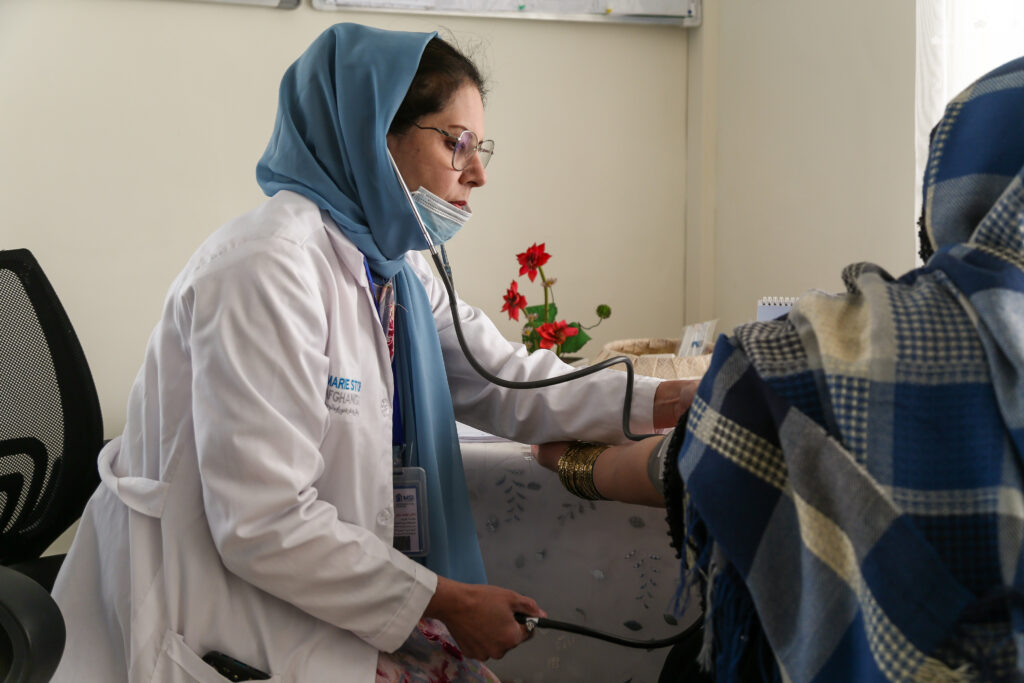
OCHA, the United Nations Office for the Coordination of Humanitarian Affairs, has recently announced that Afghanistan has one of the highest maternal mortality rates in the world, with 600 mothers dying for every 100,000 live births in the country. In a statement released today (Monday, June 1), the organization noted that specialized care and the presence of female health workers play a crucial role in saving mothers' lives; however, restrictions placed on women's participation have reduced access to essential health services for mothers and newborns. The statement highlighted that limited access for women and girls to health services contributes to the increase in maternal and neonatal mortality. It is worth mentioning that Afghanistan has faced one of the highest maternal and infant mortality rates for years. The lack of health centers in several remote districts and the shortage of female health workers are considered significant factors contributing to this situation. Additionally, a recent study published in mid-April this year regarding maternal and neonatal health services in Afghanistan showed that midwives remain a cornerstone of the country's health system. However, the shortage of female staff, deep disparities between regions, and educational restrictions pose serious threats to the future of this sector. According to this research, by the year 2023, approximately 8,094 midwives were active in Afghanistan, of which nearly 6,746 work in public health services. This comes at a time when the density of health workers, including doctors and midwives, is estimated at about 10.3 per 10,000 population, which is significantly lower than the World Health Organization's recommended standard of 44.5.

Read More


2 months ago - 204 Visits

Zakia Ahmad, the first Afghan woman to successfully summit Mount Everest, has recently launched a campaign to support the education of women and girls and has called on people around the world to advocate for the right to education in Afghanistan. This 31-year-old mountaineer from Afghanistan reached the 8,848-meter peak of Everest on June 1st and announced through a message on her Instagram account that her goal in making this ascent was not just a sporting achievement, but to draw global attention to the situation of women and girls in Afghanistan. In her message, she emphasized her efforts to be the voice of thousands of women and girls who have been deprived of their basic rights, especially the right to education and freedom, for over four years. She stated in part of her message: “Let’s ensure that the voices of marginalized Afghan women are not silenced and that hope remains alive.” She has also initiated a fundraising campaign and urged her supporters to participate in this program to support the education of girls in Afghanistan. Additionally, Zakia Ahmad expressed her gratitude to the "Baba Mazari Foundation" for its financial support of her climbing program, stating that the foundation believed from the beginning that her presence at the summit of the world’s highest peak could amplify the voices of Afghan women and girls. This Afghan mountaineer, also known as "River," reached the summit via the Khumbu region in Nepal with her Nepali guides and made history as the first Afghan woman to achieve this significant milestone. It is worth noting that Zakia Ahmad sought asylum in Australia following the political changes in Afghanistan in 2022 but continued her sporting activities. Prior to climbing Everest, she had an impressive track record in mountaineering, having successfully summited Noshaq in Afghanistan, Mont Blanc in France, Mera Peak in Nepal, and Nanda Devi in India. She states that reaching Everest is not the end of her journey but an opportunity to draw greater attention to the situation of women and girls in Afghanistan and to increase global support for their right to education.

Read More