Author: رسانه‌ای گوهر شاد

6 hours ago - 37 Visits

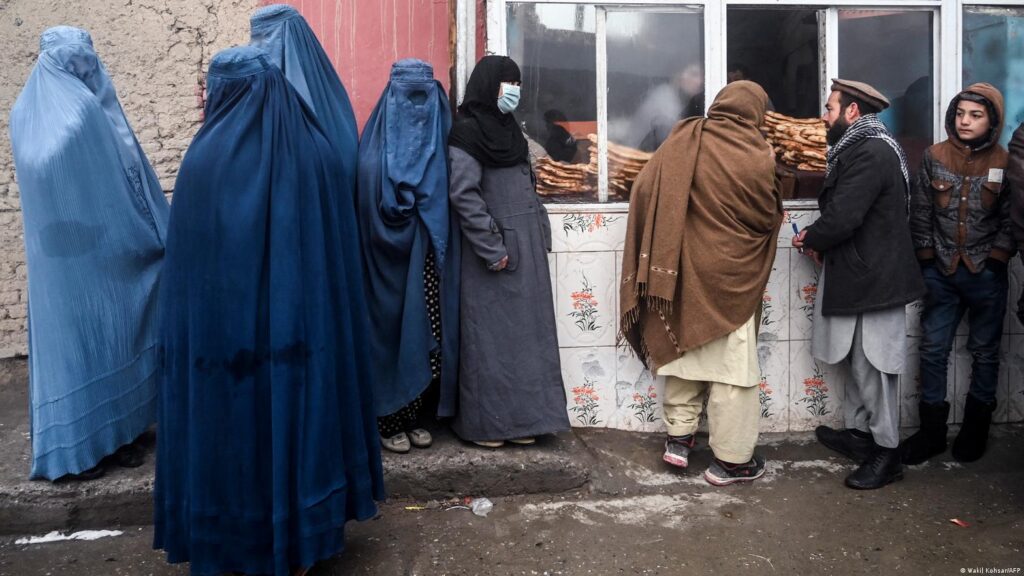
A number of Afghan citizens residing in Portugal held a protest rally in response to the increasing restrictions against women and girls, calling for concrete action from the international community to support the rights of Afghan women. They urged international organizations not to remain silent regarding the current situation of women. The protesters issued a statement calling on the Portuguese government, the European Union, the United Nations, and all human rights advocacy organizations to take a stance and effective action against the "deplorable situation" of women in Afghanistan. The statement requested the global community and human rights organizations to take practical and effective steps to ensure the fundamental rights of women and girls in Afghanistan. Part of the statement reads: "As we all know, Afghan women are currently enduring one of the most difficult and darkest periods in our country's history. Millions of women and girls have been deprived of their most basic human rights, including the right to education, the right to work, the right to freedom of movement, and the right to participate in social life." The statement emphasized that the purpose of this gathering is to raise the voices of women and girls who, according to them, are being suppressed in various forms every day. They also mentioned that women who have worked alongside men for education, development, and the prosperity of Afghanistan are now deprived of their fundamental rights; a situation that they believe not only constitutes a "great injustice" against women but also poses irreparable harm to Afghanistan's future. In another part of the statement, it is noted: "We believe that no society can achieve progress, justice, and prosperity without the active and free participation of women. Afghan women deserve to live with dignity, freedom, education, and equal opportunities." The protesters emphasized that education, work, freedom of expression, and freedom of movement are fundamental rights of Afghan women, and they should enjoy these rights unconditionally. This rally is part of a wave of protests by Afghan citizens in various countries around the world.

Read More


23 hours ago - 58 Visits

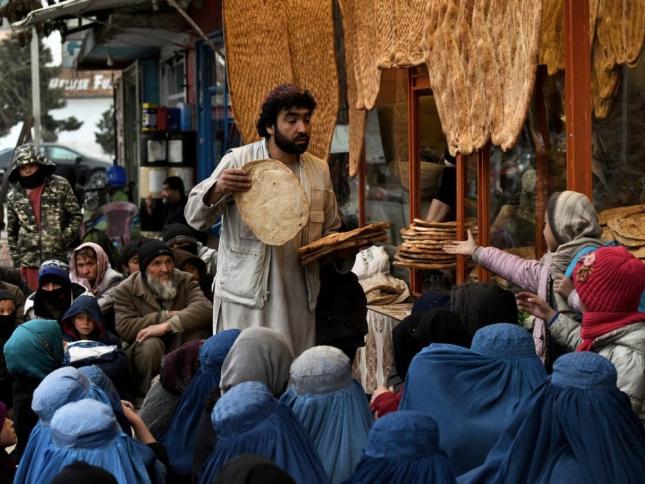
Shahbaz Sharif, the Prime Minister of Pakistan, recently announced that from September 2023 to June 2026, at least 2.4 million migrants have been expelled from this country to Afghanistan. In a statement released on the occasion of "June 20, World Refugee Day," Mr. Sharif mentioned that these returns have been carried out gradually, systematically, and with respect for the dignity of the migrants, while global organizations speak of human rights violations and the detention of migrants in this country. He emphasized, "These figures are not just statistics; they represent the lives of millions of people who found safety, shelter, and livelihood in Pakistan during the most difficult times of their lives." The Prime Minister of Pakistan added that hosting and facilitating the return of millions of migrants is a shared responsibility at the global level. A peaceful, stable, and economically capable Afghanistan is essential for the "honorable return" and sustainable integration of Afghan migrants into their country. It was further stated that Pakistan highly values its cooperation with the International Organization for Migration, the United Nations High Commissioner for Refugees, and the international community in advancing this common goal. This comes as Pakistan has intensified the forced expulsion of Afghan migrants following the resurgence of the interim government and tensions between the two sides. According to reports from global organizations, thousands have been detained since September 2023 due to a lack of legal residency documents and presence in the country. Meanwhile, the United Nations Development Program has stated on the occasion of "June 20, World Refugee Day," that Afghanistan is facing one of the largest displacement crises in the world. On the other hand, Amnesty International has noted on this day that millions of Afghan refugees are being expelled from around the world, and this number is increasing day by day. According to this organization, in host countries, these refugees face "arbitrary detentions and family separations." Amnesty International emphasized that after being forcibly returned to their country, these refugees also encounter human rights violations amid one of the most severe humanitarian crises in the world. World Refugee Day is commemorated annually to honor the courage and resilience of millions of people who have been forced to leave their homes due to war, persecution, and violence.

Read More


4 days ago - 63 Visits

The United Nations Population Fund (UNFPA) has recently announced that it is providing support services and basic needs for women who have been deported and returned from Iran. In a report published the organization stated that women and girls returning from Iran have access to psychosocial support services, safe spaces, and hygiene kits. The UNFPA emphasized that these services are aimed at helping women and girls meet urgent needs and cope with the challenges resulting from forced return. In part of its report, the organization noted that many women face economic difficulties, a lack of basic facilities, and harsh living conditions after being deported and returning to Afghanistan. The report mentioned that the support packages include essential hygiene items for women, along with counseling services and psychological support. The UNFPA added that this program is implemented with financial support from the Civil Protection and Humanitarian Aid department of the European Commission, with the goal of helping women regain stability, maintain human dignity, and access essential services.

Read More


4 days ago - 69 Visits

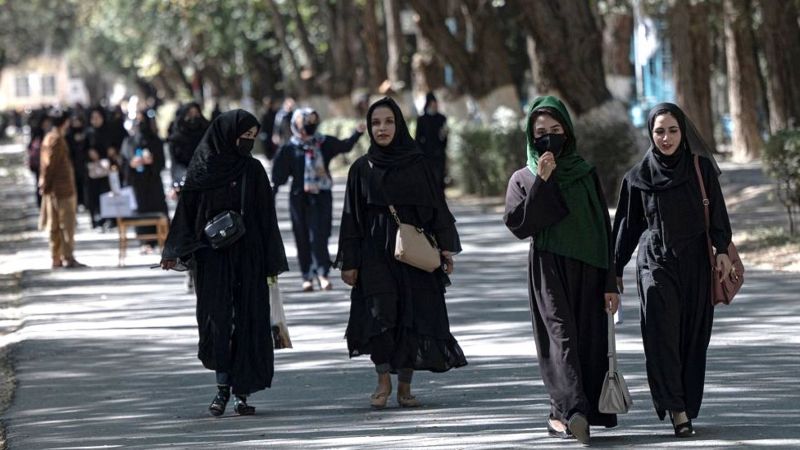
Fatima Sakhi Zada, a 19-year-old girl from Bamiyan, has managed to secure admission to four prestigious universities in the USA, Canada, Kazakhstan, and Malaysia despite the closure of educational opportunities for girls in Afghanistan. After the closure of girls' schools in Afghanistan in 2021, Ms. Sakhi Zada was compelled to migrate to Quetta, Pakistan, where she continued her education in one of the special schools for Afghan migrants until the end of the 12th grade. Alongside her studies, she dedicated herself to learning English and planned for scholarship opportunities. This achievement has made her an inspiring example for the generation deprived of education. As a result of her efforts, Fatima Sakhi Zada successfully received admission from the University of New Haven in the USA, the University of Calgary in Canada, Al-Farabi University in Kazakhstan, and Al-Bukhari University in Malaysia. However, despite her acceptance at the University of New Haven, travel restrictions for Afghan citizens to the USA prevented her from starting her studies there. Ultimately, she chose Al-Bukhari University in Malaysia to continue her education and is currently studying Computer Science and Business Management. Sakhi Zada has expressed her goal to continue her academic journey and encourage girls deprived of education in Afghanistan. Her story has become a beacon of hope for many girls who have been denied education. While Fatima Sakhi Zada achieves this success, the current government, after taking control of Afghanistan, has deprived women and girls of education and training. Recently, they imposed further restrictions by closing medical institutes to girls and women, even as the health sector across Afghanistan faces a shortage of personnel. This government's actions have resulted in millions of schoolgirls being denied access to education. Additionally, women have been banned from going to sports clubs, restaurants, public baths, being examined by male doctors, traveling without a male guardian, and working in domestic and international NGOs as well as UN offices in Afghanistan. According to reports, if this prohibition continues, nearly four million girls may be deprived of education by 2030.

Read More


4 days ago - 61 Visits

OCHA, the United Nations Office for the Coordination of Humanitarian Affairs, has warned that increasing restrictions on women and girls are further limiting their access to vital and life-saving services. Olga Churko, the head of the OCHA Afghanistan office, stated in a video that Afghanistan currently has one of the highest maternal mortality rates in the world. Expressing deep concern about the current situation, she announced that Afghanistan, with approximately 600 deaths per 100,000 births, has one of the highest maternal mortality rates globally, and the ongoing humanitarian crisis has disproportionately affected women and girls. She emphasized the importance of having female staff in the health system, stating: "There are growing concerns that restrictions on women's and girls' participation in public spheres and job opportunities will further limit both humanitarian responses and the ability of women and girls to access and benefit from vital and life-saving services." OCHA in Afghanistan referred to a hospital in Bamyan province that has the only neonatal intensive care unit in the region, adding: "In this center, health workers and aid providers, many of whom are women, are doing everything they can to save the lives of mothers and newborns. The sustainability of these services is crucial for saving lives." The agency had previously emphasized that investing in the education and employment of female health workers and strengthening primary health services is essential for the immediate reduction of maternal mortality. It is noteworthy that since the return of the caretaker government to power, extensive restrictions have been imposed on women's social and professional activities. UNICEF also warned in April that with the continuation of restrictions, Afghanistan will face a shortage of 25,000 female teachers and healthcare workers by 2030. These restrictions have not only reduced women's presence as healthcare workers but have also posed serious challenges to women's access to essential medical services.

Read More


4 days ago - 60 Visits

The humanitarian branch of the United Nations has recently announced that Afghanistan has one of the highest maternal mortality rates in the world. This organization stated in a message on its X account that a large number of women and girls in Afghanistan continue to face serious barriers in accessing health services. The United Nations assured support for mothers and newborns from healthcare workers, adding that these healthcare workers need support and that the services they provide must be expanded. The shortage of female healthcare workers, especially midwives, along with the lack of standard medical facilities, is cited as one of the most serious challenges to women's health, particularly for pregnant women and mothers in remote areas of Afghanistan. It is worth noting that Afghanistan is among the countries facing high maternal and neonatal mortality rates. The lack of medical facilities, limited access to specialized training, and the long distances from villages to medical centers create significant challenges in providing services to pregnant mothers. In many areas, women give birth at home or in small clinics, and midwives often work with minimal resources and without immediate access to specialized guidance.

Read More


5 days ago - 71 Visits

UNICEF, the United Nations Children's Fund, has recently announced that over 8.8 million children in Afghanistan are simultaneously exposed to at least three climate hazards, including floods, droughts, heat waves, extreme heat, storms, and dust. In a published report, the organization stated that more than 75% of children in Afghanistan are at risk of drought, over 50% face longer and more frequent heat waves, and more than 1.7 million children are exposed to riverine flooding. Tajuddin Owais, UNICEF's representative in Afghanistan, emphasized: "Children in Afghanistan are currently at the forefront of the climate crisis. What makes this situation particularly dangerous is the simultaneous occurrence of climate hazards alongside the high level of vulnerability among children." The report continues by noting that approximately 21 million children live in Afghanistan, and 41% of these children are facing simultaneous climate hazards. The agency also pointed out that Afghanistan ranks highest in South Asia in terms of children's vulnerability. UNICEF stressed that these hazards are not just abstract environmental threats to children; they disrupt the services that children need for survival, education, and health. According to UNICEF's report, the child nutrition crisis in Afghanistan, including millions of children suffering from acute malnutrition and requiring treatment, increases their vulnerability to climate hazards. UNICEF added: "Droughts, floods, and extreme heat weaken food systems and reduce access to safe water—both factors that lead to acute malnutrition." The report states that nearly half of the children in Afghanistan live in severe food poverty, and gaps in vaccination, environmental health services, and hygiene further increase risks for vulnerable children. Moreover, UNICEF highlighted the importance of educational services, child support, and social protection, stating that safe and climate-resilient schools can help children continue their education during climate shocks. The UNICEF representative in Afghanistan stated: "For Afghanistan, the message is clear: protecting children from the climate crisis requires sustainable investments in services that keep them healthy, well-nourished, safe, supported, and educated." He emphasized strengthening climate-resilient systems and services in health, nutrition, water, sanitation, hygiene, and education sectors.

Read More


6 days ago - 70 Visits

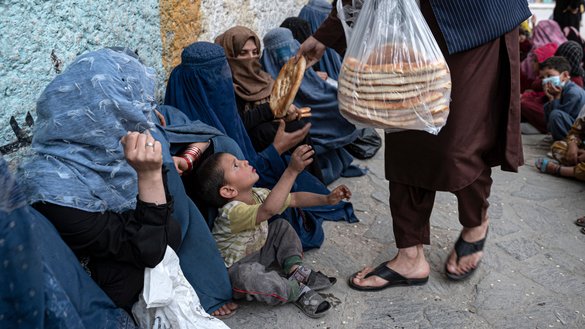
OCHA, the United Nations Office for the Coordination of Humanitarian Affairs, has warned that approximately 1.2 million pregnant and breastfeeding women in Afghanistan will face malnutrition this year. In a report released, the agency stated that the peak season for acute malnutrition begins in July and will last for at least three to four months. The United Nations Office for the Coordination of Humanitarian Affairs has warned that without immediate expansion of preventive and life-saving nutritional interventions, the nutritional situation in Afghanistan will worsen in the remaining months of 2026. The report notes that severe malnutrition has increased in 26 out of 34 provinces in Afghanistan compared to 2025. OCHA emphasized that food insecurity, limited access to nutritional services, the prevalence of diseases, and water and sanitation issues are major factors exacerbating this crisis. Additionally, the agency predicts that in 2026, around 3.7 million children in Afghanistan will suffer from severe malnutrition, which includes hundreds of thousands of cases of severe and moderate acute malnutrition at risk. OCHA and its nutrition sector partners in Afghanistan state that the country is facing one of the largest nutritional crises in the region. According to the latest assessments, the level of malnutrition in many provinces has reached a critical stage, raising concerns about the health of pregnant women, breastfeeding mothers, and young children.

Read More


6 days ago - 70 Visits

As the month of Muharram approaches, the "Shia Scholars Council of Afghanistan" has stated that it expects the security officials of the caretaker government to create a safe environment for the mourning ceremonies of Muharram and Ashura. In a statement released the council emphasized that the current government should pay attention to the religious rights of all citizens. This request comes at a time when the current government has imposed restrictions on Shia mourning rituals during the month of Muharram in recent years. In previous years, these ceremonies have faced security threats and have often been targeted by deadly attacks. Attacks against Shias in Afghanistan are primarily claimed by the ISIS group. The council stated: "We expect the security officials of the country to provide a grand and secure environment for the observance of Muharram and Ashura and to respect the religious rights of all citizens." Additionally, the council has urged organizers and mourning groups to fully cooperate with security officials to ensure that mourning ceremonies are held in a calm, secure, and unrestricted atmosphere. The Shia Scholars Council of Afghanistan has also called on speakers at mourning ceremonies to refrain from discussing topics that could cause division among the Muslim residents of the country. The council stated: "We urge esteemed speakers, preachers, and reciters to educate the youth about the true goals and messages of Ashura—namely justice-seeking, accountability, and defense of Islamic values—with care and a sense of responsibility, and to avoid presenting any content or statements that could create divisions among the Muslim residents of the country." In the past five years, severe restrictions have been imposed on Shias. The caretaker government has removed the official recognition of Ja'fari jurisprudence, personal status laws for Shia individuals, and Ja'fari legal subjects from Afghanistan's educational system.

Read More


7 days ago - 57 Visits

The UN Office for the Coordination of Humanitarian Affairs (OCHA) has announced that approximately 3.7 million children in Afghanistan are facing acute malnutrition. In a report published the agency stated that without preventive and life-saving nutritional interventions, the nutritional situation is likely to worsen throughout the year 2026. The announcement indicated that the nutritional status in Afghanistan is rapidly deteriorating, with the rate of acute malnutrition increasing in 26 out of 34 provinces compared to the year 2025. The UN humanitarian coordination office noted that this deterioration has occurred before the peak season for acute malnutrition (July to September), indicating an early and escalating crisis. The report highlighted that factors contributing to this situation include inappropriate breastfeeding practices, inadequate diet and care for children, increasing food insecurity, high disease prevalence, lack of access to water, health services, and sanitation, as well as reduced access to nutritional services. It further stated that nearly 40% of infants under six months are hospitalized for treatment due to severe malnutrition, reflecting increased vulnerability in the youngest age group and mounting pressure on health services. OCHA reported that children under two years old have been disproportionately affected, accounting for 83% of severe malnutrition cases and 77% of moderate malnutrition cases. It is also estimated that 19% of cases fall into the high-risk category. OCHA projected that around 3.7 million children will experience malnutrition in 2026, including 942,000 cases of severe malnutrition, 707,404 cases of moderate malnutrition at risk, and two million cases of moderate malnutrition in the early stages. Additionally, it is expected that 1.2 million pregnant and breastfeeding women will also be affected.

Read More