Author: رسانه‌ای گوهر شاد

4 months ago - 124 Visits

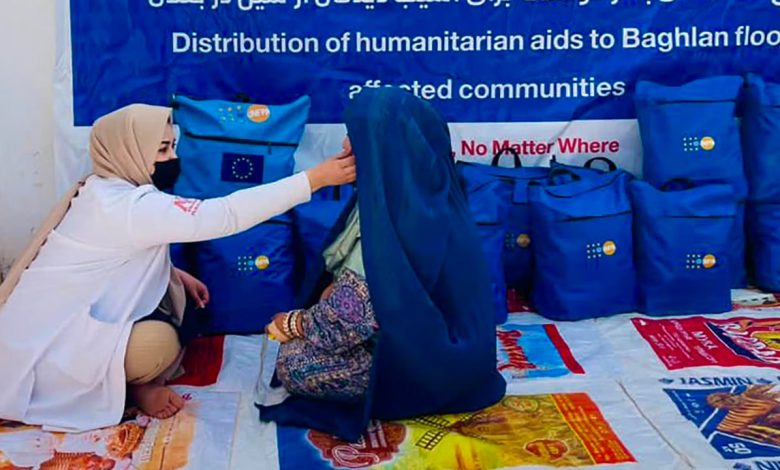
The International Committee of the Red Cross (ICRC) has recently stated that Afghanistan continues to face one of the most severe humanitarian challenges in the world. In a report, the organization said that limited livelihoods, persistent unemployment, and restricted access to healthcare have pushed many families to the brink of survival. In 2025, approximately 22.9 million people—nearly half of Afghanistan’s population—required humanitarian assistance. The ICRC further emphasized that in such circumstances, the most vulnerable groups—including malnourished children, the elderly, persons with disabilities, female-headed households, and daily wage laborers—are disproportionately affected. According to the report, earthquakes, drought, floods, and climate change have destroyed agricultural crops, displaced families, damaged homes and critical infrastructure, and worsened food insecurity. The ICRC also referred to the deportation of Afghan migrants from Iran and Pakistan, noting that their return has increased pressure on healthcare services, water supplies, food resources, and other sectors. The organization stressed that overall, Afghanistan’s humanitarian challenges stem from economic instability, climate shocks, displacement, economic sanctions, and declining international engagement. The Red Cross said that in 2025 it provided assistance to people across Afghanistan in various sectors and worked to strengthen their resilience. The ICRC reported that during this year it supported Afghans in access to safe drinking water, electricity supply, healthcare services, livelihood improvement, addressing the threat of explosive remnants of war, and physical rehabilitation. The report also noted that the organization assisted returnees and earthquake-affected people, and in cooperation with prison authorities, visited 12 detention facilities, conducted private interviews with detainees, and held discussions with government officials regarding detention conditions and ways to improve them.

Read More


4 months ago - 128 Visits

The European Union’s Humanitarian Aid Office for Asia has recently announced that more than 21 million people in Afghanistan do not have access to safe drinking water. In a message published today (Monday, Dec 22) on its X account, the office stated that due to years of conflict and worsening climate conditions, water has become scarce in Afghanistan. The EU’s Humanitarian Aid Office for Asia further emphasized that it is installing wells and hand pumps for families to enable access to safe water. Meanwhile, the Norwegian Refugee Council yesterday established a water supply network for 300 families in Zabul. The lack of safe water in Afghanistan is considered one of the country’s most serious challenges. It is worth noting that the water crisis in Afghanistan is a widespread and growing challenge that threatens the lives of millions of people and has negatively affected public health, food security, and social stability. Previously, the United Nations Children’s Fund (UNICEF), in a report referring to the impact of climate change on Afghanistan, warned that around 80 percent of Afghan citizens use contaminated and unsafe water for drinking. UNICEF has also warned about the spread of diseases caused by the use of contaminated water in Afghanistan. Earlier, UNICEF had warned that by 2030, Kabul’s water resources would be completely depleted. It is also worth noting that most children in schools across Afghanistan do not have access to safe water. This comes as the International Committee of the Red Cross stated on World Water Day that 33 million people in Afghanistan lack access to safe drinking water.

Read More


4 months ago - 163 Visits

Noorjalal Jalali, the Acting Minister of Public Health of Afghanistan’s caretaker government, has recently stated that 95 percent of the population cannot afford the cost of their medical treatment. Mr. Jalali made these remarks during his visit to New Delhi, saying that if treatment is not made available in public hospitals, “people will die in pain and suffering.” During the trip, he acknowledged the widespread and deep poverty in Afghanistan and emphasized that Afghans consider India their “brother in difficult times.” Speaking at a meeting at the Confederation of Indian Industry (CII) in New Delhi, he said: “I can say that India has shown us more affection than we could have imagined.” Mr. Jalali further added: “Afghans believe that India is their brother in times of hardship. Previously, about 70 percent of Afghanistan’s required medicines were supplied from Pakistan, but relations with Pakistan have now deteriorated.” The Acting Minister of Public Health also noted in part of his remarks that the quality of medicines available in the Afghan market is low. In strong statements, he stressed: “Those who counterfeit medicines and food should be executed.” The Health Minister called on Indian pharmaceutical companies to make both short-term and long-term investments in the Afghan market. He said India could meet Afghanistan’s pharmaceutical needs and, in the future, establish drug manufacturing factories in the country. He also urged India to build a well-equipped hospital in Afghanistan. Addressing participants at the meeting, Mr. Jalali said: “The Afghan market is at your service. Regardless of income and profit, Afghans are your brothers. Afghans have good memories of India.” He added: “It would be very good if you send high-quality and affordable medicines to your brothers.” This is the third senior official of the current government to have visited New Delhi in recent months. The purpose of the visit has been described as facilitating the import of medicines from India.

Read More


4 months ago - 147 Visits

International media have reported that on the twentieth anniversary of the death of Nadia Anjuman, the prominent Afghan poet, a ceremony was held to unveil the Spanish translation of her complete poetry collection at the Balqis Library in Madrid, the capital of Spain. According to the reports, this cultural and literary event was organized in cooperation with the “Hope of Freedom” Association and included a poetry night, speeches, and readings of Nadia Anjuman’s poems in both Persian and Spanish. The book The Complete Poetry of Nadia Anjuman has, for the first time, been fully translated from Persian into Spanish. The reports state that the translation was carried out by Rocío Moriones Alonso, a literary researcher, who described it as an important step in introducing contemporary Afghan women’s literature to the Spanish-speaking world. Nadia Anjuman’s poems, presented during the literary evening, reflected pain, suffering, enforced silence, and women’s resistance to discrimination and violence—themes that are inextricably linked to the current situation of women in Afghanistan. Khadija Amin, head of the Hope of Freedom Association, also said at the event: “Nadia Anjuman was not just a poet; she was a symbol of the silenced voice of Afghan women—a voice that, even twenty years after her death, remains alive and continues to inspire women’s efforts for freedom, dignity, and the right to expression.” The organizers stated that the aim of the event went beyond a book launch, emphasizing that it was an opportunity to keep the memory of Nadia Anjuman alive and to draw the attention of the global community to the difficult situation of Afghan women and girls and the need for international solidarity with them. It is worth noting that the ceremony concluded with a tribute to the memory of Nadia Anjuman and a celebration of the struggles of Afghan women for freedom and justice.

Read More


4 months ago - 134 Visits

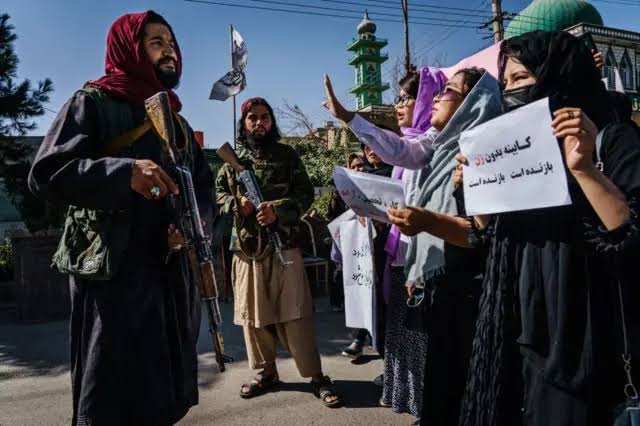
The United Nations Office of the High Commissioner for Human Rights has recently expressed concern over the continued ban on the presence of women and girls in UN offices in Afghanistan. In a statement published on its X account, the office said that 100 days have passed since women and female staff were barred from entering UN offices in the country, and it has called on the caretaker government to lift these restrictions. The statement further reads: “Systematic discrimination against women and girls is not in Afghanistan’s interest and must end immediately.” The United Nations emphasized that without the presence of women and girls, its vital assistance cannot reach all those in need, and that the current restrictions are having a negative impact on the delivery of services. This ban is part of a broader policy by the current authorities to restrict the presence of women in national and international institutions. Since taking power in Afghanistan, the current authorities have also deprived women and girls of education. In their most recent restriction, they closed the doors of medical institutes to girls and women, despite the fact that the health sector across Afghanistan is facing a severe shortage of personnel. These actions by the current authorities have resulted in millions of female students being deprived of education. In addition, women have been barred from going to sports clubs, restaurants, public baths, being examined by male doctors, traveling without a mahram, working in domestic and international non-governmental organizations, and even from working in United Nations offices in Afghanistan.

Read More


4 months ago - 131 Visits

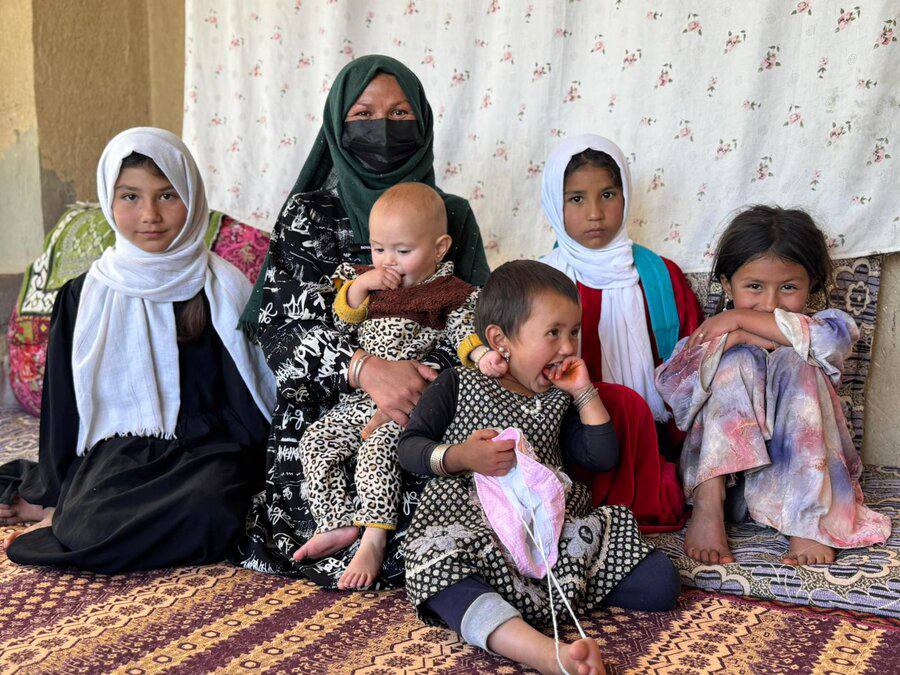
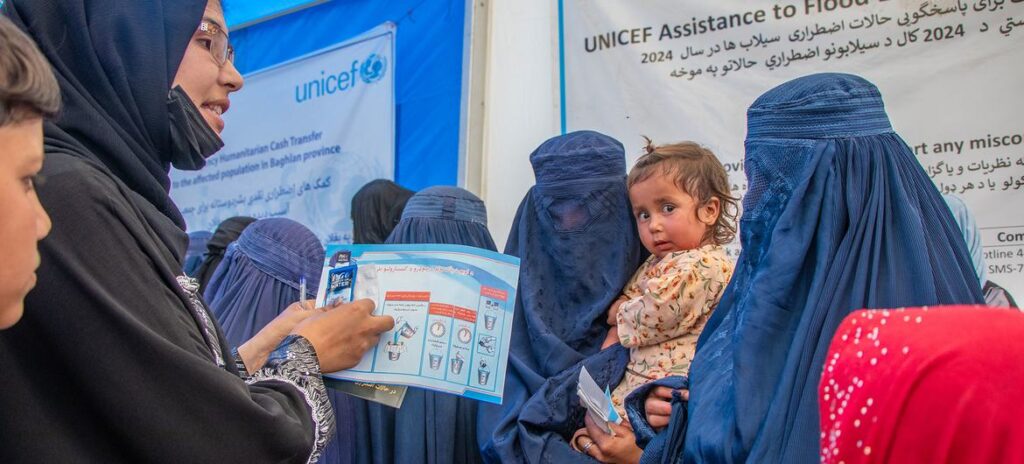
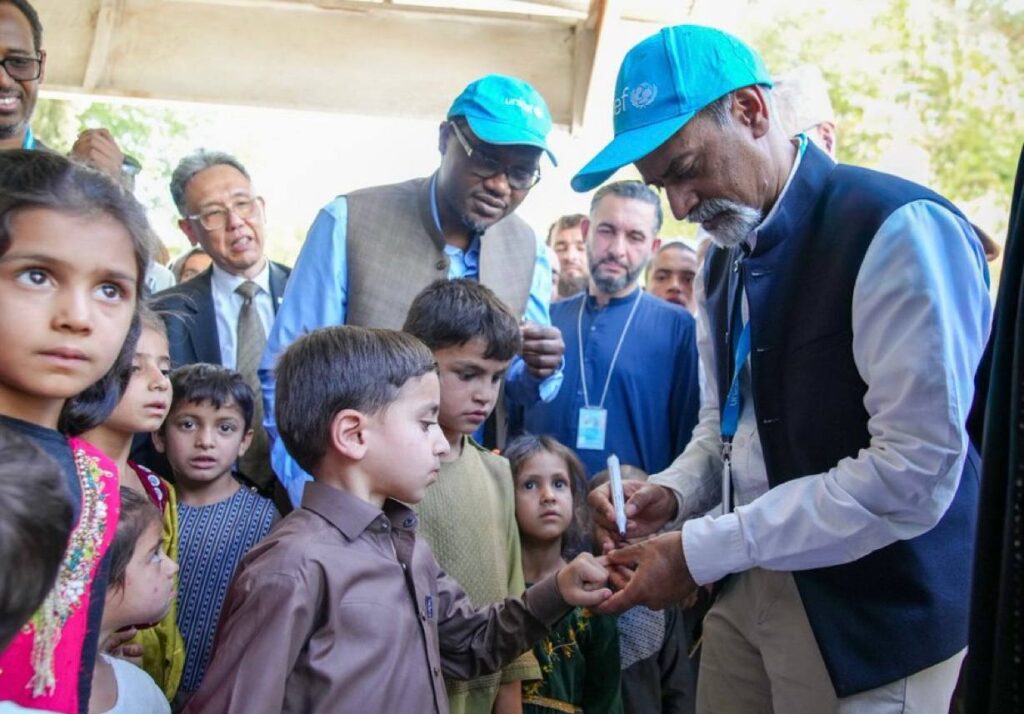
UNICEF has announced that Afghanistan is facing a series of interconnected crises, including natural disasters, a fragile economy, and limited access to basic services. In 2026, an estimated 21.9 million people — including 11.6 million children — will require humanitarian assistance. In a report released today (Tuesday, Dec 16), the organization said that the protection crisis is deepening. Women of reproductive age, children, adolescents, and marginalized groups are facing increasing risks, and as conditions worsen, UNICEF’s continued presence to deliver essential services and protect the most vulnerable people is vital. The United Nations Children’s Fund stated that in 2026 it will require USD 949.1 million to assist 12 million people, including 6.5 million children, in Afghanistan. The report notes that this funding is critical to ensuring that every child in Afghanistan has the opportunity to survive and thrive. With this budget, life-saving assistance and essential services will be provided to children and vulnerable people, urgent humanitarian needs will be addressed, and community resilience will be strengthened. UNICEF further emphasized that the child protection crisis in Afghanistan is deepening, with women of reproductive age, children, young people, and marginalized groups facing growing risks. In another section of the report, UNICEF added that women and girls in Afghanistan are facing a systematic crisis of their rights. Bans on their education and employment, along with widespread restrictions on daily life, have increased protection risks and are threatening long-term resilience. The United Nations Children’s Fund also stressed that chronic underinvestment in water, sanitation, and hygiene (WASH), compounded by relentless climate shocks, has intensified humanitarian needs and weakened community resilience. UNICEF said that under these conditions, its continued presence to deliver essential services and protect the most vulnerable people is critical. It should be noted that the UN Office for the Coordination of Humanitarian Affairs (OCHA) had previously stated that 21.9 million people in Afghanistan will need humanitarian assistance in the coming year. OCHA said that humanitarian organizations have prioritized assisting 17.5 million people and have appealed for USD 1.72 billion in funding to support them.

Read More


4 months ago - 128 Visits

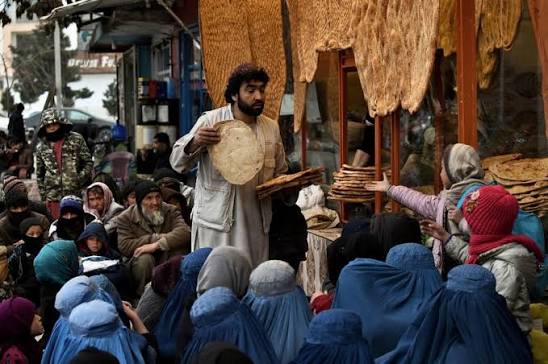
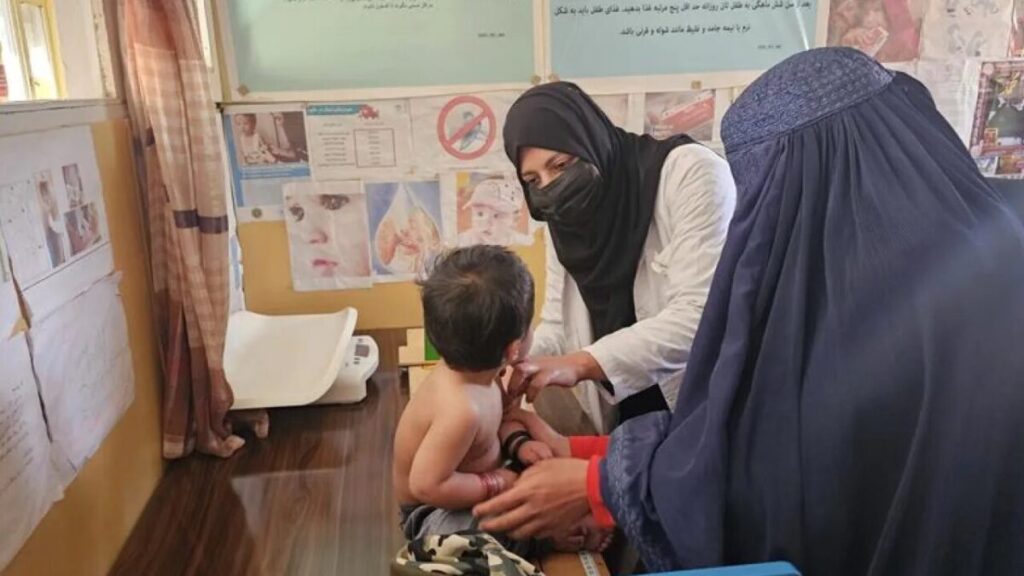
The United Nations Food and Agriculture Organization (FAO) has announced that an estimated 17.4 million people in Afghanistan are expected to face acute hunger during the winter season. In a report released the organization said that food assistance in Afghanistan is limited and currently reaches only 2.7 percent of the country’s population. The FAO further emphasized that the food security situation in Afghanistan is deteriorating with the onset of winter. According to the organization, economic difficulties have been exacerbated by the return of migrants, ongoing drought, and recent earthquakes. The United Nations stated that, based on this report, an estimated 17.4 million people — including women, children, and men — will face acute hunger during the winter. The report notes: “Prolonged economic weakening, recurring droughts, and a sharp decline in humanitarian assistance have left large segments of the population unable to meet their minimum food needs.” Previously, the World Food Programme (WFP) had said that due to funding shortfalls, it has been forced to reduce its assistance in Afghanistan from 10 million people in need to just two million. It should be noted that earthquakes, widespread drought, reduced food production, and the forced return of migrants from neighboring countries have further worsened people’s living conditions. According to United Nations statistics, 3.5 million children in Afghanistan are suffering from malnutrition. Children and women are the most vulnerable groups in Afghanistan’s humanitarian crisis, and with the reduction of humanitarian aid, their situation is expected to worsen. Meanwhile, the aid organization World Vision recently announced that Afghanistan ranks fourth worldwide in terms of acute child malnutrition. The organization said that about 3.7 million children under the age of five in Afghanistan suffer from acute malnutrition, around one million of whom are severely underweight. In addition, approximately 1.2 million pregnant and breastfeeding women in Afghanistan are also suffering from acute malnutrition. According to a report by OCHA, the United Nations Office for the Coordination of Humanitarian Affairs, women and children have been the most affected by the hunger crisis in Afghanistan.

Read More


4 months ago - 140 Visits

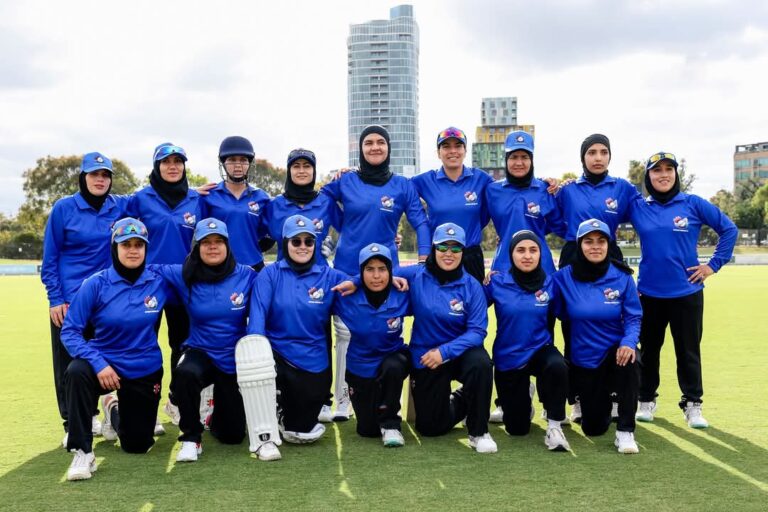
UN Women has stated in its latest announcement that amid severe restrictions and growing threats, international solidarity with the women and girls of Afghanistan is of great importance. In a message posted on its X account, the agency wrote that supporting Afghan women and girls against restrictions, the reduction of services, and violations of their human rights is essential. Previously, Annalena Baerbock, President of the 80th session of the United Nations General Assembly, said: “The strength of Afghan women and girls in the face of restrictions and violations of their rights is extraordinary, but no one should be left alone.” UN Women in Afghanistan, while emphasizing the importance of global solidarity, expressed appreciation for the efforts of the international community to stand with Afghan women. The agency further stressed that it will continue its efforts to support women’s rights and expand opportunities for them in various sectors. It is worth noting that after taking control of Afghanistan, the current authorities have deprived women and girls of education and schooling. In their latest restriction, they closed the doors of medical institutes to girls and women, despite the nationwide shortage of healthcare personnel across Afghanistan. This action by the current authorities has resulted in millions of female students being denied access to education. In addition, women have been banned from going to sports clubs, restaurants, public bathhouses, being examined by male doctors, traveling without a male guardian, and working in domestic and international non-governmental organizations, as well as even in United Nations offices in Afghanistan.

Read More


4 months ago - 149 Visits

As the academic year comes to an end in Afghanistan, the Human Rights Activists’ Union has stated in its latest remarks that cultural genocide means silencing voices and taking awareness captive. In a message published on its X account, the organization wrote that the restrictions imposed on the education of women and girls in Afghanistan have had negative consequences and threaten the future of new generations. The Human Rights Activists’ Union emphasized in part of its message that the caretaker government in Afghanistan, by closing the doors of education, suppressing students, and erasing the cultural memory of society, is seeking to destroy the future of the community. The organization further added that the future of the younger generation can only be meaningful through knowledge, freedom, and human dignity. While the Human Rights Activists’ Union criticizes educational restrictions in Afghanistan, the current government, since taking control of the country, has deprived women and girls of education and schooling. Moreover, in its latest restriction, it has closed the doors of medical institutes to girls and women, despite the fact that the health sector across Afghanistan is facing a shortage of personnel. This action by the current government has resulted in millions of female students being deprived of education. In addition, women have been banned from going to sports clubs, restaurants, public baths, being examined by male doctors, traveling without a male guardian (mahram), and working in domestic and international non-governmental organizations, as well as even in United Nations offices in Afghanistan.

Read More


4 months ago - 152 Visits

The Norwegian Refugee Council (NRC) has stated in its latest announcement that the forced return of tens of thousands of Afghan migrants from Iran and Pakistan, along with severe droughts and recent earthquakes, has further exacerbated the humanitarian crisis in Afghanistan. In a report, the organization said that about 17.4 million people—nearly 36 percent of Afghanistan’s total population—are facing acute food insecurity, and many families are unable to meet their basic living needs. The Norwegian Refugee Council further emphasized that the large-scale return of Afghan migrants to areas already suffering from extreme poverty and vulnerability has placed enormous pressure on the limited resources of these communities, putting the lives of millions at risk. In another part of its report, the Council warned that consecutive droughts and recent devastating earthquakes in eastern and northern Afghanistan have destroyed people’s assets and agricultural land, further weakening their economic capacity. The NRC also stressed that, with the approach of winter, the international community must urgently send assistance to Afghanistan to prevent widespread hunger. Iran and Pakistan have intensified the process of forcibly deporting migrants to Afghanistan. Pakistan, following recent tensions with the Taliban-led interim government of Afghanistan, has further increased the arrest and forced deportation of migrants. According to a United Nations report, from September 2023 to September 2025, more than 4.5 million migrants have returned to Afghanistan from Iran and Pakistan.

Read More