Author: رسانه‌ای گوهر شاد

3 months ago - 209 Visits

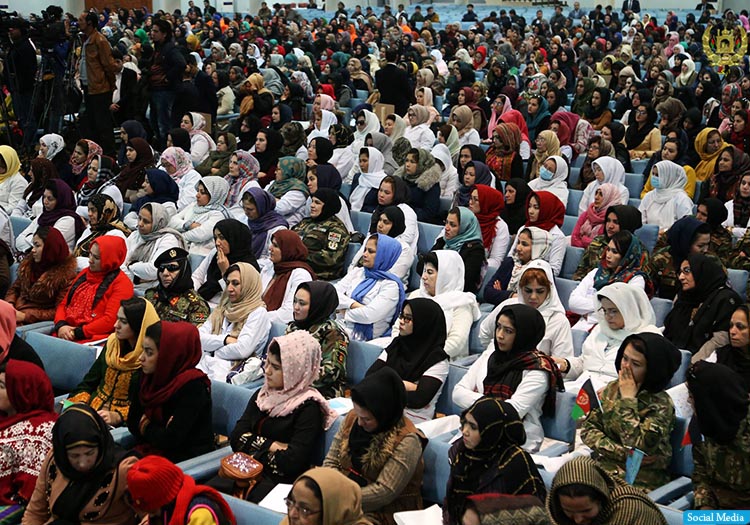
Nasir Ahmad Faiq, the Chargé d’Affaires of Afghanistan’s Permanent Mission to the United Nations, has strongly condemned the detention of Khadija Ahmadzadeh, Nazera Rashidi, and their companions by the caretaker government, and has called for their immediate and unconditional release. In a post on his X account, Mr. Faiq wrote that the arrest of these women in the absence of a judicial system constitutes a serious violation of their rights. The head of Afghanistan’s Permanent Mission to the United Nations further emphasized that the detention of women without evidence or a court order is in contradiction with humanitarian laws, Islamic principles, and the cultural values of the people of Afghanistan. He added that women and girls in Afghanistan have been deprived of many of their fundamental and religious rights, including access to justice, legal counsel, and fair legal procedures. The arrest of women’s rights activists and the increasing restrictions on women’s social and civic participation in Afghanistan continue, while international concerns over their situation are growing. This comes as Nazera Rashidi, a local female journalist in Kunduz, was arrested two weeks ago on Tuesday (16 Jadi) after leaving her home. Meanwhile, Khadija Ahmadzadeh, a member of Afghanistan’s national taekwondo team and a coach in the sport, was arrested last Saturday (January 10) from a secret sports club in the Jebrail township of Herat by forces of the current government’s Ministry for the Promotion of Virtue and Prevention of Vice. In addition to this female coach, her father and the man who had made his house available as a secret women’s sports club were also arrested with her and released after several days, but Ahmadzadeh remains in detention. The arrest of this female journalist and women’s coach has sparked widespread reactions on social media.

Read More


3 months ago - 135 Visits

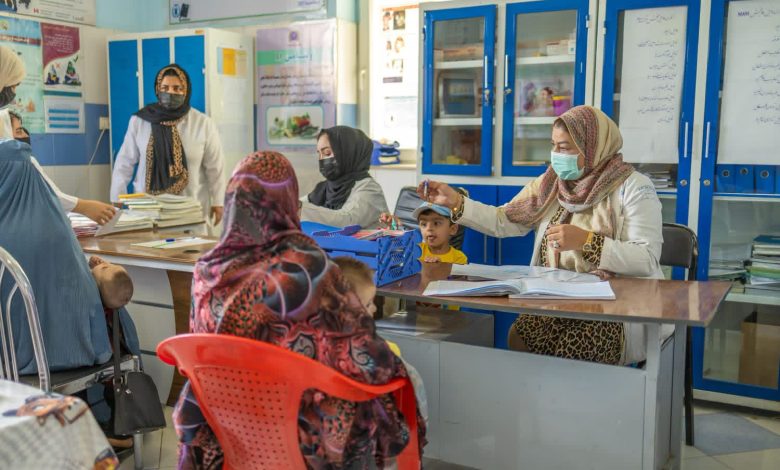
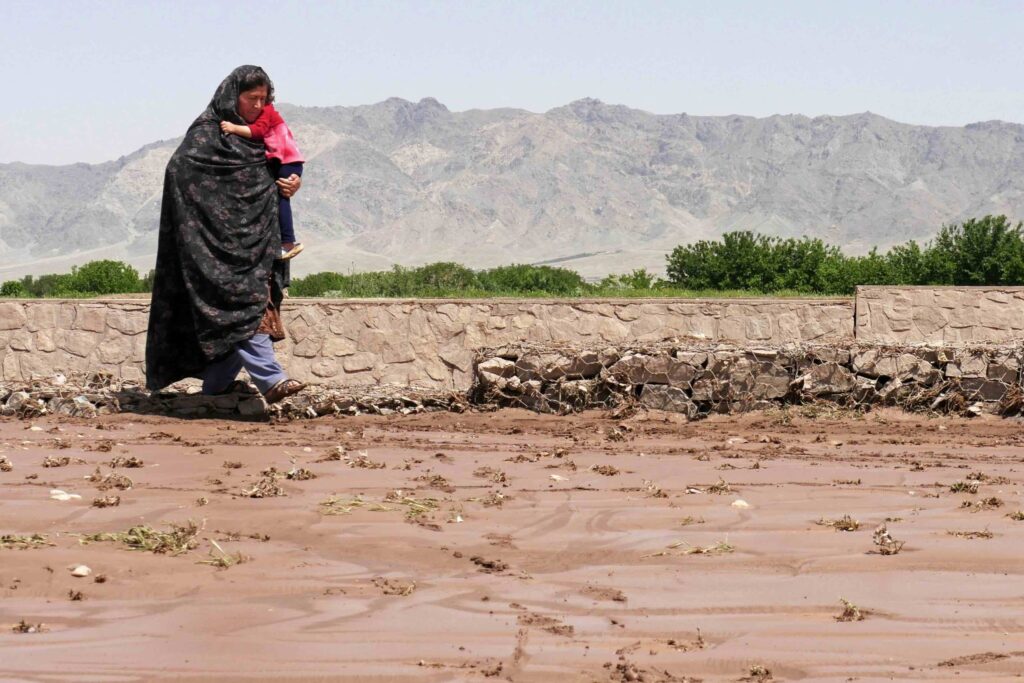
The World Food Programme (WFP) has announced that in 2025 Afghanistan experienced the highest increase in child malnutrition since the beginning of the 21st century. In a statement published today (Sunday, January 18) on its X account, the programme warned that four million children are currently suffering from malnutrition and are in urgent need of treatment. John Aylieff, WFP’s Country Director in Afghanistan, told Agence France-Presse that if these children are not treated, they will lose their lives. He further emphasized that the World Food Programme is seeking to secure 390 million US dollars to provide food assistance to six million Afghan citizens over the next six months. Meanwhile, the Ministry of Public Health of the caretaker government has put the number of women and children suffering from malnutrition at nearly three million. In addition, OCHA, the United Nations Office for the Coordination of Humanitarian Affairs, says that Afghanistan will face one of the world’s largest humanitarian crises in 2026. Alongside this, the World Food Programme has warned that on the eve of winter more than 17 million Afghans are facing severe food insecurity, a crisis accompanied by acute malnutrition. Referring to consecutive wars, drought, and repeated earthquakes in Afghanistan, the head of the World Food Programme said the country is currently at a critical juncture.

Read More


3 months ago - 116 Visits

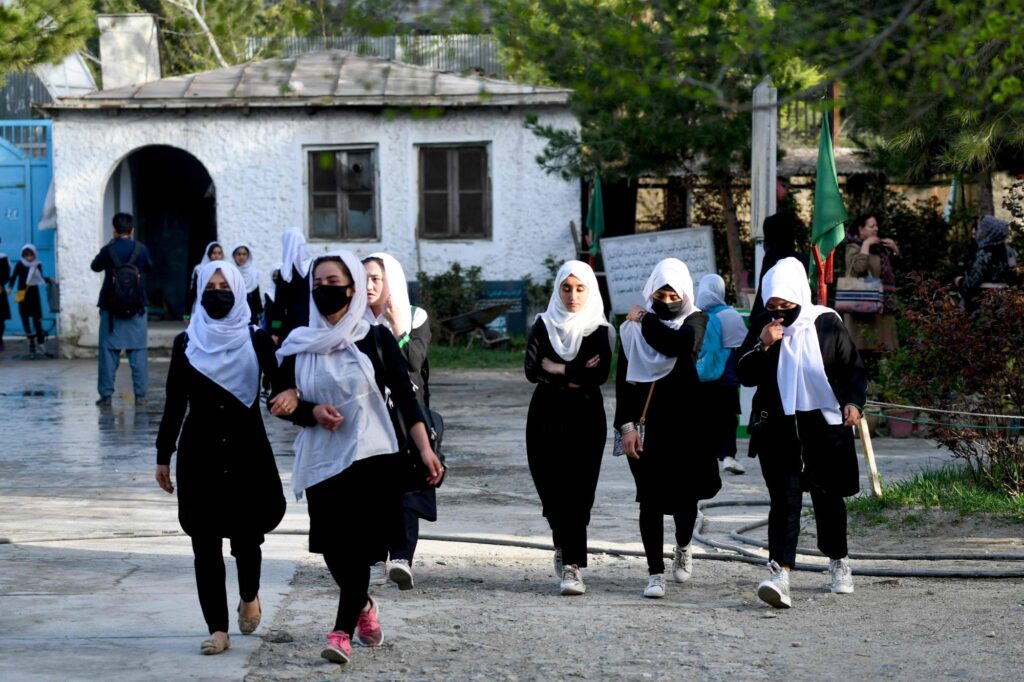
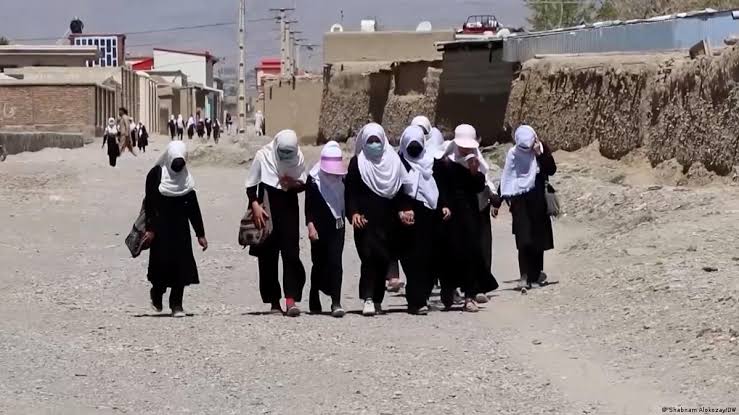
As schools above grade six have remained closed to girls and women in Afghanistan for 1,580 days, Human Rights Watch has described the continuation of this situation as a “clear violation of human rights.” In a message posted today (Sunday, January 18) on its X account, the organization wrote that the ban on girls’ education in Afghanistan is one of the most serious examples of structural injustice against women and girls in the country. The organization further emphasized that silence in the face of this situation only helps perpetuate injustice. It called on citizens, human rights organizations, and the international community to respond to these restrictions by raising their voices, sharing this message, and demanding concrete action. Human Rights Watch Afghanistan also added that girls’ education cannot be delayed even for one more day, warning that the continuation of this ban will have irreversible consequences for the future of coming generations. It is worth noting that after returning to power, the de facto authorities banned education for girls above grade six across the country—a decision that has faced widespread domestic and international reactions but has nevertheless remained in place for more than four years. Previously, a number of organizations and human rights activists have launched campaigns calling for the unconditional return of girls to educational institutions. Most recently, the authorities also closed the doors of medical institutes to girls and women, despite the fact that the healthcare sector across Afghanistan is facing a severe shortage of personnel. These actions by the current authorities have resulted in millions of schoolgirls being deprived of education. In addition, women have been barred from attending sports clubs, restaurants, public baths, being examined by male doctors, traveling without a mahram, and working in domestic and international non-governmental organizations, as well as even in United Nations offices in Afghanistan.

Read More


3 months ago - 123 Visits

The United Nations Assistance Mission in Afghanistan (UNAMA) has recently announced that around 90 percent of the spinners and weavers in Afghanistan’s carpet-weaving industry are women and girls. In a post on its Facebook account, UNAMA wrote that despite the extensive contribution of women and girls to Afghanistan’s carpet industry, they remain at the lowest level of the production chain and receive very low wages in return for their hard labor. Susan Ferguson, the Special Representative of UN Women in Afghanistan, emphasized that women and girls must be supported at all stages of carpet production—from wool production and spinning to weaving, finishing, and business development. UNAMA added that UN Women is committed to strengthening women’s leadership to create opportunities for them to benefit from the significant cultural and economic value they generate. The mission also stressed that Afghanistan’s carpet industry has survived primarily thanks to the efforts, skills, and resilience of women. It is worth noting that carpet weaving is one of Afghanistan’s most important handicraft industries and export commodities—an industry in which women and girls play a vital role at every stage of production. Over the past four years, amid widespread restrictions on girls’ education and women’s employment, many women have been forced to turn to this sector to earn a livelihood. It should be noted that after taking control of Afghanistan, the current authorities deprived women and girls of education and schooling. More recently, they also closed medical institutes to women and girls, despite the fact that the healthcare sector across Afghanistan is facing a severe shortage of personnel. These actions by the current authorities have resulted in millions of school-age girls being deprived of education. In addition, women have been barred from attending sports clubs, restaurants, public bathhouses, being examined by male doctors, traveling without a male guardian (mahram), and working in domestic and international non-governmental organizations, as well as even in United Nations offices in Afghanistan.

Read More


3 months ago - 97 Visits

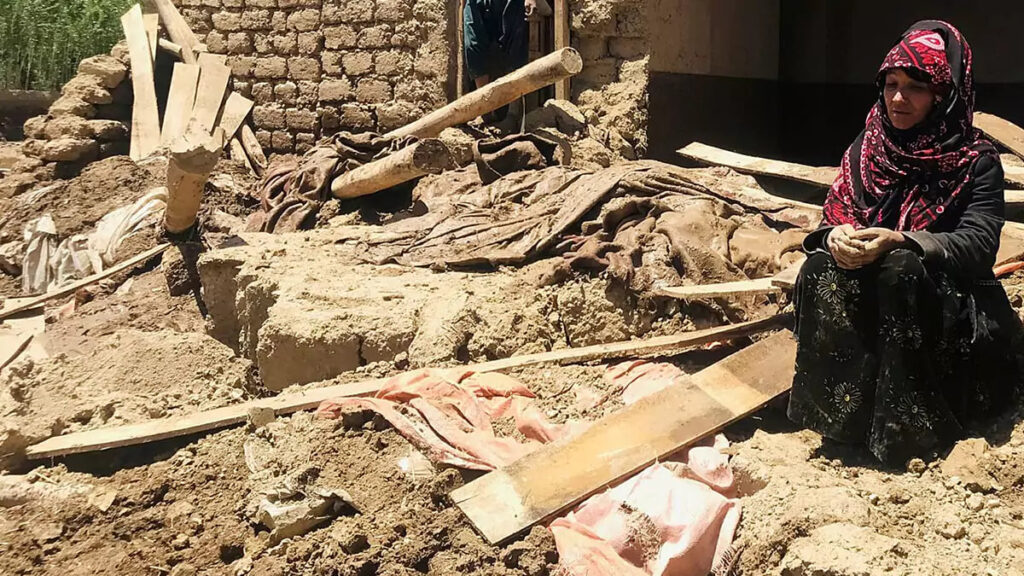
John Ayliffe, the World Food Programme’s Country Director in Afghanistan, has recently stated that women in Afghanistan are sacrificing their own health and nutrition to feed their children. In a message posted on his X account, Mr. Ayliffe wrote that Afghan mothers—especially female heads of households or those forced to do hard daily labor—are, under extremely difficult conditions, using their limited resources and compromising their own health to ensure their children are fed. In part of his message, he warned that four million children in Afghanistan are at risk of severe malnutrition this year, and without urgent intervention, their lives will be in danger. The WFP Country Director in Afghanistan further emphasized that malnutrition treatment centers in the country are limited, forcing many families to travel hundreds of kilometers to seek treatment for their children. He noted that economic hardship, water shortages, and lack of access to healthcare have intensified poverty and hunger. Mr. Ayliffe added that the international community must act urgently to provide food and medical assistance to prevent child deaths and irreversible harm. The United Nations World Food Programme has also warned that with the arrival of winter, levels of food insecurity in the country are likely to increase significantly. It is worth noting that following the return of the current authorities to power in Afghanistan, several international organizations announced that they had reduced their assistance in the country due to restrictions on the employment of female staff.

Read More


3 months ago - 132 Visits

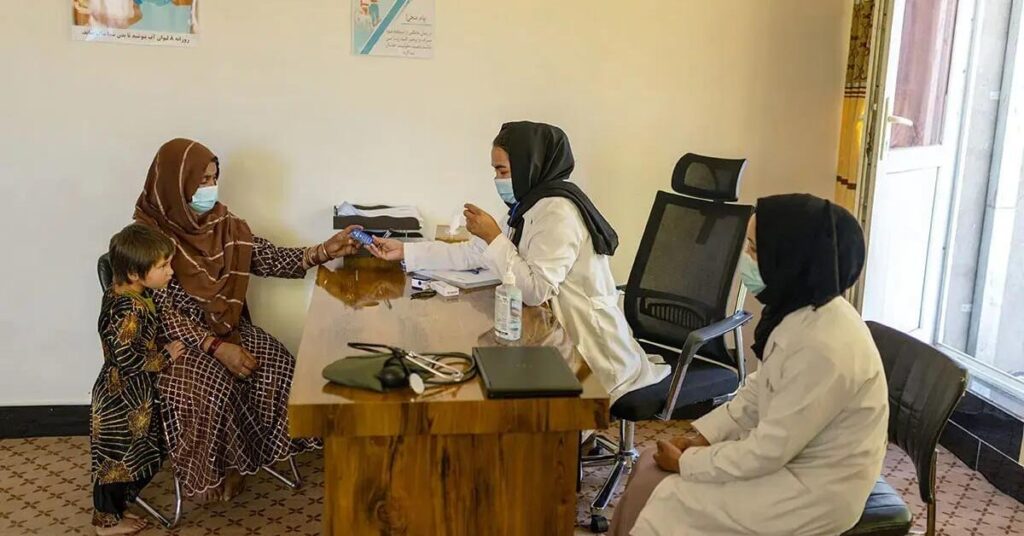
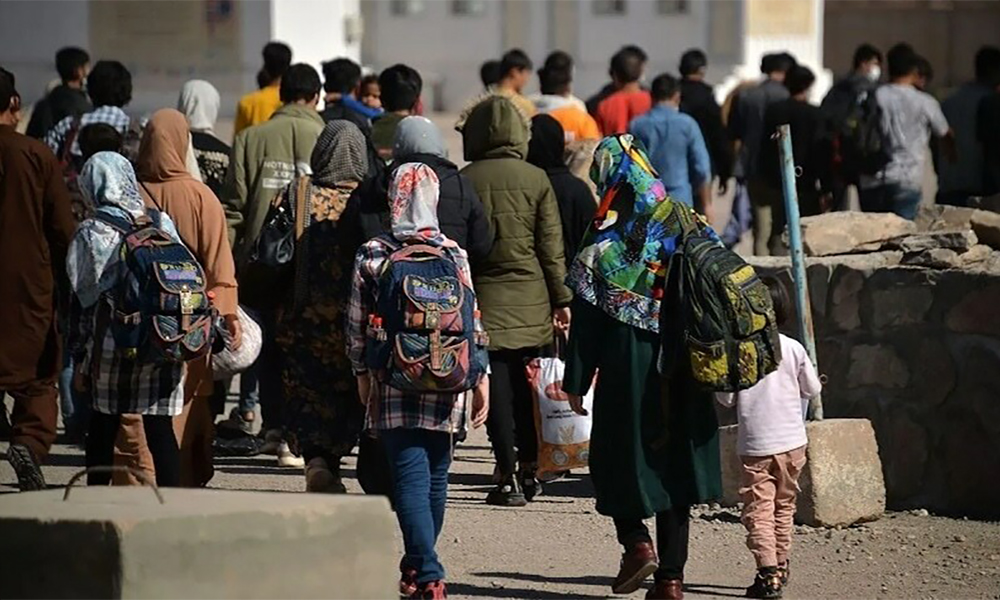
UNICEF, the United Nations Children’s Fund, has announced that Afghan women and girls are at the center of a systemic legal crisis—a crisis that, as a result of bans on education, widespread restrictions on women’s work, and strict laws, has increased serious protection risks for them and threatens the future of coming generations. In a report expressing concern over the worsening humanitarian crisis in Afghanistan, the agency said it will require USD 949.1 million in 2026 to meet the humanitarian and basic needs of 12 million people, including 6.5 million children, across the country. The report states: “It is a crisis in which women and children bear the greatest burden.” UNICEF further emphasized that in 2026, about 21.9 million people in Afghanistan, including 11.6 million children, will need humanitarian assistance. The report adds that the continuation of conflict, natural disasters, climate shocks, a fragile economy, and limited access to basic services have seriously hindered recovery after decades of war. According to the report, the protection crisis in the country is worsening, with women of reproductive age, children, youth, and marginalized groups facing increasing risks such as abuse, deprivation, and extreme poverty. UNICEF also pointed to underinvestment in the water and sanitation sector, noting that this situation, combined with climate change, has increased humanitarian needs and severely weakened community resilience, particularly for women and children. The agency stressed that securing this funding is essential to deliver life-saving assistance, provide basic services, and strengthen long-term community resilience. Without it, the future of millions of women and children in Afghanistan will be at serious risk. According to findings by the World Food Programme (WFP), female-headed households in Afghanistan have been more affected by the humanitarian crisis than others. Two-thirds of these households cannot afford even the most basic food items and are dependent on humanitarian assistance. The WFP has also reported that due to poverty and the economic crisis, more than 4.6 million mothers and children in Afghanistan are suffering from malnutrition. The agency has warned that food insecurity remains at critical levels and that malnutrition is likely to increase in the coming years.

Read More


3 months ago - 138 Visits

Sangah Siddiqi, a human rights activist, has recently announced that she has been nominated by a political party as a candidate for the Zoetermeer Municipal Council in the Netherlands. In a statement, Ms. Siddiqi said that her goal is to promote the meaningful role and participation of women in decision-making processes. Zoetermeer is located in the south of the Netherlands and has a population of more than 119,000. She emphasized that municipal councils in the Netherlands are local decision-making bodies responsible for approving urban policies and regulations, endorsing budgets, overseeing municipal performance, and conducting strategic urban planning, while representing citizens in local decision-making. The municipal council elections in Zoetermeer are scheduled to be held on (18 March). Ms. Siddiqi migrated from Afghanistan to the Netherlands 17 years ago and currently works at the Dutch Ministry of Finance. She has been nominated for the city council elections by the Democrats 66 (D66) party. Democrats 66 is considered the largest political party in the Netherlands, having won the parliamentary elections and expected to introduce its cabinet in the near future. Ms. Siddiqi says that her commitment to politics—especially regarding the meaningful role and participation of women at decision-making tables—is a serious and conscious choice. She believes that women, drawing on their lived experiences, sense of responsibility, and deep connection with society, can make politics more humane, fairer, and more accountable. She stressed that this candidacy is not merely a personal step, but an effort to strengthen the voices of women, people with migrant backgrounds, and all citizens who seek a just, open, and inclusive society based on equal opportunities. Sangah Siddiqi’s nomination comes at a time when the current authorities, following their takeover of Afghanistan, have deprived women and girls of education. In their most recent restriction, they closed the doors of medical institutes to girls and women, despite the nationwide shortage of healthcare personnel across Afghanistan. These measures by the current authorities have resulted in millions of school-age girls being deprived of education. In addition, women have been banned from attending sports clubs, restaurants, public bathhouses, being examined by male doctors, traveling without a male guardian (mahram), and working in domestic and international non-governmental organizations, as well as even at United Nations offices in Afghanistan.

Read More


3 months ago - 140 Visits

UNICEF, the United Nations Children’s Fund, has recently announced that it requires $949.1 million in funding in the current year to support 12 million people, including 6.5 million children, in Afghanistan. In a statement, the organization said that this funding will provide life-saving assistance and essential services to people in need. It will also address urgent humanitarian needs while strengthening the long-term resilience of communities, to ensure that every child in Afghanistan has the opportunity to survive and thrive. UNICEF further emphasized that the people of Afghanistan continue to face a range of interconnected crises—from natural disasters and a shrinking protection and support space to a fragile economy, limited access to basic services, and climate-change-related shocks—all of which have hindered recovery and reconstruction after more than four decades of war. The United Nations Children’s Fund noted that the protection crisis is intensifying, with women of reproductive age, children, youth, and marginalized groups facing increasing risks. The organization added: “Women and girls in Afghanistan are facing a structural rights crisis. Bans on secondary education and participation in the workforce, combined with severe restrictions on daily life, have increased protection risks and threaten the long-term resilience of society. The consequences of this situation will be felt for generations.” UNICEF said that as conditions worsen, its continued presence in Afghanistan is essential to deliver vital services and protect the most vulnerable. UNICEF also stated that out of 21.9 million people in Afghanistan who will require humanitarian assistance in 2026, 12 million are children. This comes as the United Nations Office for the Coordination of Humanitarian Affairs (OCHA) had previously requested $1.72 billion to assist vulnerable people in Afghanistan.

Read More


3 months ago - 124 Visits

UN Women has recently announced that in 2026 it will support women’s leadership across the world, pursuing this not merely as a promise but as a right. In a report published on its official X account, the organization wrote that UN Women is today a global force operating in 109 countries, providing a wide range of services to four billion women and girls. UN Women further emphasized that the organization plays the role of a global advocate and seeks to remove barriers to women’s participation in parliaments, peace tables, and other decision-making arenas. The organization also added in part of its report that its activities are focused on strengthening women’s leadership in all regions of the world, with the aim of bringing about change in the lives of women and girls and advancing gender equality at the international level. This comes as the United Nations speaks of upholding women’s rights while the current authorities, after taking control of Afghanistan, have deprived women and girls of education. Most recently, they have closed the doors of medical institutes to girls and women, despite the healthcare sector across Afghanistan facing a severe shortage of personnel. This action by the current authorities has resulted in millions of female students being deprived of education. In addition, women have been banned from going to sports clubs, restaurants, public bathhouses, being examined by male doctors, traveling without a male guardian (mahram), and working in domestic and international non-governmental organizations, as well as even in United Nations offices in Afghanistan.

Read More


3 months ago - 138 Visits

UN Women has recently announced that if the current situation continues, hundreds of millions of women and girls will still be living in extreme poverty by 2030. In a report, the organization stated that if conditions do not improve, around 351 million women and girls will remain in extreme poverty by 2030, and the world will fail to achieve the goal of gender equality. Part of the UN Women report notes that this situation is the result of insufficient investment and structural neglect of women’s rights; however, with the necessary investments and actions, improvement is still possible. UN Women further emphasized that by investing in closing the “gender digital divide,” more than 343 million women and girls could benefit, and 30 million people could be lifted out of poverty. The organization added that gender equality is the foundation of peace, development, and human rights, and must become a serious global priority. This criticism of the global situation of women comes as the current authorities, after taking control of Afghanistan, have deprived women and girls of education and schooling. In their latest restriction, they have also closed the doors of medical institutes to girls and women, despite the fact that the health sector across Afghanistan is facing a severe shortage of personnel. These actions by the current authorities have caused millions of female students to be deprived of education. In addition, women have been banned from going to sports clubs, restaurants, public bathhouses, being examined by male doctors, traveling without a mahram (male guardian), and working in domestic and international non-governmental organizations, as well as even United Nations offices in Afghanistan.

Read More