Author: رسانه‌ای گوهر شاد

2 months ago - 80 Visits

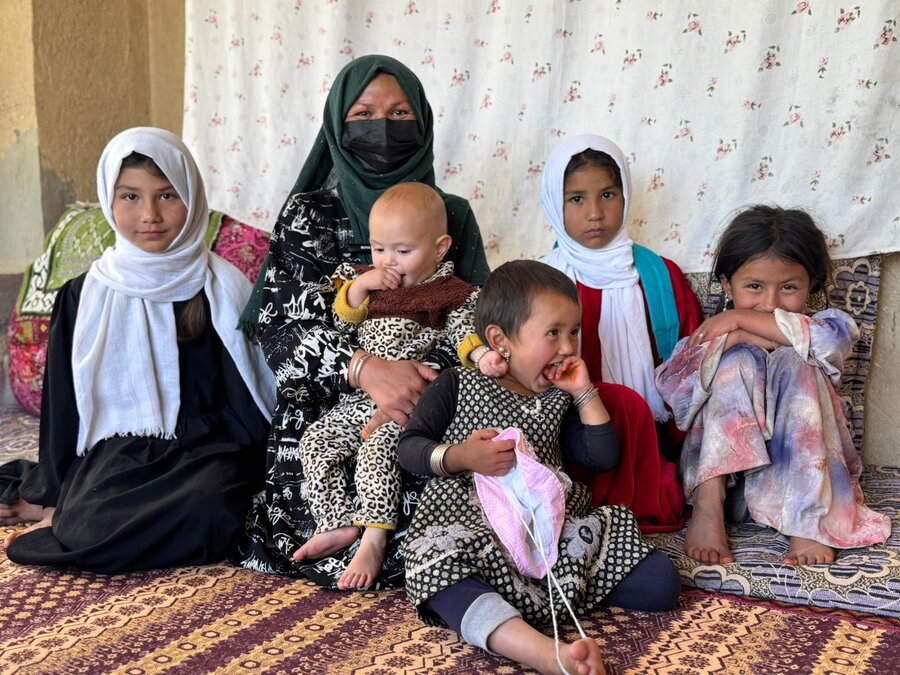
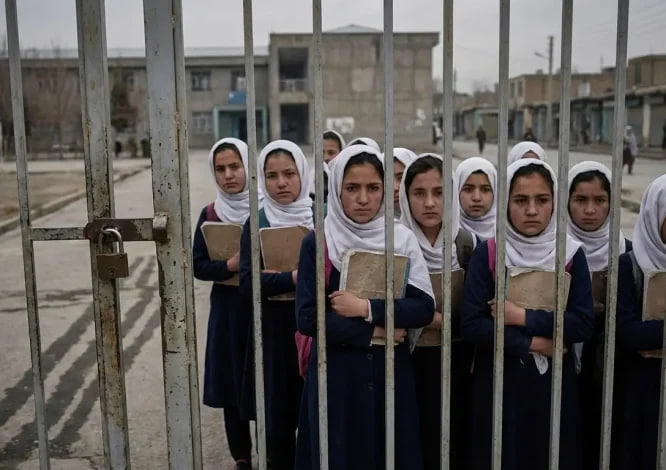
The Delegation of the European Union to Afghanistan has recently announced that by establishing community-based classes in villages across Afghanistan, it is expanding citizens’ access to educational services. On Tuesday (24 February), sharing the story of a classroom in a village in central Afghanistan on its X account, the organization wrote that before the establishment of the EU-supported class, residents of the village had no access to educational services. One of the village residents told the European Union that his children can now study in warm classrooms in their own village. He added that with the cash assistance he received from the EU, he is able to meet his family’s heating needs and provide warm clothing for his children. It is worth noting that the European Union has allocated millions of euros this year to support the expansion of educational services in underserved areas of Afghanistan. Through community-based classroom structures, it is facilitating access to education for citizens. It should be noted that tens of thousands of children and adolescents in remote parts of Afghanistan currently lack access to educational services due to the absence of formal educational centers or their long distance from such facilities. Poverty has also been cited as a major barrier preventing citizens from accessing education. While the European Union emphasizes the importance of education, the current authorities, after taking control of Afghanistan, have deprived women and girls of education. In their most recent restriction, they closed the doors of medical institutes to girls and women, despite the fact that the healthcare sector across Afghanistan faces a shortage of personnel. This action by the current authorities has left millions of schoolgirls deprived of education.

Read More


2 months ago - 106 Visits

The European Union Delegation has recently announced that it continues to support Afghan women and girls in various sectors to help them expand their businesses. Today (Monday, February 23), the EU shared the story of a young woman named Fariha on its X account. She received financial support from the “Innovative Women’s Savings Group” program funded by the European Union. With this assistance, she was able to expand her tailoring workshop. The European Union further emphasized that Fariha initially had only one sewing machine, but now she owns four machines, and 16 other women are working in her workshop. In part of the story, the EU Delegation noted that these women are expanding their businesses, creating job opportunities, and supporting their community. It is worth mentioning that the European Union and the United Nations Development Programme (UNDP), within the framework of the Women’s Economic Empowerment Program, are working to support local women-led small businesses to help women achieve economic self-reliance. While the European Union continues to support Afghan women’s businesses, the current authorities, after taking control of Afghanistan, have deprived women and girls of education. In their latest restriction, they closed the doors of medical institutes to girls and women, despite the fact that the healthcare sector across Afghanistan is facing a shortage of personnel. These measures have resulted in millions of female students being deprived of education. In addition, women have been banned from going to gyms, restaurants, and public bathhouses; from being examined by male doctors; from traveling without a male guardian (mahram); and from working in domestic and international non-governmental organizations, as well as even in United Nations offices in Afghanistan.

Read More


2 months ago - 54 Visits

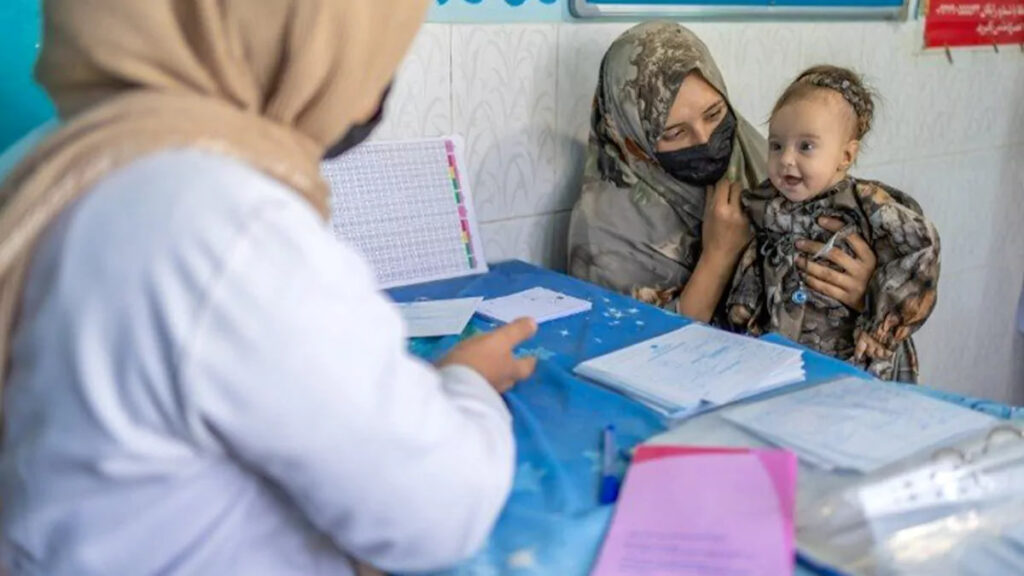
UNICEF, the United Nations Children’s Fund, has recently stated that investing in the early years of children’s lives can strengthen their brain development, health, and learning, and have a long-term positive impact on their lives. In a message published on its X account, the organization emphasized the importance of ensuring a secure future for children, stating that childhood “shapes their entire life.” The United Nations Children’s Fund further stressed that, for this reason, parents in six provinces of Afghanistan are participating in a 16-week child growth and development program. According to the statement, the program helps parents increase their self-confidence, strengthen their childcare skills, and create lasting positive changes at home. UNICEF added that supporting children’s growth and development in the early years of life lays the foundation for their physical and mental health, as well as their future academic success and overall life outcomes. This emphasis on investing in children’s early years comes at a time when children in Afghanistan face serious challenges, including poverty, child labor, limited access to education and healthcare services, security instability, and the consequences of ongoing conflicts that threaten their growth and well-being.

Read More


2 months ago - 99 Visits

UN Women has announced in the latest case that it is supporting Afghan refugee women who have returned from Iran and Pakistan in cooperation with the Government of Japan. The organization posted a statement on its X account today (Sunday, March 23) that $826,666 has been allocated to support women returnees. In part of its statement, UN Women emphasized that this initiative is trying to rebuild the lives of women returnees in Afghanistan. The statement states that these services will be provided to women and girls in eastern and southern Afghanistan. The UN further added: “This project will provide livelihood assistance and support and protection services through the creation of safe spaces for women, and will help maintain their dignity, ensure security and sustainable recovery.” International organizations have also reported that in 2025 alone, more than 2.5 million Afghan citizens returned from Iran and Pakistan, 42 percent of whom are women and children. Women and girls who are deported from Iran and Pakistan also face restrictions on education, work, and personal freedoms in Afghanistan. In addition, employment for men has also decreased sharply, and the Afghan people are facing a food crisis.

Read More


2 months ago - 116 Visits

Dutch media has reported that Forough Karimi, a Dutch author of Afghan descent, has won the "Dutch Booksellers' Prize" for the year 2026. The organizers of this award announced that Karimi's novel "I Carry Clouds in My Eyes" was selected as the year's outstanding work by a panel composed of booksellers. The jury described this novel as a "urgent, heartbreaking work with a well-considered structure," stating that Forough Karimi gives voice to refugees and is a capable storyteller. It is worth noting that "I Carry Clouds in My Eyes" is Karimi's third fictional work. The report indicates that the story revolves around a psychiatrist named Vida, who fled Kabul at the age of 15 and has built a new life in the Netherlands. According to available information, the Dutch Booksellers' Prize is awarded annually to an original Dutch-language book that booksellers believe deserves a wider audience. This prize includes not only a promotional campaign and a special edition but also, for the first time this year, a cash award of five thousand euros. It should be noted that Forough Karimi was born in Kabul in 1971. She left Afghanistan in 1996 at the age of 25 due to the war and sought refuge in the Netherlands. While Forough Karimi is being recognized with the Dutch Booksellers' Prize in 2026, the current government has deprived women and girls of education and learning opportunities since taking control of Afghanistan. Recently, they imposed further restrictions by closing medical institutions to girls and women, despite a nationwide shortage of healthcare personnel. This government's actions have resulted in millions of schoolgirls being denied education and learning opportunities. Additionally, women have been banned from going to sports clubs, restaurants, public baths, being examined by male doctors, traveling without a male guardian, and working in domestic and international NGOs, as well as even in UN offices in Afghanistan.

Read More


2 months ago - 103 Visits

The United Nations Special Trust Fund for Afghanistan has recently announced that, with a focus on empowering women and girls, it is creating opportunities for them to expand their own businesses and support their families. In a message posted on its X account, the organization stated that investing in skills and livelihoods plays a vital role in strengthening long-term resilience. It further noted that its support programs are being implemented in cooperation with partners for young people, women, and men to create employment opportunities and promote the development of economic activities. The UN Special Trust Fund emphasized in part of its message that supporting small businesses and creating job opportunities can contribute to social and economic growth and reduce families’ dependence on emergency assistance. While UN agencies are working to empower women and girls through self-employment initiatives, Afghanistan’s current authorities have severely restricted work opportunities for women and girls. Women and girls in Afghanistan are barred from working in many sectors, including even in some UN offices. However, small and medium-sized enterprises remain among the few opportunities still available to them. It should be noted that after taking control of Afghanistan, the current authorities deprived women and girls of access to education. In their latest restriction, they also closed the doors of medical institutes to girls and women, despite the fact that the healthcare sector across Afghanistan faces a severe shortage of personnel. This action has left millions of schoolgirls deprived of education. In addition, women have been banned from going to gyms, restaurants, public bathhouses, being examined by male doctors, traveling without a male guardian (mahram), and working in domestic and international non-governmental organizations, as well as even in UN offices in Afghanistan.

Read More


2 months ago - 105 Visits

The United Nations Development Programme (UNDP) has recently announced that despite widespread restrictions, women and girls in Afghanistan still want to work and are striving to support their families by starting businesses. In a report released on Monday (February 16), the organization stated that its assessments show women and girls, even under difficult conditions, are seeking support to establish or expand their economic activities. In part of the report, the United Nations emphasized that these aspirations align with its programs aimed at women’s economic empowerment and the creation of equal opportunities, demonstrating that women’s economic participation still holds strong potential for growth. The report notes that successful examples of women and girls’ entrepreneurship indicate that targeted investment and support can transform local knowledge and skills into sustainable economic activities. UNDP also stated that continuing this process could lead to increased employment, strengthened family livelihoods, and broader economic growth at the community level. It is worth noting that after returning to power, the current authorities first barred girls above the sixth grade from attending school. They later closed universities and medical institutes to women and girls. Over the past four years, despite global calls to respect the rights of women and girls, the current authorities have further intensified their restrictions. These measures have left millions of schoolgirls deprived of education. In addition, women have been banned from going to gyms, restaurants, and public bathhouses; from being examined by male doctors; from traveling without a male guardian (mahram); and from working in domestic and international NGOs, as well as even in United Nations offices in Afghanistan.

Read More


2 months ago - 95 Visits

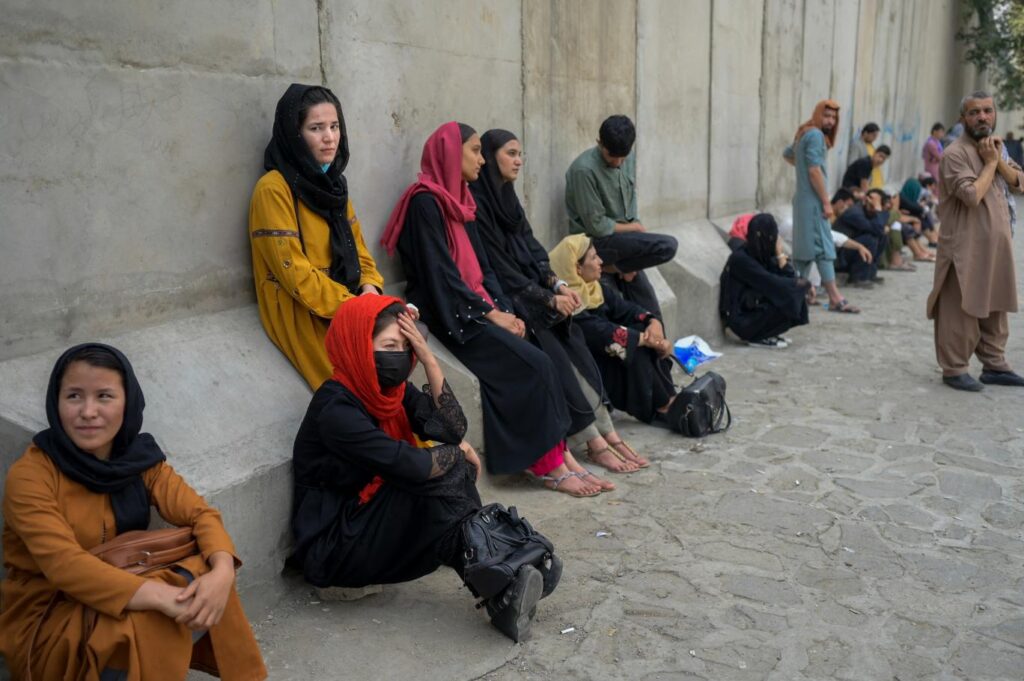
Wigah Moqarebi, an Afghan filmmaker, has organized a photo exhibition focusing on the situation of Afghan women, girls, and children in Istanbul. In a statement, Ms. Moqarebi said that the aim of the exhibition is to reflect the realities of life in Afghanistan—particularly the conditions faced by women and girls—to international audiences. She further emphasized that the photographs on display portray the lives of women in rural areas and depict how they work and strive outside their homes. The exhibition opened at the Istanbul Design Center and will run from February 14 to 21. It is worth noting that Ms. Moqarebi had previously held her second short film festival in Turkey as well. At the same time, a combined exhibition titled “Lighting the Shadows – Women of Afghanistan” has also opened at the Nobel Peace Center in Oslo—an exhibition dedicated to portraying the situation of Afghan women. These events are being held as the human rights situation in Afghanistan, particularly for women, continues to deteriorate. It is noteworthy that after returning to power, the current authorities first barred girls above the sixth grade from attending school. They later closed universities and medical institutes to women and girls. Over the past four years, despite global calls to respect the rights of women and girls, the current authorities have further intensified their restrictions. These measures have left millions of schoolgirls deprived of education. In addition, women have been banned from going to gyms, restaurants, and public bathhouses; from being examined by male doctors; from traveling without a male guardian (mahram); and from working in domestic and international NGOs, as well as even in United Nations offices in Afghanistan.

Read More


2 months ago - 79 Visits

The delegation of the European Union has recently stated that combating child marriage and gender-based violence requires a change in attitudes. The EU’s humanitarian aid and civil protection department wrote yesterday (Sunday, February 16) in a post on its X account that men must also be part of changing attitudes toward child marriage. Quoting one of its volunteer partners in Bangladesh, the European Union stated that marriage under the age of 18 is physically and psychologically harmful for girls. Underage and forced marriages claim many victims in less-developed countries such as Afghanistan, Pakistan, and Bangladesh. It is worth noting that although underage and forced marriages have existed in Afghanistan in the past, they have intensified over the past four years, particularly following the ban on girls’ education. Due to poverty, some families in Afghanistan force their daughters into marriage before reaching the legal age and without their consent. It should also be noted that after taking control of Afghanistan, the current authorities deprived women and girls of education. In their most recent restriction, they closed the doors of medical institutes to girls and women, despite the fact that the healthcare sector across Afghanistan is facing a shortage of personnel. This action by the current authorities has left millions of schoolgirls deprived of education. In addition, women have been banned from going to gyms, restaurants, and public bathhouses; from being examined by male doctors; from traveling without a male guardian (mahram); and from working in domestic and international non-governmental organizations, as well as even in United Nations offices in Afghanistan.

Read More


2 months ago - 108 Visits

The United Nations has recently announced that the United Nations Development Programme (UNDP), with financial support from the European Union, is helping women in Afghanistan achieve economic self-sufficiency. UNDP Afghanistan shared today (Monday, February 16) on its X account the story of a woman from Badakhshan who, after receiving a loan from the organization, was able to establish a tailoring workshop and create job opportunities for seven other women. Masouma, the woman who received the assistance, told UNDP: “I took a loan, bought machines, and hired seven other employees.” UNDP further emphasized that through her tailoring workshop, Masouma is stitching a path toward self-reliance for the women gathered around her. The organization added that by improving women’s access to financial services and supporting the growth of women-led businesses in local communities, it promotes their economic empowerment. According to United Nations statistics, 88 percent of female-headed households do not have access to their basic needs, and only seven percent of women are employed outside the home. UNDP stated that under these difficult circumstances, it focuses on practical and community-based solutions to strengthen family livelihoods. It is worth noting that Afghanistan has continuously faced a severe food insecurity crisis in recent years—a crisis that has disproportionately affected women and children. Based on United Nations data, 75 percent of Afghanistan’s population faces food insecurity, and 21.9 million people in the country require humanitarian assistance this year.

Read More