Author: رسانه‌ای گوهر شاد

4 months ago - 129 Visits

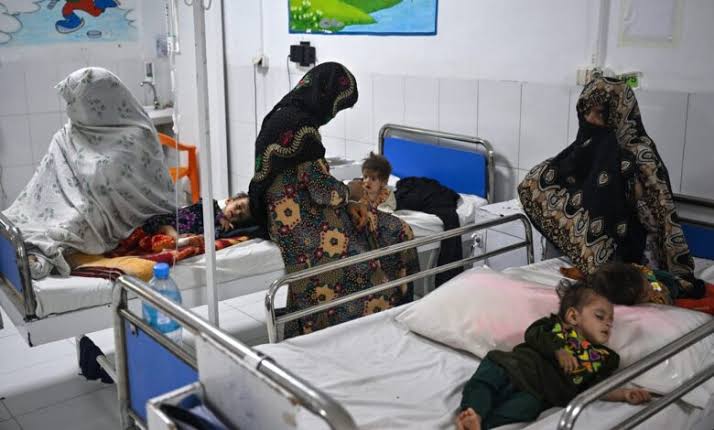
The International Organization for Migration (IOM) has recently stated that people in Afghanistan continue to face challenges in accessing health services. In a message published today (Wednesday, Dec 31) on its X account, the organization wrote that in 2025 alone, around 508,431 health consultations were provided for returnees, internally displaced persons, and vulnerable families. The IOM further emphasized that this support included general health services, mental health counseling, and psychosocial assistance. The statement added that 64,947 women benefited from health services over the past year, and more than 91,000 children were screened for malnutrition. The organization also noted that over 48,000 people received mental health counseling and psychosocial support. It is worth noting that after taking control of Afghanistan, the current authorities deprived women and girls of education. In their latest restriction, they closed medical institutes to women and girls, while the health sector across Afghanistan is facing a severe shortage of personnel. This action by the current authorities has resulted in millions of female students being deprived of education. In addition, women have been banned from going to gyms, restaurants, public baths, being examined by male doctors, traveling without a male guardian, and working in domestic and international non-governmental organizations, as well as even United Nations offices in Afghanistan. The imposition of these restrictions has had a direct impact on the country’s health sector. These limitations have further restricted access to health services and will have serious consequences for public health, particularly for mothers and children. International organizations have repeatedly warned about the shortage of female healthcare workers in Afghanistan, stating that restrictions on women’s education at universities have paralyzed the country’s health sector.

Read More


4 months ago - 142 Visits

UNICEF, the United Nations Children’s Fund, has recently stated that every child has the right to “dream, play, and grow” in a safe environment. In a message published on its official X account, the organization wrote that UNICEF-supported safe spaces in Afghanistan not only protect children but also provide essential psychosocial support services. According to available reports, children in Afghanistan face serious challenges due to widespread poverty, ongoing humanitarian crises, restrictions on education, and limited access to healthcare services. As a result, many of them are growing up in high-risk environments. Meanwhile, the United Nations Children’s Fund had previously reported that in 2026, more than 11 million children in Afghanistan will require humanitarian assistance. According to the report, the current conditions have placed women, pregnant mothers, children, youth, and marginalized groups at greater risk than ever before. The World Food Programme had earlier announced that Afghanistan ranks fourth globally in terms of acute child malnutrition. Currently, around five million mothers and children are suffering from malnutrition, and the crisis continues to worsen. Statistics also indicate an increase in hunger compared to last year, with an additional three million Afghans now facing acute food insecurity.

Read More


4 months ago - 159 Visits

Local sources in Kapisa province say that the United Nations World Food Programme (WFP) has dismissed 41 female employees in the province due to a lack of funding. At least two sources, confirming the issue, said: “These women were working in the health sector, especially in nutrition. All of them have been dismissed. They were told there is no budget.” The source further emphasized that all staff of the nutrition sector (TSFP) at health centers in Kapisa province were suddenly dismissed without prior notice. The source added that this decision has caused economic hardship for the dismissed employees and serious concern among local residents. Another source also said that nutrition services—especially for children suffering from malnutrition and for pregnant and breastfeeding women—are a vital necessity. The sources stressed that the suspension of these services in deprived areas could have dangerous consequences for people in different regions and would limit access to essential healthcare services. This comes as the United Nations World Food Programme has repeatedly expressed concern over the rising number of mothers and children suffering from malnutrition, stating that food insecurity and malnutrition in Afghanistan are worsening at an alarming rate. According to United Nations statistics, nearly 23 million people in Afghanistan are in urgent need of food assistance. Meanwhile, UN agencies have repeatedly warned that women and girls suffer the most from the humanitarian crisis due to cultural restrictions and Taliban policies.

Read More


4 months ago - 119 Visits

Gholamhossein Mozaffari, thژe governor of Razavi Khorasan, has recently claimed that the money of Afghan citizens residing in Iran is an asset for the country. He suggested that instead of allowing this liquidity to leave Iran, it should be directed toward purchasing Iranian goods and boosting exports to Afghanistan. Mr. Mozaffari made these remarks in an interview with the Daneshjoo News Agency, and also reported on Iran’s direct talks with Afghanistan’s caretaker government aimed at expanding trade. He further emphasized: “Through direct talks at the border and by hosting officials from neighboring countries, we have resolved many long-standing border issues to pave the way for trade.” The Islamic Republic official stated that while Iran’s overall exports in the first six months of the current year recorded negative growth, Razavi Khorasan achieved a 36 percent increase in exports. He also echoed remarks by other Iranian officials, saying that Iran’s exports to Afghanistan exceed the country’s total exports to Europe. This comes after Abbas Araghchi, Iran’s foreign minister, said a few days earlier that Iran’s trade volume with Afghanistan is greater than its trade with the whole of Europe. The governor of Razavi Khorasan made these statements at a time when Iran, following the 12-day war with Israel, has carried out large-scale forced deportations of Afghan migrants.

Read More


4 months ago - 342 Visits

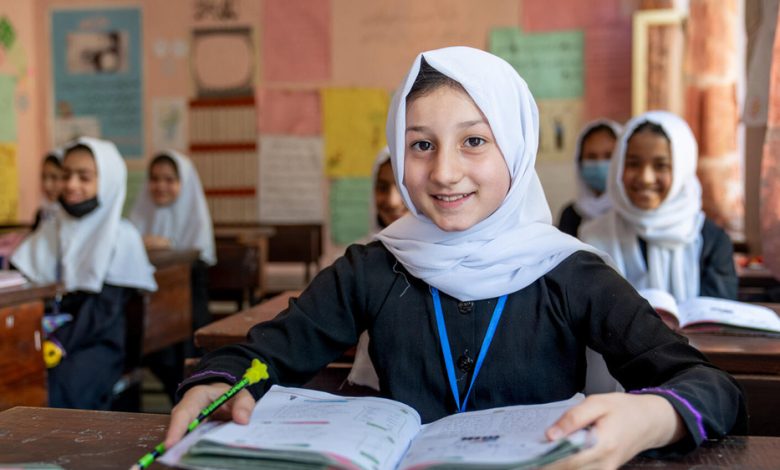
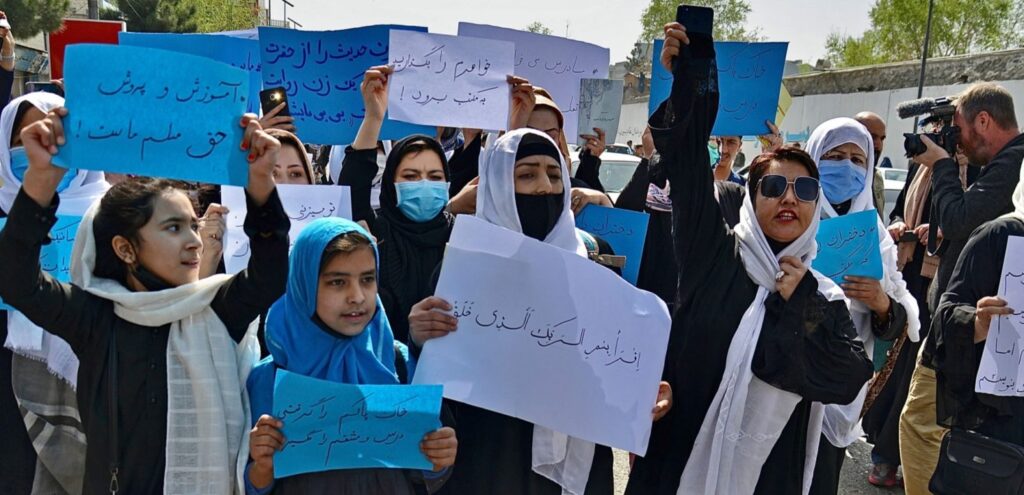
The United Nations has recently stated that every day, women and girls face rights violations that threaten their dignity, security, and well-being. In a message published today (Sunday, 28 December) on its X account, the organization wrote that the rights of women and girls must be respected everywhere. In part of its message, the United Nations emphasized that it will continue its activities worldwide to deliver services, support, and protection for the rights of women and girls. While the United Nations stresses its support for women’s and girls’ rights, women and girls in Afghanistan have been deprived of their most basic rights—including the right to education and work—since the takeover by the caretaker government. According to published reports, cases of forced marriage, underage marriage, and violence against women have increased over the past four years. In addition, many women and pregnant mothers in remote areas do not have access to health services. Since coming to power, the current government has barred women and girls from education and schooling. Most recently, it closed the doors of medical institutes to girls and women, despite the health sector across Afghanistan facing a severe shortage of personnel. This action by the current government has resulted in millions of school-aged girls being deprived of education. Moreover, women have been banned from going to sports clubs, restaurants, public baths, being examined by male doctors, traveling without a male guardian (mahram), and working in domestic and international non-governmental organizations, as well as even in United Nations offices in Afghanistan.

Read More


4 months ago - 188 Visits

The World Health Organization (WHO) has recently stated that women and mothers around the world need high-quality health care that supports them physically and mentally before childbirth, during delivery, and after birth. In a statement published on its X (formerly Twitter) account, the organization said that health systems must evolve to address the multiple challenges related to maternal and newborn health. According to part of the WHO report, these challenges include direct obstetric complications, mental health disorders, non-communicable diseases, and family planning. The World Health Organization further emphasized that investing in maternal and newborn health helps improve their quality of life. These remarks come at a time when Afghanistan’s health system has been severely damaged, and access to health services—especially for women and pregnant mothers—has significantly declined. The lack of medical specialists, particularly in women’s health, the absence of health centers in remote and conflict-affected areas, have been cited as some of the main factors contributing to maternal deaths during childbirth in Afghanistan. Following the return of the interim government and the closure of schools and universities to girls, concerns have increased over a shortage of medical staff across Afghanistan. At the same time, international organizations have repeatedly warned that the current maternal mortality rate in Afghanistan is among the highest in the world and have expressed concern about the further deterioration of the situation.

Read More


4 months ago - 130 Visits

The United Nations Development Programme (UNDP) has recently announced that despite widespread crises and challenges in Afghanistan, women and girls in the country witnessed notable achievements and progress in 2025. In a video posted on its X (formerly Twitter) account to mark the New Year, the organization stated that over the past year, Afghanistan has seen not only ongoing crises but also valuable achievements and successful businesses. The organization further emphasized that during the past year in Afghanistan, health centers have been activated, farms have improved, women’s and girls’ businesses have grown, and families have returned to their homes. UNDP added that during this period, children were able to access safe drinking water without concern, and both men and women received quality treatment for diseases such as malaria and tuberculosis. The United Nations Development Programme also expressed hope that 2026 will be a meaningful and promising year for the people of Afghanistan. In recent years, following bans and restrictions on women’s employment in many sectors, women and girls have been forced to turn to small and medium-sized businesses to meet their basic living needs. This comes as UNDP had previously announced that it has supported 89,000 businesses across Afghanistan, the majority of which are managed by women. Meanwhile, after taking control of Afghanistan, the current authorities have deprived women and girls of education and schooling. Most recently, they closed the doors of medical institutes to girls and women, despite the nationwide shortage of healthcare personnel. These actions by the current authorities have resulted in millions of female students being denied access to education. In addition, women have been barred from attending sports clubs, restaurants, public bathhouses, being examined by male doctors, traveling without a male guardian (mahram), working in domestic and international non-governmental organizations, and even in United Nations offices in Afghanistan.

Read More


4 months ago - 163 Visits

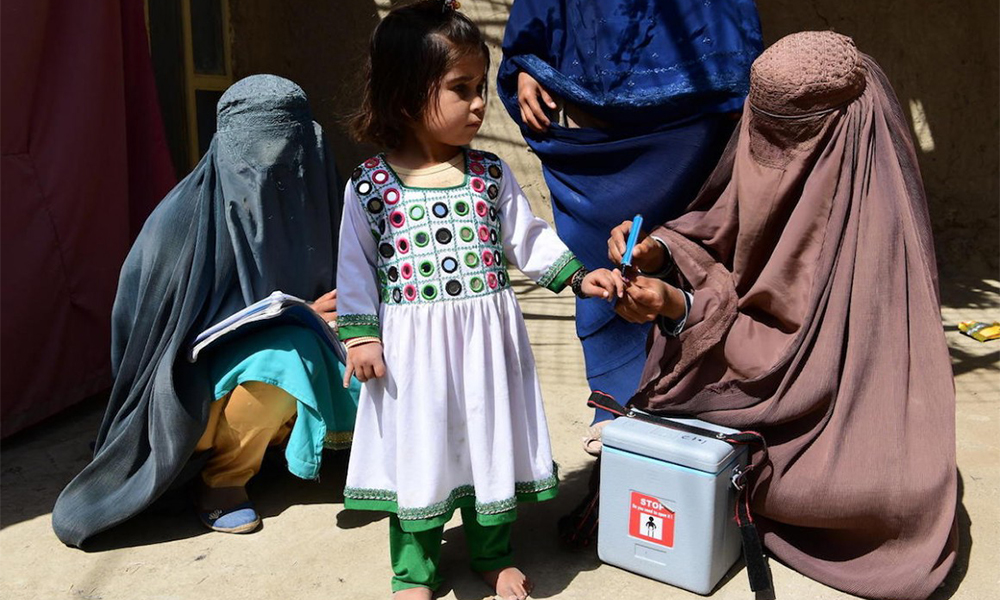
The “Polio-Free Afghanistan” initiative has recently stated that vaccinating children, including administering the polio vaccine, is vital to protect them from dangerous diseases. In a post on its X (formerly Twitter) account, the organization wrote that even in developed countries, children receive all essential vaccines, as this is crucial to ensuring a healthy future for them. The “Polio-Free Afghanistan” initiative also called on parents to fully vaccinate their children so they can be protected against dangerous diseases, including polio. It is worth noting that the organization had previously warned that children returning from Pakistan should receive the polio vaccine at border crossings, as positive polio cases have increased in that country. Afghanistan and Pakistan remain the only two countries in the world where cases of polio are still being reported. It should also be noted that polio eradication has been a global health goal for decades. Widespread vaccination since 1988 has significantly reduced polio cases, but the virus has not yet been completely eliminated. In 2025, around 36 confirmed cases of the poliovirus were recorded in Afghanistan and Pakistan, the two countries where the disease remains endemic. Meanwhile, 149 cases of so-called “vaccine-derived polio” have been reported in countries including Nigeria. This type occurs when vaccinated children shed the virus, which, after mutating, can spread among unvaccinated populations. Despite this risk, global health authorities emphasize that continued vaccination and careful surveillance are the key to definitively ending this disease.

Read More


4 months ago - 143 Visits

The United Nations Human Settlements Programme (UN-Habitat) has recently announced that improving practical and effective access to health services for women and girls is key to reducing maternal and child mortality in Afghanistan. In a post published on its X (formerly Twitter) account, the organization stated that every year a large number of women in Afghanistan lose their lives due to the lack of adequate healthcare facilities, even though many of these deaths are preventable. UN-Habitat also emphasized in part of its message that, with the support of the Japan International Cooperation Agency (JICA), it is renovating the “Jannat Gul Khan” health center in eastern Kabul to increase women’s and families’ access to preventive and curative healthcare services. It is worth noting that Afghanistan’s healthcare system has depended on foreign aid for decades. The lack of medical specialists—especially in women’s health—the absence of health centers in remote and conflict-affected areas are cited as some of the main factors contributing to maternal deaths during childbirth in Afghanistan. Following the return of the caretaker government and the closure of schools and universities to girls, concerns have increased over the shortage of medical staff across Afghanistan. Meanwhile, international organizations have repeatedly warned that Afghanistan’s current maternal mortality rate is among the highest in the world and have expressed concern about a further deterioration of the situation.

Read More


4 months ago - 130 Visits

Noor Jalal Jalali, the Acting Minister of Public Health of Afghanistan, has told an Indian media outlet that providing healthcare services without the presence of female staff in medical facilities across Afghanistan is impossible. Mr. Jalali made these remarks during his visit to India in an interview with the Indian network WION, stating that midwives and specialist doctors have been recruited to provide services to women and children, especially in rural areas. He further emphasized: “Women make up half of Afghanistan’s society, and without female health workers, the delivery of medical services is not possible. In Afghanistan’s health sector, a large number of female staff are employed, including midwives and specialist doctors. We are working to expand health services for women and children in remote areas of Afghanistan.” However, restrictions on women’s presence in some healthcare facilities and the shortage of female health workers in various provinces remain among the major challenges facing Afghanistan’s healthcare system, hindering the full delivery of health services to women and children. The Minister of Public Health also expressed appreciation for India’s “long-term and sustained” support to Afghanistan’s health sector, describing India as one of Afghanistan’s key and people-centered partners in healthcare services, medical education, and humanitarian assistance. He further noted that over the past decades, many Afghans have traveled extensively to India for the treatment of complex and specialized diseases, and described India’s medical visa as “a vital humanitarian pathway” for Afghan patients. Noor Jalal Jalali also stated that India is currently constructing a 30-bed hospital in the Bagrami area of Kabul, which will include a cancer treatment center, a trauma center, and five specialized clinics for women’s health and maternity care. According to him, the Indira Gandhi Children’s Health Hospital is considered one of the largest and most important pediatric treatment centers in Afghanistan, and officials of the current government have previously requested the Indian mission in Kabul to further strengthen the hospital’s infrastructure.

Read More