Author: رسانه‌ای گوهر شاد

2 weeks ago - 75 Visits

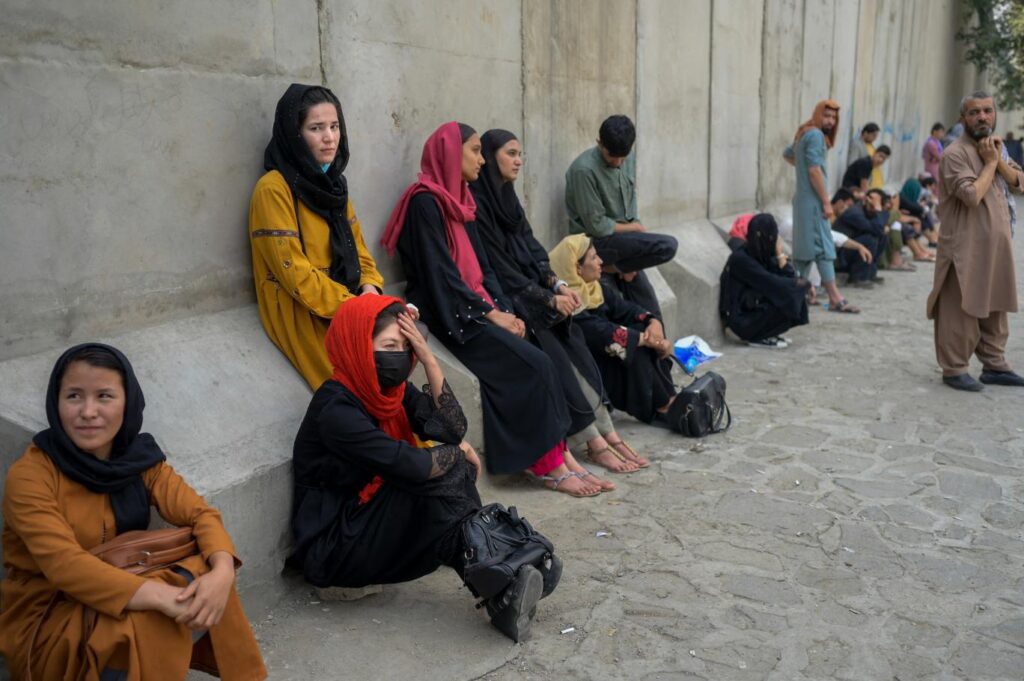
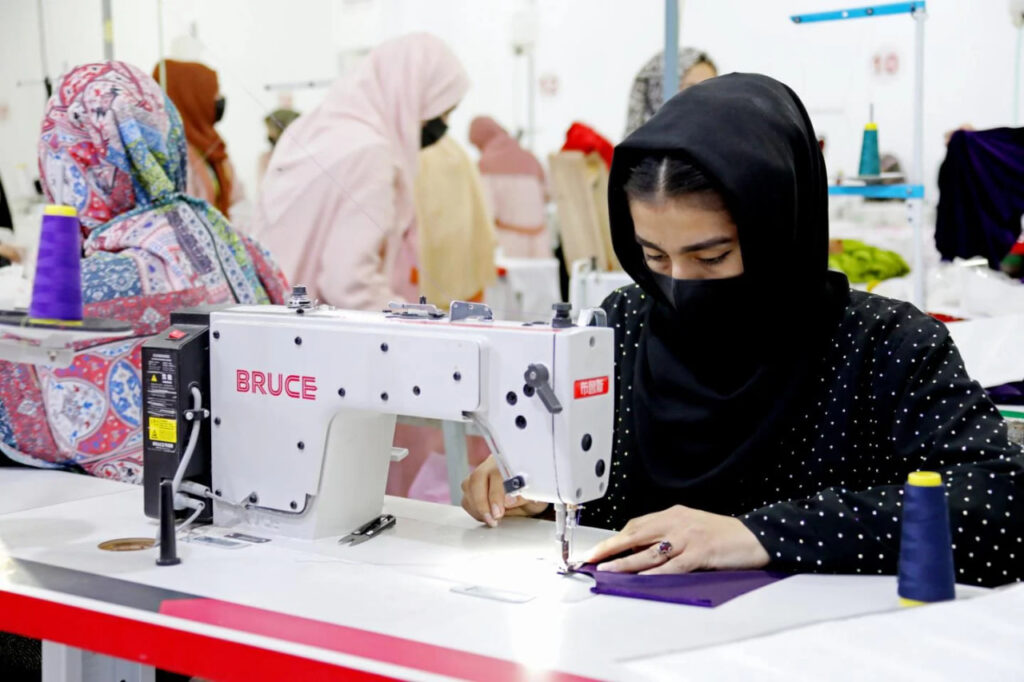
UNICEF, the United Nations Children's Fund, has recently warned that ongoing restrictions on girls' education and women's work in Afghanistan could lead to a shortage of over 25,000 female teachers and health workers in the country by 2030. In a report published today (Tuesday, April 28), the organization stated that these restrictions are currently depriving children of education and health services and negatively impacting the economy and essential services. The report noted that over one million girls have been deprived of their right to education since the ban on secondary education was imposed by the interim government in 2021, and if this situation continues, this number could rise to over two million by 2030. The report highlights that Afghanistan is facing a dual crisis; on one hand, it is losing skilled female professionals, and on the other hand, the opportunity to train a new generation to replace them is limited. UNICEF further stated that by 2030, approximately 20,000 female teachers and 5,400 female health workers may be lost. The report also mentioned that the reduction in the number of female health workers could limit women's access to healthcare services, particularly in maternal and child health. UNICEF emphasized that the restrictions on women's education and work are causing an annual loss of about $84 million to Afghanistan's economy. While UNICEF criticizes the current government's restrictions, it is important to note that since taking control of Afghanistan, the government has deprived women and girls of education and schooling. In its latest restriction, it closed the doors of medical institutes to girls and women, even as the health sector across Afghanistan faces a personnel shortage. This government's action has resulted in millions of female students being unable to continue their education. Additionally, women have been banned from going to sports clubs, restaurants, public baths, being examined by male doctors, traveling without a male guardian, and working in domestic and international NGOs as well as in UN offices in Afghanistan.

Read More


2 weeks ago - 69 Visits

Hamid Karzai, the former president of Afghanistan, condemned Pakistan's recent attacks on targets in Afghanistan, including the Syed Jamaluddin Afghan University in Kunar, stating that he views these attacks as "part of Pakistan's policy to destroy the roots of education and development in Afghanistan." In a message posted on his X account, Mr. Karzai noted that previous attacks by Pakistan had already deprived students in the village of "Brekot" in the Nari district of Kunar province of their education. The former president emphasized: "I urge the United Nations to seriously investigate, condemn, and promptly stop Pakistan's military attacks on our people, land, and national facilities." It is worth mentioning that local officials of the caretaker government in Kunar province have confirmed that Pakistan targeted the university in this province and other sites in its center and some districts with rocket attacks. Local officials reported that at least seven people were killed and 75 others, including 30 students, were injured in these attacks. The Ministry of Higher Education also confirmed the attack on Kunar University, stating that it caused extensive damage to the building and environment of the university. As of now, the identities and genders of the victims and the injured have not been disclosed. This comes as border clashes between the two sides have continued for two months. However, the intensity of these clashes has decreased in recent days. The United Nations had reported that more than 70 civilians had lost their lives in the first two weeks of border clashes in eastern Afghanistan.

Read More


2 weeks ago - 73 Visits

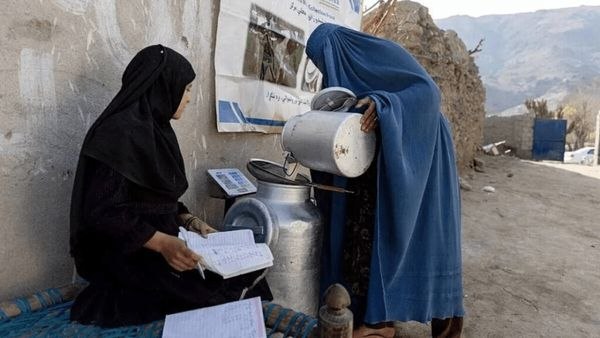
The World Health Organization (WHO) has recently stated that the commitment of mothers can play a crucial role in saving children's lives in Afghanistan. In a message posted on its X account, the organization emphasized the importance of children's access to vaccinations. The WHO highlighted "Goljan," one of the mothers, as an example who, despite the long distance to a health center, has made efforts to fully vaccinate her child. The organization further stressed that many mothers in Afghanistan, despite challenges such as distance, poverty, and limited access to health services, continue to strive for the health of their children. This comes at a time when access to health services in parts of Afghanistan remains limited, and international organizations have repeatedly emphasized the need to expand vaccination programs, especially for children. The distance from health centers in Afghanistan has resulted in many children and women being deprived of lifesaving health services; a situation that has made Afghanistan one of the deadliest countries for women and children. The United Nations has consistently highlighted the importance of ongoing international cooperation to strengthen Afghanistan's health system and provide essential services to those in need. It is worth noting that Afghanistan is among the countries facing high maternal and infant mortality rates. The lack of healthcare facilities, limited access to specialized training, and the significant distance from villages to treatment centers pose serious challenges in providing services to pregnant mothers. In many areas, women give birth at home or in small clinics, and midwives often work with minimal resources and without immediate access to specialized guidance.

Read More


2 weeks ago - 88 Visits

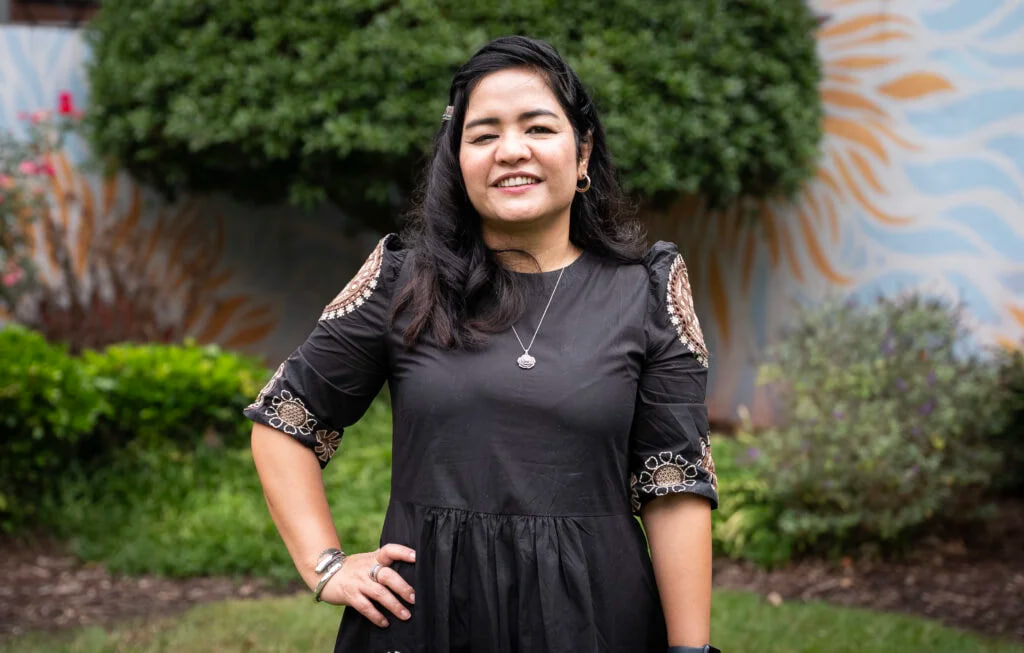
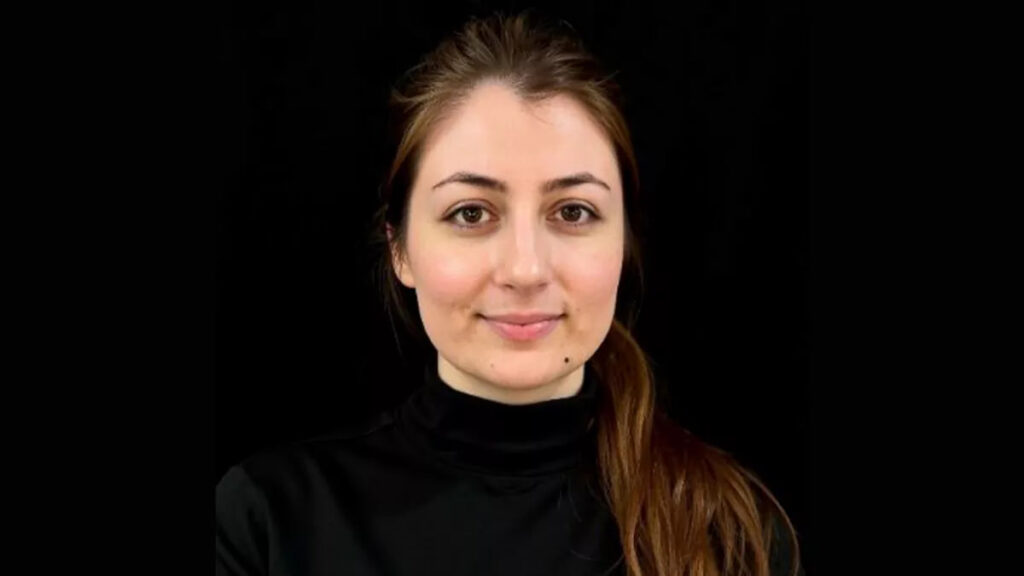
Suraya Mohammadi, an advocate for girls' education and a survivor of the attack on the Seyed al-Shuhada girls' school in western Kabul, has won the "Women Changing the World" award among more than 1,500 nominees from 97 countries. A statement announced that the final results of this program were revealed during the Global Women Changing the World Awards ceremony in Paris, France. The statement mentioned that this award is given to women who, despite structural barriers, create meaningful changes in their communities through leadership, innovation, human rights advocacy, and social impact. Suraya Mohammadi, a survivor of the devastating suicide attack on Seyed al-Shuhada girls' school in western Kabul in 2021, stated that her experience of losing friends in that attack transformed her perspective on education and social justice. This education advocate emphasized that her activities primarily focus on girls' education, literacy, and raising awareness about women's rights. Additionally, Suraya Mohammadi has previously received the PACEY award for youth initiatives, participated in the "International Week of Prayer for Global Peace" as a representative of Afghan Muslims, and was awarded the Wilson Hinkes Peace Prize for her work in girls' education. She has received this award at a time when the current government, after taking control of Afghanistan, has deprived women and girls of education and learning opportunities. In its latest restriction, it has closed medical institutes to girls and women, despite the healthcare sector across Afghanistan facing a shortage of personnel. This government's actions have resulted in millions of schoolgirls being denied education and learning opportunities. Furthermore, women have been banned from going to sports clubs, restaurants, public baths, being examined by male doctors, traveling without a male guardian, and working in domestic and international NGOs, as well as even in United Nations offices in Afghanistan.

Read More


2 weeks ago - 83 Visits

The Barcelona City Council in Spain has expressed concern over the situation of the Hazara people in Afghanistan by passing a resolution and has urged the international community to take immediate action to protect civilians and prevent escalating violence. In a statement, the council highlighted the ongoing humanitarian crisis in Afghanistan, systematic human rights violations, and extensive restrictions on fundamental freedoms, particularly against women, girls, and minorities. The Barcelona City Council stated that the persistent pattern of violence against the Hazara people could be assessed under international law as serious international crimes, including crimes against humanity and the risk of genocide. Part of the council's statement condemned all forms of violence based on ethnic and religious identity against the Hazara people and emphasized the need to end the ipunity of the perpetrators of this violence. The statement noted that the international community has a responsibility to take immediate action to prevent the continuation of this situation and to protect civilians. Additionally, the Barcelona City Council underscored the right of victims to access truth, justice, reparations, and guarantees of non-recurrence, and expressed its support for Hazara refugees. The council called on international organizations to establish or strengthen independent mechanisms for investigating and documenting crimes against the Hazara people, to hold perpetrators accountable in international judicial bodies, and to take urgent measures to prevent further violence. The council has urged the United Nations and the European Union to play a more active role in protecting civilians and supporting human rights in Afghanistan. The Barcelona City Council emphasized that defending human dignity, justice, and protecting vulnerable minorities is part of the city's commitments, and ignoring this situation could lead to the repetition of irreparable tragedies.

Read More


3 weeks ago - 54 Visits

The Badghis governor's office has recently announced that five girls lost their lives and two others were injured due to a landslide in the center of this province. In a statement, the governor's office reported that the incident occurred around 3:30 AM today (Saturday, April 25) in the "Baghak" area of Qala-e-Naw, the capital of the province. The Badghis governor's office further emphasized that four of the victims were minors, and one was a young adult. Additionally, Afghanistan National Television reported that the victims were aged between five and 17 years old. The media outlet noted that four of them were members of the same family. Just a few days ago, five people also lost their lives in Badghis due to flooding. It is worth mentioning that in the past month, multiple similar incidents have been reported from various provinces of the country following heavy rainfall. The rain and resulting floods during this period have caused significant casualties and damage to residents in different provinces. According to current government statistics, at least 214 people have died in natural disasters during this time, and over 300 others have been injured.

Read More


3 weeks ago - 66 Visits

Tajuddin Ivali, the UNICEF representative in Afghanistan, stated that 12 million children received the polio vaccine last year. Mr. Tajuddin wrote today (Saturday, April 25) on his X account that with this figure, 98% of children were covered. He further emphasized that over 16 million people received the measles vaccine. Part of the announcement from the UNICEF representative stated: "1.6 million doses of Pentavalent-3 have been administered." Additionally, a few days ago, the Ministry of Public Health of the interim government and international organizations launched the first round of the polio vaccination campaign in 32 provinces for the year 2026. Afghanistan and Pakistan are the countries where polio has not been completely eradicated. It is worth noting that in 2025, nine positive cases of poliomyelitis were recorded in Afghanistan, but so far this year, no new cases have been reported. The World Health Organization has also warned that until polio is completely eradicated globally, Afghanistan remains at risk of international virus transmission, and collaboration with global programs and coordination with Pakistan to vaccinate populations in border areas is essential. This organization has raised concerns about the increased risk of vaccine-derived viruses (cVDPV) in some regions of the world and emphasized that widespread vaccination and continuous monitoring are the only ways to prevent further outbreaks of the disease.

Read More


3 weeks ago - 78 Visits

The World Food Programme has issued a warning regarding the increase in hunger and malnutrition in Afghanistan, stating that the future of the country's children is at risk. In a message posted today (Thursday, April 23) on its X account, the program noted that by 2026, approximately 3.7 million children and one million women are projected to face severe malnutrition. The World Food Programme emphasized that this assistance is being carried out in collaboration with its partners, such as the government of the United Kingdom. Additionally, the World Food Programme stated that it has supported nine million children and women. The United Nations in Afghanistan has reported that around 22 million people in the country rely on humanitarian aid. Alongside this, OCHA, the United Nations Office for the Coordination of Humanitarian Affairs for Afghanistan, has requested $1.7 billion to address the needs of those in the country.

Read More


3 weeks ago - 69 Visits

The United Nations Assistance Mission in Afghanistan (UNAMA) has called for the lifting of restrictions imposed by the interim government on girls and women in Afghanistan, coinciding with International Day of Girls in Information and Communication Technology. Today (Thursday, April 23), UNAMA posted a message on its X account stating that for more than four years, a generation of girls in Afghanistan has been deprived of education. The UN mission emphasized that education, particularly in the field of information and communication technology, is key to access to work, innovation, and a stable future for Afghanistan. It is worth noting that April 23 is celebrated annually as International Day of Girls in Technology, yet it has been 1,678 days since girls in Afghanistan have been denied access to education and technology. It should be mentioned that the current government has deprived women and girls of education and schooling since taking control of Afghanistan. In its latest restriction, it closed the doors of medical institutes to girls and women, while the health sector across Afghanistan is facing a shortage of personnel. This action by the current government has resulted in millions of female students being unable to pursue education. Additionally, women have been banned from going to sports clubs, restaurants, public baths, being examined by male doctors, traveling without a male guardian, and working in domestic and international NGOs, as well as even at UN offices in Afghanistan.

Read More


3 weeks ago - 33 Visits

Jill Bertrand, the European Union's representative in Afghanistan, has claimed that the restrictions and ban on the education of girls and women in Afghanistan have long-term and devastating consequences for Afghan society and economy, which will take generations to repair. The European Union's delegation in Afghanistan stated that Jill Bertrand's five-day visit to Kabul concluded on Wednesday, April 23, 2026. The statement mentioned that human rights issues held a prominent place in all discussions conducted by the EU special representative during this visit. The statement also noted that the special envoy reiterated the serious concerns of the European Union regarding the restrictions imposed on women and girls, including access to education, employment, and participation in public life. It stated that these restrictions constitute a serious violation of international human rights standards and Afghanistan's international commitments, leading to long-term and devastating consequences for Afghan society and economy, which will take generations to address. The EU delegation wrote that the special envoy reminded the acting government officials that the ban on girls' education is a significant obstacle to normalizing relations with Afghanistan. Additionally, the EU special representative stated that the union supports the Doha process led by the United Nations and considers UNAMA as the main platform for coordination with Afghanistan. He emphasized support for the people of Afghanistan, returnees, and the private sector, stating that EU assistance is provided based on a principled approach in which women play a role both as primary beneficiaries and in the implementation process. This was Jill Bertrand's third visit to Kabul since being appointed as the EU's special representative for Afghanistan. He had also traveled to Afghanistan in the months of Mezan and Qaws last year, discussing political and human rights issues with current government officials.

Read More