Author: رسانه‌ای گوهر شاد

5 months ago - 341 Visits

OCHA, the United Nations Office for the Coordination of Humanitarian Affairs, has recently announced that Afghanistan is among the top 10 most vulnerable countries to the climate crisis. In a statement published on its X account, the organization wrote: “Although Afghanistan produces less than one percent of global greenhouse gases, it faces some of the highest costs resulting from climate change.” The UN Development Programme had also stated that Afghanistan is one of the world’s most vulnerable countries to climate change. This comes as the 30th Conference of the Parties to the UN Framework Convention on Climate Change (COP30) began on 19 Aqrab in Belém, Brazil, with the participation of more than 190 countries. The COP30 agenda includes reducing greenhouse gas emissions, reforms in agriculture, and financing actions to combat global warming. A few days earlier, UNICEF, the United Nations Children’s Fund, said that the impact of climate change on Afghanistan is a “silent emergency,” noting that more than half of the water sources in drought-prone provinces have dried up. Tajuddin Oyewale, UNICEF’s representative in Afghanistan, had said that eight out of every ten people use contaminated water, and that Afghanistan is among the countries most affected by climate impacts, despite contributing almost nothing to the crisis.

Read More


5 months ago - 352 Visits

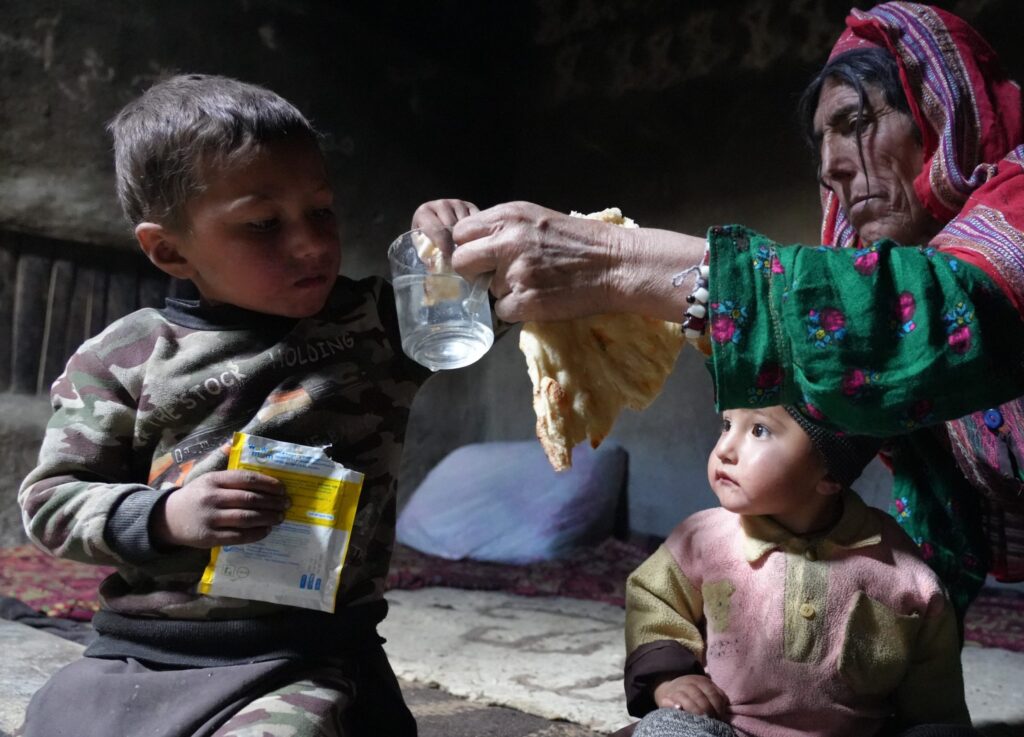
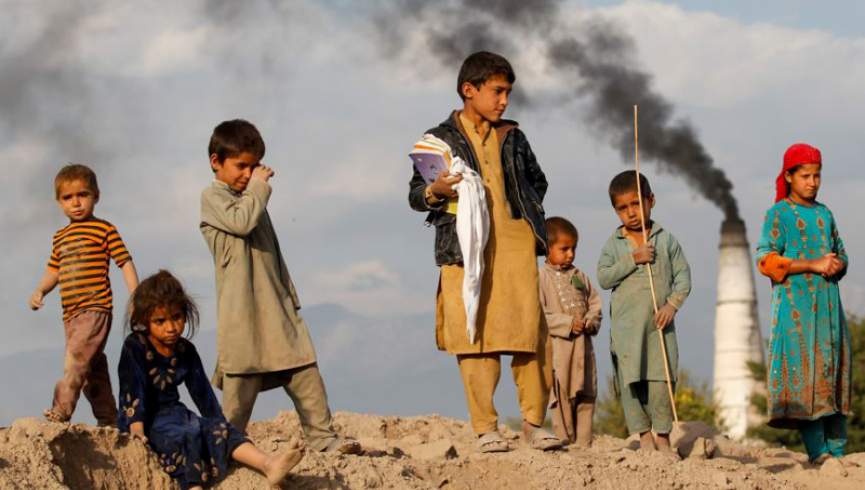
The European Union’s Humanitarian Aid Program has recently announced that UNICEF, the United Nations Children’s Fund, with financial support from ECHO-ASIA, is assisting health workers in managing child malnutrition. In a message published today (Thursday, November 13) on its official X account, the program stated that health workers will provide home-based care for children suffering from malnutrition. The statement added that UNICEF trains health workers to manage malnutrition in a timely manner through outpatient care, in order to prevent unnecessary hospitalizations. The UN Children’s Fund had previously reported the establishment of 70 “Child Development Centers” across Afghanistan. The organization also noted that most families in Afghanistan—particularly in mountainous regions such as Bamiyan—lack access to diverse and nutritious food. Meanwhile, the World Food Programme (WFP) announced two days ago that the rate of malnutrition in Afghanistan, especially among women and children, is rising alarmingly. The WFP warned that with the onset of winter, the level of food insecurity and inadequate nutrition in the country could increase significantly. It is worth noting that following the return to power of the current government in Afghanistan, several international organizations stated that they had reduced their aid operations in the country due to the ban on female staff.

Read More


5 months ago - 286 Visits

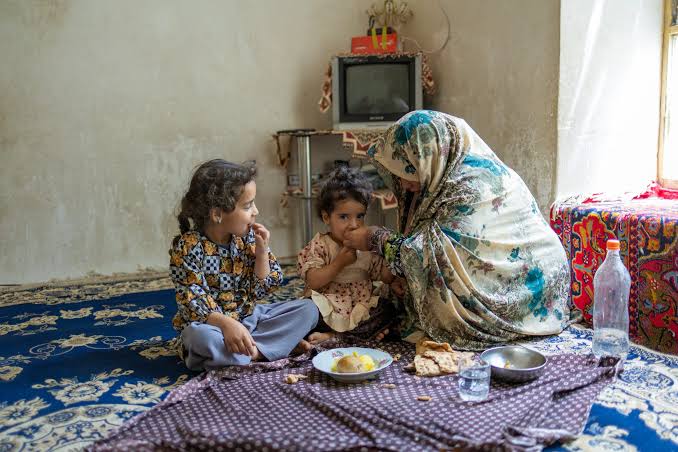
UNICEF, the United Nations Children’s Fund, has recently stated that the impact of climate change on Afghanistan represents a silent emergency, as more than half of the country’s water sources in drought-prone provinces have dried up. Tajuddin Oyewale, UNICEF’s representative in Afghanistan, speaking alongside the opening of the United Nations Climate Change Conference in Brazil (COP-30), said that eight out of every ten people in Afghanistan use contaminated water. He added that Afghanistan is among the countries most affected by the impacts of climate change, despite contributing almost nothing to the global crisis. He emphasized that the effects of climate and water crises on Afghan families are often overlooked. Oyewale added: “The impact of climate change on the country is truly a silent emergency; more than half of the water sources in key drought-prone provinces have dried up.” In his report, the UNICEF representative noted that eight in ten people drink contaminated water, and that healthcare systems in urban areas are collapsing under the pressure of disasters and environmental degradation, leading to an increasing spread of waterborne diseases. Oyewale also said that Afghanistan remains one of the least-funded countries when it comes to global humanitarian crises, receiving only five percent of the funds required to ensure safe and climate-resilient water and sanitation access. Despite these funding shortages, UNICEF stated that it continues to work tirelessly with its partners to provide assistance to families and children facing multiple emergencies. The UNICEF representative called on world leaders attending the conference in Brazil to remember the countries not present in the negotiation halls and the children searching for water with empty containers. It is worth noting that the United Nations Climate Change Conference officially began on Monday in Belém, Brazil. Afghanistan does not have a representative at this conference.

Read More


5 months ago - 357 Visits

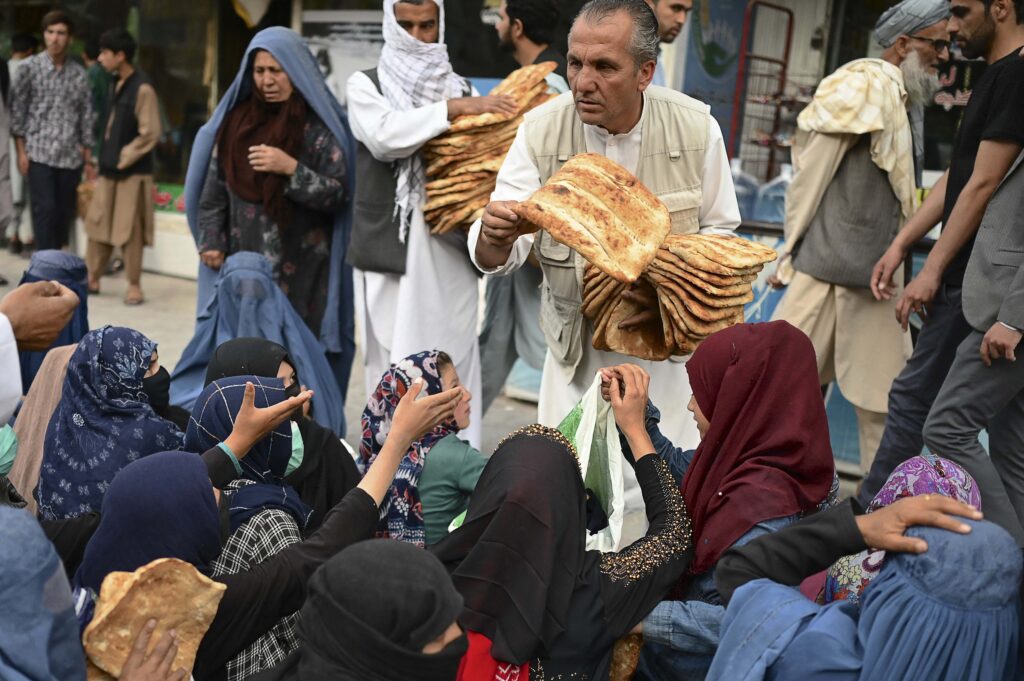
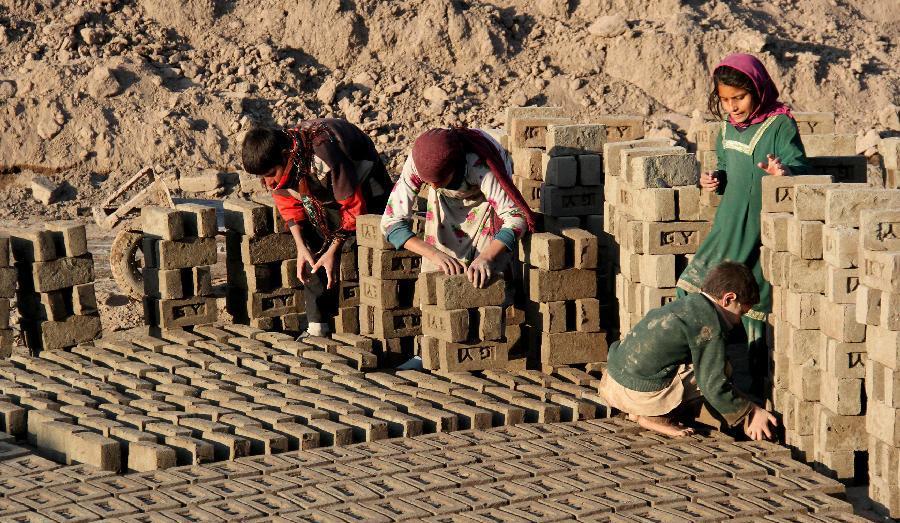
The humanitarian organization World Vision has recently announced that Afghanistan ranks fourth globally in terms of acute child malnutrition. In a statement posted on its official X (Twitter) account, the organization wrote that Afghanistan is facing one of the worst nutrition crises in the world, with about 3.7 million children under the age of five suffering from acute malnutrition — around one million of whom have become severely underweight. The statement further emphasized that 1.2 million pregnant and breastfeeding women in Afghanistan are also suffering from acute malnutrition. World Vision has warned of budget cuts for aid services in Afghanistan, adding that 305 nutrition sites have been closed due to financial and accessibility challenges. The organization noted that the current funding covers only 30% of the country’s humanitarian needs. Stressing the urgency of assistance, World Vision said: “Now is the time to act — hungry and malnourished children cannot wait.” The humanitarian organization had previously warned that the reduction of humanitarian aid in Afghanistan has pushed thousands of families into crisis, forcing children to choose between hunger and hard labor. Similarly, a short while ago, OCHA (the UN Office for the Coordination of Humanitarian Affairs) stated that women and children have been the most affected by the hunger crisis. OCHA reported that Afghanistan is facing one of the worst hunger crises in the world, with about 9.5 million people experiencing severe food insecurity — meaning one in every five people does not know where their next meal will come from. International organizations have repeatedly warned of a humanitarian catastrophe and rising hunger in Afghanistan under Taliban rule.

Read More


5 months ago - 222 Visits

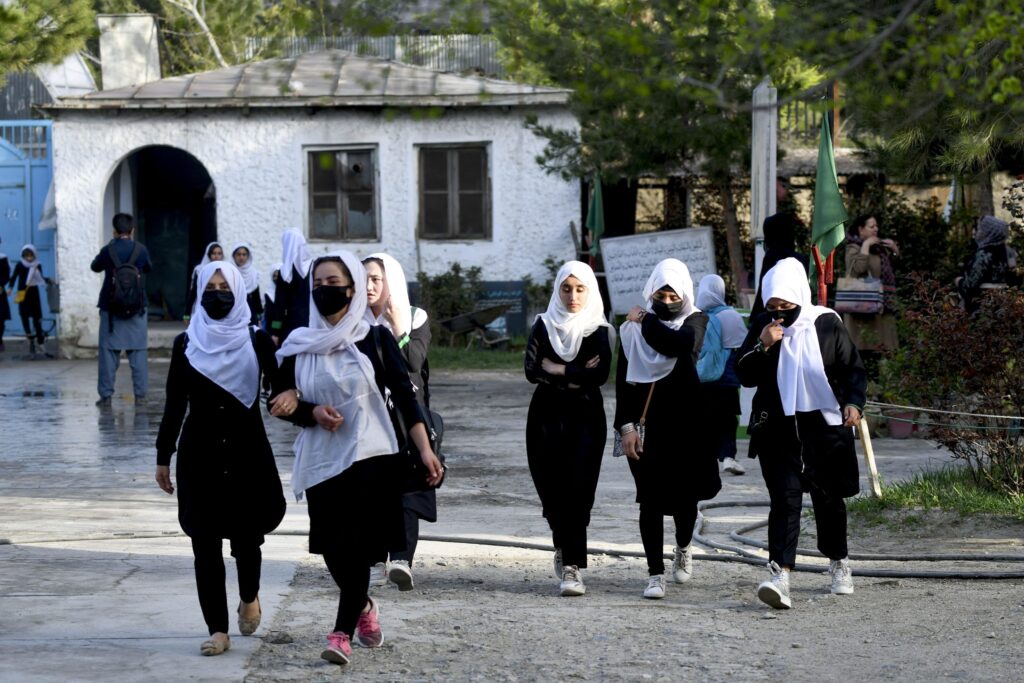
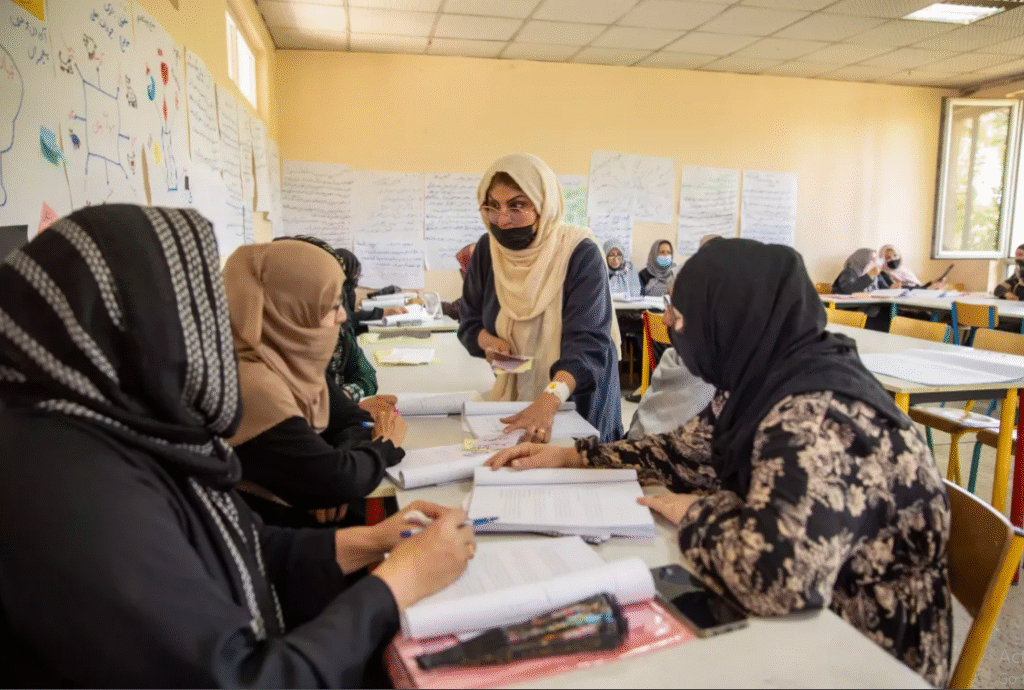
Coinciding with the World Science Day for Peace and Development, the European Union Delegation to Afghanistan has stated that investing in science and supporting students and teachers is the most powerful path toward a sustainable and prosperous future. In a message published today (Monday, November 10) on its official Facebook page, the EU Delegation emphasized that the European Union’s commitment to supporting education in Afghanistan is absolutely vital. The statement further highlighted that science and knowledge are keys to lasting peace, innovation, problem-solving, and a self-reliant future for all Afghan citizens. The message added: “We stand firm in our belief that knowledge is the foundation of progress. We must ensure that every young Afghan can realize their full potential.” This message comes as the World Science Day for Peace and Development is being observed, while the current Afghan government has banned women and girls from education and schooling after taking control of the country. In its latest restriction, it has also closed the doors of medical institutes to women and girls, even as the health sector across Afghanistan faces severe shortages of personnel. As a result of these actions, millions of female students have been deprived of education. In addition, women have been banned from attending gyms, restaurants, and public baths; from being examined by male doctors; from traveling without a male guardian; and from working with domestic and international NGOs

Read More


5 months ago - 477 Visits

Shukria Barakzai, former member of the Afghan Parliament and former Afghan ambassador to Norway, has been elected as the Deputy of the World Liberty Congress. In a statement, the World Liberty Congress announced that this election reflects the organization’s commitment to inclusive leadership and the empowerment of women in advancing freedom, equality, and human dignity. In her message to the members of the Congress, Barakzai emphasized teamwork and stated: “Together, we stand for freedom, equality, and justice—stronger, more united, and committed to global change.” The second meeting of the World Liberty Congress was held in Berlin, attended by representatives from 60 countries. This three-day conference focused on strategies to confront authoritarian regimes, the situation of political prisoners, and the strengthening of civil resistance. During the event, elections for the Congress leadership were also held, resulting in a new executive committee after two years. Leopoldo López, Secretary-General of the World Liberty Congress, said that the organization is building a global coalition which, according to him, will become “the largest alliance of freedom fighters and defenders of democracy.” The goal of the Congress is to foster unity and cooperation in the fight against injustice and to defend universal values such as free elections, human rights, and the rule of law.

Read More


5 months ago - 317 Visits

The United Nations Human Settlements Programme in Afghanistan (UN-Habitat) has recently warned that the country is vulnerable to environmental degradation. In a statement published on its official Facebook page, the agency wrote that poor waste and water management, along with a shortage of green spaces, pose a threat to the health of the Afghan population. UN-Habitat in Afghanistan emphasized in part of the statement that with targeted urban planning and public participation, it is possible to protect the environment and improve the quality of life for citizens. The program had also previously announced that urbanization in Afghanistan is accelerating rapidly; however, the country’s cities are not adequately prepared for this growth. The agency warned that if steps are not taken to manage this process, unplanned urban expansion could lead to increased poverty, housing shortages, and pressure on urban services. Meanwhile, the International Organization for Migration (IOM) has found that at the beginning of 2025, due to environmental problems, food insecurity has become the biggest challenge for the Afghan people — with 47 percent of the population facing food insecurity. The IOM published this report as part of the findings from the second round of the Afghanistan Climate Vulnerability Assessment. Various UN agencies have also warned about the impacts of climate change and the worsening environmental situation in Afghanistan.

Read More


5 months ago - 216 Visits

Bergdís Ellertsdóttir, Deputy Permanent Secretary of the Ministry for Foreign Affairs of Iceland and head of the Icelandic delegation to UNESCO, has emphasized continued support for the women and girls of Afghanistan, stating that Afghan women and girls must not be forgotten in the silence of the world. Speaking at the 43rd General Conference of UNESCO in Samarkand, Ellertsdóttir said that millions of children—especially girls—in countries affected by war or under oppressive regimes have been deprived of their right to education. Referring to the extensive restrictions imposed by Afghanistan’s interim government on women’s education and employment, she said: “Millions of Afghan girls are facing harassment and blatant gender-based discrimination. UNESCO must stand with them, keep education alive, and ensure that the voices of Afghan women and girls are heard around the world.” Ellertsdóttir stressed that supporting the right to education, freedom of expression, and human dignity are among UNESCO’s core principles, and that the international community must not remain indifferent to the oppression of Afghan women. She also praised UNESCO’s role in implementing emergency programs in Afghanistan, Ukraine, and Gaza, saying these initiatives are crucial for maintaining educational continuity and supporting journalists and scientists in crisis-hit regions. Iceland, which has completed its four-year term on UNESCO’s Executive Board, has consistently prioritized gender equality, human rights, media freedom, and education for all during its tenure. According to the Icelandic Ministry for Foreign Affairs, the country will continue its cooperation with UNESCO to support Afghan women and girls and to promote education in disadvantaged regions.

Read More


6 months ago - 115 Visits

t the same time that the interim government has banned women without the burqa from entering shops and markets in Herat, it has now also prohibited women from entering government offices without wearing the burqa. At least three sources have reported that on Wednesday, the Ministry for the Promotion of Virtue and Prevention of Vice prevented more than 50 women from entering government offices and the regional hospital in Herat. The source added that officers of the ministry stationed at the entrances of departments such as the Directorate of Education, the provincial hospital, the prison, the Civil Registration Office, and the public library did not allow women without burqas to enter. In videos circulated on social media, women and girls without burqas can be seen denied entry to the Herat regional hospital, left waiting outside its gates. According to the source, the purpose of this action is to compel women to wear the burqa by force. This measure comes as the current government has recently imposed further restrictions on women’s clothing and public presence in Herat. Yesterday, the Ministry for the Promotion of Virtue and Prevention of Vice held a meeting with shopkeepers and wedding hall managers in the city, instructing them not to allow women and girls without burqas, prayer shawls, or face veils to enter markets or wedding halls. A few weeks ago, the same ministry in Herat also prevented women and girls from entering the “Friday Market” located on the 64-Meter Road in the city.

Read More


6 months ago - 195 Visits

Antonio Guterres, Secretary-General of the United Nations, has recently described education as “the foundation of a new social contract” and a key tool for ending poverty, creating decent jobs, and ensuring social equality. Mr. Guterres made these remarks on Wednesday, November 5 (14 Aqrab), at the High-Level Meeting on Education during the Second World Summit for Social Development in Doha. While appreciating Qatar’s role in supporting education, he warned that “deep divides in global education systems are widening, and millions of children and young people are still denied their right to education.” The UN Secretary-General stressed that more than 270 million children and adolescents worldwide are still out of school, and the shortage of 44 million teachers remains one of the greatest challenges facing global education systems. He added: “Education is the engine of social progress and our strongest weapon in the fight against poverty — but it can only be effective if no one is left behind.” Mr. Guterres called on governments to allocate at least 15 percent of domestic revenue and 4 percent of GDP to education and to strengthen education systems to build an inclusive and equitable future. He stated: “Education must be aligned with modern technologies and green and digital skills — not to replace teachers, but to empower them.” He further warned that if the world fails to address financial, access, teaching, and quality gaps in education, the Sustainable Development Goals related to social justice and human well-being will remain out of reach. Guterres’ emphasis on expanding education comes at a time when the current government in Afghanistan, since taking power, has banned women and girls from education and schooling. In its latest restriction, it closed medical institutes to female students, even though the health sector across Afghanistan is facing a severe shortage of personnel. This policy has deprived millions of school-aged girls of education. In addition, women have been banned from going to gyms, restaurants, public baths, being examined by male doctors, traveling without a male guardian, and working with national and international NGOs, including UN offices in Afghanistan.

Read More