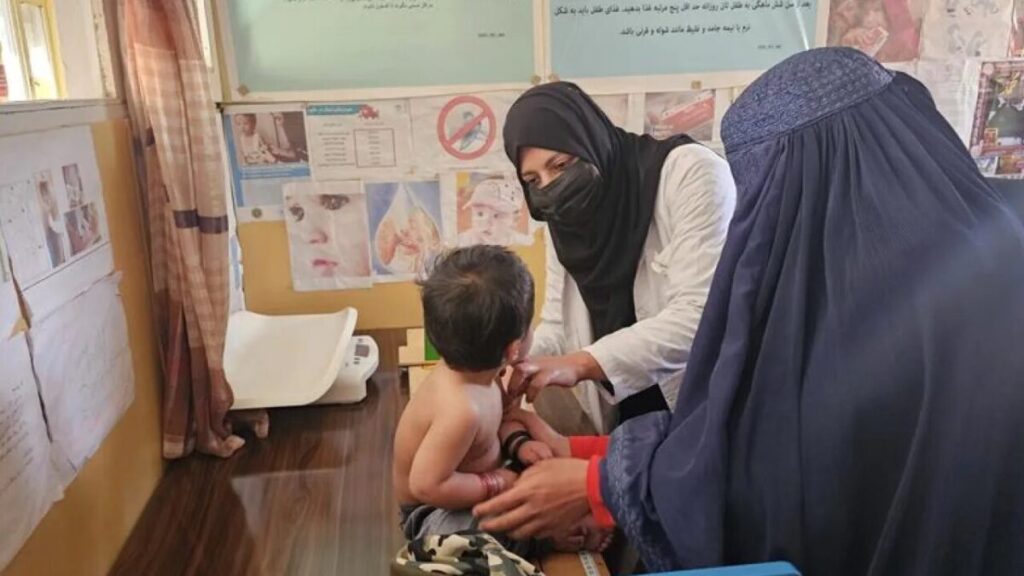
UNICEF, the United Nations Children’s Fund, has warned that as Afghanistan approaches the peak of the hunger season, 3.7 million children under the age of five in the country are at risk of malnutrition.
In a report, the organization has called for immediate action to prevent the worsening of this crisis across Afghanistan.
UNICEF emphasized that food and nutrition insecurity is one of the main factors contributing to the increase in malnutrition among children in Afghanistan.
The United Nations Children’s Fund added that protecting the diets of young children, especially those under two years old, and strengthening preventive services should be prioritized.
The report titled “Too Little, Too Late: The Crisis of Young Children’s Diets in Afghanistan” states that for the first time, the status of child malnutrition and experiences of food insecurity among a common group of children across all 34 provinces of Afghanistan have been assessed simultaneously.
UNICEF’s findings indicate that reduced dietary diversity, skipped meals, and hunger among children are some of the early signs of entering a malnutrition crisis.
According to this report, the state of malnutrition has worsened in 26 provinces of Afghanistan compared to the year 2025, and this deterioration occurred before the onset of the peak hunger season, which lasts from July to September.
UNICEF states that children under two years old are the most affected, constituting 83% of severe acute malnutrition cases and 77% of moderate acute malnutrition cases.
Tajuddin Owyala, UNICEF’s representative in Afghanistan, mentioned that young children have been increasingly exposed to malnutrition even before the peak hunger season began.
He stressed that reduced meal frequency and the elimination of nutritious foods are warning signs that need to be addressed before they lead to severe malnutrition.
UNICEF has warned that the outbreak of diseases, low vaccination coverage, lack of drinking water, weak healthcare services, and reduced humanitarian aid budgets have exacerbated the malnutrition crisis in Afghanistan.
The organization has called on the international community to provide immediate funding to support preventive nutrition programs, especially for children aged 6 to 23 months and pregnant women, to prevent the spread of malnutrition and its deadly consequences.