Author: رسانه‌ای گوهر شاد

5 months ago - 157 Visits

Richard Bennett, the United Nations Special Rapporteur on the situation of human rights in Afghanistan, has recently called for preventing the displacement of Hazaras from Nawabad Township in Ghazni province, which has been declared an “Emirate township” by the caretaker government. In a statement issued at the end of his visit to Qatar, Mr. Bennett said that this week he spoke with a group of Hazaras who have “lived for generations in an area of Ghazni city” and who are now at risk of losing their homes due to court decisions by the current authorities. He further emphasized that residents of Nawabad Township in Ghazni province have expressed concern over the unfairness of the judicial process and the fate of around 13,000 families if they are forced to leave their homes. In another part of his statement, the UN Special Rapporteur called for measures to prevent the displacement of these families and stressed the importance of observing fair trial standards and providing legal assistance to resolve the issue. This comes as about a month ago, the Ministry of Justice of the current government announced that a special government court had declared 1,843 jeribs of land in Nawabad Township, located in central Ghazni, as “Emirate property.” According to available information, the township was established 32 years ago, and approximately 18,000 families currently live there.

Read More


5 months ago - 145 Visits

Agence France-Presse (AFP) has reported that the number of “induced abortions” has increased in Afghanistan following the return of the caretaker government to power. In its report, AFP said it spoke with ten women in Afghanistan about abortion, but only five agreed to share their stories. The number of Afghan women resorting to dangerous home methods to terminate unwanted pregnancies—a practice that puts their lives at risk—is rising. Bahara (a pseudonym), a 35-year-old woman, told AFP: “When I was four months pregnant, I went to a hospital in Kabul to have an abortion, but the doctors told me they were not allowed to do it, and if anyone found out, they would be imprisoned.” She added that on the order of her “unemployed husband, who did not want a fifth daughter,” she used “a type of herbal tea” to terminate her pregnancy. She explained: “The bleeding became so severe that I was forced to go back to the hospital. I told the doctors that I had fallen, but they knew I was lying because there were no marks on my body. They became angry but did not report me to the authorities. They performed a procedure and removed the remaining tissue from my body.” It is worth noting that under Afghanistan’s constitution, abortion is illegal and is only permitted if the mother’s life is in serious danger. However, in practice, women are almost never granted permission for such procedures. Two international organizations working in Afghanistan’s health sector have also confirmed the rise in abortions in the country. Because abortion is a taboo in Afghanistan, it is often carried out using herbal medicines or pills that are sold illegally in pharmacies. In some cases, women are forced to lift heavy objects or their abdomen in order to terminate the pregnancy. Halima (a pseudonym) said she terminated her pregnancy by taking pills she had purchased from a pharmacy. Maryam (a pseudonym) also said she aborted her pregnancy by striking her stomach “with a stone.” A gynecology and obstetrics specialist in Kabul told AFP that before the return of the current government to power, they were able to perform more abortions with the help of some NGOs, but now doctors are afraid to carry out the procedure. He added that women are afraid to request abortions at hospitals: “Most women try to abort [their pregnancy] at home and then come to the hospital saying that they had a miscarriage.” Maryam (a pseudonym), 22, said that one month after becoming pregnant, her mother placed “a very heavy stone on her stomach” to terminate the pregnancy. This comes as Afghanistan has one of the highest maternal and neonatal mortality rates in the world.

Read More


5 months ago - 132 Visits

The United Nations Development Programme (UNDP) has stated that Afghanistan is going through one of the most difficult periods in its contemporary history, with women, girls, and children bearing the heaviest burden of the humanitarian crisis. In a report, the organization said that millions of people have returned to Afghanistan without assets and with the hope of finding safety and a fresh start. However, returnees often face communities that themselves are struggling with poverty, unemployment, and a lack of basic services. UNDP further warned that most women, girls, and children enter Afghanistan without support, income, or access to safe shelter. According to part of the report, restrictions on movement, education, and employment severely limit the options available to returning women. The report also states that families are forced to make difficult decisions, and some girls are compelled to drop out of school or are pushed into early marriage. The organization cautioned that without urgent assistance, these families will face even deeper crises. Some families may be forced to migrate again, local tensions may increase, services may collapse, and the cycle of displacement may continue. UNDP added that, in collaboration with communities, it is working to support the rebuilding of family livelihoods through practical and people-centered assistance and to create the conditions for long-term recovery. The organization emphasized that this support includes three types of measures aimed at helping families rebuild their lives and cope with crises. UNDP also previously announced that the large-scale return of Afghans in recent months has placed immense pressure on host communities, leaving most families in extremely difficult conditions.

Read More


5 months ago - 168 Visits

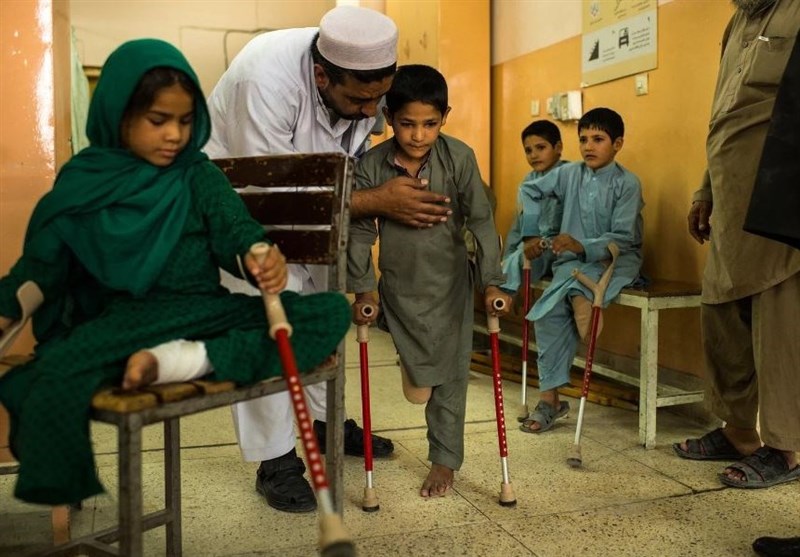
UN Women in Afghanistan has announced that women and girls with disabilities in the country face serious barriers and are being “overlooked” by both families and society. On the occasion of the International Day of Persons with Disabilities, the agency wrote in a statement posted on its X account: “According to United Nations estimates, women are 20 percent more likely than men to report living with a disability, and nearly one in six women has a severe disability.” The statement emphasizes the “urgent and often overlooked needs of women and girls with disabilities” in Afghanistan. Susan Ferguson, UN Women’s Special Representative in Afghanistan, further stressed that women and girls with disabilities in Afghanistan face the harshest discrimination and the greatest barriers in accessing the support and services necessary to live with dignity. She added that the increase in the number of women with disabilities in Afghanistan is attributed to factors such as growing barriers to access health services and humanitarian assistance, increased risks of gender-based violence, and the deep psychological impacts of restrictions on their rights. UN Women stated: “While nearly half of Afghanistan’s population will need humanitarian assistance in 2025, many women and girls with disabilities face difficulties reaching aid distribution centers.” The agency also said that based on a survey of more than 2,000 women conducted this year, three-quarters of them described their mental health condition as “bad” or “very bad.” UN Women further emphasized in part of its statement the urgent need for immediate investment in support and services for women and girls with disabilities in Afghanistan, and called for expanded humanitarian services to meet their needs. Meanwhile, UNAMA has said that around 1.5 million people in Afghanistan live with serious disabilities, many of which are the consequences of decades of war. The organization added that children with disabilities bear the heaviest burden of war-related disabilities.

Read More


5 months ago - 123 Visits

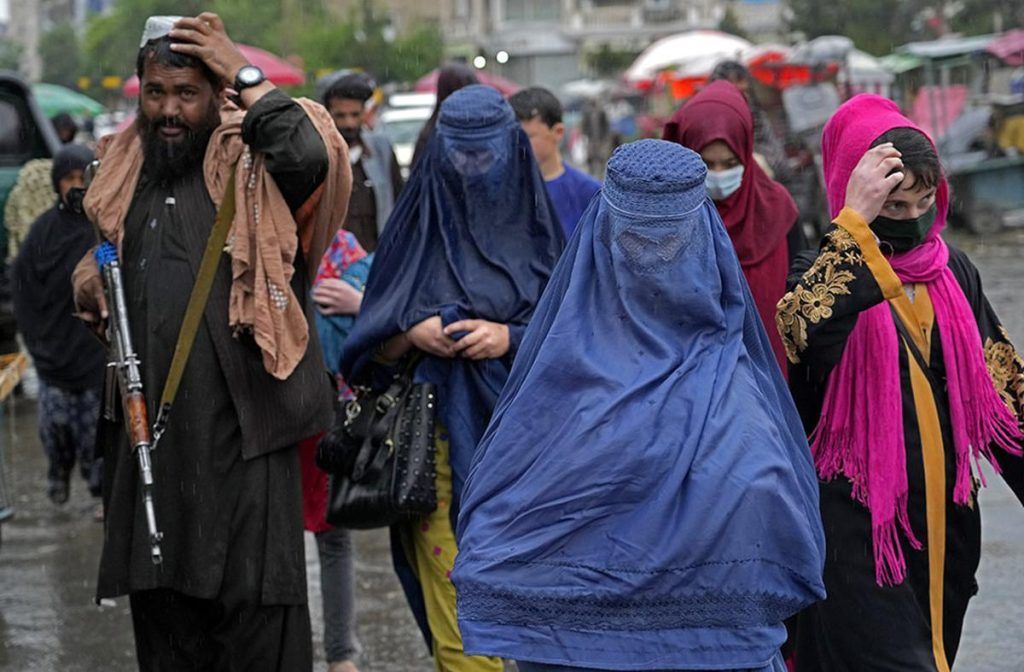
UN Women has recently stated that women’s rights defenders in Afghanistan are exposed to significant personal risks. In a message shared on its X account on the occasion of the “16 Days of Activism Against Gender-Based Violence” campaign, the agency wrote that women’s rights defenders in Afghanistan continue to organize and protect their communities, even though they often face serious personal dangers. UN Women described Afghan women and girls as courageous. The organization emphasized that it will continue to support women and girls in Afghanistan. Meanwhile, the Alliance of Human Rights Activists, marking the “International Day for the Elimination of Violence Against Women,” also stated that supporting women’s rights is a top priority in efforts to combat violence against women in Afghanistan. The organization stressed that Afghan women and girls have faced the harshest restrictions and silencing policies over the past four years. Furthermore, since taking control of Afghanistan, the current government has banned women and girls from education. Its latest restriction closed the doors of medical institutes to girls and women, even though the health sector across Afghanistan is facing a shortage of staff. This action by the current authorities has left millions of school-aged girls deprived of education. In addition, women have been banned from going to gyms, restaurants, public baths, being examined by male doctors, traveling without a mahram, and working in domestic and international NGOs, as well as UN offices in Afghanistan.

Read More


5 months ago - 169 Visits

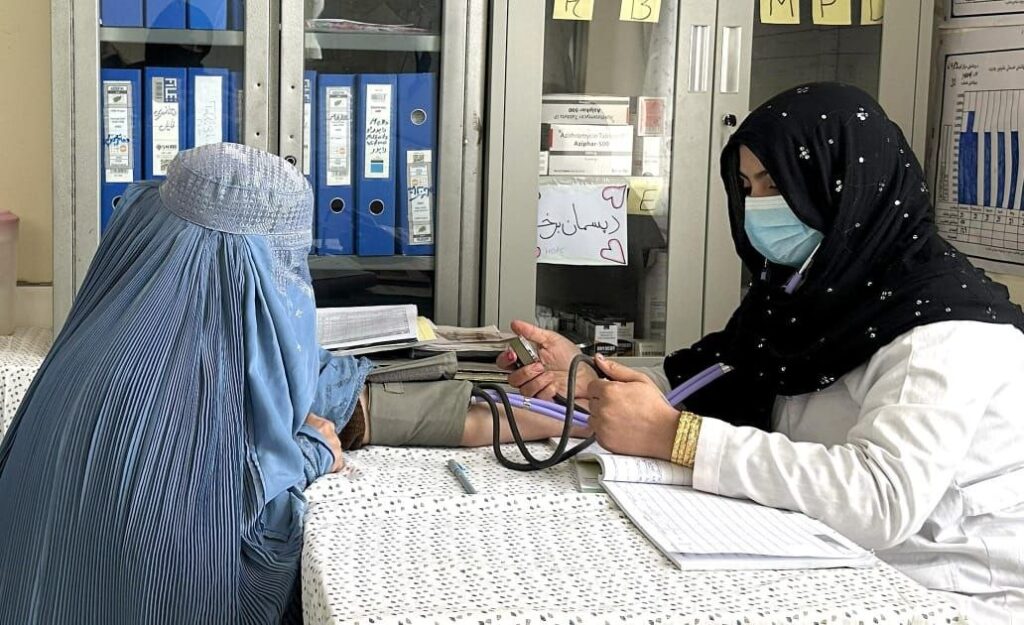
While schools and universities remain closed to girls and women, the European Union Delegation to Afghanistan has recently stated that it supports the training of women and girls as medical professionals. In a message posted today (Tuesday, Dec 2) on its X account during the campaign against violence against women, the Delegation wrote that the EU supports the provision of healthcare services in Afghanistan so that women, girls, and mothers can receive essential care. The EU Delegation further emphasized that taking action to end violence is crucial to ensuring safe and accessible healthcare services for all. It is worth noting that the restrictions imposed by the de facto authorities on women’s and girls’ education have had a direct impact on Afghanistan’s health sector. The shortage of professional female staff in Afghanistan’s health facilities has worsened, as no female doctor has graduated from Afghan universities in the past four years. Afghanistan also continues to have one of the highest maternal and women’s mortality rates in the world. The current authorities, after taking control of Afghanistan, have barred women and girls from education and schooling. This decision has prevented millions of female students from continuing their studies. In addition, women have been prohibited from going to gyms, restaurants, public baths, being examined by male doctors, traveling without a mahram, and working in national and international NGOs and even UN offices in Afghanistan.

Read More


5 months ago - 154 Visits

Doctors Without Borders (MSF) has recently announced that families in northern Afghanistan are facing serious challenges in accessing free and quality medical care for their children. In a report released by the organization, it stated that the shortage of health centers, economic difficulties, and the long distance to medical facilities have had a negative impact on hundreds of thousands of patients. Part of the report notes that families in northern Afghanistan are forced to travel to remote areas and other cities to find proper treatment. In many cases, children do not recover even after spending large amounts of money and must be taken to another medical facility. MSF emphasized that accounts from mothers of sick children in Faryab, Dawlatabad, Andkhoy, and Mazar-e-Sharif show that measles, pneumonia, malnutrition, and infectious diseases are among the conditions placing children in critical situations. In some cases, only Abu Ali Sina Hospital in Mazar-e-Sharif has been able to provide free services. The organization added that in the past two years, it has strengthened this hospital by establishing pediatric intensive care units, neonatal intensive care units, a measles isolation ward, and an emergency department in cooperation with the Ministry of Health. Within just one month, hundreds of critically ill children have been brought to this regional hospital. According to the report, MSF medical teams have so far triaged more than 360,000 patients and provided medical care for thousands of children, newborns, and patients suffering from measles, pneumonia, malnutrition, and infectious diseases. The organization says that on average, around 3,000 children are triaged every week in this hospital, and critical cases are quickly transferred to specialized units. MSF warns that the lack of a clear and effective referral system between health centers is one of the main factors worsening patients’ conditions. It is worth noting that after the November 3 earthquake in Mazar-e-Sharif this year, emergency aid and medical supplies were also sent to Abu Ali Sina Hospital. Doctors Without Borders states that continued international support is essential to reduce preventable deaths, prevent the exhaustion of healthcare workers, and ensure medical services for children.

Read More


5 months ago - 121 Visits

The United Nations Population Fund (UNFPA) has recently stated that without access to the internet, women and girls in Afghanistan cannot benefit from essential and life-saving services. Today (Monday, December 1), the organization published a message on its X account, stating that internet restrictions reduce the ability of women and girls to make informed decisions about their lives and futures. The UN Women’s section also released a report indicating that weak infrastructure and low literacy limit Afghan citizens' access to phones and the internet. The organization emphasized that women and girls face even greater barriers, as social and cultural norms restrict their access to digital services. Additionally, the United Nations has announced that any disruption of internet and phone networks in Afghanistan poses serious challenges to the lives of women and girls. It should be noted that the current government, after taking control of Afghanistan, has deprived women and girls of education. In its latest restriction, it has closed the doors of medical institutes to girls and women, while the health sector across Afghanistan is facing a shortage of personnel. This action by the current government has resulted in millions of schoolgirls being unable to receive an education. Moreover, women have been banned from going to sports clubs, restaurants, public baths, being examined by male doctors, traveling without a male guardian, working in domestic and international NGOs, and even in United Nations offices in Afghanistan.

Read More


5 months ago - 174 Visits

British Special Forces officers have recently revealed that some members of the United Kingdom Special Forces (UKSF) unit in Afghanistan shot and killed toddlers in their beds between 2010 and 2013, and that their unlawful actions were widespread. The British outlet Declassified UK reported that an officer identified by the code N1466 stated that he witnessed the killing of two children beside their parents, and that his attempts to prevent the act were ignored by senior officers. The senior British Special Forces officer further emphasized that many members of the special forces were aware of these actions. Another Special Forces officer, identified as N5461, also told Declassified UK that unlawful killings had taken place in Afghanistan. A third soldier, identified as N244, who oversaw Afghanistan missions for the Special Forces headquarters, had expressed concern about the increasing number of detainees who were later killed. The UK Ministry of Defence, in a statement, said it is committed to an independent investigation into Afghanistan and appreciates all witnesses, while maintaining support and transparency in the operations of the Special Forces. This comes as previous reports have also been published regarding the killing of children and women in Afghanistan by international forces.

Read More


5 months ago - 119 Visits

UN Women has recently announced that organizations supporting women and girls in Afghanistan are facing funding shortages, yet they continue their efforts to assist survivors of violence. The organization stated today (Sunday, November 30) in a message posted on its X account on the occasion of the “16 Days of Activism Against Gender-Based Violence” that it continues to support women at risk. UN Women further emphasized that organizations supporting women and girls have lost about one-fifth of their budget this year. According to the statement, due to cuts in assistance, women’s support organizations have received less than 60% of the funding they need. This decline in funding comes at a time when Afghan women and girls are facing increasing restrictions imposed by the de facto authorities. Meanwhile, over the past two years, violence against Afghan women has increased by 40%. The current authorities, after taking control of Afghanistan, have also barred women and girls from education and schooling. Most recently, they closed the doors of medical institutes to female students, even though the health sector across Afghanistan is facing a shortage of personnel. This action by the current authorities has resulted in millions of school-age girls being deprived of education.

Read More