A recent study reveals that Afghan refugee children and adolescents who arrived in the UK unaccompanied are facing deep and lasting psychological trauma, including severe anxiety, depression, insomnia, and chronic loneliness.
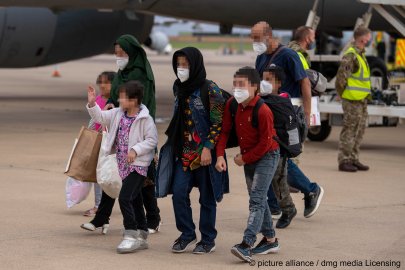
The University of East Anglia published this research, stating that researchers examined the situation of 12 unaccompanied minor refugees from Afghanistan who arrived in difficult conditions in the UK after the fall of Kabul in 2021, without the presence of parents or guardians.
The findings indicate that participants were between 14 and 21 years old upon arrival in the UK and had experienced war, security threats, violence, separation from family, and the loss of close family members prior to their migration.
Researchers note that the psychological effects of these experiences continue to impact the lives of these refugees even after years of living in the UK.
Several participants reported still facing nightmares, intrusive thoughts, prolonged insomnia, and severe anxiety.
The study indicates that many of these issues stem from memories of violence and war in Afghanistan.
In recorded accounts from this research, some of these young individuals stated that reminders of family members’ deaths or violent scenes increase their stress and even lead to physical pain.
This study shows that some refugees are also experiencing physical symptoms resulting from psychological stress.
Severe fatigue, chronic pain, and anxiety-related physical problems are among the issues reported by participants.
Researchers added that this situation has, in some cases, led to limitations in daily activities and increased social isolation.
They emphasized that loneliness and difficulties in establishing social relationships are among the most significant challenges faced by unaccompanied refugee children.
However, researchers highlighted that some of these young people have managed to improve their mental health to some extent through supportive services, psychological counseling, social activities, and sports such as cricket, as well as building social connections.
Ultimately, the study concludes that unaccompanied refugee children from Afghanistan are one of the most vulnerable groups in terms of mental health and require specialized, sustainable, and long-term support in host countries.