Author: رسانه‌ای گوهر شاد

6 months ago - 376 Visits

The United Nations has recently stated that every woman and girl has the right to feel safe in any place. In a message posted on its official X account today (Sunday, October 19), the UN said that governments must invest in preventing gender-based violence. The organization further emphasized that governments should properly enforce laws and put an end to impunity. It is worth mentioning that the UN made these remarks at a time when women and girls in Afghanistan are facing severe oppression. Since taking control of Afghanistan, the current government has deprived women and girls of education and schooling. In its latest restriction, it has closed the doors of medical institutes to women and girls — despite the country’s health sector suffering from a shortage of personnel. This move by the current authorities has left millions of female students unable to continue their education. In addition, women have been banned from going to gyms, restaurants, public baths, being examined by male doctors, traveling without a male guardian, and working in domestic and international NGOs, as well as in UN offices across Afghanistan.

Read More


6 months ago - 384 Visits

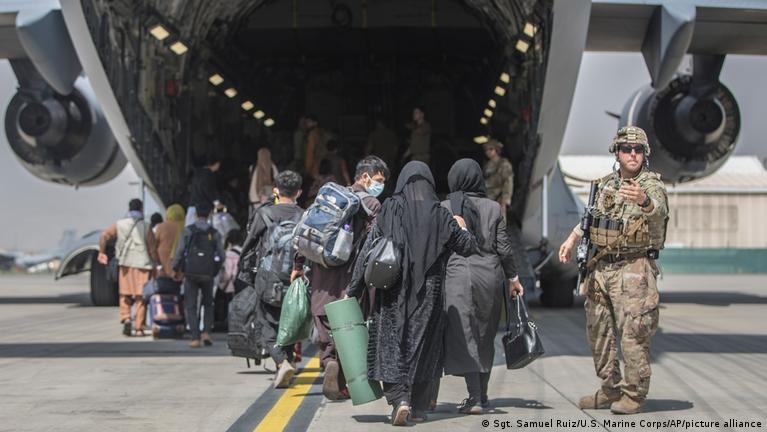
Norway and 19 other European countries have recently called on the European Commission to ensure that Afghan citizens residing illegally in Europe are returned — either voluntarily or forcibly. In a joint letter, these countries stated that the measure should include Afghan citizens considered a threat to public order. They also urged greater coordination among EU institutions, including the European External Action Service (EEAS) and willing member states, and proposed a joint mission to Afghanistan to negotiate with the de facto authorities. The letter further called for a stronger role for the European Border and Coast Guard Agency (Frontex) in organizing the return of Afghan migrants. The countries that signed the letter include Austria, Belgium, Bulgaria, Cyprus, the Czech Republic, Germany, Estonia, Finland, Greece, Hungary, Ireland, Italy, Lithuania, Luxembourg, Malta, Norway, the Netherlands, Slovakia, Poland, and Sweden. The letter also quoted Belgium’s Minister for Asylum and Migration, Annelies Van den Boschuit, as saying: “Now is the time for a firm and coordinated response so that the European Union can regain control over migration and its own security.” Currently, some countries such as Germany are independently negotiating with the current Afghan authorities to repatriate Afghan nationals. The German Chancellor has also pledged to accelerate the deportation process of Afghan citizens convicted of crimes. This call from the 20 countries comes as Pakistan had set September 1 as the deadline for the departure of Afghan refugees whose temporary residence cards had expired. Following this decision, approximately one million Afghan refugees are at risk of deportation. The deportation of Afghan migrants from Pakistan had already been ongoing, but after recent military tensions between Pakistan and the Taliban, Islamabad ordered the rapid expulsion of Afghan refugees. The Pakistani government has urged its citizens not to shelter Afghan refugees, emphasizing that all undocumented individuals must be expelled. Meanwhile, Iran has also intensified the deportation of Afghan migrants over the past two months. These deportations have escalated following the recent Iran–Israel conflict, at a time when Afghanistan is facing a severe human rights and humanitarian crisis. Many of those being deported — including women, journalists, and human rights defenders — face real risks of human rights violations upon return.

Read More


6 months ago - 363 Visits

Pope Leo XIV, the head of the Catholic Church, has recently described the global hunger situation as a sign of a “collective failure” of humanity and called on the international community to act more responsibly in addressing food poverty. Speaking at the headquarters of the United Nations Food and Agriculture Organization (FAO) in Rome, Pope Leo noted the remarkable scientific and technological progress and the increased life expectancy in the modern era, saying: “It is deeply saddening that despite all these advancements, 673 million people still go to bed hungry every night. This reality is not only painful but also shameful.” The Pope criticized inequality in access to food and nutrition resources, stressing that the modern world cannot claim to be advanced while millions of people are deprived of their most basic necessity — food. He urged countries and international organizations to take more serious and effective measures to end the hunger crisis and to demonstrate “genuine political will” to eradicate food poverty. The FAO, in its recent reports, has also warned that the global hunger trend remains alarming despite technological growth and increased food production. Similarly, United Nations Secretary-General António Guterres recently expressed deep concern over rising hunger worldwide, calling on the international community to take urgent action to build fair and sustainable food systems. Mr. Guterres stated that more than 673 million people currently go to bed hungry each night — a situation that, he said, demands global solidarity.

Read More


6 months ago - 403 Visits

Antonio Guterres, Secretary-General of the United Nations, has recently expressed concern over the rising levels of global hunger and called on the international community to take urgent action to create fair and sustainable food systems. Mr. Guterres, in a message posted early Thursday morning (October 16 / 24 Mizan) on his X account to mark World Food Day, wrote that more than 673 million people around the world go to bed hungry every night, a situation that requires global solidarity. He further emphasized that countries must work together across borders, sectors, and societies to build systems that both nourish people and protect the planet. In another part of his message, the UN Secretary-General urged governments, international organizations, and the private sector to increase their financial resources and political commitments to end hunger and improve food security. Meanwhile, the World Food Programme (WFP) has reported that about 9.5 million people in Afghanistan are struggling with food insecurity. The agency warned that this number could rise in the coming months. The WFP also stressed that it is currently facing a $622 million funding shortfall for the next six months, and if this situation continues, the distribution of aid could face serious disruptions starting in November this year.

Read More


6 months ago - 359 Visits

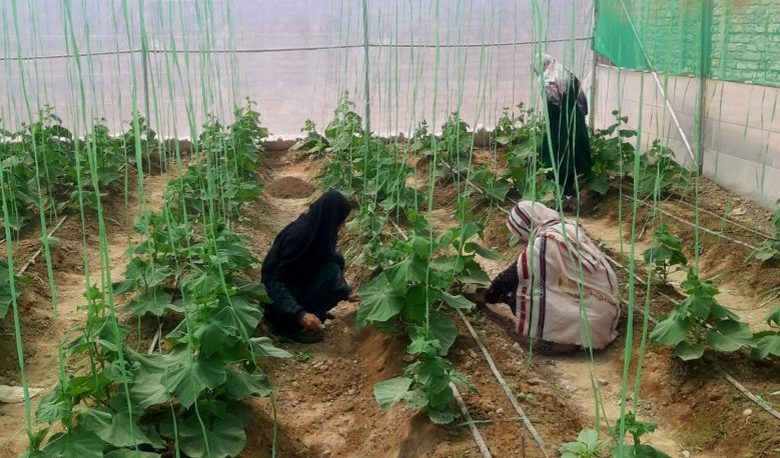
The United Nations Women’s Section has recently called for bold action to promote equality and empower rural women and girls in Afghanistan. In a statement released on the occasion of the International Day of Rural Women, the organization said: “Rural women and girls feed communities every day, protect the environment, and strengthen sustainable development.” The UN Women’s Section further emphasized that rural women and girls have been leading collective movements for change for generations. It added that by the year 2030, around 351 million women and girls worldwide will still be living in extreme poverty. According to various media reports, women and girls in Afghanistan’s rural areas, in addition to raising children and performing household tasks, make up a significant part of the agricultural workforce. However, the interim government across the country has imposed restrictions on women and girls. Currently, they are not allowed to receive education beyond grade six, work in national or international organizations, or move freely in public.

Read More


6 months ago - 707 Visits

A new book titled "Until Further Notice: Untold Truths of Afghan Women's Resistance for Freedom," authored by Manizha Ramizy, a former university teacher in Kabul and a human rights activist, was launched at the Turkish Writers' Center. The unveiling ceremony of this book took place on Monday, October 13, and it examines the situation of Afghan women after the fall of the republic, emphasizing advocacy, awareness-raising, and the struggle for women's rights to education and work. Manizha Ramizy, the author of this book, stated in a press release on her X account: "The book 'Until Further Notice' is dedicated to all the women who continue to fight for their right to education, work, and freedom in Afghanistan despite threats, pressure, and discrimination. They are the most inspiring figures of civil resistance in this current dark period." The statement mentioned that this work, produced in collaboration with the "Global Network Against Extremism," addresses four main themes: the history of women's struggles, the achievements of the past twenty years, the consequences of deprivation from education and work after 2021, and women's efforts for Afghanistan's future. Research conducted for this book shows that after August 15, 2021, more than 2.2 million girls have been barred from attending school, and around 100,000 women have been deprived of higher education. Additionally, the findings of this book indicate that increased poverty, forced marriages, suicides, and mental health issues are direct consequences of the restrictions imposed on women. While this book criticizes the current situation, the existing government has deprived women and girls of education and schooling since taking control of Afghanistan. In its latest restriction, the government closed the doors of medical institutes to girls, despite the healthcare sector in Afghanistan facing a shortage of personnel. This government's action has resulted in millions of female students being unable to pursue their education. Moreover, women have been banned from going to sports clubs, restaurants, public baths, being examined by male doctors, traveling without a male guardian, and working in both domestic and international NGOs as well as even in UN offices in Afghanistan.

Read More


6 months ago - 280 Visits

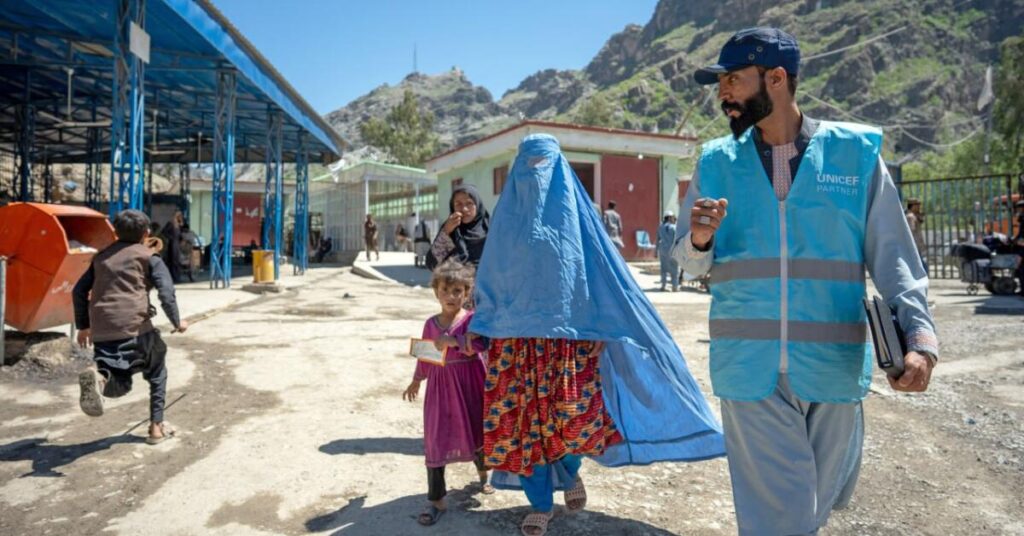
The United Nations Children’s Fund (UNICEF) and the United Nations Educational, Scientific and Cultural Organization (UNESCO) have announced that since the Taliban’s return to power in August 2021, the de facto authorities of Afghanistan have deprived around 2.2 million adolescent girls of education. In a joint report on the state of education in Afghanistan, the organizations stated that each school year, an estimated 397,000 children drop out and are unable to continue their studies. According to the report, by 2024, more than 2.13 million primary school–aged children were out of school, 60 percent of whom are girls. The report further notes that Afghanistan’s education sector is under immense pressure due to multiple, simultaneous humanitarian shocks. It adds that by 2025, an estimated 8.9 million children, including 888,000 children with disabilities, will require emergency education support. At the same time, around 2.7 million Afghans have been expelled from Iran and Pakistan since 2023, and 40 percent of them are children. The report highlights that many of the returning children, especially girls over the age of 12, face serious difficulties enrolling in schools due to a lack of infrastructure and existing restrictions. UNICEF and UNESCO warn that the return of migrants is placing additional strain on Afghanistan’s education system and increasing the number of children and adolescents out of school. The report also states that since taking control of Afghanistan, the current authorities have banned women and girls from education. In their latest restriction, they closed medical institutes to female students, even as the health sector faces severe staff shortages. This policy has resulted in millions of school-aged girls being denied education. In addition, women have been banned from going to gyms, restaurants, public baths, receiving medical care from male doctors, traveling without a male guardian, and working with domestic and international NGOs, as well as in UN offices across Afghanistan.

Read More


6 months ago - 419 Visits

The United Nations Development Programme (UNDP) has recently announced that earthquake victims in Kunar Province are in urgent need of humanitarian assistance, while the number of female aid workers in Afghanistan remains low. In a newly released report, the agency stated that thousands of families affected by the earthquake have lost their sources of income and food, and are in immediate need of hot meals, clean water, and psychological support. According to the UNDP report, this situation stems from years of underinvestment and severe restrictions on the mobility and participation of women and girls. The report adds that the agency has managed to place women and girls at the center of essential service delivery. The UNDP further emphasized that 28 women from affected villages have been appointed to leadership positions to coordinate local kitchen activities and ensure that assistance addresses the specific needs of women. The report also noted that following the 6.0-magnitude earthquake in eastern Afghanistan in the month of Asad, at least 2,200 people lost their lives and 3,600 others were injured. Additionally, it stated that 8,500 houses were destroyed and nearly 7,000 livestock perished. The agency criticized the restrictions imposed by the current government, which, after taking control of Afghanistan, has barred women and girls from education and schooling. The government’s most recent restriction involved closing the doors of medical institutes to female students, despite the country’s severe shortage of healthcare personnel. This decision has deprived millions of schoolgirls of their right to education. Moreover, women have been banned from attending gyms, restaurants, and public bathhouses, from being examined by male doctors, from traveling without a male guardian, and from working in national and international NGOs — including offices of the United Nations in Afghanistan.

Read More


6 months ago - 360 Visits

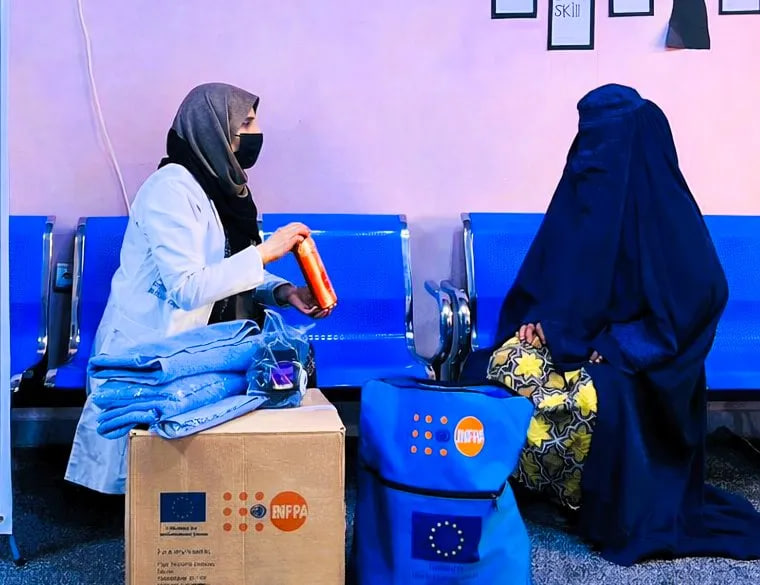
The United Nations has recently announced that every four minutes, four women around the world are diagnosed with breast cancer. In a statement released on its official X account to mark Breast Cancer Awareness Month, the organization stated that one out of every four women diagnosed with breast cancer dies from the disease. The UN further emphasized that lifestyle changes can significantly reduce the risk of developing this illness. The statement recommended measures such as avoiding cigarette use, limiting or abstaining from alcohol, and engaging in regular physical activity and daily exercise to prevent breast cancer. It also added that the United Nations has called on countries and individuals to maintain women’s health and reduce breast cancer–related deaths by adopting healthy lifestyles and undergoing early screening or medical checkups for timely diagnosis. Breast Cancer Awareness Month began in the United States in the 1980s. The campaign was initially launched by the American Cancer Society and was later adopted by the World Health Organization (WHO) and other international bodies, eventually spreading worldwide. The initiative aims to raise awareness, encourage early screening or examinations, and reduce women’s mortality rates caused by breast cancer. The UN’s report comes as the World Health Organization has warned of the alarming rise of heart disease, diabetes, cancer, and chronic respiratory illnesses among Afghan women. According to WHO, breast and cervical cancers are among the most common cancers affecting women in Afghanistan, and cardiovascular diseases alone claim the lives of more than 40,000 people each year in the country.

Read More


6 months ago - 488 Visits

Roya Sadat, a renowned Afghan filmmaker, has announced that she received an honorary award at the Toronto International Film Festival (IFFSA). Ms. Sadat wrote on her Facebook page on Sunday, October 12, that Mozhdah Jamalzadah — a singer and director in the film The Song of Sima — also received an award at the festival. She emphasized that the two awards were presented in “special recognition of The Song of Sima” and in honor of Afghan cinema and storytelling. Sadat added that the event coincided with the Canadian premiere of The Song of Sima and was “a special night dedicated to honoring Afghanistan’s musical and cultural traditions” — traditions that have remained inspiring and enduring through the centuries. She expressed her gratitude to Indian filmmaker Anup Singh and all members of the production team, noting that the film was a joint effort among several studios from different countries. The Song of Sima stars Mozhdah Jamalzadah and Nilofar Kokani. This latest work by Roya Sadat is a dramatic and human story about two young women in 1970s Afghanistan, depicting their lives and beliefs amid the country’s political and social transformations. Previously, in March 2018, Roya Sadat received the “Alternative Oscar” award for her film A Letter to the President, which had been nominated as an alternative to the Oscars. The award was presented to Ms. Sadat at a ceremony organized by the Dutch Ministry of Foreign Affairs and the United Nations Security Council.

Read More