Author: رسانه‌ای گوهر شاد

7 months ago - 600 Visits

Haji Zaid, spokesperson for the governor of Balkh, announced in the latest development that the use of fiber optic internet has been banned in the province by the order of Mullah Hibatullah Akhundzada, the supreme leader of the caretaker government, in order to “prevent immorality.” In a message posted on his X account, Mr. Zaid wrote that from now on, fiber optic internet will no longer be used to “prevent immorality” and that they are seeking alternatives. At least two sources in Mazar-e-Sharif told Gohrshad Media that fiber optic internet has been cut off across Balkh province for several days. The source stressed that Afghan Telecom’s wired internet services as well as all other internet providers have been shut down, but mobile internet remains active. The source added that this disruption has affected online government services, banking operations, distance education, and normal business activities. Currently, Afghanistan is connected to high-bandwidth internet through fiber optic cables linking it to five neighboring countries. The former government had invested 150 million dollars in the fiber optic project. Consequences of Cutting Fiber Optic Internet With the shutdown of fiber optic internet, access to high-speed internet in Afghanistan becomes very limited. Households, government offices, and companies can no longer use fast internet, leaving only low-speed mobile internet available. This cutoff will also bring serious economic and social consequences. Foreign investment will decline, connections with global markets will be restricted, and people—especially school students and university students—will be deprived of access to online education and information. Fiber optic internet transmits data not through electricity but by using light beams inside glass cables. For this reason, its speed and stability are much higher than ordinary internet. Extremely high data transfer speed, greater stability compared to mobile internet, and high capacity for transmitting large volumes of information are key features of fiber optic internet.

Read More


7 months ago - 353 Visits

The Ministry for the Promotion of Virtue and Prevention of Vice of the caretaker government has recently launched the process of administering religious exams for teachers and staff of schools. This ministry has instructed the Ministry of Education to test teachers and staff of the provincial education departments on the curriculum that has been taught. According to the letter from the Ministry for the Promotion of Virtue and Prevention of Vice of the current government, the process of administering the exams began on September 9. Several teachers from Herat province told Goharshad media that for the past week the provincial education department has been conducting religious exams for teachers and school employees. They said that the Ministry of Education intends to use these exams to determine the religious proficiency of teachers and administrative staff of schools. One teacher stated that the exam is being taken from books and booklets that had previously been distributed to teachers and administrative employees. The Ministry for the Promotion of Virtue and Prevention of Vice, in this letter, has ordered that religious exams be administered twice a year for employees of government offices. The current government is also providing religious training to employees in the ministries. The caretaker government has established “Departments of Invitation and Guidance” within ministries and independent directorates, and this structure has also been added to secondary-level offices. The current government had previously conducted religious exams for ministry employees as well.

Read More


7 months ago - 264 Visits

Richard Bennett, the UN Human Rights Council’s Special Rapporteur for Afghanistan, has recently stated that the de facto authorities must lift the restrictions imposed on female UN staff. On Friday, September 12, Bennett posted a message on his X account, calling for the removal of restrictions against female UN employees at the “national level.” He further emphasized: “Preventing women from accessing their workplaces or supporting vulnerable communities is yet another indication that the Taliban should not be normalized unless and until they change course.” He added: “I strongly echo UNAMA and call on the current authorities to lift the restrictions imposed on female staff at the national level.” The United Nations in Afghanistan has also issued a statement calling for the de facto authorities to lift the restrictions against female UN employees. The UN stated that on September 7 this year, government forces barred female UN employees and contractors from entering the organization’s offices in Kabul. UNAMA clarified that this restriction was later expanded to UN field offices across the country and enforced through written or verbal notices from the current authorities. The UN added that government forces have been stationed at the entrances of UN offices in Kabul, Herat, and Mazar-i-Sharif to prevent female staff from entering UN facilities. The organization said: “This is particularly concerning given the ongoing restrictions on the rights of women and girls in Afghanistan.” The United Nations in Afghanistan noted that these restrictions violate international laws regarding the immunities and privileges of UN staff and stressed that efforts are underway to have them lifted as soon as possible. Since taking power, the current authorities have also banned women and girls from education. In their latest restriction, they closed the doors of medical institutes to female students, despite the severe shortage of healthcare personnel in Afghanistan. This action has deprived millions of schoolgirls of education. In addition, women have been banned from going to gyms, restaurants, public baths, being examined by male doctors, traveling without a male guardian, and working in both domestic and international NGOs, as well as in UN offices in Afghanistan.

Read More


7 months ago - 395 Visits

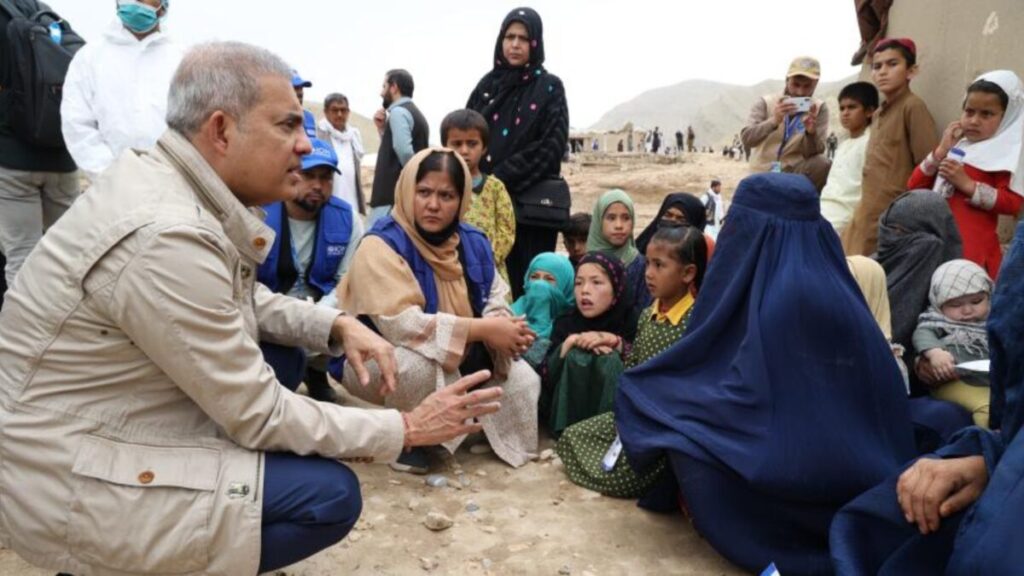
Tajudeen Oyewale, UNICEF Representative in Afghanistan, has stated that children are bearing the heaviest burden of the recent earthquake in eastern Afghanistan, and that girls in particular are facing unique risks. Speaking at a press conference in Geneva, Mr. Oyewale said: “Afghanistan is once again grappling with tragedy, and children are at the heart of a severe crisis.” He stressed that at least 1,172 children lost their lives in the earthquake — making up more than half of the total casualties. In addition, 45 children have been separated from their families and 271 have recently been orphaned. According to UN figures, the earthquake in eastern Afghanistan has claimed the lives of at least 2,164 people and injured more than 3,428 others. The UNICEF representative added that, as always in such disasters, children carry the heaviest burden. In total, more than half a million people have been affected, including 263,000 children who now face heightened risks. He said: “Girls, in particular, face unique risks. When homes are destroyed, girls are often the first to drop out of school in a country where their right to education already faces major obstacles. When families lose their livelihoods, girls are at greater risk of child marriage.” He emphasized that without action from the international community, the crisis will deepen existing inequalities and place a disproportionate burden on girls. The UNICEF representative also noted that their partners prioritize deploying female aid workers to ensure women and girls can safely and fairly access support. Previously, aid agencies reported a shortage of female aid workers and doctors in earthquake-affected areas. The de facto authorities have imposed severe restrictions on women’s movement and work. Aid organizations have called for these restrictions to be lifted. About two weeks ago, the deadly earthquake struck eastern Afghanistan, causing heavy casualties and destruction in Kunar province. OCHA reported that according to the latest figures, 2,164 people were killed and 3,428 others injured in the earthquake. According to the agency, the victims include 516 women, 476 men, 509 girls, and 663 boys. UN agencies have appealed for urgent funding to continue humanitarian assistance.

Read More


7 months ago - 417 Visits

The United Nations Office for the Coordination of Humanitarian Affairs (OCHA) has recently announced that, according to the latest figures, 2,164 people — including 1,025 women — have died and 3,428 others have been injured as a result of the earthquake in eastern Afghanistan. In a published report, the agency stated that the fatalities include 516 women, 476 men, 509 girls, and 663 boys, while the injured include 1,875 women and 1,553 men. The report further noted that 5,950 houses have been destroyed and another 1,195 houses damaged by the earthquake. It added that assessments are still ongoing in four villages, and the death toll could rise. Previously, officials of the caretaker government had announced that in Kunar alone, 2,205 people were killed and 3,640 were injured by the earthquake. They emphasized that 6,782 houses were also destroyed. In their initial figures, government officials had also reported that 12 more people were killed in Nangarhar province and dozens of houses were destroyed in Nangarhar, Laghman, Nuristan, and Panjshir provinces. However, OCHA reported that between 31 August and 4 September, a total of 411 villages were affected by the earthquake. Among them, 71 villages were located in Chapa Dara, Suki, Dara Pech, Nurgal, and Watapur districts of Kunar; Dara Noor and Kuz Kunar districts of Nangarhar; and Alingar district of Laghman. The agency stressed that, overall, the earthquake has affected 7,147 families — including 46,137 individuals — in eastern Afghanistan. The report also stated that so far at least 60,872 earthquake-affected people have received food assistance and specialized nutrition support, while safe drinking water has been provided for about 30,000 people. Furthermore, 1,666 emergency shelter kits, 1,486 emergency shelter repair kits, standard non-food item kits, winter clothing packages, blankets, 2,460 different types of hygiene kits, 3,780 packages, and 460,000 Aqua tablets have been distributed to vulnerable families. It should be noted that a 6-magnitude earthquake struck eastern Afghan provinces last Sunday night, with Kunar suffering the highest number of casualties and damage.

Read More


7 months ago - 391 Visits

Jawhara bint Abdulaziz Al-Suwaidi, Deputy Permanent Representative of Qatar in Geneva, stated that guaranteeing women’s right to education and employment should be considered a fundamental part of Afghanistan’s future and must remain a focus of the international community. She made these remarks at the session of the UN Human Rights Council in Geneva, noting that Afghanistan is facing numerous challenges, including economic crisis, unemployment, rising humanitarian needs, poverty, food insecurity, climate change, ongoing sanctions, and the return of millions of migrants. Al-Suwaidi further emphasized that the international community must continue supporting the rebuilding of Afghan institutions, delivering humanitarian assistance, and maintaining dialogue with all Afghan parties to create the conditions necessary for peace and Afghanistan’s reintegration into the international community. She added that in its dialogue with Afghan parties, Qatar has consistently highlighted human rights, stressing women’s participation, their right to education and work, and the protection of the rights of all segments of Afghan society. It is worth noting that following the return of the caretaker government to power, girls have been banned from attending secondary schools and high schools. Moreover, the current authorities have excluded women from most areas of employment—particularly in government offices and NGOs—while imposing broad restrictions on their participation in the labor market, measures that have drawn sharp criticism from the international community. As a result, millions of schoolgirls have been deprived of education. In addition, women have been banned from going to gyms, restaurants, public baths, being examined by male doctors, traveling without a male guardian, and working with local and international NGOs as well as UN offices in Afghanistan.

Read More


7 months ago - 388 Visits

UNESCO, the United Nations Educational, Scientific and Cultural Organization, has announced that in 2024, attacks on educational centers worldwide increased by 44%. Coinciding with the International Day to Protect Education from Attack, the organization issued a statement warning of the sharp rise in assaults on educational institutions in 2024, saying that 85 million children around the world living in crisis situations are not attending schools or educational centers. The statement added that in conflict-affected areas, attacks on schools and educational facilities have reached alarming levels, putting the future of hundreds of thousands of children and adolescents at serious risk. UNESCO stressed that in 2024 alone, 41,370 grave violations against children in armed conflicts were recorded worldwide — the highest level in the past 30 years. The organization further stated: “Schools and educational facilities, which under international humanitarian law must be protected under all circumstances, are now on the frontline. In 2024 alone, 1,265 schools were attacked, marking a 44% increase compared to 2023.” UNESCO also noted in its statement that the military use of schools — in violation of international humanitarian law — is becoming increasingly common in countries such as Ukraine, Gaza, Myanmar, Haiti, and Afghanistan. In 31 crisis-affected countries, UNESCO has mobilized its local partners to provide practical educational solutions as well as material and psychosocial support for tens of thousands of students and teachers, particularly in Afghanistan, Gaza, Sudan, Syria, and Ukraine. The organization has also called on all parties to conflicts to fully comply with UN Security Council Resolution 2601 (adopted in 2021) and the Safe Schools Declaration.

Read More


7 months ago - 333 Visits

Volker Türk, the UN High Commissioner for Human Rights, has recently stated that Afghanistan, due to restrictions on women’s and girls’ access to health services, has one of the highest maternal mortality rates in the world. Mr. Türk made these remarks at the opening of the 60th session of the UN Human Rights Council, saying that Afghanistan’s de facto authorities have not only restricted women’s access to health services but have also violated many of their human rights. He further emphasized: “Over the past year, the exclusion of women and girls from public life has become almost complete.” The UN High Commissioner for Human Rights also referred to the expulsion of Afghan migrants from Iran, Pakistan, and several other countries, adding that policies and practices violating the rights of migrants and refugees are becoming normalized in some states. It is noteworthy that since taking control of Afghanistan, the current authorities have deprived women and girls of education. In their latest restriction, they closed the doors of medical institutes to female students, despite the severe shortage of health personnel in the country. This action has left millions of school-aged girls without access to education. In addition, women have been banned from going to gyms, restaurants, public baths, being examined by male doctors, traveling without a male guardian, and working in national and international NGOs, as well as UN offices in Afghanistan. Currently, Afghanistan is facing a severe humanitarian crisis, with half of the population in need of humanitarian aid. At the same time, the mass expulsion of Afghan migrants from neighboring countries has further worsened the situation. Meanwhile, UN agencies have warned about the shortage of female doctors in the country.

Read More


8 months ago - 296 Visits

The World Health Organization (WHO) has recently called on Afghanistan’s de facto authorities to lift restrictions imposed on female aid workers so they can provide assistance to survivors of the deadly earthquake in eastern Afghanistan. Dr. Mukta Sharma, Deputy Representative of WHO for Afghanistan, raised this concern in an interview with Reuters, saying: “The very big issue right now is the increasing shortage of female staff in earthquake-affected areas.” She estimated that about 90 percent of the medical staff in the region are men, while the remaining 10 percent are mostly midwives and nurses rather than doctors who can treat severe injuries. The shortage of female doctors, she said, prevents injured women from accessing proper healthcare. The WHO also reported yesterday that a lack of vehicles to transport patients and the shortage of female health workers have limited the medical care available to earthquake survivors. The organization further stressed that the current government’s restrictions on women’s movement are also disrupting women’s and children’s access to healthcare. Sharma added that female aid workers and humanitarian organizations face uncertainty and, in some cases, are unable to take the risks required to carry out their duties. She emphasized: “The restrictions are very high. The issue of mahram (the requirement for a male guardian) continues, and no official exemptions have been provided.” She further expressed deep concern that women in the future may not be able to access mental health services, especially those coping with trauma or the loss of male family members. Meanwhile, the United Nations estimates that about 11,600 pregnant women have also been affected by the earthquake. Cuts in funding — including reductions by the United States this year — have pushed the healthcare system into an even deeper crisis. According to the WHO Deputy Representative, about 80 health centers in the affected areas have been forced to close this year due to the cut in U.S. aid, and another 16 health facilities were shut down because of earthquake damage.

Read More


8 months ago - 354 Visits

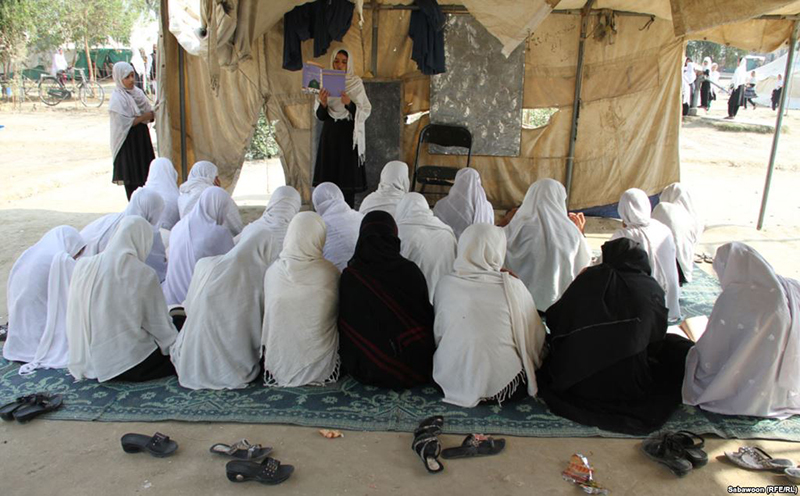
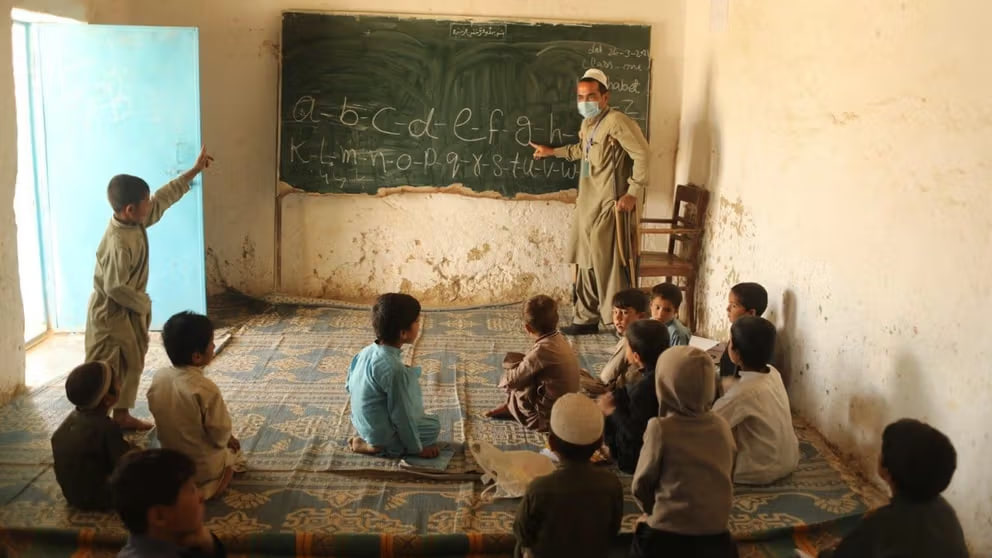
Mohibullah Haidari, head of the Kunar provincial education department, says that following the recent deadly earthquake, 391 students have lost their lives, 760 others have been injured, and more than 157,000 students in the quake-affected areas have been deprived of education. Speaking to TOLOnews, Haidari stated: “Across Kunar, 157,074 students are currently deprived of education. In the earthquake, 391 students and three teachers lost their lives, while 760 students and 20 teachers were injured.” He emphasized that in Kunar, as in other warmer provinces, the academic year starts on September 6 (15th of Sunbula), but thousands of students in the quake-affected areas have been left without schooling. Students deprived of education are calling on officials and aid organizations to provide the means for them to continue their studies. Some students said: “The earthquake completely destroyed our school. We are very sad because there is no school here where we can study. Schools in other villages have also been destroyed, and we have been forced to come to camps.” Students have called for the establishment of mobile schools and urged aid organizations and the government to prioritize education in their relief efforts. According to the Kunar provincial education department, 53 schools were completely destroyed and another 253 were partially damaged as a result of the quake. The 6-magnitude earthquake on Sunday night, which struck eastern parts of the country, caused the most casualties and destruction in Kunar province. According to figures from the caretaker government, 2,205 people were killed and 3,640 others were injured in Kunar alone. Government officials also announced that 6,782 houses were destroyed in the province as a result of the earthquake.

Read More