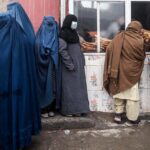
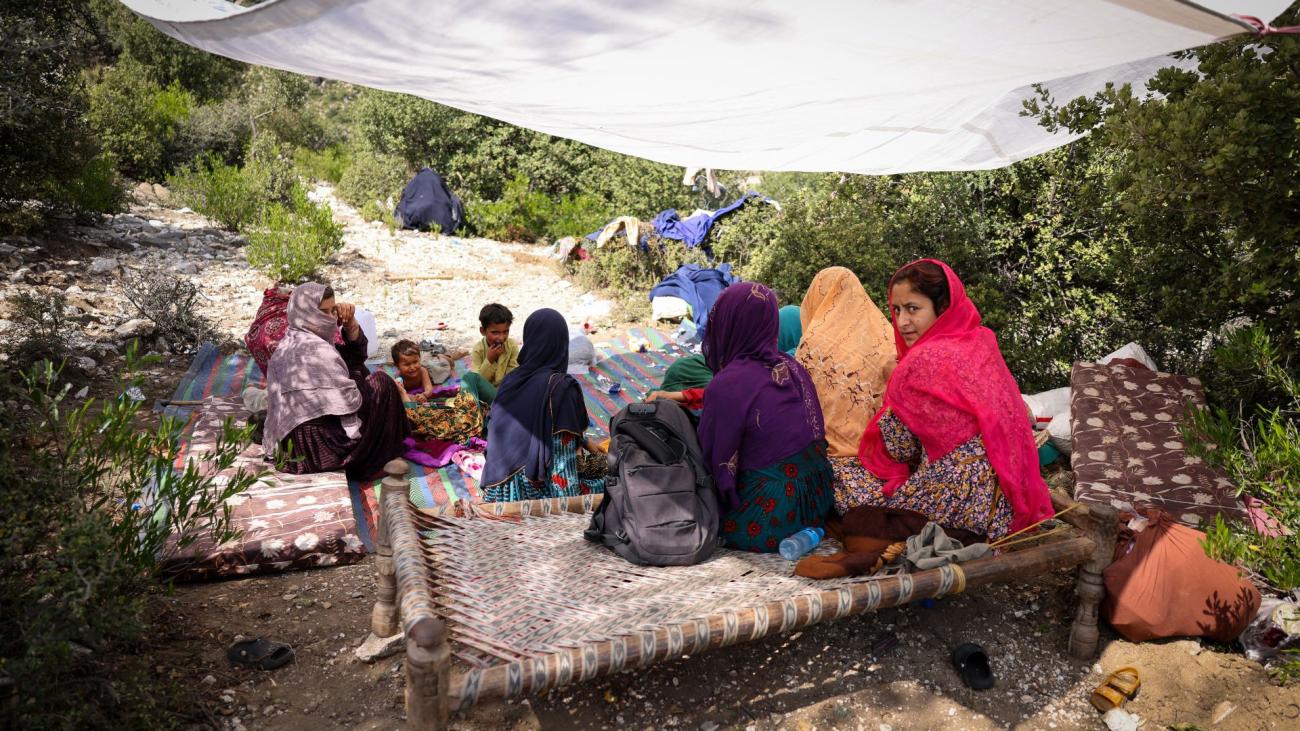
The United Nations has recently stated that women and girls are on the frontline of the climate crisis while also playing a crucial and unique role in advancing climate action.
In a report published the UN indicated that women and girls disproportionately suffer from climate change, as they constitute a significant portion of the world’s poorest populations, with their lives and livelihoods dependent on local natural resources.
The organization emphasized that women and girls, especially in rural areas, are primarily responsible for providing food, water, and firewood for their families. As a result, during times of drought and heavy rainfall, they are compelled to work harder, travel longer distances, and spend more time seeking income and essential resources for their families.
The report noted that the unique circumstances faced by women in the context of climate change, along with the increase in conflicts, inequalities, and vulnerabilities resulting from climate change, may expose them to a higher risk of gender-based violence.
Moreover, the United Nations added that during extreme weather events, the likelihood of women and children dying is 14 times greater than that of men; this is due to their limited access to information and the constraints they face in mobility and decision-making.
It further stated that this situation in Afghanistan, due to additional restrictions and the closed conditions for women, has placed them at greater risk from severe natural events.
According to the UN report, following the earthquake in Herat in 2023, 1,384 people lost their lives in this event, with women accounting for 759 deaths compared to 625 men. Additionally, 1,583 individuals were injured, of whom 1,137 were women. Overall, 90% of the victims of this event were women and children.
The UN estimates that out of every five individuals displaced due to the impacts of climate change, four are women and girls.