Author: رسانه‌ای گوهر شاد

6 months ago - 401 Visits

NAI, the organization supporting free media in Afghanistan now operating in exile, has described the deportation of Afghan journalists from Pakistan as “sending them to their deaths.” The organization has called on the Pakistani government to stop deporting vulnerable individuals, including journalists and media workers, to Afghanistan. In a statement, NAI said that deporting journalists violates all international human rights and civil rights standards. The organization emphasized that countries that have joined international human rights declarations and covenants must act according to their global commitments and must not put any vulnerable person in danger. In the latest case, sources among Afghan migrants in Pakistan reported that Pakistani police have arrested Fatema Hamnawa, an Afghan journalist, along with her two young children. NAI, the organization supporting free media in Afghanistan, has called on the Pakistani government to release Ms. Hamnawa immediately and to facilitate the extension of her visa. The organization stressed that the government of Pakistan had pledged to prevent the arrest and deportation of Afghan human rights activists, journalists, media workers, and others whose lives are at risk in Afghanistan. NAI urged the Pakistani government to honor its commitments and to stop deporting vulnerable individuals, including human rights activists, journalists, and media workers, to Afghanistan. Human rights organizations have also repeatedly warned that Afghan journalists in Iran are at risk of deportation to Afghanistan. Over the past four years, a number of journalists and civil activists have sought refuge in neighboring countries due to threats and insecurity in Afghanistan.

Read More


6 months ago - 182 Visits

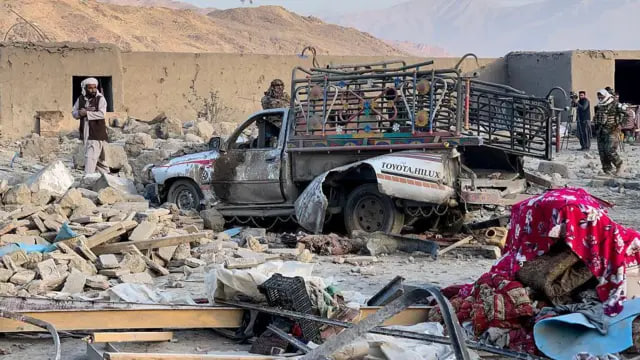
The United Nations Entity for Gender Equality and the Empowerment of Women (UN Women) in Afghanistan has recently announced that female aid workers have been deployed to conduct initial assessments and assist women and girls in areas affected by the recent earthquake in the north of the country. In a post on its official X (formerly Twitter) account, UN Women stated: “Following the earthquake two nights ago in northern Afghanistan, we are working with our local partners to assess the immediate needs of women and girls.” The agency further emphasized its support for the female aid workers who are being deployed with initial assessment teams to help affected women and girls. Meanwhile, the United Nations High Commissioner for Refugees (UNHCR) also expressed deep concern over the devastating earthquake in northern Afghanistan in a post on its X account. The UNHCR expressed sympathy with the victims of the natural disaster and urged the United Nations and its partners to provide immediate support to the “affected communities.” According to preliminary figures from the de facto authorities, the 6.3-magnitude earthquake that struck five northern provinces two nights ago has left 27 people dead and 730 others injured. In addition to the human casualties, the earthquake has caused significant material damage. Several neighboring countries, along with international organizations, have expressed condolences to the families of the victims and announced their readiness to assist the injured.

Read More


6 months ago - 226 Visits

The Afghanistan Journalists Center has recently announced that in the past two decades, around 130 journalists and media workers — including 20 female journalists — have lost their lives in Afghanistan due to war-related incidents and organized crimes. In a statement issued on the occasion of the “International Day to End Impunity for Crimes against Journalists,” the center said that since 2001, at least 130 journalists and media workers, among them 20 women, have been killed in the country. It added that due to a culture of impunity, law and justice have not been upheld in more than 90 percent of these cases. The Afghanistan Journalists Center emphasized that during more than four years under the rule of the caretaker government, at least 640 cases of violations of journalists’ rights and actions against media outlets have been recorded. The statement further noted that during this period, five journalists — including two employees of the National Radio and Television — were killed in an attack by Pakistani military forces. It added: “The culture of impunity for crimes against journalists has prevented justice for most of these victims, and restrictions on media and journalistic activities in the country have increased to an unprecedented level.” The center stated that the dominance of the culture of impunity in Afghanistan, along with the growing threats, pressures, and restrictions against journalists and media organizations, has had severe consequences for society and the country’s development. The Afghanistan Journalists Center called on the current government to respect the fundamental rights of journalists and media outlets and to take necessary measures to ensure justice for the victims of crimes against journalists and media workers. In conclusion, the center urged the caretaker government to revoke the decrees that have imposed unprecedented restrictions on media freedom and to allow journalists and free media to report events and convey the truth.

Read More


6 months ago - 214 Visits

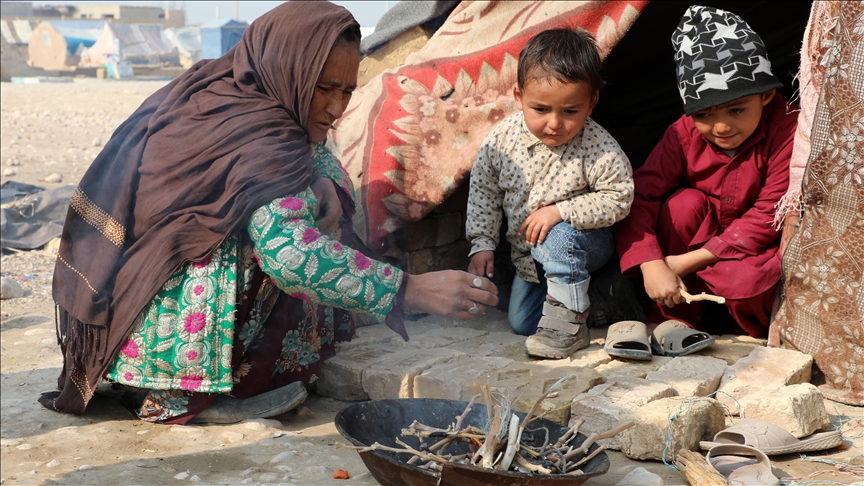
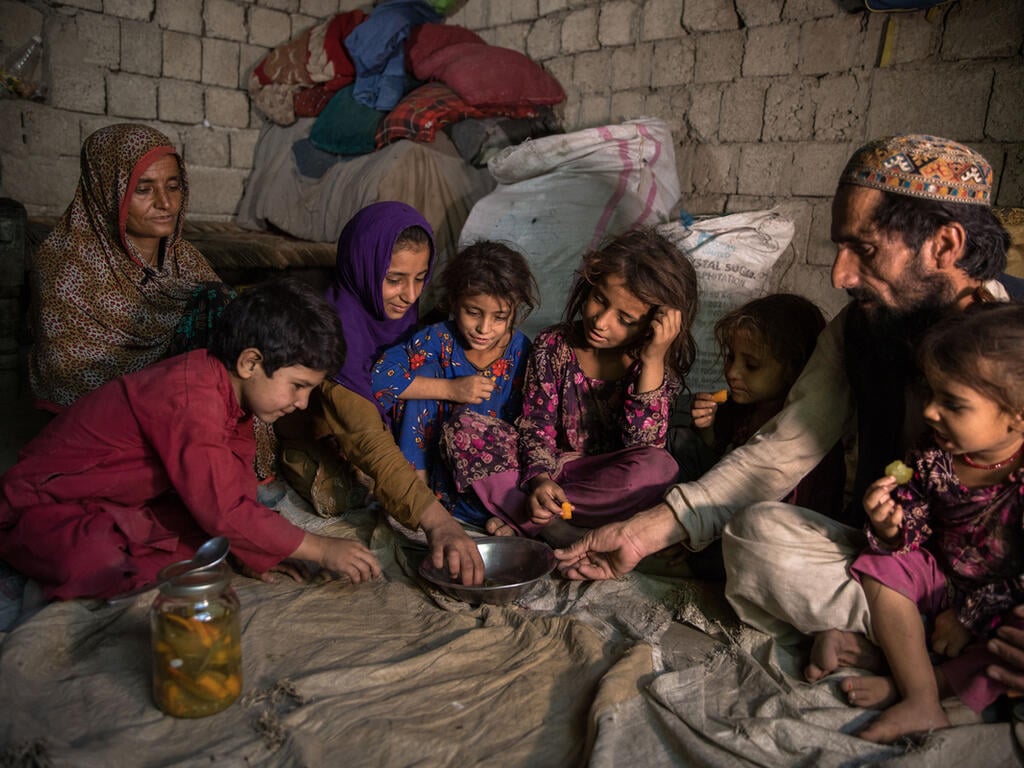
Local sources from Kandahar province report that in one of the migrant camps in the Takht-e Pol district of this province, two children and a woman died due to hunger and illness. At least two sources have stated that these individuals died on the evening of Friday, October 31, in the "Anzargi" area of the Takht-e Pol district in Kandahar. The source further emphasized that the family of the deceased children had been stranded at the Chaman border for 15 days and finally entered Afghanistan through Spin Boldak, but their children died from hunger. The source added that according to available information, the children were two and three months old. The source clarified: "The woman who died was also severely ill due to being stranded on the other side of the border." Additionally, some media outlets have quoted the head of the government’s refugee affairs in Kandahar, confirming the deaths of these two children. The report states that this incident highlights the increasing poverty and acute food insecurity among returnees. Meanwhile, UNICEF, or the United Nations Children's Fund representative in Afghanistan, has stated that the country is facing one of the most severe nutrition crises globally, with 3.5 million children suffering from acute malnutrition. In late September of this year, the Secretary-General of the United Nations warned in a report that approximately 9.5 million people in Afghanistan are struggling with severe food insecurity, with 1.6 million of them in an emergency situation. The United Nations indicates that the food crisis in Afghanistan has been exacerbated by the forced return of migrants and cuts to financial aid, leaving millions at risk of hunger and malnutrition. Human rights organizations and international bodies emphasize the worsening poverty, unemployment, and food insecurity among returning migrants, while Iran and Pakistan continue to detain and deport hundreds of Afghan migrants daily. According to statistics from the UN High Commissioner for Refugees, from April to November of this year, 2 million and 78 thousand Afghan migrants have returned from Iran and Pakistan to Afghanistan.

Read More


6 months ago - 267 Visits

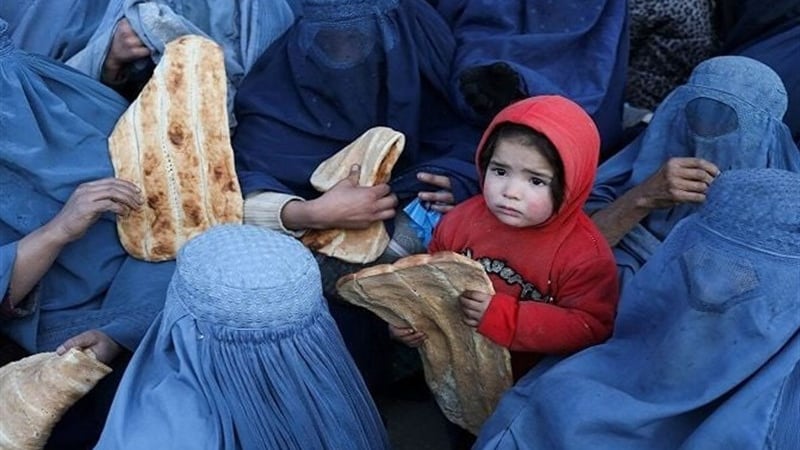
Tajudeen Oyewale, UNICEF’s Representative in Afghanistan, has stated that the country is facing one of the most severe malnutrition crises in the world. In a post on his account on X, Mr. Oyewale wrote that 3.5 million children are suffering from acute malnutrition, with one million severely wasted and at risk. He emphasized: “This is preventable. Sustainable funding and access to female health workers can save lives and protect children’s futures.” Earlier, OCHA — the UN Office for the Coordination of Humanitarian Affairs — had also said that Afghanistan is facing one of the worst hunger crises in the world. The agency reported that 9.5 million people are suffering from severe food insecurity, and one in five people does not know where their next meal will come from. The return of the interim government to power and worsening drought conditions have deepened poverty across Afghanistan. The United Nations recently reported that more than 22 million people in the country are in need of humanitarian assistance, even as international aid to Afghanistan has declined. Meanwhile, as the economic situation deteriorates, neighboring countries have been forcibly returning Afghan migrants. This year alone, over two million Afghans have returned from Iran and Pakistan.

Read More


6 months ago - 313 Visits

Zakia Khudadadi, a para-taekwondo champion and the first Afghan medalist in the history of the Paralympic Games, has received the prestigious Council of Europe Prize during an official ceremony held in Lisbon, where the award was presented to her by the President of Portugal at the country’s parliament. In a message posted on her Instagram account, Khudadadi wrote that this award, known as the North–South Prize, is one of the most important international honors in the field of human rights and intercultural dialogue among nations. The ceremony was attended by Marcelo Rebelo de Sousa, President of Portugal, who personally handed the prize to Zakia Khudadadi. Speaking about the award, Khudadadi said: “For me, this recognition is not just an award—it is a symbol of hope, resilience, and belief in dreams for all those who face great obstacles in life yet refuse to give up.” She further emphasized: “As a Paralympic athlete and a refugee, I have always believed that sport is not merely competition—it is a bridge connecting people and fostering peace. I dedicate this prize to all refugees, the courageous women of Afghanistan, and athletes everywhere who strive every day to build a better future.” In recent years, Zakia Khudadadi has shone on major para-taekwondo stages. Her most remarkable achievement was winning a bronze medal at the 2024 Paris Paralympic Games, an accomplishment that immortalized Afghanistan’s name in Paralympic history. Earlier, on Thursday, June 25, Khudadadi also received the Women’s Achievement Trophy during the 10th France Euro Méditerranée ceremony held at the French Senate. On May 29, 2025, she announced that she had won a bronze medal at the Rio Open G2 2025 Para-Taekwondo Championships in Brazil. Earlier this year, Khudadadi was also recognized by the International Paralympic Committee with the Emerging Leadership Award for International Women’s Day 2025, honoring her advocacy for women’s rights in Afghanistan, especially the right of girls to education and sport.

Read More


6 months ago - 223 Visits

The United Nations Assistance Mission in Afghanistan (UNAMA) has announced that the de facto authorities, in late August of this year, closed religious schools for girls in several provinces. In a newly released report, the mission stated that in August 2025, the current government shut down three religious schools in Kabul for allegedly “violating hijab regulations, teaching regular school subjects, and admitting girls above grade six.” According to the report, government officials in the provinces of Paktika and Badakhshan also refrained from “admitting girls over the ages of 10 and 13 to religious schools” in late August. UNAMA further emphasized that during the three months covered by the report, it documented at least 456 cases of arrests and detentions and 44 cases of mistreatment of women and men by the so-called Ministry for the Propagation of Virtue and Prevention of Vice. The UN mission noted that individuals were arrested and mistreated for reasons such as “styling hair or beards in a Western fashion, playing or listening to music, and failing to observe the hijab.” According to the report, between July and September of this year, government authorities publicly flogged 263 people, including 209 men and 54 women, across several provinces. The report added that over the past four years, the current authorities have issued more than 80 decrees aimed at restricting the rights and freedoms of women and girls. Since taking power, the government has banned women and girls from education. In its most recent restriction, it closed medical institutes to female students, despite a nationwide shortage of healthcare workers. This policy has left millions of girls deprived of education. In addition, women are banned from going to gyms, restaurants, public baths, being examined by male doctors, traveling without a male guardian, and working with national and international NGOs — including UN offices in Afghanistan.

Read More


6 months ago - 423 Visits

The film Sima’s Song, directed by the acclaimed Afghan filmmaker Roya Sadat, has won the Audience Award at the Invisible Cinema Festival held in Bilbao, Spain. Ms. Sadat announced the news on her official Facebook account, saying that the film had the highest number of viewers during its three consecutive screenings and received an enthusiastic response from the audience. In part of her message, she wrote that the festival had been “a deeply meaningful experience” for her. She went on to express her appreciation for the organizers’ hard work, hospitality, commitment to art, and their deep connection with the public—especially the younger generation, emphasizing that receiving this award was a great honor for her. According to her post, the Audience Award of the festival was received on behalf of the filmmaking team by Alba Sotura Clua, one of the film’s producers. Roya Sadat added that Sima’s Song was produced in collaboration with Roya Film House, Balder Film, Volos Film, Urban Factory, and several other studios. The Afghan director noted that the film features performances by Mozhdah Jamalzadah, Nilofar Kukhani, Aziz Dildar, Lina Alam, Nilofar Pazira, Max Gross, Peyman Aryanfar, Morteza Alavi, Zubair Padash, and Halima Ahmadi. It is worth mentioning that Sima’s Song presents a human story of women, resilience, and hope in today’s Afghanistan and has been warmly received at various international film festivals. This achievement comes shortly after Roya Sadat was honored with a special award at the Toronto International Film Festival (IFFSA).

Read More


6 months ago - 192 Visits

The United Nations Women has stated that reports indicate that, as a result of the strict policies of the caretaker government against women and girls over the past four years, Afghanistan has the second-largest gender gap in the world. This organization, in a published report, noted that Afghanistan has a 76% disparity between women and men in the areas of health, education, financial inclusion, and decision-making participation, and that the country is experiencing one of the worst human rights crises. Findings from the United Nations Women show that out of every 10 women in Afghanistan, eight are deprived of education, work, and skills training; a statistic that is nearly four times that of men. The United Nations Women further warned that if the entire population of Afghanistan is not empowered, the development process in the country will continue to decline. Previously, the United Nations had also warned that the restrictions imposed on women and girls after the takeover of the caretaker government have undermined achievements in gender equality. According to United Nations data, the current government has issued more than 80 decrees aimed at restricting women and girls over the past four years. Additionally, since taking control of Afghanistan, the current government has deprived women and girls of education. In its latest restriction, it closed the doors of medical institutes to girls and women, while the health sector across Afghanistan is facing a shortage of personnel. This action by the current government has resulted in millions of female students being unable to pursue education. Furthermore, women have been banned from going to sports clubs, restaurants, public baths, examinations by male doctors, traveling without a male guardian, and working in domestic and international NGOs as well as even in United Nations offices in Afghanistan.

Read More


6 months ago - 292 Visits

The United Nations Entity for Gender Equality and the Empowerment of Women (UN Women) has recently announced that since the return to power of the de facto authorities in Afghanistan, Afghan women and girls have been facing unprecedented restrictions on their rights, freedoms, and dignity. In a report released day (Sunday, October 26), the organization stated that, according to the Afghanistan Gender Index 2024, nearly eight out of every ten young Afghan women are deprived of education, employment, and training opportunities — a figure four times higher than that of men. The report indicates that Afghanistan has the second-widest gender gap in the world, with a 76% disparity between women and men in the areas of health, education, and decision-making. The Afghanistan Gender Index 2024 report, financially supported by the European Union, assesses the status of women across five key dimensions: life and health, education and skills, employment and financial participation, participation in decision-making, and freedom from violence. UN Women also warned that Afghanistan’s development will continue to decline unless the entire population — especially women — is empowered. This criticism comes as the current authorities, since taking control of Afghanistan, have systematically banned women and girls from education and schooling. In their latest restriction, they closed the doors of medical institutes to female students — even though the health sector across Afghanistan suffers from a severe shortage of personnel. As a result of these measures, millions of school-age girls have been deprived of education. In addition, women have been barred from entering gyms, restaurants, and public bathhouses, from being examined by male doctors, from traveling without a male guardian, and from working with national and international NGOs — including UN offices in Afghanistan.

Read More