Author: رسانه‌ای گوهر شاد

4 months ago - 258 Visits

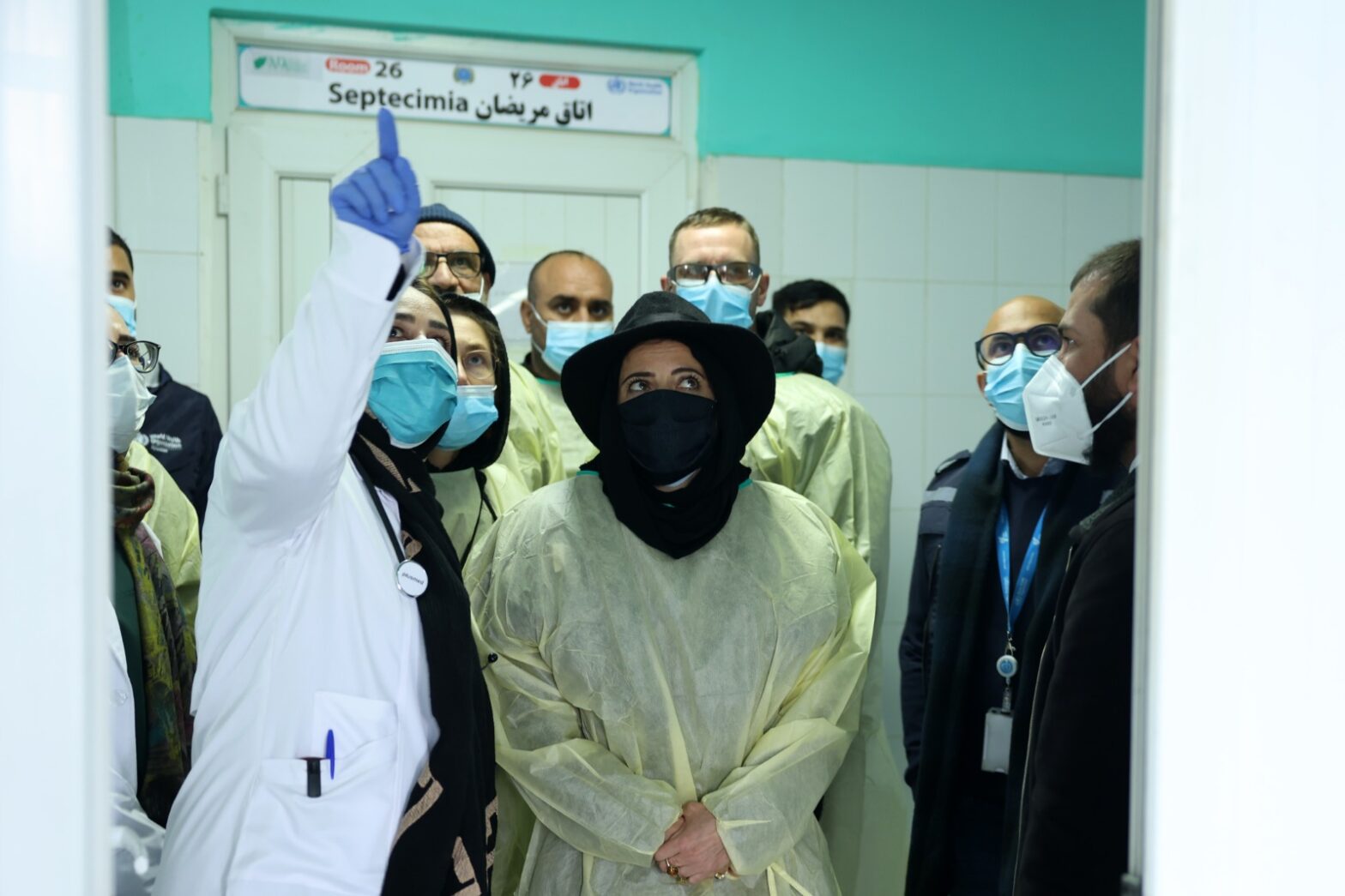
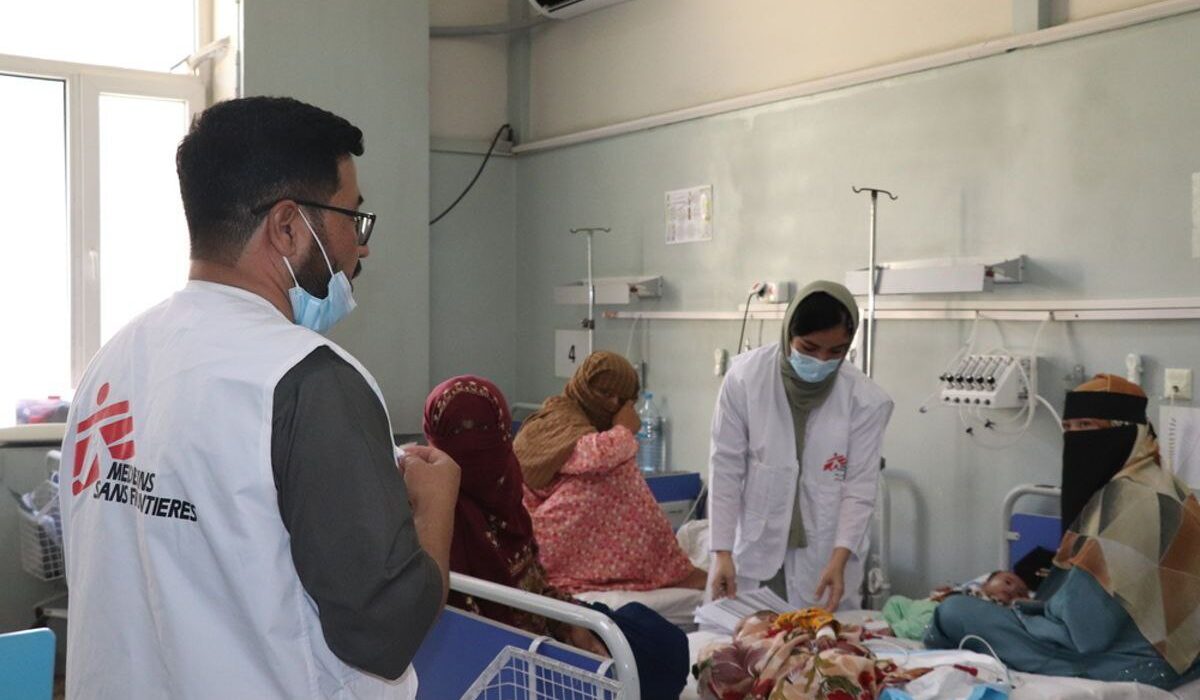
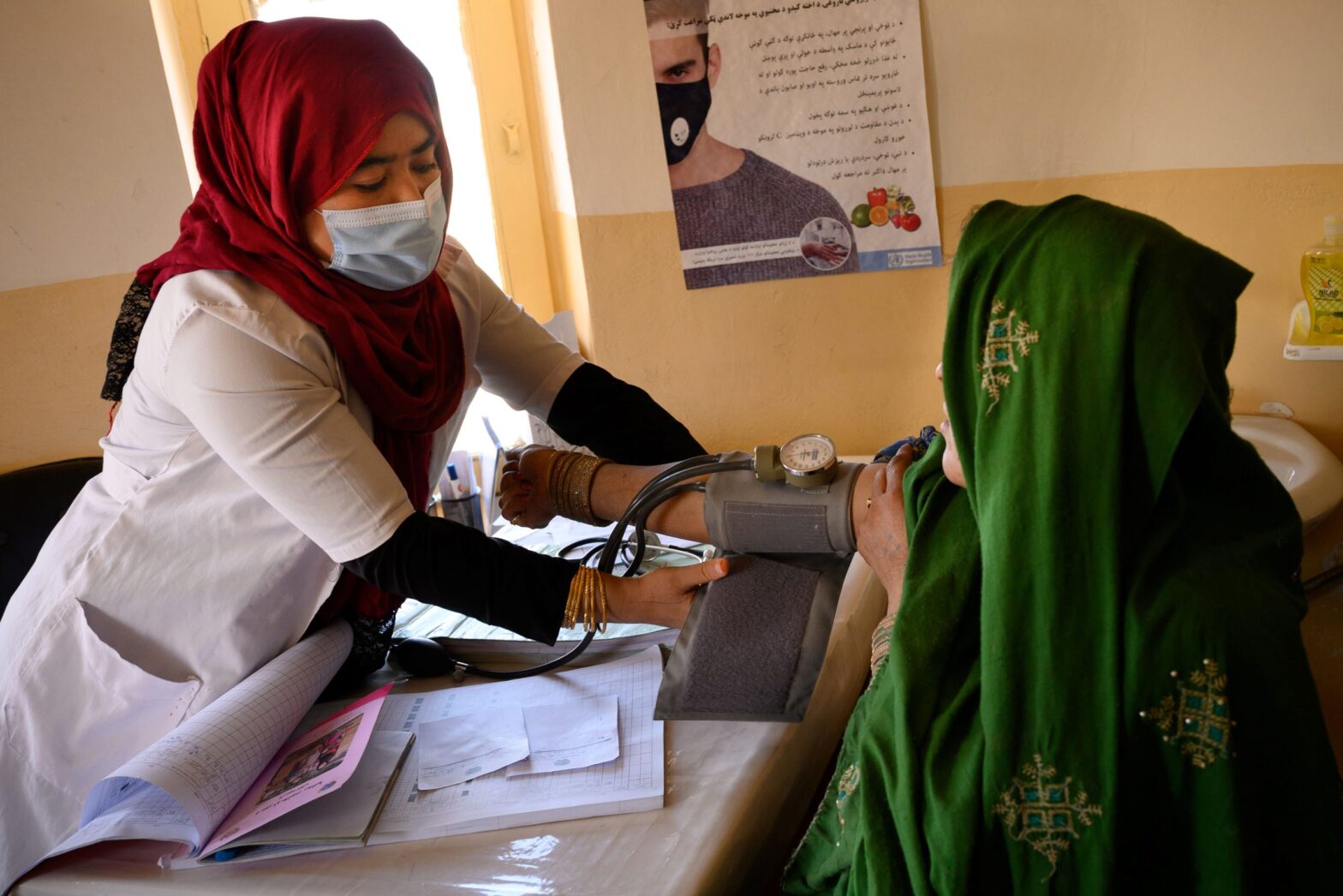
The United Nations has recently announced that every four minutes, four women around the world are diagnosed with breast cancer. In a statement released on its official X account to mark Breast Cancer Awareness Month, the organization stated that one out of every four women diagnosed with breast cancer dies from the disease. The UN further emphasized that lifestyle changes can significantly reduce the risk of developing this illness. The statement recommended measures such as avoiding cigarette use, limiting or abstaining from alcohol, and engaging in regular physical activity and daily exercise to prevent breast cancer. It also added that the United Nations has called on countries and individuals to maintain women’s health and reduce breast cancer–related deaths by adopting healthy lifestyles and undergoing early screening or medical checkups for timely diagnosis. Breast Cancer Awareness Month began in the United States in the 1980s. The campaign was initially launched by the American Cancer Society and was later adopted by the World Health Organization (WHO) and other international bodies, eventually spreading worldwide. The initiative aims to raise awareness, encourage early screening or examinations, and reduce women’s mortality rates caused by breast cancer. The UN’s report comes as the World Health Organization has warned of the alarming rise of heart disease, diabetes, cancer, and chronic respiratory illnesses among Afghan women. According to WHO, breast and cervical cancers are among the most common cancers affecting women in Afghanistan, and cardiovascular diseases alone claim the lives of more than 40,000 people each year in the country.

Read More


4 months ago - 319 Visits

Roya Sadat, a renowned Afghan filmmaker, has announced that she received an honorary award at the Toronto International Film Festival (IFFSA). Ms. Sadat wrote on her Facebook page on Sunday, October 12, that Mozhdah Jamalzadah — a singer and director in the film The Song of Sima — also received an award at the festival. She emphasized that the two awards were presented in “special recognition of The Song of Sima” and in honor of Afghan cinema and storytelling. Sadat added that the event coincided with the Canadian premiere of The Song of Sima and was “a special night dedicated to honoring Afghanistan’s musical and cultural traditions” — traditions that have remained inspiring and enduring through the centuries. She expressed her gratitude to Indian filmmaker Anup Singh and all members of the production team, noting that the film was a joint effort among several studios from different countries. The Song of Sima stars Mozhdah Jamalzadah and Nilofar Kokani. This latest work by Roya Sadat is a dramatic and human story about two young women in 1970s Afghanistan, depicting their lives and beliefs amid the country’s political and social transformations. Previously, in March 2018, Roya Sadat received the “Alternative Oscar” award for her film A Letter to the President, which had been nominated as an alternative to the Oscars. The award was presented to Ms. Sadat at a ceremony organized by the Dutch Ministry of Foreign Affairs and the United Nations Security Council.

Read More


4 months ago - 208 Visits

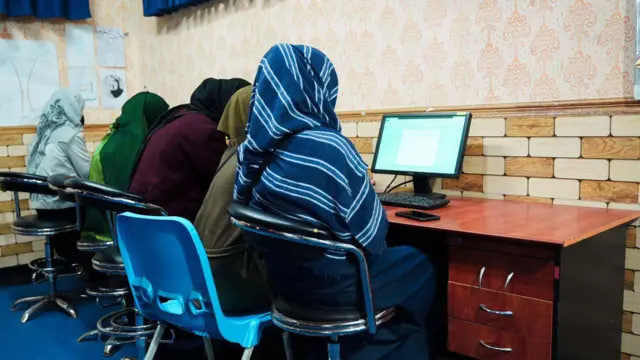
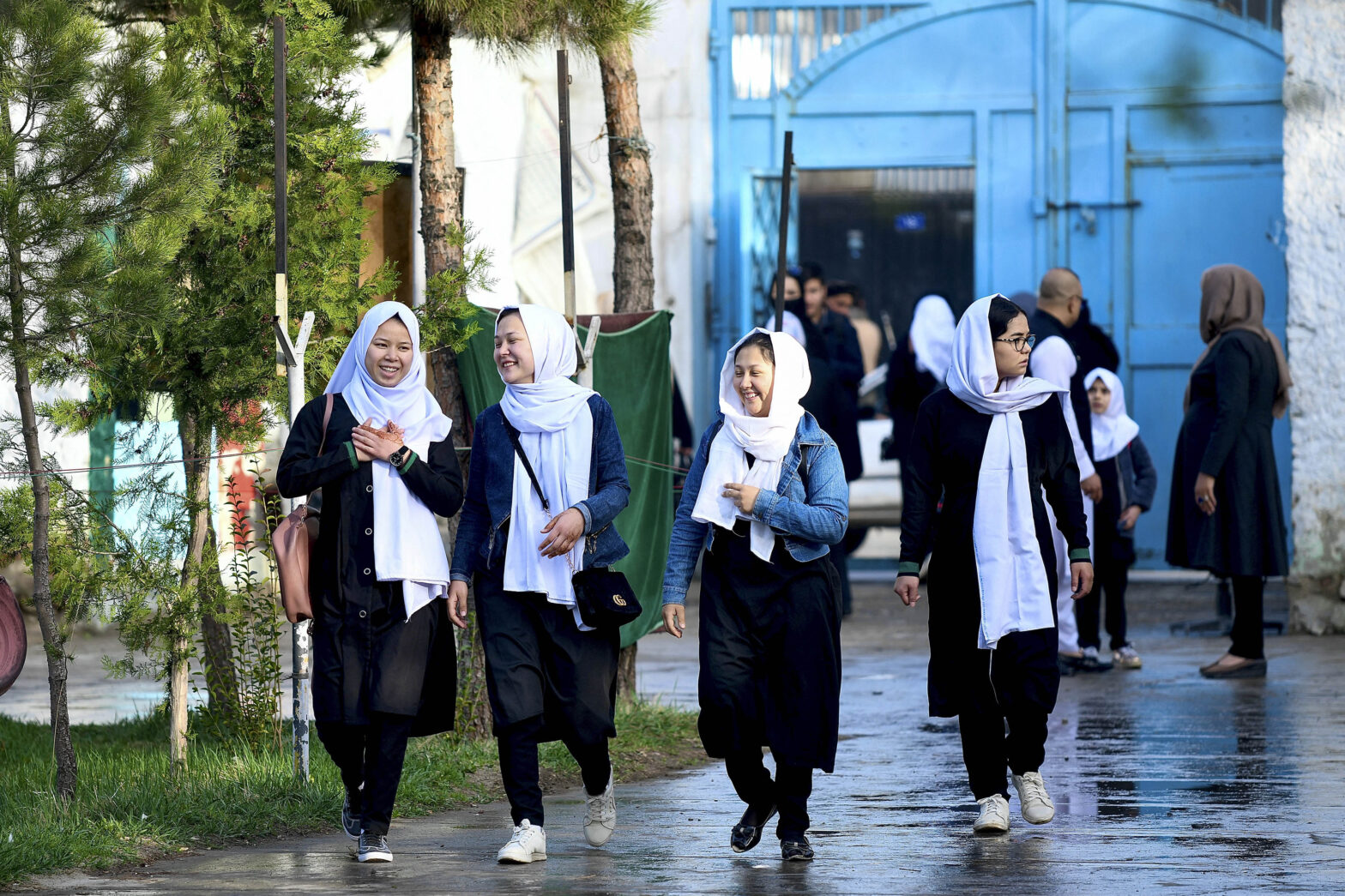
The British Embassy for Afghanistan has announced, on the occasion of the International Day of the Girl, that the United Kingdom will continue to support Afghan girls who are facing serious challenges in accessing education. In a statement posted on its official account on X, the embassy wrote: “Educating girls empowers them, strengthens communities, and drives economic growth.” October 11, corresponding to the 19th of Mizan, has been designated by the United Nations General Assembly as the International Day of the Girl Child. The British Embassy further emphasized that no country can advance if half of its population is left behind. It is worth noting that since returning to power, the de facto authorities have banned girls from attending school. The government has even prohibited medical education for women, despite Afghanistan’s critical shortage of female doctors. According to UNESCO statistics, 1.4 million girls above grade six in Afghanistan are currently denied access to schooling. Additionally, the United Nations Children’s Fund (UNICEF) has previously reported that by the end of this year, the number of girls deprived of education in Afghanistan may exceed 2.2 million. Despite this, the international community and Afghan citizens have repeatedly urged the current government over the past four years to allow women and girls to receive education — but these calls have so far been ignored. A UN survey also shows that 92% of Afghan citizens believe that girls should be allowed to study.

Read More


4 months ago - 274 Visits

The United Nations Children’s Fund (UNICEF) has recently stated that Afghanistan’s education system is facing enormous challenges, but the opportunity for rebuilding still remains. In a message posted on its X account today (Saturday, October 11), UNICEF wrote that lifting the ban on secondary education for girls and investing in primary education are essential to protect progress and to keep education accessible for every girl and boy. It is worth noting that after returning to power, the interim government deprived women and girls of education and work. The current administration has even banned medical education for women and girls, despite the country’s severe shortage of female doctors. Additionally, women have been prohibited from going to gyms, restaurants, and public baths; being examined by male doctors; traveling without a male guardian; and working in national and international NGOs, as well as in United Nations offices in Afghanistan. According to UNESCO (the United Nations Educational, Scientific and Cultural Organization), 1.4 million girls above grade six are currently barred from attending school in Afghanistan. Over the past four years, both the international community and Afghan citizens have repeatedly urged the current government to allow girls and women access to education, but these calls have so far been ignored. It should be noted that a United Nations survey shows that 92 percent of Afghan citizens believe that girls should be allowed to study.

Read More


4 months ago - 307 Visits

The World Bank has recently stated that no region in the world would benefit as much from removing barriers to women’s participation as the Middle East, North Africa, Afghanistan, and Pakistan. According to the Bank, enabling women to engage fully in the workforce could pave the way for sustainable growth and economic justice across the region. In its newly released report, the World Bank noted that the economic outlook for the Middle East, North Africa, Afghanistan, and Pakistan is improving in 2025. The report projects that the region’s economic growth will reach 2.8% in 2025 and 3.3% in 2026. However, the Bank warned that global instability, ongoing conflicts, shifts in trade policies, and rising displacement could threaten this economic recovery. The report highlights that Gulf Cooperation Council (GCC) countries will benefit from the gradual end of voluntary oil production cuts and the expansion of non-oil industries. Meanwhile, oil-importing countries are expected to experience economic recovery driven by increased private investment, public spending, and revitalized agricultural and tourism sectors. Titled “Jobs and Women: Untapped Talent, Unrealized Growth,” the report underscores the crucial role of women’s participation in the region’s economic development. According to World Bank findings, only about 20% of women in the region are part of the labor force — the lowest female participation rate in the world. Ousmane Dioune, the World Bank Vice President for the Middle East, North Africa, Afghanistan, and Pakistan, stated: “I’m calling for bold actions, not incremental steps. To fully unlock women’s potential in the region, the barriers to their participation must be comprehensively addressed. A dynamic private sector that creates jobs and reshapes aspirations is the key to real progress.” Roberta Gatti, the World Bank’s Chief Economist for the region, also emphasized: “Increasing women’s labor force participation could lead to significant economic gains. Removing obstacles that prevent women from working could raise per capita GDP in countries such as Egypt, Jordan, and Pakistan by 20 to 30 percent.”

Read More


4 months ago - 213 Visits

The United Nations Women’s Section, on the occasion of World Teachers’ Day, has stated that “education is not a crime” and that 92% of Afghans consider girls’ education important. The organization wrote on its X account today (Monday, 14th of Mizan) that this figure was obtained through a survey involving 2,000 Afghan citizens. UN Women further emphasized: “When girls are educated, they unlock the power to shape a better future for everyone.” The agency had previously reported that over 80% of girls and women in Afghanistan have been deprived of access to education and employment. Similarly, UNAMA (the UN Assistance Mission in Afghanistan) and the European Union also highlighted the importance of girls’ education yesterday in connection with World Teachers’ Day. UNAMA stated that education is vital and essential for building a peaceful, stable, self-reliant, resilient, and prosperous Afghanistan. However, since the Taliban’s return to power, the celebration of World Teachers’ Day in Afghanistan has been banned. Most recently, the Herat Department of Education has instructed both public and private schools in the province not to celebrate Teachers’ Day. It is worth noting that October 5 is designated as World Teachers’ Day and is celebrated globally.

Read More


4 months ago - 176 Visits

On the occasion of World Teachers’ Day, former Afghan President Hamid Karzai expressed hope that equal and broad educational opportunities will be provided for all boys and girls in the country. In a message posted on his X (formerly Twitter) account today (Sunday, October 5), Karzai congratulated all teachers—especially female teachers—on the occasion of World Teachers’ Day and appreciated their dedication to Afghanistan’s education sector. He emphasized: “It is evident that teachers in Afghanistan, despite exhaustion, difficulties, economic pressures, and limited resources, continue to strive for the education and upbringing of the country’s children, performing their duties with full commitment and sincerity.” Karzai further wrote: “I especially value the contributions of female teachers who serve for a prosperous Afghanistan. It is through their dedication and hard work that the children of our beloved country attain higher levels of education and become capable of serving themselves, their families, and their society.” The former president expressed hope that equal and widespread educational opportunities would soon be available for all Afghan boys and girls, enabling them to achieve their dreams and lead the country toward prosperity and development. Meanwhile, the European Union office in Kabul also posted a message on its X account, stating that education for all is the key to a resilient and self-reliant Afghanistan that strengthens economic growth. The EU delegation praised the tireless efforts of all Afghan teachers, particularly female teachers. It is worth noting that October 5 is officially recognized as World Teachers’ Day and is celebrated globally. However, the interim government has reportedly instructed that this day not be observed in Afghanistan.

Read More


4 months ago - 206 Visits

The UN Women has recently announced that it urgently needs 2.5 million USD to expand its emergency response programs for women and girls affected by the earthquake in eastern Afghanistan. In a newly released report, the organization stated that the funding would support a 6- to 12-month project aimed at increasing women’s participation in the response process and improving their access to essential services. The report added: “While the main shocks of the earthquake may have ended, women affected by it will face a prolonged disaster without immediate assistance.” According to the report, the humanitarian assistance plan is being implemented in collaboration with women’s organizations and forms part of the broader Earthquake Response Plan managed by the UN Office for the Coordination of Humanitarian Affairs (OCHA). UN Women further emphasized that as winter approaches, many women and girls still suffer from a lack of shelter, proper clothing, and basic services. The report also noted that since the first earthquake on August 31 in eastern Afghanistan, women have been included in joint assessment teams to identify their urgent needs—such as shelter, clothing, food, cash, health and protection services, including mental health and psychosocial counseling. UN Women warned that many women are still unable to access assistance, as traditional social norms restrict their mobility and access to aid. It added that, in addition to other challenges, the shortage of female aid workers remains one of the major obstacles. It is worth noting that one month ago, an earthquake struck eastern Afghanistan, killing over 2,200 people, injuring 3,640 others, and leaving thousands of families homeless. According to global organizations, women and children suffered the greatest losses in this tragedy. However, according to OCHA, the official figures confirm 1,992 deaths and over 3,600 injuries. The UN Office for the Coordination of Humanitarian Affairs also stated that the assistance received so far amounts to only 23.7 million USD, which is about 115 million USD short of the actual need.

Read More


4 months ago - 270 Visits

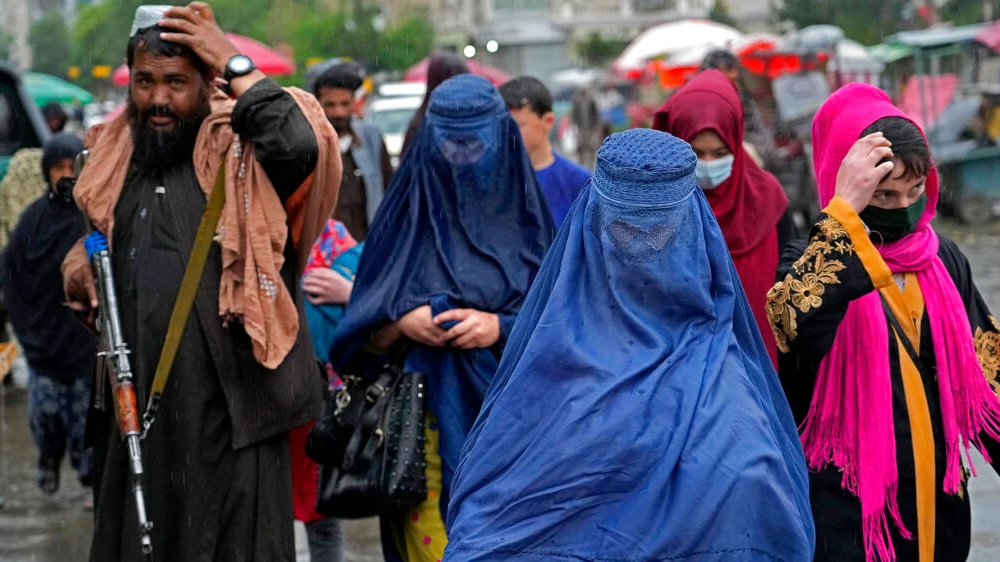
Organizers of the 33rd Badam Bagh Exhibition in Kabul say that businesswomen are actively participating by showcasing handmade and household products in 56 stalls, attracting considerable attention from visitors. They added that the exhibition, with 263 stalls, has displayed agricultural products, dairy, and handicrafts for four days and has been widely welcomed by visitors, especially women. The Ministry of Agriculture of the caretaker government, in a statement, also invited citizens to visit the exhibition in support of domestic products. The statement noted that the 33rd Exhibition of Agricultural and Livestock Products of the country was held this year under the slogan: “Investing in Afghanistan’s Livestock Sector; The Most Reliable Path Toward Growth and Development of the Country’s Economy” from the 9th to the 12th of Mizan 1404 (September–October 2025) in Kabul’s Badam Bagh. Roya, a stallholder, told TOLOnews: “We participated from Herat province, and I am very happy that we got the opportunity to join the exhibition and gain new ideas from it. Many women also have stalls in this exhibition.” Wahida, another stallholder, emphasized: “Both women and men visitors come and visit our stalls. Our handicrafts section includes carpets, prayer rugs, and traditional pillows—all of which are handmade.” Meanwhile, visitors to the Badam Bagh Exhibition in Kabul say this event is truly a good opportunity for families, and prices are cheaper compared to the market, with product quality being excellent. However, participating women expressed dissatisfaction over the shrinking sales market, rising prices of raw materials, and lack of access to support programs. Some artisans cited the import of similar goods, travel visa restrictions, and challenges in accessing raw materials as key problems in their work. They added that foreign imported goods still dominate the domestic market. This comes as women are showcasing their artistic achievements while the government has imposed severe restrictions on girls and women over the past four years. At present, girls and women are barred from attending schools and universities. This policy has deprived millions of schoolgirls of education. In addition, women are banned from going to gyms, restaurants, public baths, being examined by male doctors, traveling without a male guardian, and working in national and international NGOs and even UN offices in Afghanistan.

Read More


4 months ago - 198 Visits

Tom Kmiec, Deputy Speaker of Canada’s House of Commons, has recently stated that 130 years after the rule of Amir Abdur Rahman Khan, the Hazaras in Afghanistan are still subjected to harassment and targeted violence. In a message issued on the occasion of “Hazara Genocide Remembrance Day,” Mr. Kmiec said: “By commemorating this horrific massacre, we honor the victims, support the survivors, and ensure that these atrocities are not forgotten.” He further emphasized that in 1891, Abdur Rahman Khan ordered the “massacre” and “forced displacement” of the Hazaras. According to him, following this order, more than half of the Hazara population in Afghanistan were either killed or displaced. Addressing Hazaras living in Canada and across the world, the Deputy Speaker also said: “You are not forgotten.” It is worth noting that September 25 is marked as the day the “Hazara Genocide” began under Amir Abdur Rahman Khan, the former king of Afghanistan. Historical records show that on September 25, 1891, Abdur Rahman Khan ordered the massacre and forced displacement of the Hazaras, as a result of which more than half of their population were massacred. Earlier, the Standing Committee on Foreign Affairs and International Development of the Canadian Parliament had recognized the “mass atrocities” committed against the Hazaras between 1891 and 1893 under Abdur Rahman Khan. The committee had also previously acknowledged the Hazara massacre carried out under Abdur Rahman Khan.

Read More