Author: رسانه‌ای گوهر شاد

5 months ago - 387 Visits

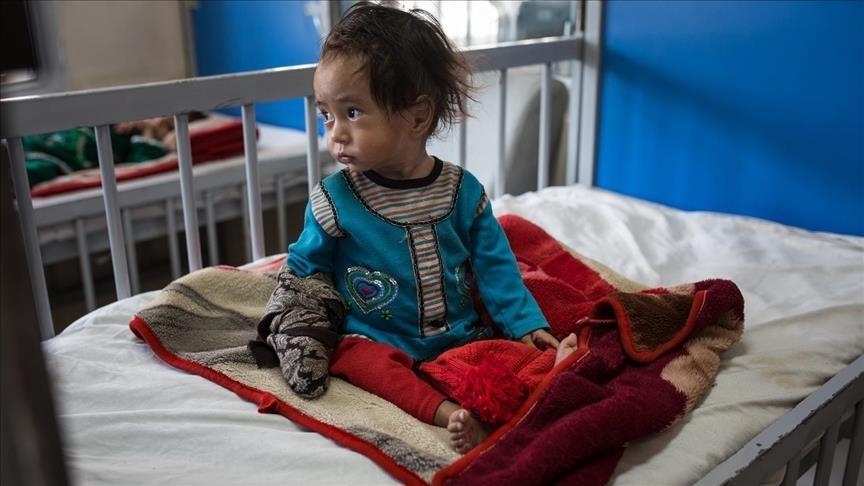
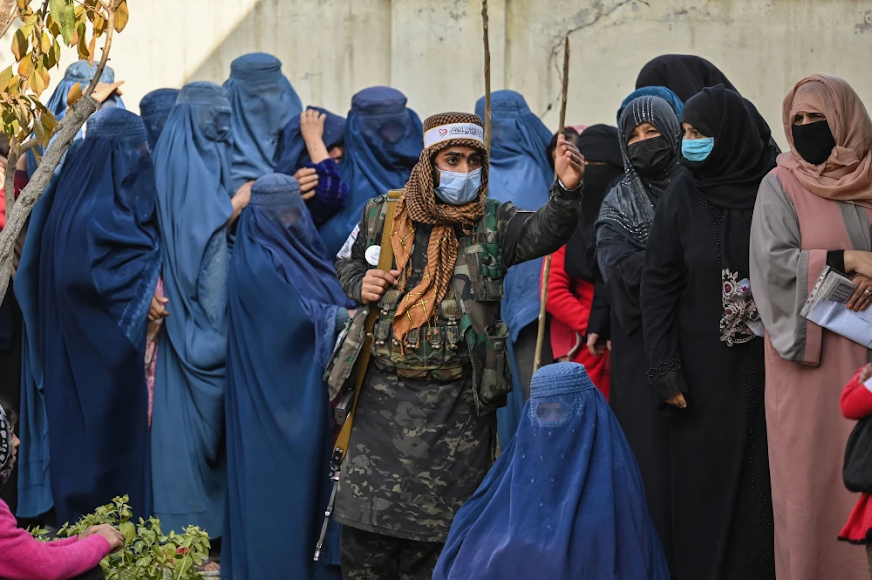
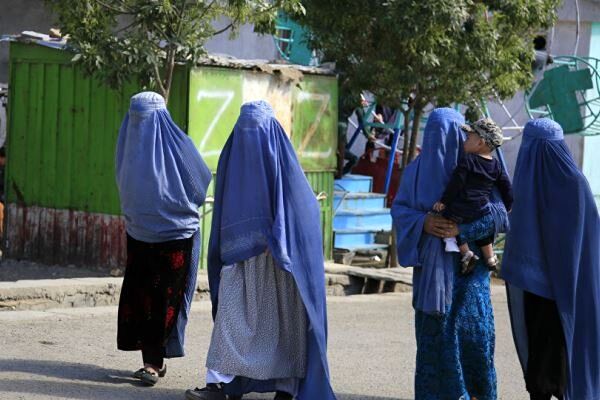
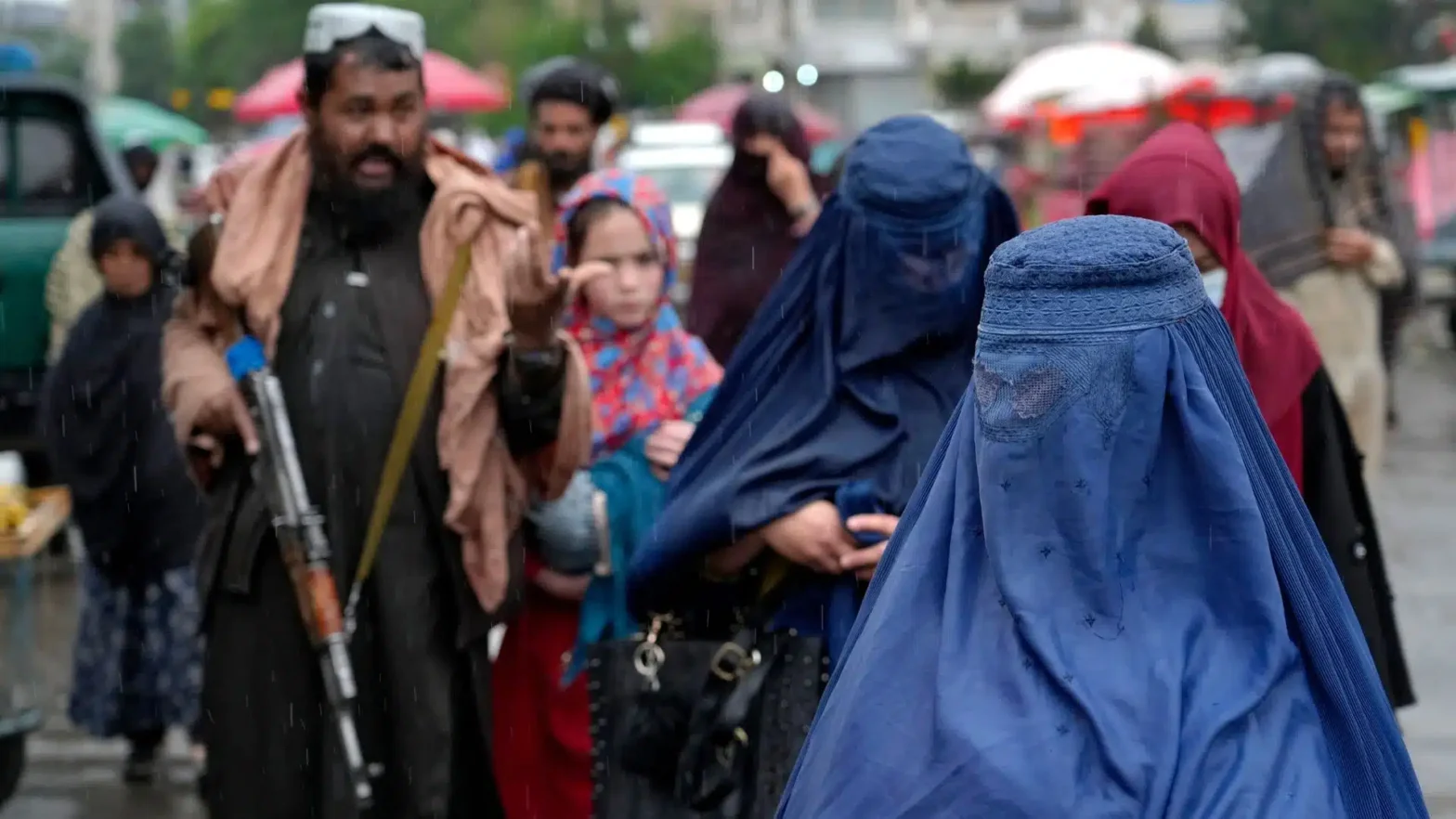
The United Nations’ women’s section has recently declared that four years after the caretaker government took power in Afghanistan, the rights and dignity of women and girls have been systematically violated. In a newly published report, the body stated that none of the imposed restrictions have been lifted, and with each new decree, women have been further erased from social life. It also noted that girls in Afghanistan are deprived of education beyond the age of 13. The report added that women and girls have been excluded from most jobs and political activities, and in many areas, they are not even allowed to move around without a male companion. The UN Women’s division further warned that banning women and girls from medical education, restrictions on treatment by male doctors, and the decline in foreign aid have left women without access to essential healthcare. The organization stressed that the consequences of this situation are shocking, leading to increased maternal mortality, the rise of forced child marriages, and a surge in violence against women. While praising the courage and resilience of Afghan women, the UN body urged the international community not to remain silent in the face of this crisis. The report emphasized that supporting women and girls in Afghanistan is an urgent necessity. This comes as the current government, after taking power, has banned women and girls from education. In its latest restriction, it shut the doors of medical institutes to female students, even as Afghanistan’s healthcare sector suffers from a shortage of personnel. This action has left millions of schoolgirls deprived of education. In addition, women have been barred from going to gyms, restaurants, public baths, receiving checkups from male doctors, traveling without a male guardian, and working in domestic and international NGOs — even including UN offices in Afghanistan.

Read More


5 months ago - 379 Visits

The Ministry of Higher Education of the caretaker government has recently announced that 18 subjects have been removed from Afghanistan’s academic curriculum, and the teaching of 66 other subjects will only be permitted after “revisions” and “reforms.” The ministry stated that the reason for this decision is the “inconsistency of certain subjects with the principles of Sharia and the policy of the Islamic Emirate,” and conveyed it through an official letter to public and private universities. According to the letter, subjects such as Afghanistan’s Constitutional Law, Women’s Sociology, Good Governance, Human Rights and Democracy, History of Religions, Moral Philosophy, Sexual Harassment, and The Role of Women in Public Communication have been completely removed from the curriculum. The ministry argued that these subjects contradict the religious and political views of the government. Additionally, the teaching of 66 other subjects in the fields of political science, law, international relations, sociology, psychology, and media is conditional on revision and modification. The letter specifies that this list includes topics such as Public and Islamic International Law, Fundamentals of Foreign Policy, History of Western Political Thought, International Security, Non-Governmental Organizations and Civil Society, Demography, Human Development, General Psychology, Psychopathology, Media Literacy, and Theories of International Relations. It was emphasized that universities are obliged to stop teaching the banned subjects, while the conditional ones must be taught “critically and reformatively.” It is worth noting that since the return of the current government to power, numerous restrictions have been imposed on education in the country, with many academic disciplines and subjects either entirely removed or placed under severe limitations. It should also be mentioned that in August 2022, Mullah Hibatullah Akhundzada, the leader of the current government, ordered the creation of a “Curriculum Review Directorate” to initiate the process of “Islamicization” of academic content. Furthermore, in August 2024, Nature, one of the world’s most prestigious scientific research journals that monitors the state of universities, reported—citing a 78-page document—that some artistic and cultural disciplines, including music and visual arts, are to be removed from university programs in Afghanistan and replaced with agricultural and religious subjects.

Read More


5 months ago - 398 Visits

The Islamabad High Court has recently announced that foreign women who marry Pakistani citizens are entitled to obtain the country’s nationality. In a statement issued on Tuesday (August 26), the Islamabad High Court said that the cases of three Afghan women who had filed complaints regarding their deportation from Pakistan had been reviewed. It added that the children of these women are also considered Pakistani and family registration certificates have been issued for them. Umer Ijaz Gilani, the defense lawyer representing the complainants in court, stated that foreign women who marry Pakistani citizens are eligible for citizenship. According to him, the children of these women are Pakistani as well. The Supreme Court of Pakistan also postponed the deportation of 18 Afghan nationals with temporary residence cards yesterday. This comes as Pakistan has set September 1 as the deadline for the departure of refugees whose temporary residence cards have expired and will no longer be extended. More than one million Afghan refugees in Pakistan previously held temporary residence cards.

Read More


5 months ago - 429 Visits

Sources from among Afghan migrants report that Zahra Nabizadeh, a 14-year-old Afghan girl from the Mahdiabad–10-Meter Park area of Karaj, has gone missing, and so far, there is no information about her whereabouts. At least three migrant sources said Zahra Nabizadeh disappeared on Monday, August 20, around 6:30 p.m., in the Mahdiabad district of Karaj. The family of this teenage girl say they have spent their days and nights in fear and anxiety, calling on everyone to help find their daughter. Civil activists, in statements, have declared: “This is not a simple incident; it is an alarm bell. Nobody knows where this girl is now or what fate awaits her. If we remain silent today, tomorrow it will be another girl’s turn. Let us not forget Taha Rezayi, Kobra Rezayi, Mohammad Rezayi, Maryam Eshaqi, and Sirus Sadat… We must not allow Zahra’s name to be added to this bitter list.” They have urged the responsible authorities to address the matter immediately in order to prevent the recurrence of such incidents. It is worth noting that in recent months, the number of arrests and disappearances of Afghan girls in Iran has increased. For decades, Iran has hosted a large number of Afghan migrants. According to reports, around six million Afghan migrants live in the country. In recent months, alongside the intensification of deportations, reports have also emerged of mistreatment by Iranian citizens and security forces, anti-immigration violence, killings, disappearances, and arrests of young Afghans. It should also be mentioned that not long ago, the mutilated body of an Afghan migrant woman was discovered in Tehran, the capital of Iran, 50 days after her disappearance. The woman was Kobra Rezayi, also known as “Shaghayegh”, 26 years old. According to reports, Kobra was abducted on her way from home to work and later murdered.

Read More


5 months ago - 334 Visits

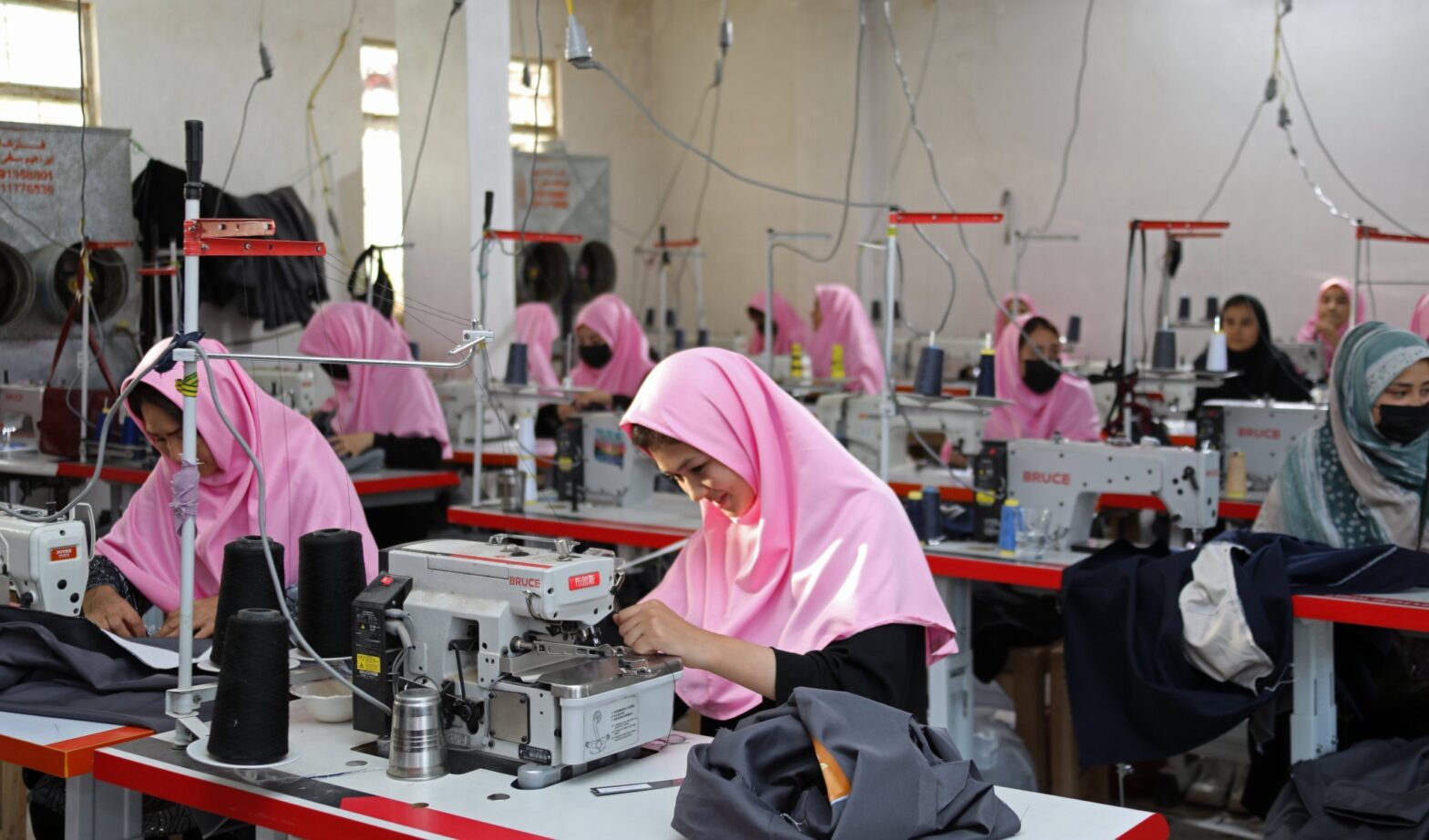
The United Nations Development Programme (UNDP) has recently announced that by May 2025, it has provided loans to 981 businesses owned or managed by women in Afghanistan. In a statement published on its X account, the agency said that during this period it has provided loans to a total of 3,623 small and medium-sized enterprises in Afghanistan. The UNDP further emphasized that the total value of these loans amounts to $7.75 million, which has supported 8,790 jobs. It also highlighted that women entrepreneurs represent a significant share of this figure, showing that despite severe social and economic restrictions, they continue to strive to maintain their place in the labor market. According to the statement, the purpose of these initiatives is to strengthen the financial capacity of business owners, create jobs, and increase opportunities for women’s participation in Afghanistan’s economy. It is worth noting that in the past four years, women and girls in Afghanistan have faced widespread restrictions in work and education. Many have lost their formal jobs and turned to small-scale home-based activities. Meanwhile, the caretaker government, after taking power, has banned education for girls beyond grade six. This policy has left millions of female students deprived of schooling. In addition, women have been barred from going to gyms, restaurants, public baths, being examined by male doctors, traveling without a male guardian, and working with domestic and international NGOs, as well as UN offices in Afghanistan.

Read More


5 months ago - 331 Visits

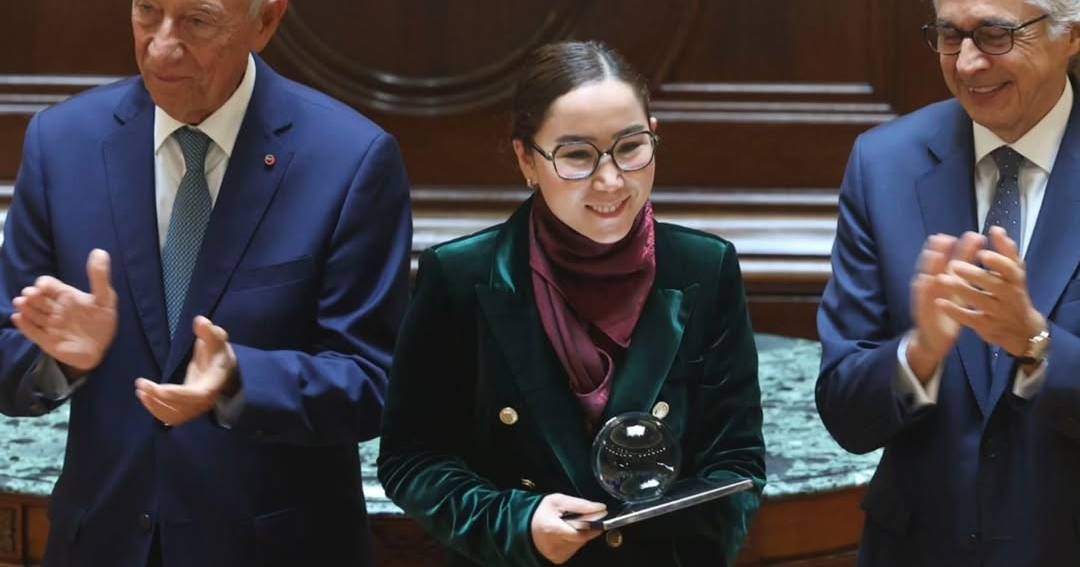
Radio France International (RFI) has recently reported that women and girls in Afghanistan are facing severe restrictions, denial of education, and security threats. Many of them dream only of leaving the country and are struggling with a psychological crisis. The radio reported day (Sunday, August 24) that Sheela Noori, founder of the Afghan Women’s Organization in France, has, for the first time since the caretaker government took power in 2021, managed to travel across Afghanistan. During this trip, she visited 15 provinces and spoke with women, girls, and men about their humanitarian and psychological situation. In the report, Ms. Noori stated that girls have been deprived of education from the age of 13, and many women and girls are in a dire mental state. She further emphasized that women’s access to jobs, recreational facilities, and healthcare services has become extremely limited. The founder of the Afghan Women’s Organization in France added that children are also under pressure, with many forced to work on the streets to support their families. Ms. Noori said: “Women and girls who used to study or work are now very depressed. They spend the whole day at home — waking up, cooking, cleaning the house — and the only thing they can do is go out for shopping or to visit each other.” In mid-October last year, the UN Refugee Agency reported that mental health issues among Afghan women had risen by 40 to 50 percent over the previous year. Additionally, in early June this year, the UN Office for the Coordination of Humanitarian Affairs stated in a report that 48 percent of Afghans live below the poverty line and more than 22 million people are in need of humanitarian aid.

Read More


5 months ago - 458 Visits

Pakistani media have recently reported that around 300 Afghan families are living in temporary and unsanitary conditions in Argentina Park in Islamabad, the capital of Pakistan, while waiting to be relocated to a third country. According to a report published by Pakistan’s Geo News, these families have been left in limbo following the Taliban’s return to power in Afghanistan and changes in U.S. and other countries’ refugee policies. The report states that among them are former female Afghan police officers who say they were forced to flee their homeland due to threats and violence. It also mentions that since 2023, more than one million Afghans have left Pakistan, with over 200,000 of them expelled or forced to return since April of this year. Somaya, a 24-year-old who fled Afghanistan in 2022 and sought refuge in Pakistan, told Geo News: “We escaped because our lives were in danger in Afghanistan. There was no future for our children there. But here, too, there is no place for us.” Many Afghan refugees in Islamabad say they live between hope and despair, face an uncertain future, and are calling for resettlement in safe countries. According to Pakistani media, more than 1.3 million Afghans hold Proof of Registration (PoR) cards, while another 750,000 possess Afghan Citizen Cards (ACC). These pressures are part of the Pakistani government’s “Illegal Foreigners’ Repatriation Plan,” which is being implemented simultaneously in Iran, where more than 1.5 million Afghans have also been expelled.

Read More


5 months ago - 246 Visits

The French Ministry of Foreign Affairs has recently announced that it will continue its support for the people of Afghanistan, especially women and girls. In a statement marking the fourth anniversary of the takeover by the caretaker government in Afghanistan, the ministry called on the current authorities to uphold their commitments. The statement read: “France once again strongly condemns the severe and systematic violations of the rights of Afghan women and girls, aimed at erasing half of the country’s population.” The French Foreign Ministry further described the exclusion of girls from medical educational institutions as unjustifiable. The statement also emphasized that France continues its support for the people of Afghanistan directly and through UN humanitarian organizations. It is worth noting that earlier, Canada had also condemned the systematic violations of the rights of women and girls by the current authorities, stressing that normalization with this group would not be possible without respect for human rights. Since retaking power in Afghanistan, the caretaker government has imposed wide-ranging restrictions on women’s fundamental rights and freedoms, barring them from education and work. As a result, millions of schoolgirls have been deprived of education. In addition, women have been banned from going to gyms, restaurants, public baths, being examined by male doctors, traveling without a male guardian, and working in domestic and international NGOs, as well as UN offices in Afghanistan.

Read More


5 months ago - 535 Visits

Seyed Abbas Araghchi, Iran’s Foreign Minister, has recently stated that although Afghanistan’s caretaker government has provided security for the Shia community over the past four years, their rights have not been respected. Mr. Araghchi made these remarks in an interview with Iran’s state-run news agency IRNA, saying that while Iran maintains close cooperation with the current government, there is still distance when it comes to officially recognizing it. The Foreign Minister also claimed that Iran’s border security has improved in the past four years and that Afghanistan’s caretaker government has ensured security “well.” He further stressed that although the issue of Iran’s water rights from Afghanistan’s rivers has seen improvement under the current government, it still does not meet Iran’s expectations. The Foreign Minister added that diplomatic relations between the two countries are ongoing and that “the current level of neighborly cooperation is acceptable.” It is worth noting that over the past four years, Iran has engaged extensively in political and economic interactions with the Afghan government and has become the largest exporter of goods to Afghanistan. However, during this period, the two sides have also faced tensions over water rights and border issues, with their forces clashing several times along the frontier. Araghchi’s remarks about respecting the rights of Afghanistan’s Shia community come as the Shia Personal Status Law has been annulled and Ja‘fari jurisprudence books have been removed.

Read More


5 months ago - 277 Visits

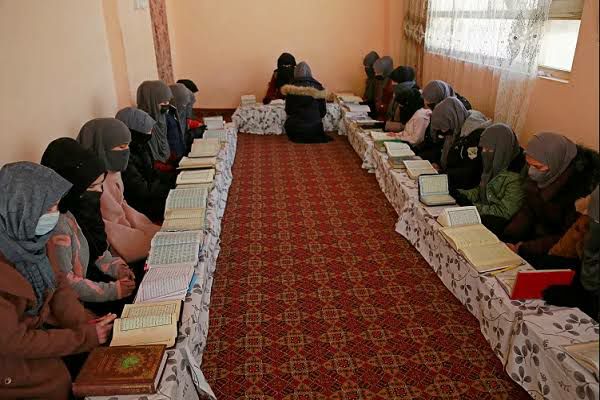
Mullah Hibatullah Akhundzada, the supreme leader of the caretaker government, has recently ordered that religious education for women and girls in Afghanistan be halted in religious schools. Al Arabiya News Agency reported on Wednesday, August 20, that the decision was made during a recent meeting of the current government in Kandahar. According to the report, the Ministries of Education and Higher Education have been instructed to gradually stop the enrollment of girls in religious schools. The report states that the reason behind this decision is Akhundzada’s concern over the teaching of modern sciences—such as mathematics, natural sciences, and languages—in these schools. He reportedly believes this has led the institutions to carry only the “religious” name without serving their intended purpose. Al Arabiya’s report comes at a time when many girls, after the closure of regular schools, had turned to religious schools for education. It is worth noting that since the caretaker government’s return to power in Afghanistan, it has imposed wide-ranging restrictions on women’s fundamental rights and freedoms, depriving them of access to education and employment. This move has left millions of schoolgirls without education. In addition, women have been banned from going to gyms, restaurants, public bathhouses, being examined by male doctors, traveling without a male guardian, and working in both domestic and international NGOs as well as UN offices in Afghanistan.

Read More