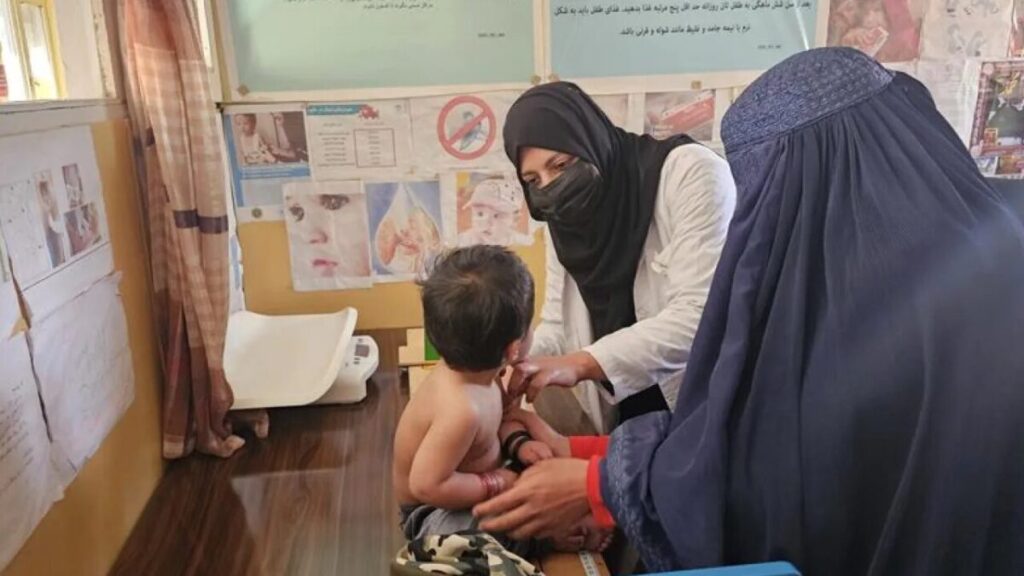
The United Nations Office for the Coordination of Humanitarian Affairs has announced that Afghanistan is facing a severe humanitarian crisis, with millions of children suffering from acute malnutrition.
In a report published, the organization stated that according to findings by Nancy Serkis in Geneva, approximately 3.7 million children in Afghanistan are expected to face acute malnutrition in 2026, and this situation often leads to the death of children due to delays in accessing treatment.
Olga Chervokou, head of the UN Office for the Coordination of Humanitarian Affairs (OCHA), stated that humanitarian operations in Afghanistan are facing serious challenges due to severe funding shortages and limited access to remote areas, despite extensive efforts.
This UN official warned that with nearly 22 million people in need across Afghanistan, only about 14% of the required $1.7 billion budget has been secured, which has made survival in some areas “impossible.”
The report also mentions that drought and water scarcity have become one of the main factors for forced displacement in rural areas, especially in Bamiyan province.
According to aid workers, many families have been forced to leave their homes due to the drying up of agricultural lands and lack of drinking water, while others remain in extremely difficult conditions due to severe poverty that prevents them from migrating.
The report also highlights the situation of thousands of returnees to Afghanistan, stating that many of them enter a country already facing a widespread humanitarian crisis without shelter and basic necessities.
According to statistics from the UN High Commissioner for Refugees, around 8,000 individuals have been returned to Afghanistan in just one week, up to June 20.
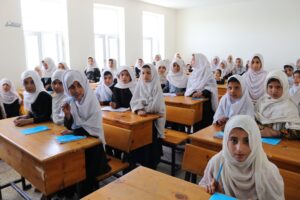
Additionally, the report emphasizes that restrictions imposed on women and girls have exacerbated the humanitarian crisis and have directly impacted their access to education, healthcare services, and economic opportunities.
Aid workers indicate that the shortage of female healthcare workers in many areas, especially in maternal and child care, has become a serious challenge.