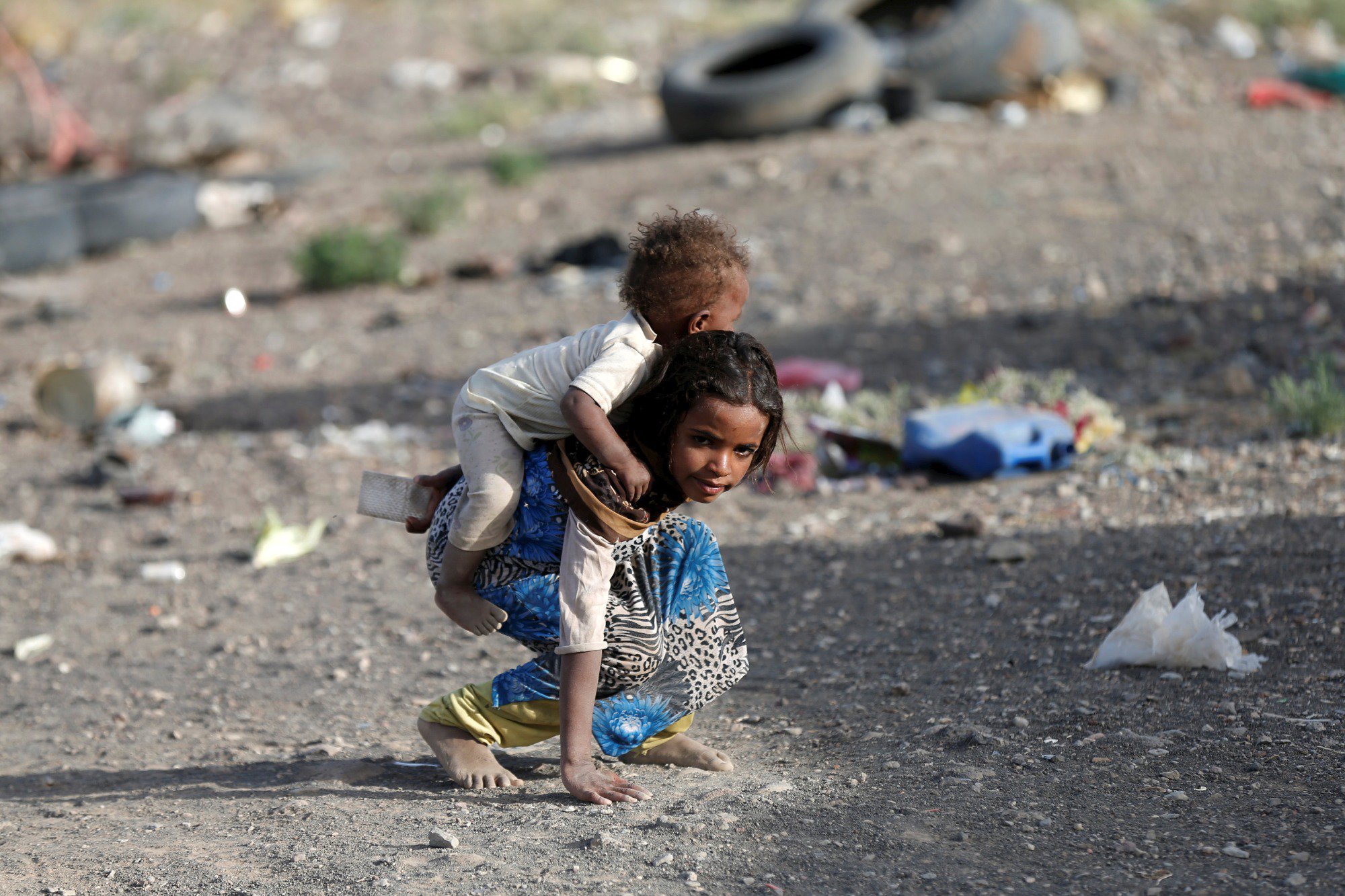
The organization Doctors Without Borders has recently announced that the number of children suffering from acute malnutrition seeking treatment at therapeutic nutrition centers in southern Afghanistan has alarmingly increased.
In a report, the organization stated that the reduction in international aid, ongoing droughts, and disruptions in the supply of therapeutic foods are among the main factors exacerbating the malnutrition crisis in Afghanistan.
In a section of its report, Doctors Without Borders added that from January to April 2026, the number of children with severe malnutrition hospitalized in facilities supported by Doctors Without Borders in southern Afghanistan has increased by more than 30% compared to the average during the same period over the past three years.
The report noted that most of these children are under one year of age.
Additionally, Ana Lilia Banda, the medical coordinator for Doctors Without Borders in Afghanistan, stated: “Children come to us when their condition has become very serious and they are facing problems that could have been prevented.”
She emphasized that this situation indicates a worsening food insecurity and the collapse of early identification and treatment systems for malnutrition in the country.
According to the report, the significant reduction in international aid since early 2025 has led to the closure or suspension of 445 health centers, including 203 mobile health and nutrition teams.
She mentioned that these centers previously played a crucial role in the early identification of children suffering from malnutrition and in providing medical services.
Doctors Without Borders has warned that repeated droughts, decreased agricultural production, and border closures due to regional tensions have further weakened food security and made access to specialized therapeutic foods for children more challenging.
The organization has called on financial donors, health officials, and responsible institutions to quickly restore funding for nutrition programs in Afghanistan and ensure the supply of therapeutic foods and medical equipment.
This organization has warned that if the current situation continues, more children will be deprived of life-saving services.