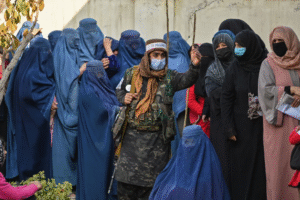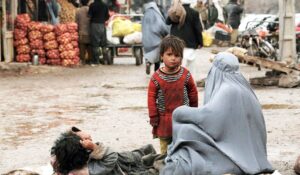
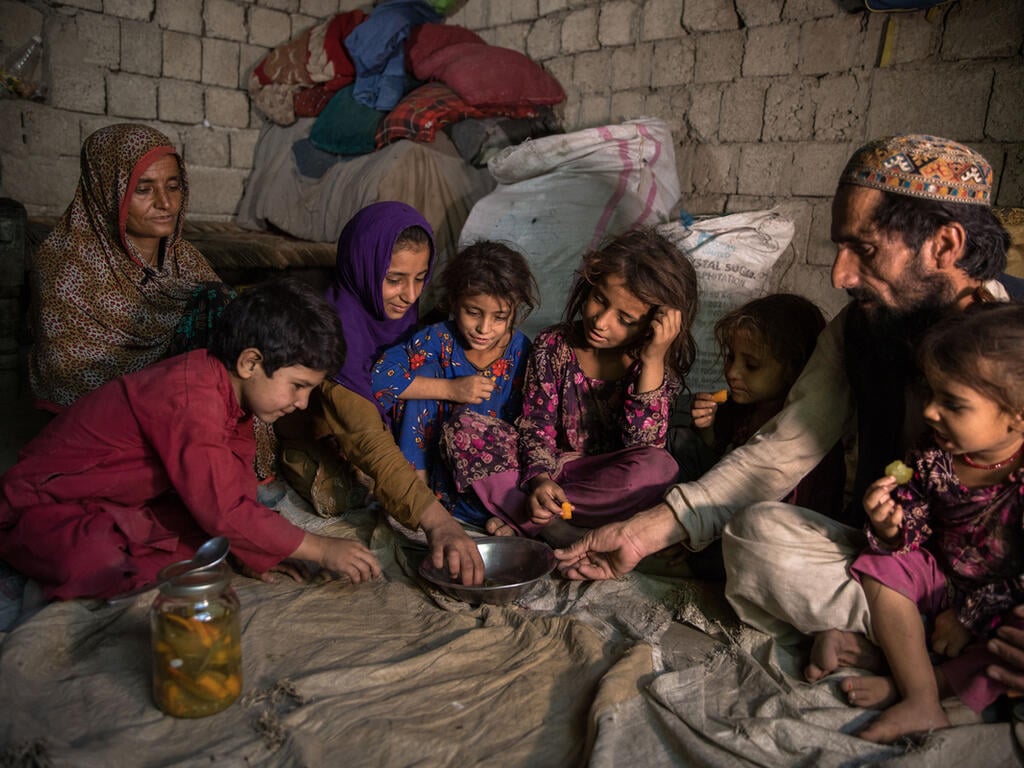
John Ayleff, the World Food Program Director for Afghanistan, states that due to the intensification of the humanitarian crisis and disruptions in aid delivery routes, mothers and children suffering from malnutrition in the country are being sent back without receiving assistance from health centers.
In a statement, Mr. Ayleff noted that malnutrition has reached its highest level, with weak and desperate mothers and children being turned away from clinics because there is no food available to help them.
He emphasized that the closure of the Strait of Hormuz due to conflicts has severely disrupted trade and humanitarian aid efforts to Afghanistan.
He added that Afghanistan, which had shifted its trade route to the port of Bandar Abbas in Iran following the closure of the Pakistan border late last year, is now facing new disruptions.
According to reports, with the Iranian government controlling the Strait of Hormuz and U.S. sanctions on Iranian ports, this route has effectively been blocked as well.
The World Food Program Director stated that the organization’s food reserves were completely depleted by mid-April, making it extremely difficult to continue aid efforts amid the ongoing crisis.
Based on this report, the World Food Program has been forced to transport its shipments via long routes through Central Asia; an action that has tripled transportation costs and increased the prices of food supplements by 35%.
This comes at a time when the organization has received only eight percent of the budget it needs for this year.
Additionally, the director reported that a shipment of fortified biscuits for schools, which was supposed to be transferred from Dubai to Afghanistan via Iran, has been stuck in the United Arab Emirates for weeks since the outbreak of war in late February.
This shipment is now taking a lengthy land route through Saudi Arabia, Jordan, Syria, Turkey, Georgia, Azerbaijan, and the Caspian Sea before entering the country through Turkmenistan.
According to United Nations data, half of Afghanistan’s population relies on humanitarian assistance for survival. Concerns about an escalating humanitarian crisis in the country have intensified during the summer season.
Moreover, UN-affiliated organizations have previously stated that due to the ban on women working in international aid organizations, providing assistance to women and girls has become increasingly difficult.