The United Nations Women’s Section has recently announced that approximately 50,000 women and girls in vulnerable areas of Afghanistan, particularly in the eastern part of the country, are facing an increasing risk of gender-based violence, with their access to healthcare and other essential services severely limited.
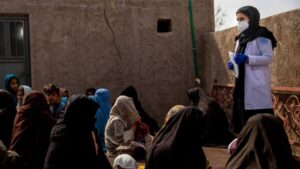
In a published report, the organization warned that pregnant women are at greater risk as they grapple with insecurity and displacement, compounded by hunger and limited access to medical care.
The report states that women displaced due to border conflicts and recent earthquakes in eastern Afghanistan are facing serious health challenges, food insecurity, and psychological trauma.
The UN Women’s Section emphasized that some families who were previously displaced by the earthquakes in eastern Afghanistan have been forced to leave their homes again due to border conflicts.
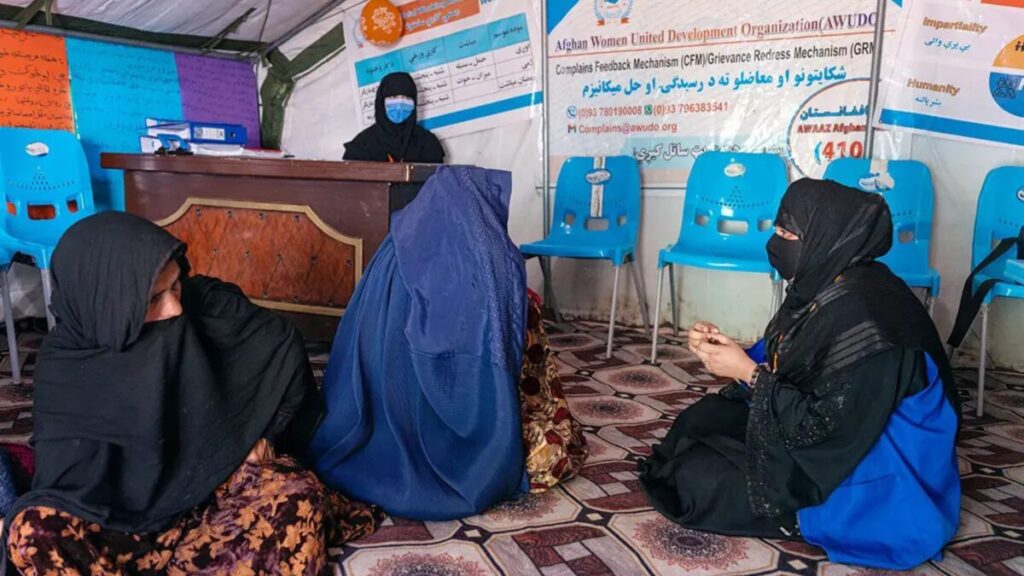
The report mentions a 30-year-old woman named Najiba, who was affected by the recent earthquakes and was living in a tent while pregnant. After the onset of border conflicts, she had to leave her residence with her family once more.
Najiba told the UN Women’s Section: “There was no safe place. Airplanes were flying overhead, and my children were terrified. Every time they heard the sound, they cried and screamed.”
After giving birth at an Afghan Red Crescent clinic, she, along with her newborn, six other children, and her husband, was moved to a camp in the Mazdara area of the Nurgal district in Nangarhar province.
The UN Women’s Section stated that following the escalation of tensions and conflicts along the Afghanistan-Pakistan border, more than 100,000 people have been displaced due to airstrikes, shelling, drone attacks, and ground fighting.
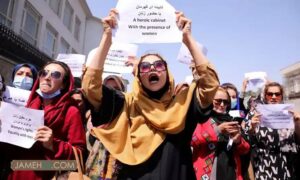
The organization added that women and girls, who are currently living under extensive restrictions on movement and access to essential services, have been disproportionately affected by the rise in insecurity and displacement.
The report concludes that ongoing insecurity, displacement, and existing restrictions put Afghan women and girls at greater risk of gender-based violence, poverty, and deprivation of basic services.