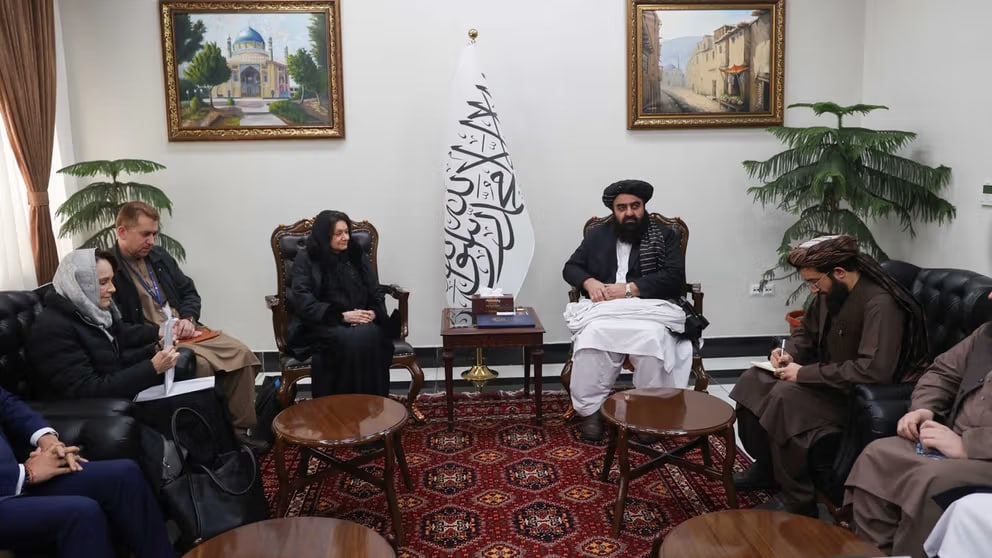
The United Nations Assistance Mission in Afghanistan (UNAMA) has emphasized the necessity of meaningful participation of Afghan women and girls in public life and political decision-making processes.
In a statement issued on the occasion of International Women’s Day in Diplomacy, the organization stated that the presence and voices of women and girls are vital for achieving sustainable peace, inclusive development, and a bright future for Afghanistan.
UNAMA further stressed that ensuring meaningful participation of women and girls in public life and decision-making processes in Afghanistan remains a fundamental necessity.
The organization reiterated the importance of providing equal opportunities for Afghan women and girls, stating that they should be able to receive education, lead, and play effective roles in all areas of society, including diplomacy and public services.
It is noteworthy that International Women’s Day in Diplomacy is celebrated annually on June 24, aiming to highlight the role of women in diplomacy, peacebuilding, and international decision-making, as well as to promote their equal participation in international relations.
The statement mentioned that female diplomats are not only participants in the field of international relations but also play significant roles as leaders, peace mediators, and advocates for equality, strengthening international cooperation, advancing peace, and shaping inclusive decision-making.
The organization added that women contribute to creating a more just, stable, and sustainable world with their knowledge, experience, and perspectives, emphasizing the special importance of their presence in diplomatic and public spheres.
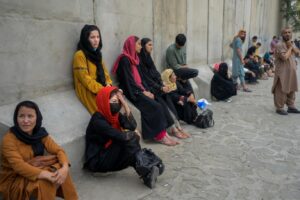
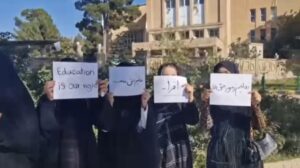
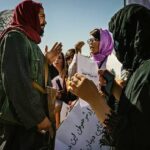
It should be noted that the current government has deprived women and girls of education and schooling since taking control of Afghanistan. In its latest restriction, it closed the doors of medical institutes to girls and women while the health sector across Afghanistan faces a shortage of personnel.
This action by the current government has resulted in millions of schoolgirls being unable to pursue education.
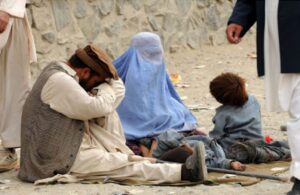
Additionally, women have been banned from going to sports clubs, restaurants, public baths, being examined by male doctors, traveling without a male guardian, working in domestic and international non-governmental organizations, and even at UN offices in Afghanistan.
According to reports, if this ban continues, nearly four million girls may be deprived of education by 2030.