Author: رسانه‌ای گوهر شاد

2 years ago - 922 Visits

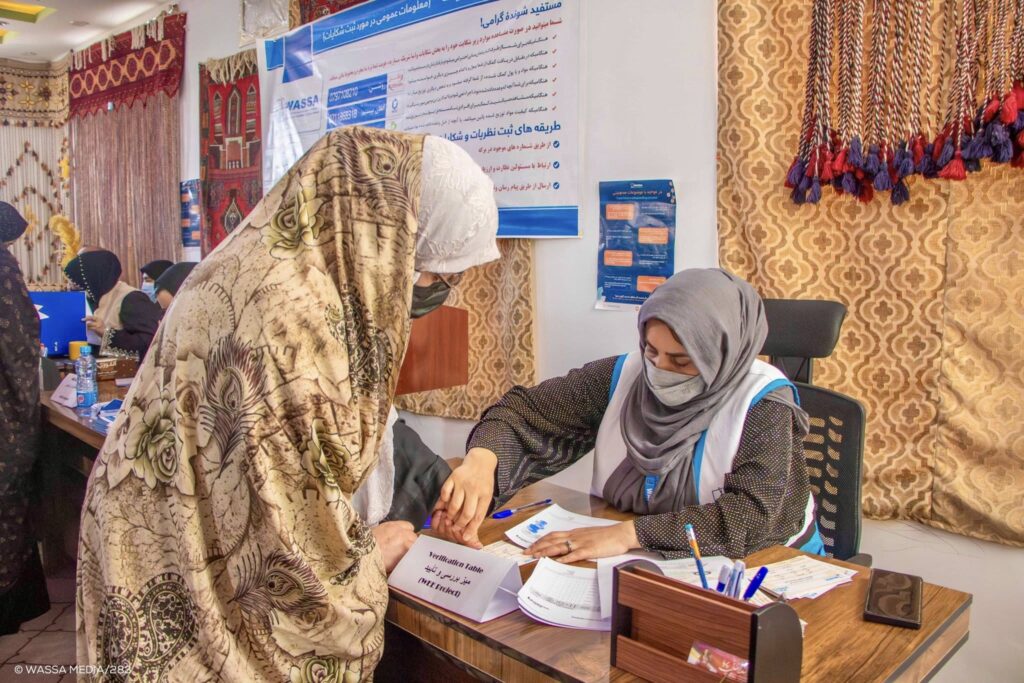
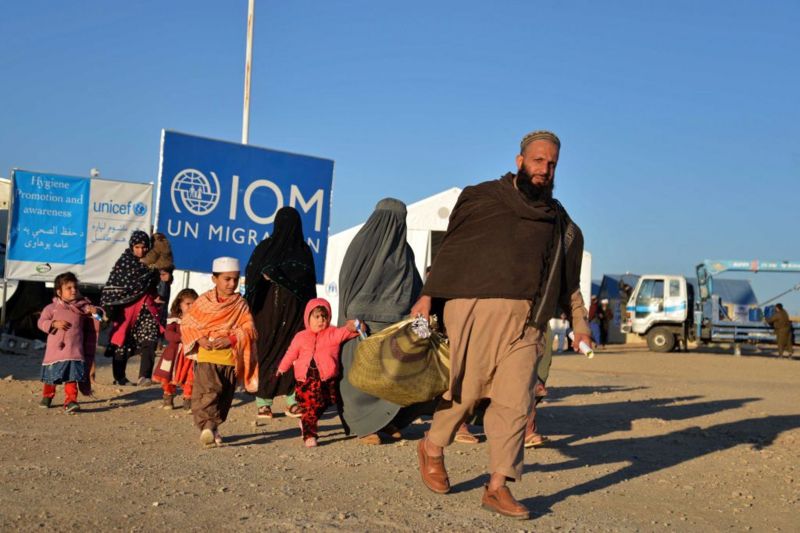
The UK Embassy for Afghanistan has announced, on the occasion of World Humanitarian Day, that over 2.7 million people, including 1.3 million women, have received assistance to improve the difficult humanitarian situation in Afghanistan over the past year. In a message shared on their X account, the embassy reported on their continued support for the people of Afghanistan under the interim government's rule. Part of the statement reads: "We will continue to work with our partners to improve the challenging humanitarian situation faced by the people of Afghanistan, especially women." Yesterday, August 19, was World Humanitarian Day. The United Nations designated this day in memory of 22 of its staff members who were killed in a bombing in Baghdad in 2003. This year's observance comes at a time when women and girls across Afghanistan are facing serious challenges in accessing humanitarian aid due to restrictions imposed by the interim government. According to UN statistics, 23.7 million people require humanitarian assistance. Additionally, the Women, Peace and Security Working Group previously reported that about 80% of those in need of humanitarian aid are women and girls. The World Food Programme has also warned about the high number of people in need in Afghanistan and a lack of funding, stating that they will be unable to provide emergency assistance to 11 million people.

Read More


2 years ago - 687 Visits

OCHA, the United Nations Office for the Coordination of Humanitarian Affairs, has recently declared Afghanistan, under the rule of the interim government, as one of the five "dangerous" places globally for aid workers. In a statement released today (Monday, August 29), the organization noted that despite a decrease in conflict since August 2021 in Afghanistan, the restrictions imposed on women and girls by the current government have posed serious challenges for humanitarian staff. OCHA's statement reads: "The restrictive measures of the interim government targeting women and girls limit their access to education, social life, services, and employment, including humanitarian work, creating significant barriers. Humanitarian workers must constantly navigate these challenges to continue their efforts." The UN humanitarian coordination office emphasized that currently, over 35,000 staff from international aid organizations are working in various sectors in the country, including education, health, mine clearance, and food assistance. OCHA added that during 2023, international staff provided services to 32.1 million people in Afghanistan. Furthermore, it mentioned that during this period, 26.3 million people received food and livelihood assistance, 16.5 million benefited from health and medical services, and 9.9 million accessed safe drinking water services. The UN humanitarian coordination office also stated that last year, 5.7 million children and pregnant or breastfeeding women received nutritional support, 3.5 million children received protective services, 2 million children received educational services, and 1 million children received emergency shelter and non-food items. According to information from the UN Office for the Coordination of Humanitarian Affairs, aid organizations are set to assist 17.3 million individuals in need across various sectors this year. This international agency has once again warned about the lack of sufficient funding for providing aid to those in need in the country. It is worth mentioning that just a few days ago, this international organization also announced that Afghanistan under the control of the interim government is facing a "severe humanitarian crisis."

Read More


2 years ago - 672 Visits

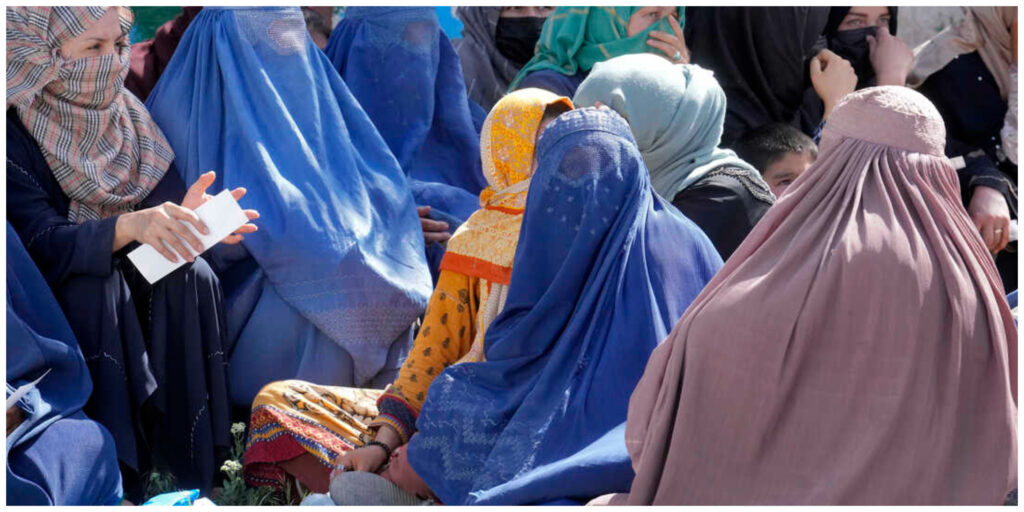
The World Food Program has recently announced that 90% of households headed by women in Afghanistan do not have enough food to eat. In a message posted on its X account, the organization stated that food assistance from the World Food Program is a last resort for women who are the heads of their families. The United Nations' World Food Program also expressed concern about the ongoing restrictions on women and girls in Afghanistan, noting that women are deprived of many aspects of life. It continued by stating that the existing restrictions on female heads of households have resulted in limited options for feeding themselves and their children. The organization mentioned, "Out of every 10 households headed by women in Afghanistan, 9 families do not have enough food to eat." This concern arises as women and girls in Afghanistan face severe restrictions imposed by the caretaker government. In addition to other limitations, the caretaker government has banned women from working, which has led to an increased need for families, especially those headed by women. According to United Nations statistics, 23.7 million people in Afghanistan are in need of humanitarian assistance. Previously, the Working Group on Women, Peace, and Security stated that 80% of those in need are women and children.

Read More


2 years ago - 1149 Visits

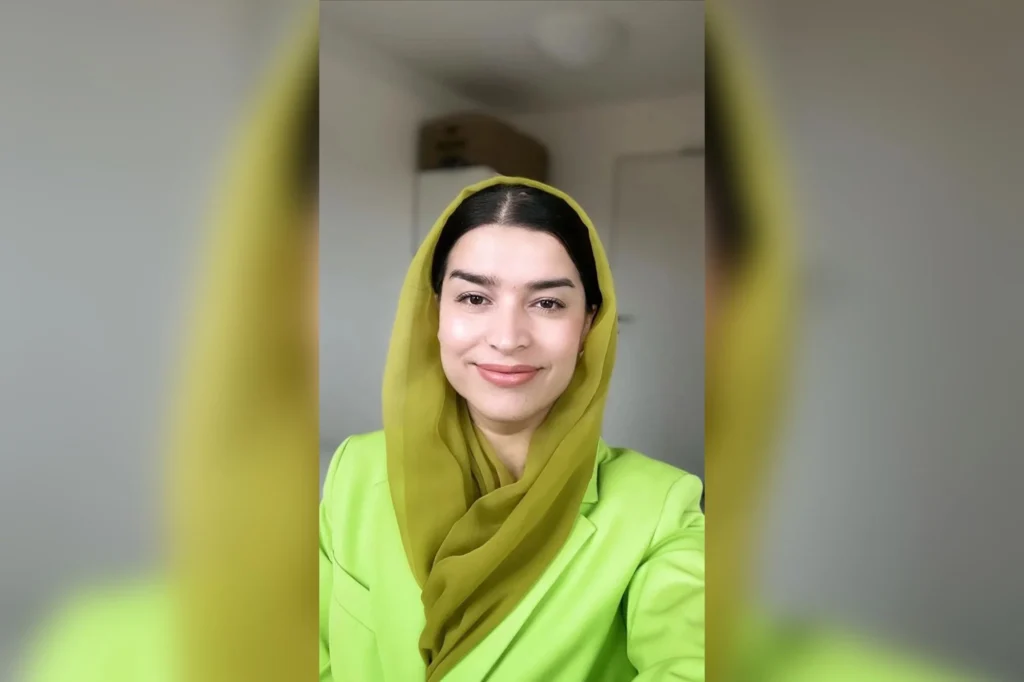
The campaign of Kamala Harris, the Democratic nominee for the upcoming U.S. elections, has announced the appointment of Nasreen Barakzai, an Afghan-American attorney, as an advisor on Muslim and Arab community affairs in the campaign. NBC News reported, citing Harris's campaign, that Nasreen Barakzai has worked since 2021 until July of this year as a political advisor on issues related to Muslims, Arabs, the Gaza conflict, reproductive rights, voting, and democracy in the office of Kamala Harris, the Vice President of the United States. Campaign officials stated that Ms. Barakzai will hold a similar role in Kamala Harris's election campaign. She has previously worked as an advisor to the Vice President of the United States. Muslim Americans, particularly Arabs, are dissatisfied with the Democratic Party and Kamala Harris due to Joe Biden's policies regarding the Gaza conflict and his government's strong support for Israel. These communities believe that Kamala Harris will continue Biden's policies regarding Gaza and Israel. The primary duty of this Afghan-American advisor in Kamala Harris's campaign will be to engage and consult with Muslim communities, especially Arab Americans, and to garner their support for Harris's election campaign. In a statement from Kamala Harris's campaign, Ms. Barakzai said: "I am honored to continue my work with the Vice President and will advise on a wide range of important issues in this election, from democracy and reproductive rights to Muslim and Arab affairs." Who is Nasreen Barakzai? According to available information, Nasreen Barakzai was born in 1979 in Kandahar province in southern Afghanistan during the Soviet invasion. Ms. Barakzai told Glamour magazine that her father and uncle were captured during that time and went missing. Following this, she and her family migrated to Pakistan to escape the Soviet bombings when she was about two years old. After living in Pakistan for three years, she immigrated to the United States in 1985 under a refugee resettlement program and graduated from Berkeley Law School in California in 2005. Before joining the Vice President's office in 2021 as an advisor to Kamala Harris, she worked as a legal expert and national security attorney with the American Civil Liberties Union (ACLU). Nasreen Barakzai has also served as a national security and civil rights attorney at the Asian Americans Advancing Justice organization. According to a report by Al-Monitor, during her work with this organization, she was responsible for defending student protests supporting Palestine and advocating for them against pressures from pro-Israel Jewish students. The Jerusalem Post has claimed that Ms. Barakzai referred to Jewish students' concerns about anti-Semitism on U.S. campuses as "organized legal bullying" in her statements and writings. In response to complaints from Jewish students against several U.S. universities due to "hostile anti-Israel rhetoric on campus," she stated that these complaints were attempts to silence pro-Palestinian activism. The Israeli publication reported that Ms. Barakzai was one of the attorneys who halted investigations by the U.S. Department of Education's Civil Rights Office regarding complaints of anti-Semitism at three California universities, including Berkeley. Her biography on the website of Asian Americans Advancing Justice indicates that she has experience working with law firms Boies, Schiller, and Flexner on multi-billion dollar litigation. This Afghan-American attorney has also worked as a law clerk for William F. Fletcher, a judge on a California appellate court. Additionally, this advisor to Kamala Harris has teaching experience at Stanford Law School.

Read More


2 years ago - 832 Visits

Dark clouds have enveloped everything. It feels as if bullets and missiles are raining from the sky. My ears can no longer distinguish any other sound amidst the cacophony. Everyone is fleeing, but the destination is unclear. Some have rushed towards the metal birds (planes); the streams of water are now filled with blood. My eyes see not cars, but corpses, as if zombies have overtaken the world. I open my eyes and once again, it’s a nightmare! My forehead is drenched in sweat. My body is trembling. I don’t know when these nightmares will cease. For three years, they have stolen sleep from my eyes. This dream is pure reality that has slowly turned into a nightmare—untimely nightmares that escort me to the brink of death every night. For a long time now, these nightmares have become my nightly companions. During the day, I am silent, and at night, I am bound by this true nightmare. Hearing the sounds of phantom cries, which I find difficult to distinguish between sleep and wakefulness, I get out of bed. I wipe my sweaty forehead and follow the frequency of the crying outside; yes! I had guessed correctly—it was my sister’s voice. My unfortunate sister, trembling from the force of her sobs. Harsh and unsettling thoughts raced through my mind as I hurried to her. With a voice that seemed to rise from the depths of a well, filled with fear and anxiety, I asked her what had happened. With eyes sadder than ever, amidst her sobs, she said she had submitted a blank exam paper. And I, unable to even ask her why, because I know the reason for her actions. My unfortunate sister does not want to graduate from sixth grade so soon. She still wants to go to school, to learn, and she hasn’t yet let go of her love for school. The fear of never going back to school and not seeing her classmates again has consumed her like a parasite. I completely understand how this pain gnaws at her being. As I saw her, I momentarily returned to the past, to the days when I was sitting in a university classroom. I still remember that fateful day, the day when one of our professors entered the class along with our principal. I can still recall their sorrowful and mournful gaze. They wouldn’t lift their heads from the ground, as if they had committed a crime as grave as murder. Our principal avoided making eye contact with us, as if he feared what might happen if our eyes met. It was clear he had been crying, but he seemed unwilling to reveal the lingering lump in his throat. In a voice we had never heard before, he told us, “Due to an order we have received, you can no longer attend university and…” I never heard the rest of his words that day. As far as I remember, I felt as if someone had wrapped their hands around my throat and was trying to cut it with a dull knife. In that moment, even my breaths were not helping me; all I could hear was the sound of my classmates crying. Their wails still echo in my ears like the tolling of a death bell that has long been ringing. That day, I brought my half-dead body home. With my sister's voice, I return from the past to a present that bears no resemblance to life. My sister calls my name and asks how I am. With pain and tears still tracing her cheeks, she asks if I remember today. I tell her, “How can a person forget the day their soul died?” Today marks three years since the fall of Afghanistan. Today is exactly the day when misfortune was inscribed upon our fate. It’s the day we stopped wishing and started praying for death. It has been three years since my notebooks gathered dust, my pens wrote not a single word, and the lessons I struggled for months to learn have faded from memory. In these three years, I have lost everything I had; sometimes I think we all became ill overnight. Our spirits and minds are no longer healthy. I wish there were a psychologist to whom we could express the pains and lumps in our throats—the words that are slowly consuming our souls and bending our backs. I no longer feel alive; in these three years, I have died and come back to life a thousand times. If I were to forgive the whole world, I would never forgive those who caused me to be deprived of education, who made me feel worthless, separated me from society, and deprived me of my human rights. They have taken away rights that are mine and inflicted pains upon me during this time that can never be compensated. Author: MahNoor Roshan

Read More


2 years ago - 858 Visits

UNESCO, the United Nations Educational, Scientific and Cultural Organization, has warned that the interim government in Afghanistan is endangering the future of a generation by depriving 1.4 million girls of education. In a statement, the organization reported that since the current government came to power, the number of boys and girls enrolled in primary education has decreased by 1.1 million. The current government took power on August 15, 2021, and banned education for girls in secondary and higher education the following year. UNESCO stated: "UNESCO is concerned about the harmful consequences of the rising dropout rates, which could lead to an increase in child labor and early marriage." The UN agency warned: "In just three years, the current authorities have reversed nearly two decades of sustainable educational progress in Afghanistan, and the future of an entire generation is now at risk." According to UNESCO statistics, 2.5 million girls are currently deprived of education, representing 80% of school-age girls in Afghanistan. The UN agency emphasized that since 2021, the leaders of the current government have "deliberately" denied at least 1.4 million girls access to secondary education. It should be noted that Afghanistan is the only country in the world where girls and women are not allowed to attend secondary schools and universities. No country has recognized the current government as the official government of Afghanistan. Although some UN officials have referred to the restrictions imposed by the current government on women as "gender apartheid," the organization has yet to accept requests to recognize the government's anti-women policies as "gender apartheid."

Read More


2 years ago - 1303 Visits

Amir Khan Muttaqi, the acting Foreign Minister of the interim government, states that the recognition of the current government by countries and international organizations is unrelated to the rights of women and girls in Afghanistan. Mr. Muttaqi has claimed that the recognition of the current government does not pertain to women's rights and that "it is not mentioned in the laws of the United Nations or any country that if women's labor laws are different in a country, it should not be recognized." This statement comes as the interim government has imposed severe restrictions on the rights of women and girls since taking control of Afghanistan. The interim government has barred women and girls from education, work, traveling without a male guardian, visiting parks, using public baths, and several other activities. These issues have led to no country recognizing the interim government thus far. Nevertheless, Mr. Muttaqi mentioned that there have been advancements in foreign policy and diplomacy, such as the continuation of embassy and consulate operations. However, he emphasized that naturally, there are some problems that depend on the political stances of various countries. He added that some countries have begun practical engagement with them and expressed hope that Western countries would also enter into practical engagement with the current government. He also criticized countries that obstruct consular services, stating that by doing so, these nations are violating human rights. Meanwhile, regarding Afghan embassies and consulates that do not take orders from Kabul, he mentioned that some of these representations and embassies have turned into centers of corruption, and therefore, they consider the documents from these representations to be invalid and do not accept them.

Read More


2 years ago - 699 Visits

Health sources from the provincial hospital in Herat report that the number of individuals suffering from mental health issues in this province has increased, with the majority of patients being women and girls. At least two health sources mentioned that more than 50 mental health patients or individuals suffering from depression seek treatment at the Herat provincial hospital daily, with women and girls comprising most of these cases. The source indicated that the majority of the patients are young women and girls who suffer from existing restrictions and an increase in domestic violence. According to the source, women and girls visiting the provincial hospital complain about limitations, domestic violence, and harassment from people in public spaces. The source stated, "Most of the patients say that if these issues are not addressed, in the coming years, the number of individuals with mental health problems and depression in society, especially among women and girls, will multiply. When mental health issues and depression increase in society, controlling and treating them will require significant expenses." Additionally, some female students and women employees in Herat express that after schools and universities were closed and severe restrictions were imposed on women's employment, they have developed mental health issues and have even contemplated suicide. Psychological Pressure and Out-of-School Girls Razieh Sadeqi states that she and her classmates have developed depression and psychological problems due to the prolonged closure of schools. Razieh, 16 years old, was in the tenth grade when schools were closed, and three years later, they remain shut. With a lump in her throat, she said that her small shoulders cannot bear the heavy burden of being away from school and her classmates. Razieh and over a million other girls have been barred from school and university, many of whom have resorted to hard labor, forced marriages, and migration. Fatemeh, one of the students who endured seven years of hardship in medical studies to become a doctor and alleviate people's pain, now finds herself unable to help others due to her own illness. Instead of sitting in a doctor's chair, she now works behind a sewing machine. Now Instead of the Operating Room, She Finds Herself in Iran. Like many female students who faced forced migration after the fall of Afghanistan and the closure of universities. A Mother Who Lost Her Job Zubaida Rasooli, who was an employee at a non-governmental organization, lost her job due to the return of the caretaker government and restrictions on women's work. Zubaida, a mother of three children, says: "My daughter was in the sixth grade when schools were closed. Her father lost his job, and I was working at an organization, but after a while, I also lost my job. My husband was forced to migrate to Iran for work. My mental state deteriorated significantly, and I attempted suicide. Even a psychiatrist could not help me." Zubaida emphasized: "The future is uncertain. The weak family economy, poverty, and unemployment over the past three years have led me to severe mental illness and depression, and I even resort to tranquilizers." She added: "Unfortunately, the current living conditions in Afghanistan have caused depression, especially among women. When we visit clinics, one of the departments with the most patients is the mental health section." For three years, the caretaker government has closed schools for girls above the sixth grade. Simultaneously, all educational centers have been closed to girls and women, and women's work in governmental and non-governmental organizations has also been prohibited. Razieh, Fatemeh, and Zubaida, like thousands of Afghan girls and women, have been unable to fulfill their dreams. As they put it: "Being a woman in Afghan society was hard, but now it feels like nothing but punishment. Why else are we being so severely punished?" The right to education and employment is a fundamental human right that should be enjoyed by all individuals without any discrimination. This right has been emphasized in various human rights documents. Thus, gender inequality in education and employment is a clear violation of this right. It should be noted that since the announcement of the closure of universities for girls and the prohibition of women's work in domestic and international organizations, none of the officials in the caretaker government have been accountable regarding the reasons for or lifting the ban on girls' education and women's employment. Reporter: Yasin fathi

Read More


2 years ago - 1116 Visits

The story begins with a 30-minute karate class on the balcony of her home in Peshawar, Pakistan. At that time, Nagara Shahin was an 11-year-old Olympic refugee, having spent most of her short life in exile and migration. Nagara fled Afghanistan with her parents in 1993 when she was just a baby. Her mother carried her for two days and nights while crossing mountains and passes. To pursue her beloved sport, Nagara faced numerous obstacles, from her first and last karate class to competing in judo at the Olympics as a member of the Olympic Refugee Team. Since 2022, this 31-year-old athlete has been living and training in Toronto, Canada. Nagara Shahin completed her education in Pakistan, where she endured harassment from men and bullying from her peers on her way to school. In an article published in *Life Toronto*, she recalls: “One day, an older man harassed my sister and me. He shouted at me and pushed me to the ground. I wanted to hit him with my fist, but I didn’t know how to do it.” Her mother told her she needed to learn to defend herself. The school she attended did not offer martial arts training, either in the regular curriculum or extracurricular activities. Through distant relatives, Nagara learned about a karate instructor nearby. Although the male instructor couldn't teach at the school, he could come to her home. Soon enough, Nagara began practicing on her aunt's balcony. She says, “My mother said this space could be provided by family, and you should use it as much as you can.” Before long, Nagara Shahin participated in local karate competitions. Her coach recognized her enthusiasm and skill and encouraged her to compete in judo. “My first coach told me, ‘You won’t learn to get up until you fall.’ This advice motivated me greatly during my childhood.” She also fondly remembers watching professional wrestling matches in America with her father, who was a wrestling enthusiast. Judo gave Nagara Shahin the confidence to find herself and enjoy life despite all the suffering and hardships of displacement and seeking asylum. According to a BBC news report, her coaches gradually began to recognize her skills. She reached a point where she trained with the national judo team of Pakistan but was unable to compete with them due to not having a Pakistani passport. In 2014, Nagara Shahin returned to Afghanistan and studied political science and public administration at the American University of Kabul. She also trained with the Afghan national team, and her male teammates welcomed her presence. As noted in *Life Toronto*, “During training, we were like a family, and they treated me like their sister.” She continued to train and compete, gaining significant attention as a female athlete in Afghanistan, which was somewhat unintentional. She told the BBC, “I faced immense cyber violence. This violence later turned into real harassment.” She recounted, “Several times, cars followed us. Once, a soda can was thrown at my mother, and I skillfully managed to save her.” In her first competition at the Tokyo Olympics, Nagara suffered a shoulder injury. In 2018, she left her homeland. She said, “I always say I became a refugee for the second time.” She went to Russia to continue her studies in entrepreneurship and international business. Unlike the warm welcome she received during training in Afghanistan, she couldn’t find a suitable group to train with in Russia. She spent a year training alone, which she describes as the bitterest period of her athletic career. In 2019, she met with a member of the International Judo Federation who suggested she join the Olympic Refugee Team. She qualified to participate in the 2020 Tokyo Olympics but was eliminated in her first match due to her shoulder injury. Until she completed her studies in Russia, the situation in Afghanistan had deteriorated significantly. Nagara said, "I was trapped." She returned to Pakistan but often stayed at home out of fear for her life. She faced severe attacks and criticism for not adhering to hijab regulations during competitions, which made her think more about her next steps. During this time, with the help of the Olympic Refuge Foundation and the UN Refugee Agency, she was given the opportunity to live and study in Canada. Nagara Shahin was accepted to continue her education in International Development in Toronto. She arrived in Canada in September 2022—a bittersweet moment for an athlete who has sought stability and peace across three different countries. It was in this Canadian city that her athletic life in judo was revitalized. In Paris, she is one of 37 athletes on the refugee team—a team that Nagara Shahin is proud to be a part of. Today (Saturday, August 20), she is set to step onto the mat once again and will compete for the first time in a mixed event representing the refugee team. Before the competitions, she told the International Judo Federation, "Team competitions are more exciting because I always look at my teammates, and I can't let them lose; that's why I fight for all of them." After the games, Nagara Shahin plans to declare Canada her home. She has now received permanent residency in Canada and hopes to one day be a supporter and helper for refugees like herself. Her mother and father are still in Pakistan and are happy that she has been able to realize her dream of participating in the Olympics. She says she relied on her family's support during the toughest times. "My sister always told me, 'I believe you will eventually reach your goal, and all these hard days will become memories that you can laugh about.'" "And now is the time when I can laugh about everything I've been through."

Read More


2 years ago - 625 Visits

Ghorbanali Dari Najafabadi, the representative of Ali Khamenei, the leader of the Islamic Republic of Iran, has criticized the caretaker government's approach towards the people, stating that it must treat Afghan citizens, especially Shiites, "justly." ISNA news agency reported that Mr. Dari Najafabadi made these remarks during Friday prayers in the city of Arak, located in central Iran, on August 19. In his sermon, he called on the current government to reconsider its treatment of the people. Dari Najafabadi 's comments come shortly after a report from the U.S. Commission on International Religious Freedom indicated that violations of the rights of religious minorities, including Shiites in Afghanistan, continue to be severe under the current regime. According to this report, the current government has restricted religious freedom for Shiites. It is noteworthy that since regaining control over Afghanistan, the current regime has imposed severe restrictions on religious minorities, including Shiites. Recently, the newspaper "Jomhouri Islami" reported that following the government's decision to close the private television station Tamaddon and Khatam al-Nabiyyin University, this group is seeking to "plunder the spiritual assets of Shiites" in Afghanistan. In further restrictions against Shiites, last year and this year, the government has asked Shiites to refrain from erecting large religious banners and structures in their cities. Additionally, the current regime has banned the establishment of "Saqakhaneh" (a place for distributing drinks) and the distribution of beverages during the days of Muharram. Moreover, leaders of the Shiite community in Afghanistan have repeatedly requested the caretaker government to recognize Jafari jurisprudence; however, this group has yet to officially respond to this request.

Read More