Author: رسانه‌ای گوهر شاد

2 years ago - 739 Visits

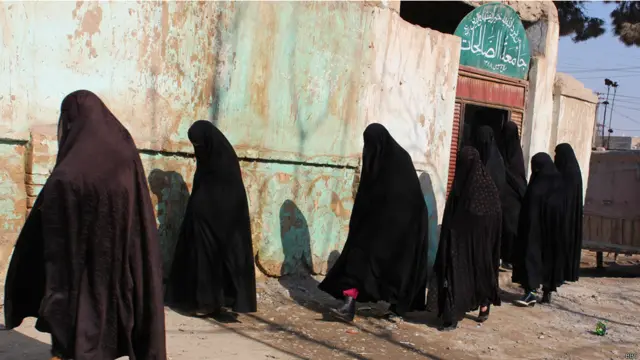
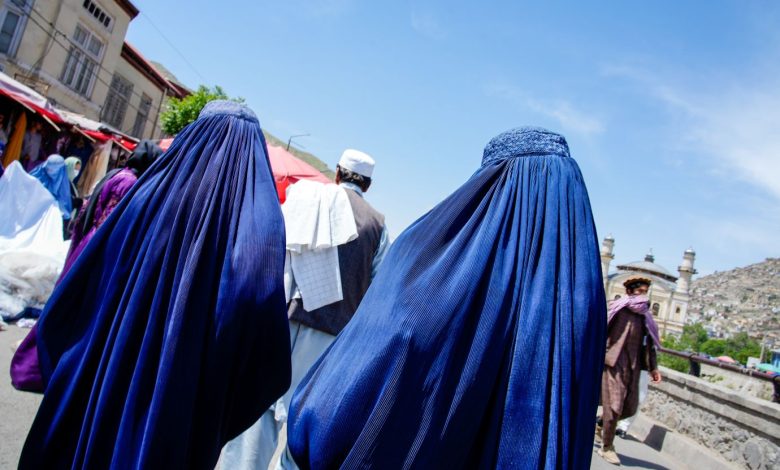
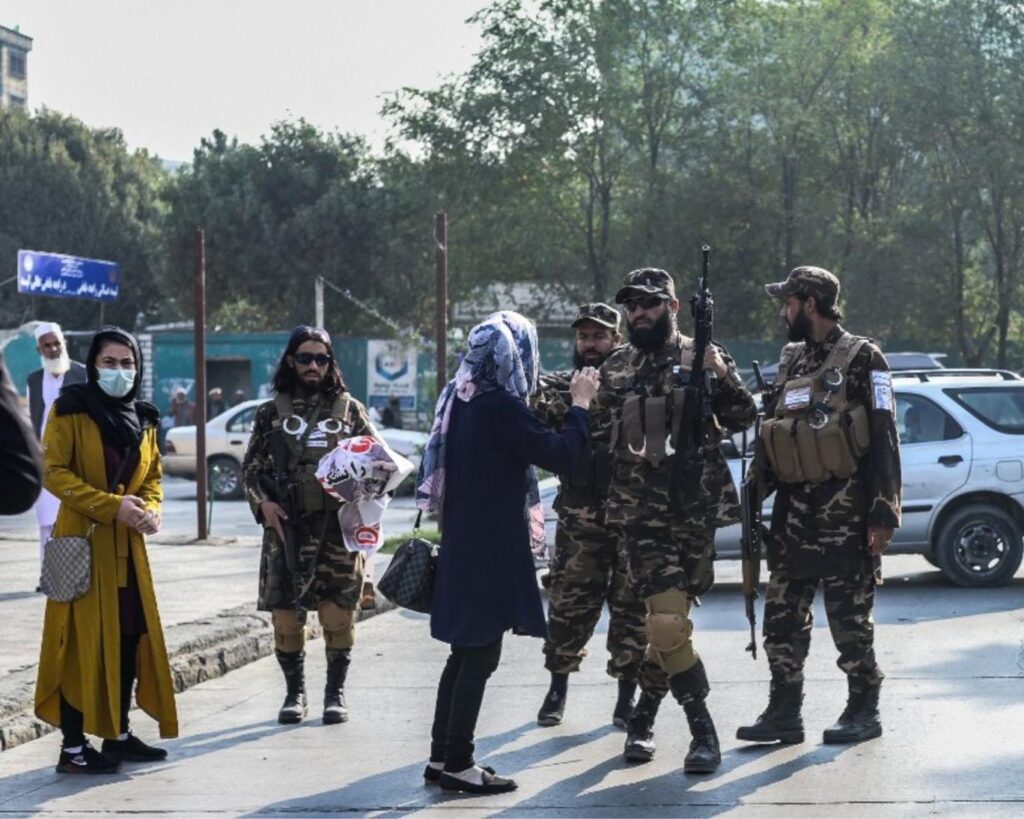
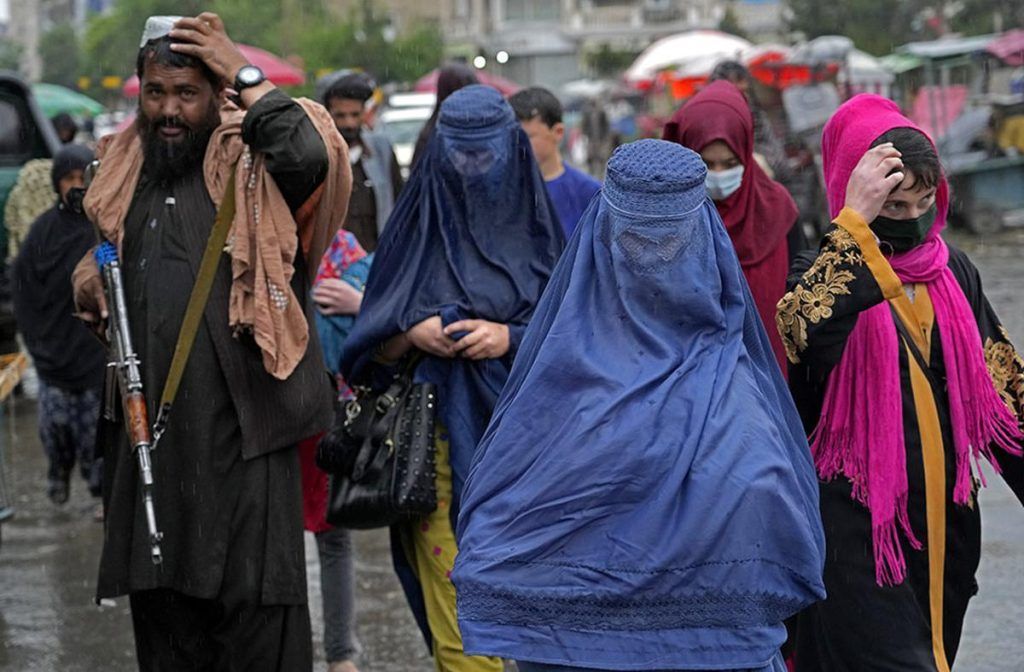
Aziz-ur-Rahman Mohajer, the head of the Promotion of Virtue and Prevention of Vice Department under the caretaker government in Herat, has urged owners of halls, hotels, restaurants, and juice shops to refrain from allowing the mixing of men and women and the entry of unveiled women into their workplaces. Local media reported that Mr. Mohajer warned business owners during a meeting on Monday, October 15, that the law on promoting virtue and preventing vice must be implemented seriously. The head of the Promotion of Virtue and Prevention of Vice in Herat has called on local business owners to strictly avoid allowing unveiled women, the mixing of men and women, and playing music in their work environments. He has urged the residents of Herat to adhere seriously to the ratified law on promoting virtue and preventing vice. Over the past three years, the caretaker government has imposed severe restrictions on the citizens of the country, especially women and girls. The current government has deprived women and girls of attending schools and universities for more than three years. It should be noted that the current government's restrictions have resulted in millions of schoolgirls being denied an education. In addition, women have been banned from going to sports clubs, restaurants, public baths, being examined by male doctors, traveling without a male guardian, and working in both domestic and international non-governmental organizations, as well as in United Nations offices in Afghanistan.

Read More


2 years ago - 419 Visits

Saif Khyber, spokesperson for the Ministry of Promotion of Virtue and Prevention of Vice under the interim government, stated that this ministry will gradually enforce a law banning the publication of images of living beings across all media. Mr. Khyber mentioned that efforts to prohibit the broadcasting of images of living beings in the media have already begun in some provinces. He emphasized that the law banning the publication of images of living beings will be implemented "gradually" throughout Afghanistan, and officials of the interim government are currently working to convince people that broadcasting images of living beings in the media is a "violation of Islamic laws." He made these remarks in an interview with Agence France-Presse, also stating that there is no place for "coercion" in enforcing the laws of this group; it is merely a recommendation and an effort to persuade people that this practice is indeed against Sharia and should be avoided. Agence France-Presse reported: "The new law of the current government, in addition to prohibiting the broadcasting of images of living beings, will impose other regulations on the media, including a ban on broadcasts 'contrary to Islamic laws' and content that contains 'insult and humiliation to Islam.'" According to this report, the law will also advise citizens not to take pictures of living beings on their personal phones or look at such images. The spokesperson for the Ministry of Promotion of Virtue and Prevention of Vice stated that efforts to implement the law prohibiting the broadcasting of images of living beings in the media have begun in several provinces, but not all. He mentioned that the enforcement of this law has started in Kandahar, Helmand, and Takhar provinces. Agence France-Presse noted that on Sunday, officials from the Ministry of Promotion of Virtue and Prevention of Vice in Ghazni summoned local journalists and informed them that the law prohibiting the publication of images of living beings will be gradually enforced. Additionally, local sources in Takhar reported yesterday that local officials issued a complete ban on photography and visual reporting during a meeting with journalists and local media officials. They emphasized that visual media should be converted into radio. The current government has imposed extensive restrictions on media over the past three years.

Read More


2 years ago - 582 Visits

The Global Hunger Index has reported that Afghanistan, alongside Nigeria, is among the countries where the height of children has seen the most significant increase in short stature. In its report, the Global Hunger Index stated that 44.6% of children under five years old in Afghanistan are shorter than their age group, with this short stature resulting from acute malnutrition. The report indicates that Afghanistan ranks 116th out of 127 countries in the Global Hunger Index for 2024, with a score of 30.8. The country is classified as experiencing "serious" hunger, with 30.8% of its population suffering from malnutrition. Additionally, it was noted that 3.8% of children under five years in Afghanistan weigh less than what is appropriate for their age, and 5.8% of children die before reaching the age of five. The report highlights that food security in Afghanistan has worsened due to war, economic instability, and natural disasters that disrupt agriculture and aid efforts. The Global Hunger Index emphasized that since 2016, Afghanistan's score on the hunger index has increased, primarily due to rising levels of hunger. Furthermore, families in Afghanistan are forced to adopt very stringent strategies due to food shortages. Global Hunger Situation The report also mentions that there has been little progress in reducing hunger worldwide since 2016, and the outlook for achieving the goal of "zero hunger" by 2030 is "very poor." According to the report, the Global Hunger Index score for 2024 is set at 18.3, which is slightly lower than in 2016, indicating minimal progress. These challenges include large-scale armed conflicts, the increasing impacts of climate change, high domestic food prices, market disruptions, high debt among low- and middle-income countries, income inequality, and economic recession. Additionally, conflicts such as the wars in Gaza and Sudan have raised the specter of famine globally and led to exceptional food crises. Moreover, internal conflicts in countries like the Democratic Republic of Congo, Haiti, Mali, and Syria have also contributed to food crises. The report identifies violations of the right to food and gender discrimination as factors contributing to increased hunger levels in various countries. Scores in the Global Hunger Index are calculated based on criteria such as malnutrition, child stunting, and child mortality, and are assessed on a scale of 100 points.

Read More


2 years ago - 792 Visits

Manzoor Pashteen, the leader of the Pashtun Protection Movement, has called on members of the Grand Jirga of Pashtuns in Khyber Pakhtunkhwa to support the reopening of educational institutions for girls and women in Afghanistan. Mr. Pashteen stated that the members of the Jirga should consider the issue of girls' education in their resolution. He urged the participants of the Jirga to ask the current Afghan government to open the doors of education to girls. He emphasized: "I propose to this Jirga that five million Pashtuns, including political leaders and members of other parties, jointly request the caretaker government of Afghanistan to allow girls' education." Previously, Manzoor Pashteen equated the deprivation of Afghan women from education with Afghanistan's backwardness and called for full access for women and girls in the country to their rights to education and work. Despite repeated and widespread calls to lift the ban on educational and employment opportunities for Afghan women, the current government has maintained its stance and has interpreted any discussions or proposals on this matter as "interference in its internal affairs." In addition to Afghanistan, many girls' schools have also been closed in Khyber Pakhtunkhwa. In this province, the Pakistani Taliban has significant influence, a group that follows the ideology of the current Afghan government and has pledged allegiance to its leader.

Read More


2 years ago - 667 Visits

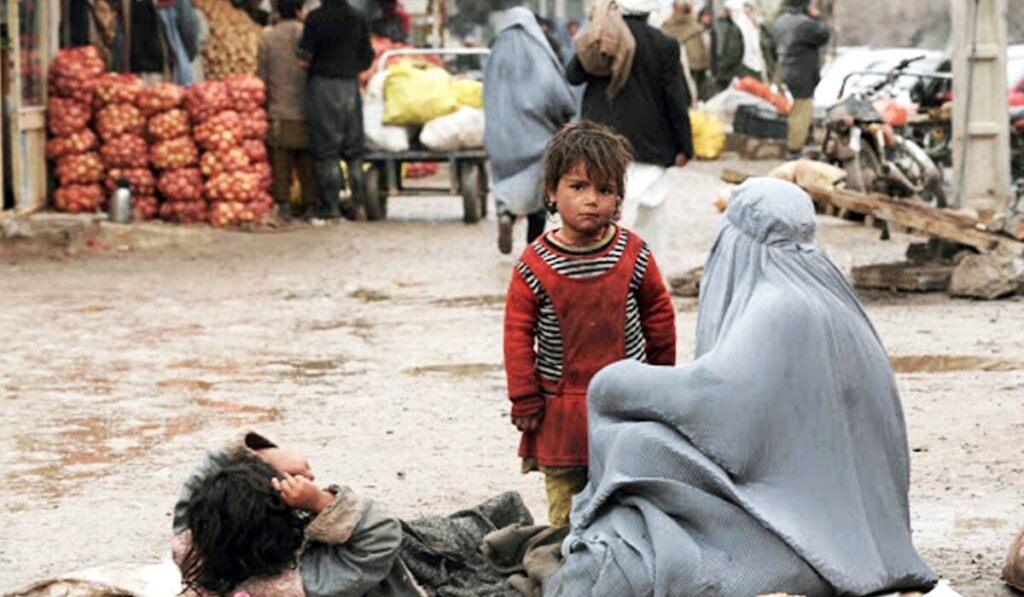
Ali Kazemi, the Secretary of the National Committee on the Convention on the Rights of the Child at Iran's Ministry of Justice, stated that 85% of street and working children in Tehran are migrants from Afghanistan. Kazemi made these remarks in an interview with the ISNA news agency, noting that approximately 3,200 children in street and labor situations have been identified in Tehran, with 85% of them being "nationals" (citizens of Afghanistan). He emphasized that issues such as school dropout and financial difficulties force these children to stand at intersections. He mentioned that the Department of Foreign Nationals has expelled undocumented migrant children due to violations of national laws regarding children. He added, "The current policy is that undocumented individuals should return to their home country, while the rules and regulations of the country should be communicated to documented nationals by the Department of Foreign Nationals for compliance." In his conversation with ISNA, the Secretary highlighted that several crimes arise concerning street children. One is exploitation and neglect, and another is the school dropout issue for these children, which has been criminalized by law. It is worth noting that migrant children are primarily engaged in collecting garbage. Some of these children are unaccompanied or come from low-income families. The challenge of access to education for migrant children is also considered a factor contributing to child labor. Currently, there are no precise statistics on the number of Afghan child laborers in Iran; however, a member of the Tehran City Council previously announced that there are about 70,000 child laborers in Tehran, with 80% of them being Afghan. The spokesperson for the Tehran Municipality also mentioned a plan to collect Afghan child laborers and waste collectors, stating that they will be returned to Afghanistan.

Read More


2 years ago - 669 Visits

Roza Otunbayeva, the head of UNAMA (United Nations Assistance Mission in Afghanistan), marked the International Day of the Girl by stating, "We celebrate this day with a heavy heart, as it has been exactly 1,120 days since the authorities imposed a ban on the education of girls over the age of 12." In a statement, Ms. Otunbayeva noted that the lost opportunities over the past three years not only affect millions of girls but also deprive families and Afghanistan as a whole of these opportunities. She emphasized, "With each passing day, more harm is inflicted on the lives of women and girls. Instead of progress in the country's efforts for peace, recovery, and prosperity, we are being pushed backward." Otunbayeva called on the interim government to change its current course. She stated, "I assure the women and girls of Afghanistan that we will not cease our opposition in defense of their rights, even if others seek to silence them." It is worth noting that the United Nations General Assembly designated October 11 as the International Day of the Girl in 2011 through a resolution aimed at promoting girls' rights. The UNAMA chief mentioned that the theme for International Day of the Girl in 2024 is "Girls' Perspectives for the Future." She added that today's generation of girls is disproportionately affected by global crises such as climate change, conflicts, poverty, and setbacks in achievements. Meanwhile, Afghan girls have faced severe restrictions since the current government came to power. Currently, girls above sixth grade are deprived of education in schools and universities.

Read More


2 years ago - 736 Visits

Author: Mahdi Mozaffari In traditional societies, where patriarchal norms and beliefs prevail, women face numerous challenges on their entrepreneurial journey. These barriers, deeply rooted in social structures, not only hinder the progress and empowerment of women in the economic sphere but also act as an invisible chain, restricting the development and advancement of the entire community. Afghanistan serves as a concrete example of traditional societies where women entrepreneurs grapple with multiple obstacles. Gender inequality is deeply embedded in the fabric of this society, depriving women of equal opportunities. Among the manifestations of this inequality are the restrictions imposed on women's education and employment. Moreover, Afghan women entrepreneurs encounter significant difficulties in accessing financial resources and banking facilities. This makes it considerably harder for them to establish and manage businesses. Existing laws and regulations are often discriminatory and fail to provide adequate support for women entrepreneurs. The barriers to women's entrepreneurship in traditional societies have dire consequences for the entire community. Limiting half of the creative and innovative potential of society means losing valuable opportunities for development and progress. Therefore, overcoming these obstacles and empowering women entrepreneurs is an undeniable necessity for achieving a just, developed, and sustainable society. The Role of Women as Nation Builders; Beyond Limitations on the Path to National Development Throughout history, women have played a role that transcends their traditional duties, serving as foundational pillars of societies and advancing the development and progress of nations. The active presence of women in various fields, including entrepreneurship, is a testament to this claim. Multiple pieces of evidence indicate an increasing inclination among women to own small businesses and establish independent enterprises. This trend, alongside the growing employment rates for women at various levels, reflects the rising participation of women in the economic structures of societies. Although there are no precise official statistics on the number of businesses owned or managed by women at the national (Afghanistan) and global levels, evidence suggests a significant growth in women's entrepreneurship. Estimates indicate that women comprise about one-third of entrepreneurs worldwide. Women’s entrepreneurship is a dynamic process in which women leverage their abilities and creativity to start a business. This requires taking on various risks and challenges but ultimately leads to job creation for themselves and others, as well as the independent management of an economic activity. Women Entrepreneurs Operate in Various Forms: Individual Woman Entrepreneur: A woman who independently starts, organizes, and manages a business. Group of Women Entrepreneurs: A group of women who collaborate to establish and run a business together. According to Schumpeter's theory, an innovative woman entrepreneur is one who applies creativity and initiative to implement new ideas within a business framework. Karmal Singh, a prominent entrepreneur from Rajasthan, provides a comprehensive definition of a woman entrepreneur: "A woman entrepreneur is a confident and creative individual seeking economic independence, whether independently or in collaboration with others. By establishing and managing a business, she creates job opportunities not only for herself but also for others. Women entrepreneurs are founders or CEOs of businesses that offer unique products or services in the market and strive for national and global development." The Role of Women Entrepreneurs in National Development Women’s entrepreneurship serves as a driving force that plays a vital role in the advancement and prosperity of societies. This influence affects various dimensions of national development through multiple pathways, bringing about positive and valuable outcomes. Below are the most significant of these outcomes: Reduction of Poverty and Inequality: Women entrepreneurs contribute directly to reducing poverty and inequality in society, especially among vulnerable groups, by creating job opportunities and generating income for themselves and others. Economic empowerment of women reduces class disparities and fosters social equality. Job Creation: The establishment of small and large businesses by women entrepreneurs generates new job opportunities for community members, particularly women, youth, and graduates. This helps decrease unemployment rates and leads to economic dynamism and growth. Economic Growth and Development: The entrepreneurial activities of women are considered a driving force for growth and economic development at both national and regional levels. The innovation, creativity, and production of new products and services by these empowered women contribute to an increase in Gross Domestic Product (GDP) and the enhancement of economic development indicators. Innovation and Creativity: Women entrepreneurs play a key role in advancing technology, diversifying products and services, and creating new solutions to various challenges with their creative minds and innovative ideas. This leads to dynamism and transformation in various economic, social, and cultural fields. Empowerment of Women: Entrepreneurship provides a suitable platform for empowering women from various personal and social aspects. Achieving economic independence, boosting self-confidence, enhancing skills and specialized knowledge, and actively participating in public spheres are among the positive outcomes of entrepreneurship for women. Sustainable Development: Women’s entrepreneurship, with a responsible and sustainable approach, contributes to environmental preservation, promotes social values, and fosters equitable and resilient communities. These women entrepreneurs think about conserving natural resources and improving the quality of life for future generations through sustainable production and consumption practices. Despite the numerous benefits of women’s entrepreneurship, there are also several challenges they face in their endeavors. Lack of access to capital, gender discrimination, insufficient supportive infrastructure, and cumbersome regulations are among these challenges. This issue will be addressed in subsequent sections of this article.

Read More


2 years ago - 589 Visits

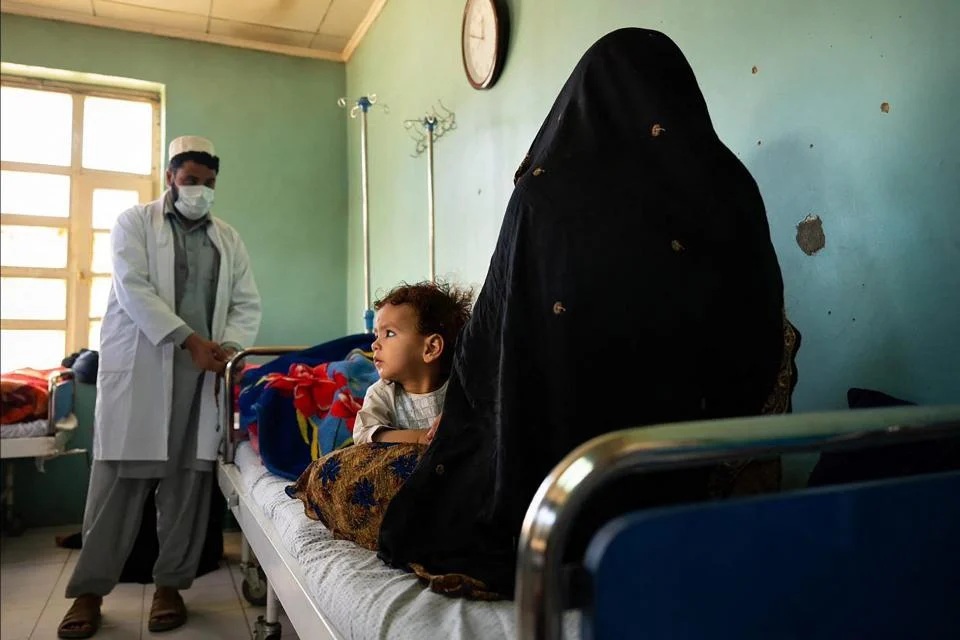
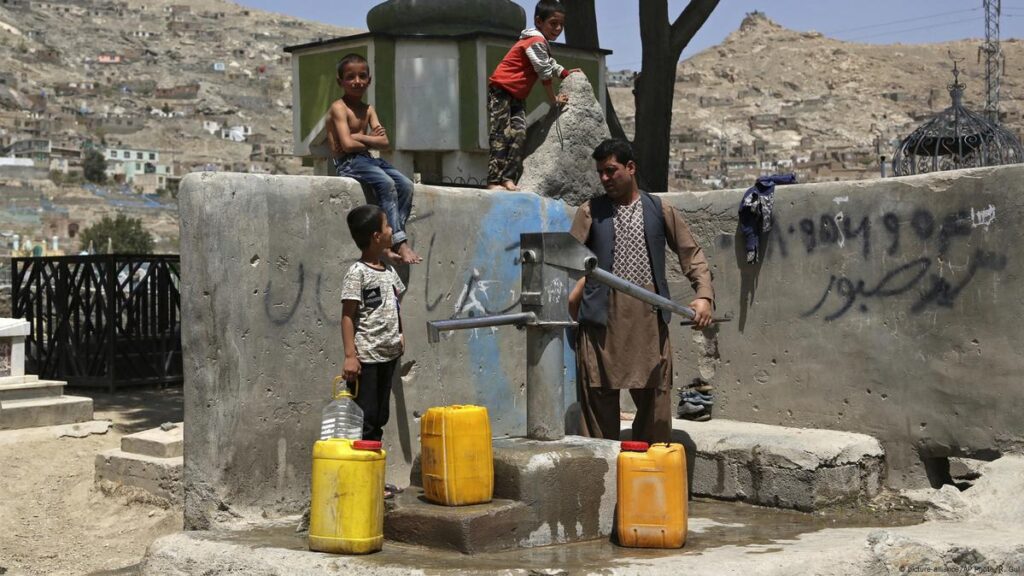
A year after the deadly and continuous earthquakes in Herat province, western Afghanistan, many families and individuals who lost family members and property, as well as their homes being destroyed, are criticizing the lack of support from international organizations and the interim government of Afghanistan. The earthquake victims state that they still do not have access to basic living necessities and are suffering greatly from their current conditions. They cite the lack of adequate shelter, insufficient healthcare facilities, absence of educational centers, and limited access to drinking water as their main challenges, calling for assistance from international organizations, national traders, and the government. Zalmai Farooqi, a resident of Nayeb Rafi village in the Zenda Jan district of Herat, is 35 years old and had four children. He lost two daughters in the earthquake, aged between 10 and 15 years. The village where Zalmai lived was nearly flattened by the continuous earthquakes. With a heavy voice and choked throat, Zalmai told the media that he is still in shock and has not been able to forget the immense suffering that the earthquake has imposed on them. He says, "I see my daughters almost every night in my dreams, and this has become a painful nightmare for me." He stated that he lost his home and all his belongings in the earthquake. Criticizing the organizations and government, he mentioned that many promises were made to them after the earthquake, but few have been fulfilled. As a result, even after a year, they continue to struggle with numerous problems. He also harshly criticized the houses that were constructed for him, emphasizing: "The houses they built for us are just shelters. There are no walls around them, no water, and no electricity. They don’t even have a toilet. Winter is approaching, and we cannot afford to build walls around our homes. Additionally, the prices of construction materials have skyrocketed." Government and Organizations' Promotional Perspective on the Victims Shah Mahmood, another victim of the devastating Herat earthquake, shared his struggles with the media outlet Goharshad, stating, and “We walk half an hour on foot we are facing many challenges. However, the government and international organizations are completely indifferent to our problems. They are only focused on publicity and baseless activities, neglecting the essential needs of the people." Shah Mahmood expressed that they are still confronted with numerous issues. He mentioned that the houses built for them by the government and some traders lack surrounding walls, creating significant problems for families both during the day and especially at night. He noted that for several months, the people of this village have received no assistance from the interim government or aid organizations, and they are facing severe food and health challenges. Shah Mahmood criticized the aid organizations for "turning their backs" on earthquake victims in Herat, showing no concern for their basic needs. This comes in the wake of a powerful earthquake measuring 6.3 on the Richter scale that struck the Zenda Jan district of Herat on October 7 last year. In the following days, similar earthquakes once again shook Zenda Jan and other districts in Herat, leaving widespread destruction and casualties in their wake. According to international organizations, approximately 1,500 people lost their lives in these earthquakes, over 2,600 were injured, and thousands of homes were destroyed. The occurrence of these earthquakes has left thousands homeless and displaced. After these earthquakes, the United Nations, aid organizations, and the current government repeatedly announced plans to assist victims and construct shelters for them; however, it seems that these efforts have not been able to meet their extensive needs. 96,000 Vulnerable Children Affected by the Earthquake UNICEF, the United Nations Children's Fund, recently released a report stating that one year after the earthquake in Herat, 96,000 earthquake-affected children in the province remain at risk and require further support. The report highlighted that most victims of this disaster were children and women, emphasizing the need for increased assistance for children. UNICEF stressed that the situation of earthquake victims in western Afghanistan is dire. The report continued to state that in the year following the disaster, UNICEF prioritized rebuilding damaged water supply systems, restoring classrooms, and ensuring uninterrupted health and nutrition services for children and women. The report indicated that over one million people have accessed healthcare through medical teams supported by UNICEF, including 400,000 children under five years old. UNICEF restored access to clean drinking water for 21,600 individuals and installed sanitation facilities for 25,000 people. The report concluded: "Children cannot thrive without reliable essential services, especially climate-resilient water systems. In areas like Herat, which have been severely affected by drought and are still recovering from earthquakes, we must ensure that communities have access to safe drinking water."

Read More


2 years ago - 585 Visits

The US Institute of Peace states that the caretaker government of Afghanistan has issued over 118 restrictive orders against women and girls in the past three years, placing millions of Afghan women and girls in a state of "fear and uncertainty." In a published report, the institute noted that these orders initially deprived girls of their right to education and subsequently prohibited women and girls from working, studying, and even going to recreational places. The US Institute of Peace described the current government's attitude towards women as oppressive, emphasizing that after the current regime came to power, girls were first barred from attending school, followed by new restrictions on women and girls. The report mentions that the "Promotion of Virtue and Prevention of Vice" law provides a religious justification for the government's "oppressive" actions, leaving millions of Afghan women in a state of uncertainty. The institute added that the full implementation of the "Promotion of Virtue" law could undermine fundamental human rights and strengthen an "oppressive regime." The US Institute of Peace presented a list of 118 orders and directives from the current government that primarily target women, labeling this law as "bad" and a "virtue for the government." The report stated that the "Promotion of Virtue" law undermines the rights of women, which have been hard-won over the past two decades. This American organization indicated that this law has placed millions of Afghan girls and women in a state of "fear and uncertainty." The US Institute of Peace emphasized that the current government has enacted a law based on its extremist interpretation of Islam that restricts all freedoms of women. The organization also mentioned that many religious scholars, civil society members, women's rights advocates, and even some officials within the current government oppose this misinterpretation of religion. It should be noted that the caretaker government, by endorsing the recent law under the name "Promotion of Virtue and Prevention of Vice," has imposed severe restrictions and prohibitions on the rights and freedoms of citizens, particularly women. According to this law, women's voices are deemed "improper," and there is an emphasis on covering the entire body. The US Institute of Peace has called on the international community to exert pressure on the government and support resistance against this group to prevent the erosion of human rights in Afghanistan. Recently, foreign ministers from four Western countries warned during a United Nations General Assembly meeting that if restrictions on Afghan women and girls continue, they will file a complaint against the current government at the International Court of Justice. The Secretary-General of the United Nations and 26 other countries have also supported this initiative at the International Court of Justice.

Read More


2 years ago - 687 Visits

UN Women has reacted to the restrictions against women and girls, stating that Afghan civil society and women are systematically targeted by the caretaker government. In a published report, the organization indicated that Afghanistan is currently facing an "unprecedented women's rights crisis," with the current government specifically attacking women's rights activists. The report mentions that the policies and assaults of the caretaker government on the rights of women and girls have led to an increase in suicide rates among this demographic. UN Women emphasized that the current government has imposed severe restrictions on organizations supporting women and girls and has consistently suppressed their peaceful gatherings and protests. It added that the government has systematically and intentionally removed women from society and public spaces. UN Women stated: "The systematic repression of the rights of women and girls, arbitrary arrests, and threats against activists have rendered many organizations unable to provide essential services." UN Women also noted that during the three years of the current government's rule over Afghanistan, the organization has consistently worked towards empowering active women. While UN Women supports the rights of Afghan women and girls, the caretaker government has, since its return to power in Afghanistan, deprived girls above sixth grade of education and subsequently barred female students from attending public and private universities as well as private educational institutions. It should be noted that the current government's restrictions have resulted in millions of schoolgirls being unable to receive education. Additionally, over the past three years, many boys have been forced to leave education due to economic challenges. The United Nations and the international community have repeatedly called for the lifting of bans on women's rights to education and work in Afghanistan over the past three years; however, the caretaker government has so far ignored these demands. Moreover, women have been prohibited from going to sports clubs, restaurants, public baths, being examined by male doctors, traveling without a male guardian, and working in domestic and international NGOs as well as even in UN offices in Afghanistan. The current government has repeatedly stated that the rights of women and girls in Afghanistan are upheld according to Islamic law.

Read More