Author: رسانه‌ای گوهر شاد

1 year ago - 852 Visits

The Afghanistan Journalists Center reports that following a directive issued by the local administration of Badghis province prohibiting the broadcasting of live images, all television activities in this province have ceased. In a statement, the center noted that local authorities from the caretaker government in Badghis issued an order banning the use of live images by media outlets and journalists, limiting media activities to written and audio content. The statement described this decision as a severely regressive step that restricts media freedom. The Afghanistan Journalists Center has urged the current government officials to reconsider this decision. It was further stated that this directive was officially communicated by the Department of Information and Culture in Badghis via messaging apps like WhatsApp to media outlets and journalists. The center emphasized that the message from the Badghis Department of Information and Culture indicated that media should only use inanimate images, such as buildings and landscapes related to news. Additionally, the statement mentioned that following this order, the national television under the control of the current government in Badghis has been shut down, and the only private television station in the province has also ceased operations. Other media outlets, including radios and independent journalists, have been compelled to comply with this directive. It was also noted that photography and video interviews with local officials in Badghis have been prohibited. The Afghanistan Journalists Center has called for a review of this issue and the lifting of media restrictions imposed over the past three years. The center stated that media should be able to operate freely and in accordance with the country’s media laws. This comes as Badghis becomes the third province after Kandahar and Takhar to officially implement such a ban. The center has reported signs of the enforcement of these restrictions in Helmand, Logar, Wardak, and Daikundi provinces as well. In August of this year, the caretaker government approved a new law titled "Commanding Good," which prohibits the broadcasting of live images in its seventeenth article.

Read More


1 year ago - 489 Visits

The U.S. Agency for International Development (USAID) has stated that it has provided training opportunities for over 10,000 individuals, including thousands of women farmers in Herat, to improve saffron cultivation. In a report, the agency mentioned that it conducted this training program under the title "Comprehensive Pest Management Program" for 10,090 farmers in Herat, where they received essential education on saffron cultivation and sustainable pest management. The report also noted that 3,454 women benefited from this training program. USAID emphasized, "By training in sustainable pest management, these farmers can meet the standards of European and American markets and expand their access to lucrative global markets." Saffron cultivation began in Herat nearly two decades ago and is currently grown in most provinces. According to the Ministry of Agriculture, Irrigation, and Livestock, over 21 tons of saffron were produced in Afghanistan in 2021. It should be noted that Afghan saffron is renowned for its flavor worldwide, and this year, the Global Flavor and Quality Institute in Belgium awarded Afghanistan the title of best saffron for the ninth time. Additionally, the Ministry of Industry and Commerce of the caretaker government recently reported that in the first six months of the current solar year, 80 tons of saffron worth $20.5 million were exported to regional and global markets. Akhandzada Abdulsalam Jawad, spokesperson for the ministry, shared a video with reporters stating that most of Afghanistan's saffron exports went to India, Spain, Saudi Arabia, the United Arab Emirates, the United States, France, Germany, and the United Kingdom. USAID reiterated, "We are helping Afghans strengthen their businesses and continue their livelihoods. We empower farmers to provide food and job opportunities for their families and communities across the country, and we strive to ensure equal access to education for all students, including boys and girls." The agency also stated that it will continue its efforts to strengthen civil society and human rights, especially the rights of women and girls in Afghanistan.

Read More


1 year ago - 752 Visits

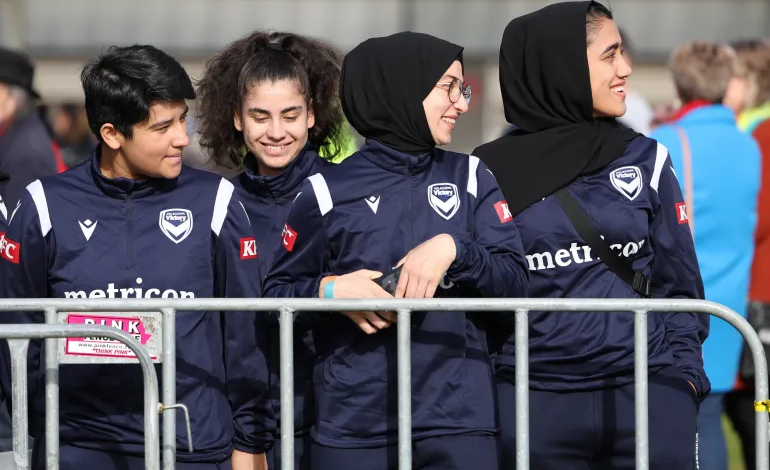
Norwijeh Ahmadi, an Afghan doctor, has successfully gained membership in the UK Medical Council after completing a three-month program of international examinations, including OET, PLAB1, and PLAB2. Norwijeh Ahmadi is a 30-year-old doctor from Afghanistan who completed her primary education in Kabul and then continued her medical studies in India and at the private university "Afghan-Swiss" in Kabul. After the takeover of Afghanistan by the interim government, she migrated to the UK and continued her professional activities and education there. In an interview with the media, Ms. Ahmadi urged the current government to open schools and universities to girls and to lift employment restrictions on them. She called on the girls of Afghanistan to continue their fight for their rights and not to give up. Membership in the General Medical Council of the UK allows doctors to practice legally in the country and signifies an individual's professional assessment and approval. It is noteworthy that this achievement comes at a time when the current government has deprived millions of girls of their right to attend school and university over the past three years. Despite international reactions to this action, officials from the interim government claim that they have ensured all women's rights based on "Sharia."

Read More


2 years ago - 676 Visits

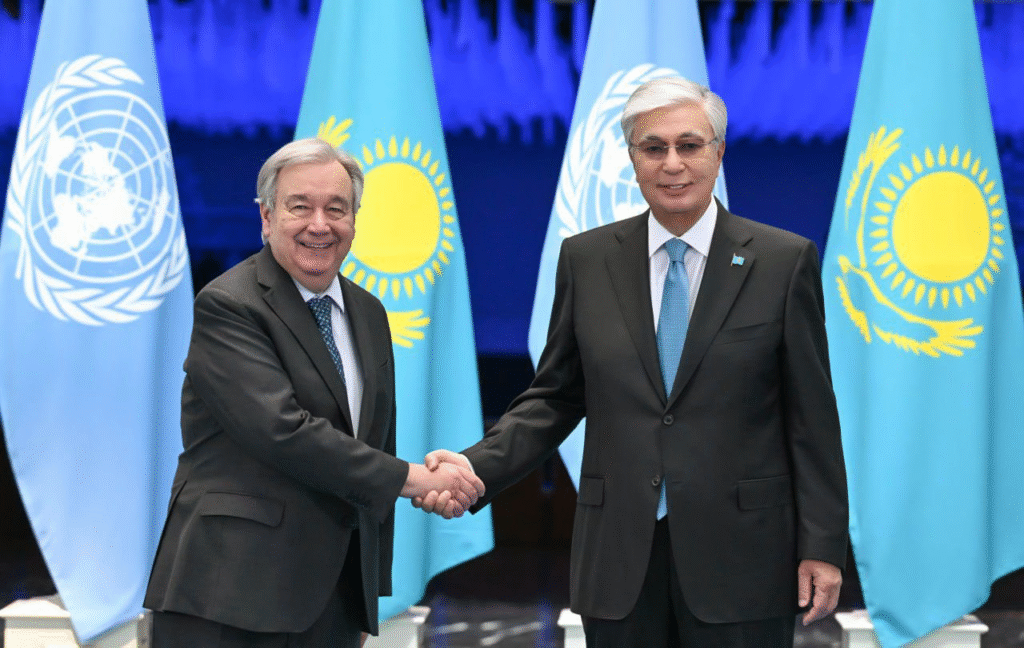
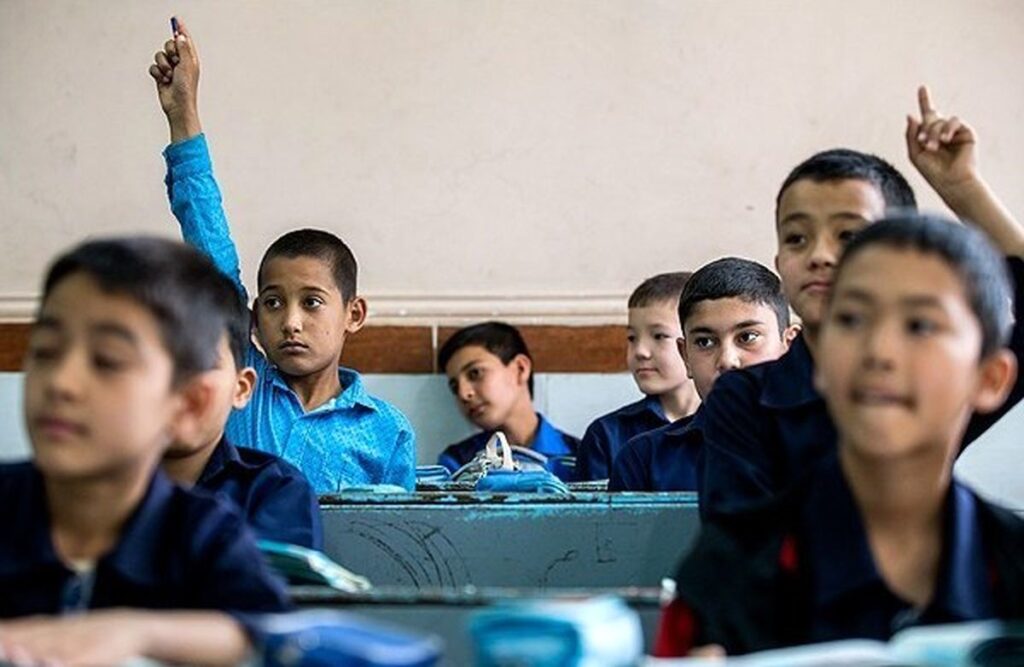
Roza Otunbayeva, the head of UNAMA (United Nations Assistance Mission in Afghanistan), states that more than five million children in the country do not have access to education. Ms. Otunbayeva made these remarks during a meeting with the Deputy Minister of Information and Culture of the caretaker government, emphasizing that over five million children are unable to access education and that literacy is a crucial and vital issue in Afghanistan. She also announced the launch of a national campaign to promote reading in Afghanistan. She stressed that alongside humanitarian assistance, UNAMA is ready to collaborate in the areas of literacy, public libraries, and vocational schools. During this meeting, Atiqullah Azizi, the Deputy Minister of Art and Culture, requested UNAMA's support in building public libraries in provinces and districts, establishing digital systems, and developing mobile libraries. He also urged the international community to assist in the reconstruction, preservation, and training of staff in the field of Afghanistan's historical sites. According to a statement from the Ministry of Information and Culture of the current government, both parties also discussed the preservation and enhancement of historical sites, prevention of smuggling and illegal excavations in ancient and cultural areas of the country. While Roza Otunbayeva reports on the lack of access to education for over five million children, it is noteworthy that the current government has deprived women and girls of attending schools and universities for more than three years. It should be noted that the current government's restrictions have resulted in millions of girls being unable to receive an education. Additionally, women have been banned from going to sports clubs, restaurants, public baths, being examined by male doctors, traveling without a male guardian, working in domestic and international NGOs, and even at UN offices in Afghanistan.

Read More


2 years ago - 498 Visits

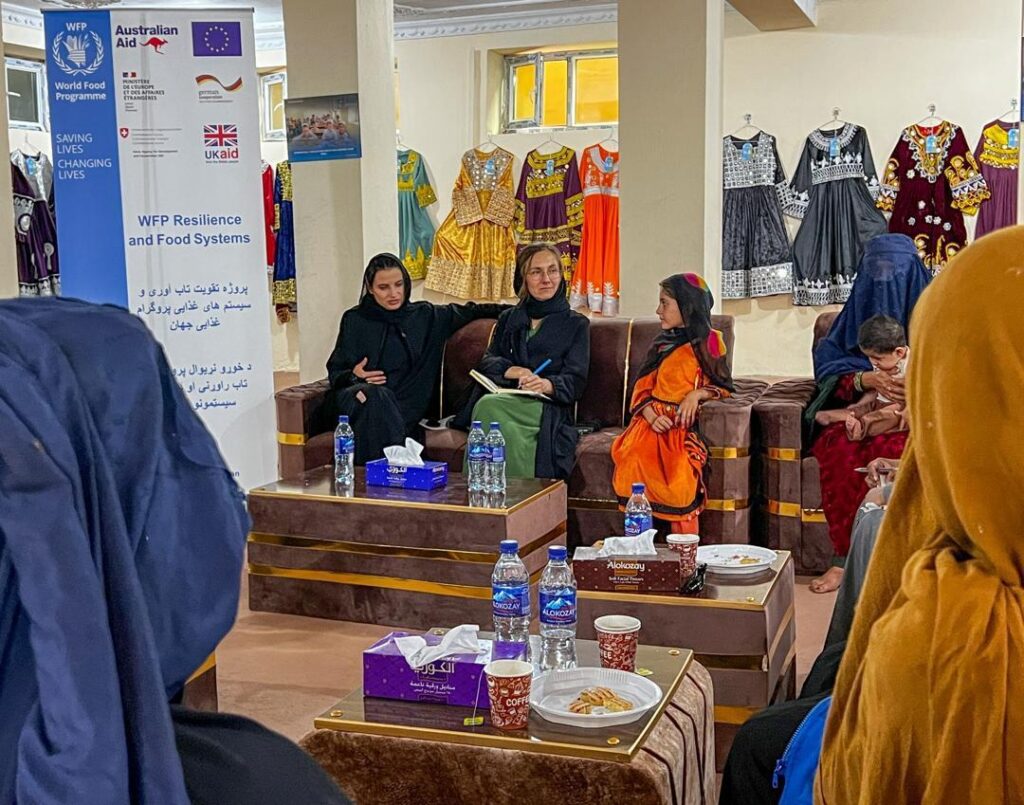
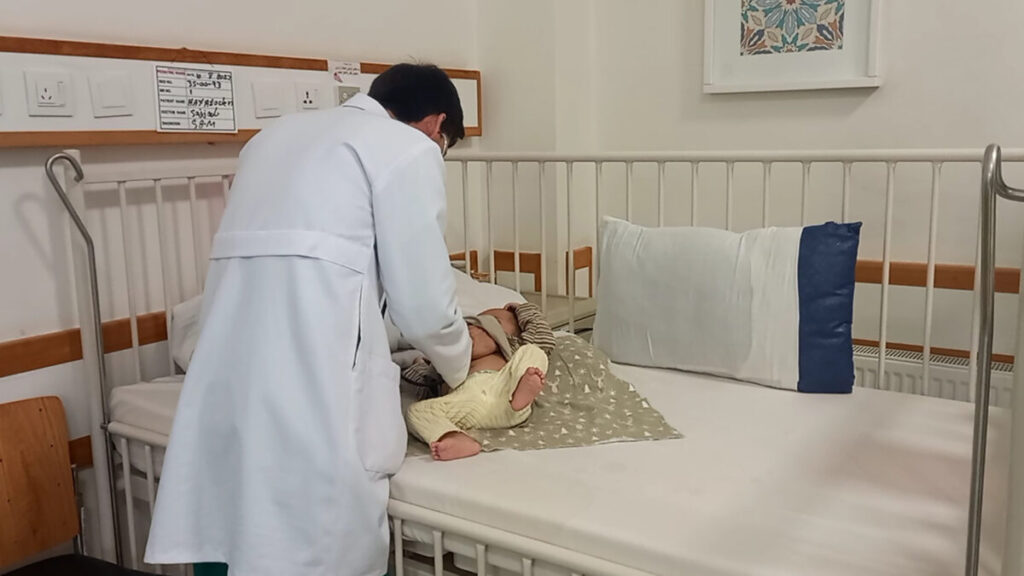
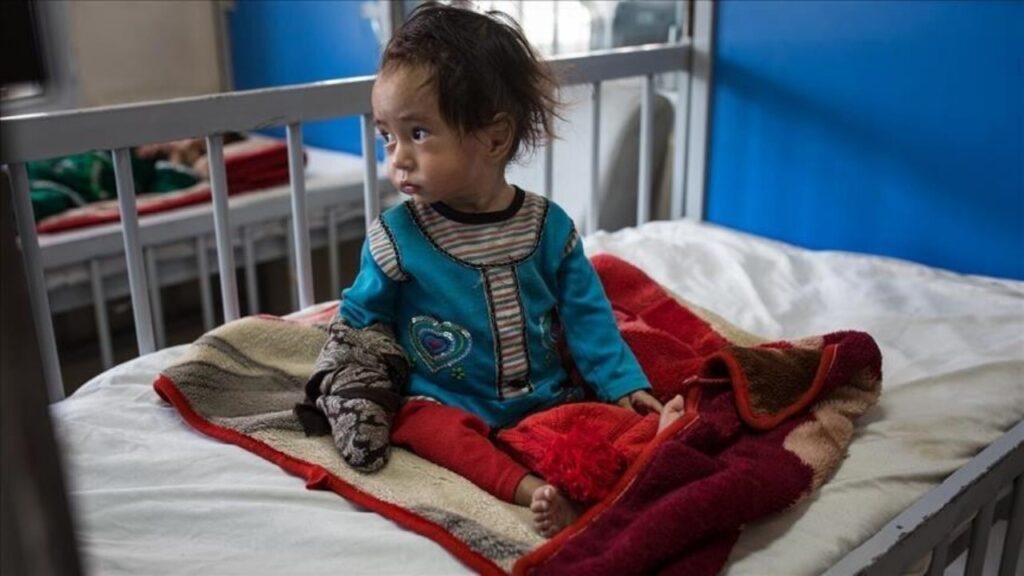
UNICEF, the United Nations Children's Fund, has announced that currently around 30,000 social health workers are active in Afghanistan under its support. On Sunday, October 21, UNICEF published a statement on its X account stating that these workers provide essential health services for children by visiting homes. Shakiba, one of UNICEF's volunteer health workers in Bamiyan, mentioned in a video that it is a matter of pride to see a malnourished child return to a healthy state. Previously, global organizations, including the World Health Organization, reported that the ban on women working in foreign organizations by the current government has posed multiple challenges to the provision of humanitarian services and aid. Furthermore, these organizations indicate that the prohibition on women's employment has created difficulties in delivering essential services to women and children in the country. Earlier this year, UNICEF announced that 343,000 children suffering from acute malnutrition were hospitalized for treatment in Afghanistan. The organization stated that therapeutic food is vital for the recovery of children, and only UNICEF provides this food in Afghanistan. Additionally, the World Food Programme recently reported that 12.4 million people in Afghanistan are facing "severe" food insecurity. The organization noted that many citizens of Afghanistan do not know how they will obtain their next meal. Moreover, the World Food Programme added that the severe financial crisis for funding aid packages has been exacerbated by the current government's reinstatement and the restrictions imposed on women's employment, putting food assistance at risk.

Read More


2 years ago - 434 Visits

The Food and Agriculture Organization (FAO) of the United Nations has announced that it has provided assistance to 15,000 women in Afghanistan who are heads of their households during this calendar year. The FAO highlighted this issue in a message posted on its X account. The assistance includes food supplies, distribution of chickens, and the provision of vaccines and educational services. The FAO emphasized that women play a crucial role in ensuring food security for families. The organization added that access to food for women in Afghanistan has improved compared to the past. It is worth noting that following the takeover of the interim government in Afghanistan, this group has deprived women of their right to work, leading to economic challenges for families. This comes as the World Bank recently stated that Afghanistan, under the interim government, ranks among the 26 poorest countries in the world. It should be noted that after the current government's re-establishment in Afghanistan, the economy of families in the country has severely declined due to the group's restrictions on citizens and a reduction in international aid.

Read More


2 years ago - 458 Visits

The World Food Program has recently announced that Afghanistan has become a focal point of hunger in the world, with three-quarters of the country's total population unable to have a proper meal. Hsyiao Wei Li, the head of the World Food Program in Afghanistan, warned that around 27 million people cannot access enough food, and families across the country need sustainable emergency food assistance to get through the winter. Additionally, Philippe Kropf, a spokesperson for the organization, stated that the World Food Program requires over $600 million to continue its operations in Afghanistan over the next six months. He emphasized that thanks to the support from the Chinese government, they have been able to distribute food assistance to 35,000 families across Afghanistan in the past month. This comes after last year when the World Food Program removed "ten million people" from its list of aid recipients in Afghanistan due to budget constraints. This summer, eleven million people were deprived of assistance, including two million mothers and their children who did not receive any special food to combat malnutrition. A few days ago, the World Bank also announced that Afghanistan, under the current interim government, is among the 26 poorest countries in the world. It is worth noting that following the current government's takeover of Afghanistan, family economies have severely declined due to the group's restrictions on citizens and a reduction in international aid.

Read More


2 years ago - 634 Visits

Author: Mahdi Mozaffari In the first issue of the article "Women and Entrepreneurship," we discussed the foundations of the research and defined its fundamental concepts. We also explained the role of women in national development, stating that women's entrepreneurship serves as a powerful force and driver that plays a vital role in the progress and prosperity of communities. This influence impacts various dimensions of national development through different pathways, bringing about positive and valuable outcomes. Now, in the second issue of this article, we will address the factors affecting women's employment. We will discuss the components involved in maximizing Afghan women's participation in the workforce and outline some barriers to Afghan women's entrepreneurship. The factors influencing women's entrepreneurship can be examined across four dimensions: individual, cultural, economic, and social. Examining the Impact of Individual Dimensions (Motivations, Personality Traits, and Demographic Characteristics) on Women's Employment In analyzing the individual factors affecting women's employment, attention to their motivations, personality traits, and demographic characteristics is crucial. These factors interact with one another to create conditions and contexts necessary for women's presence in the workforce or to create obstacles in their path. The Role of Motivations and Personality Traits Studies have shown a direct and positive relationship between self-confidence, positive self-perception, and women's employment and job positions. Women who believe in their abilities and possess high self-esteem are more assertive in seeking job opportunities and tend to perform successfully in the workplace. Afghan women pursue employment for various motivations, including: Economic Independence: Some Afghan women seek economic independence to meet their own needs and those of their families. This is especially important for women who are heads of households or come from low-income families.   Empowerment: Employment provides Afghan women with an opportunity for empowerment and social advancement. By acquiring skills and experience in the workplace, women enhance their self-confidence and self-esteem, enabling them to take a more active role in decisions related to their lives and families. Supporting the Family: In many Afghan families, women play a crucial role in providing for the household. Employment allows women to contribute to the family income and helps improve the living conditions for themselves and their children. Impact of Demographic Variables Fertility Rate: Studies show that in many societies, especially in countries with young populations and high fertility rates, women's participation in the labor market significantly decreases. Increased caregiving responsibilities resulting from childbearing are recognized as one of the main factors contributing to this phenomenon. Challenges related to balancing labor demands with family responsibilities, including time constraints, childcare costs, and lack of appropriate infrastructure, are considered major barriers to women's employment. Afghanistan, with a total fertility rate of 5.1 children per woman, is one of the countries facing this challenge acutely. This rate is significantly higher than the global average of 2.1 children, indicating high fertility among women in this country. In contrast, the female labor force participation rate in Afghanistan is only 24%, the lowest in the South Asian region. This statistic clearly shows a significant inverse relationship between fertility rates and women's participation in the labor market in Afghanistan. However, the relationship between women's employment and fertility rates is not a simple linear one, and multiple factors influence this complex relationship. In addition to cultural, social, and economic factors, government policies, access to childcare services, equal job opportunities, and societal attitudes toward women's roles in the community also play a significant role. Overall, it can be said that in Afghanistan, the high fertility rate and low female labor market participation are the result of the intersection of various cultural, social, and economic factors. To increase women's participation in the workforce and improve the economic and social status of Afghan women, comprehensive and integrated policies must be considered that simultaneously address reducing fertility rates, improving childcare infrastructure, creating equal job opportunities, and changing social attitudes. Marital Status: Among women in Afghanistan, unmarried women enjoy greater freedom to enter the labor market and actively participate in economic and social spheres due to the prevailing social and economic structures. In contrast, married women face numerous obstacles rooted in traditional norms and a lack of supportive infrastructure. Societal expectations for married women to take primary responsibility for childcare and household duties are considered one of the main reasons for the low economic participation rates of married women in Afghanistan. This is particularly evident in areas where educational and job opportunities for women are limited. On the other hand, the absence of affordable daycare centers and childcare facilities, as well as underdeveloped public transportation systems, create additional challenges for working married women. These women often struggle to balance their family and work responsibilities, which frequently results in reduced working hours or complete job abandonment. Consequently, gender inequalities in Afghanistan's labor market have deepened, leaving married women marginalized within this market. Education Level: Official statistics indicate significant achievements in Afghanistan regarding increased literacy rates and women's presence in universities up to 2021. These accomplishments, resulting from decades of effort, were seen as a promise of a brighter future for women in Afghanistan. By acquiring the necessary knowledge and skills, women made substantial strides toward improving their status in society and participating in various fields. However, unfortunately, since that year, we have witnessed a concerning downward trend in this area. Statistics show a noticeable decline in literacy rates, particularly among women. This sudden drop has raised alarms about the country's educational system, raising fears that the achievements of past decades may be completely lost. This decline in literacy rates stems from reduced female attendance in schools and universities (a situation exacerbated by anti-educational policies). This issue could have multiple negative consequences for the country, including a severe reduction in women's participation in the workforce and a decline in their employment levels. It is evident that the absence of women in various fields poses a significant barrier to the progress and development of the country.

Read More


2 years ago - 501 Visits

UNICEF, the United Nations Children's Fund, has announced that the closure of schools has forced girls in Afghanistan into underage marriages. The organization published stories of several girls deprived of education in Afghanistan, stating that the restrictions imposed by the interim government have deepened gender inequality in the country. UNICEF's report highlights that girls in Afghanistan face significant challenges in their daily lives, and unlike many parts of the world, their rights have been stripped away. Catherine Russell, UNICEF's Executive Director, stated: "Education not only provides opportunities but also protects girls from early marriage, malnutrition, and other health issues." Bibigul, a 17-year-old girl, is one of thousands who have been forced into underage marriages after the current government banned girls from attending school beyond their sixth grade. She told UNICEF about her deprivation of education: "I recently got engaged, and the worst part is that my parents didn't even force me into it; I just lost hope and didn't think I would find an opportunity to fulfill my dreams." Bibigul added: "Even though my fiancé is much older than me, I agreed to marry him." She says she would not have accepted marriage if she had not been deprived of her studies. Another 17-year-old girl, who has a four-month-old child, told the UN Children's Fund: "After the schools closed, I was told I had to get married because I had no other options." She added: "Hearing this as a child broke my heart and wounded my soul." This student was 14 years old when the current government closed girls' schools beyond the sixth grade. According to UNICEF statistics, from September 2021 until now, around 1.4 million girls have been deprived of education beyond the sixth grade. UNESCO has also reported that a total of 2.5 million girls are currently out of school, which constitutes 80% of eligible school-aged girls in Afghanistan.

Read More


2 years ago - 648 Visits

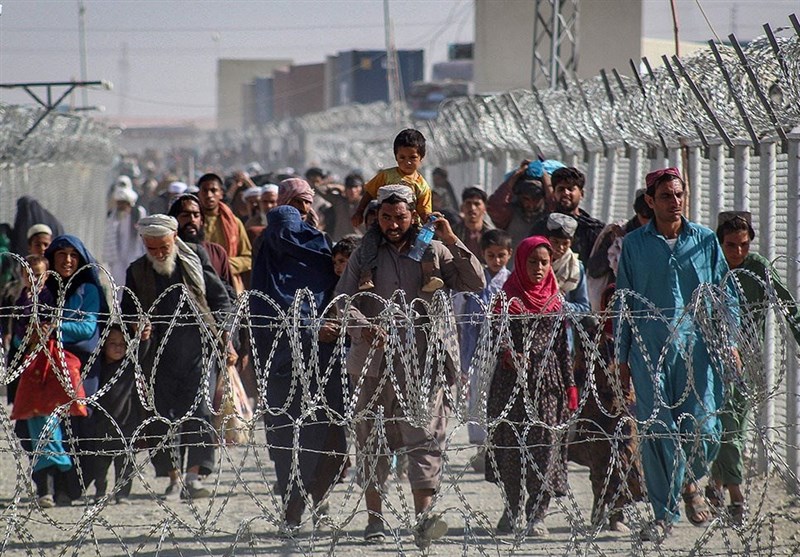
The International Organization for Migration has announced that 60% of Afghan returnees from Iran are returning involuntarily, while the remaining 40% are doing so voluntarily. In a report expressing concern over the increasing forced returns and expulsions of Afghan migrants from Iran, the organization stated that from January 2023 to July of this year, approximately 1.7 million Afghans returned to their country from Iran, with most being expelled. The report noted that during this period, 841,521 returnees from Iran received assistance from the International Organization for Migration. It continued: "The International Organization for Migration and its partners once again urge all countries to immediately halt the forced return of Afghans, both in the short term and long term." The International Organization for Migration emphasized that until conditions are ensured for the "safe, dignified, and voluntary return of Afghan migrants" from regional countries, these countries should stop detaining and expelling them. Additionally, Abbas Stanikzai, Deputy Political Minister of the interim government’s Foreign Ministry, stated that Afghan migrants in Iran face many challenges and called on Iranian officials to treat migrants with "compassion and kindness." Mr. Stanikzai said during a meeting in Kabul on Sunday (October 15) that some media outlets and individuals in Iran are spreading false information against Afghan migrants. He expressed that this is being done to harass Afghan migrants in Iran, saying: "Our request from the government and leadership of Iran is to act with Islamic compassion and brotherhood and respect the rights of neighbors." The Deputy Political Minister added that Afghan migrants in Iran are "not a burden on the Iranian government," as they work in various fields and contribute to the development of Iran today. Meanwhile, some Afghan migrants in Iran have reported that Iranian police detain hundreds of individuals daily from various parts of the country and expel them after a period of detention. They claim that Iranian police even enter the residences of Afghan migrants at night to harass them. In a recent statement, Ahmad Reza Radan, the commander of Iran's Law Enforcement Forces, reiterated the emphasis on the forced expulsion of migrants from the country, stating that by the end of the current Iranian year, two million undocumented migrants are expected to be expelled from Iran. Mr. Radan, in an interview with an Iranian television station, gave a deadline for undocumented migrants to return to their countries by the end of this year.

Read More