Author: رسانه‌ای گوهر شاد

1 year ago - 513 Visits

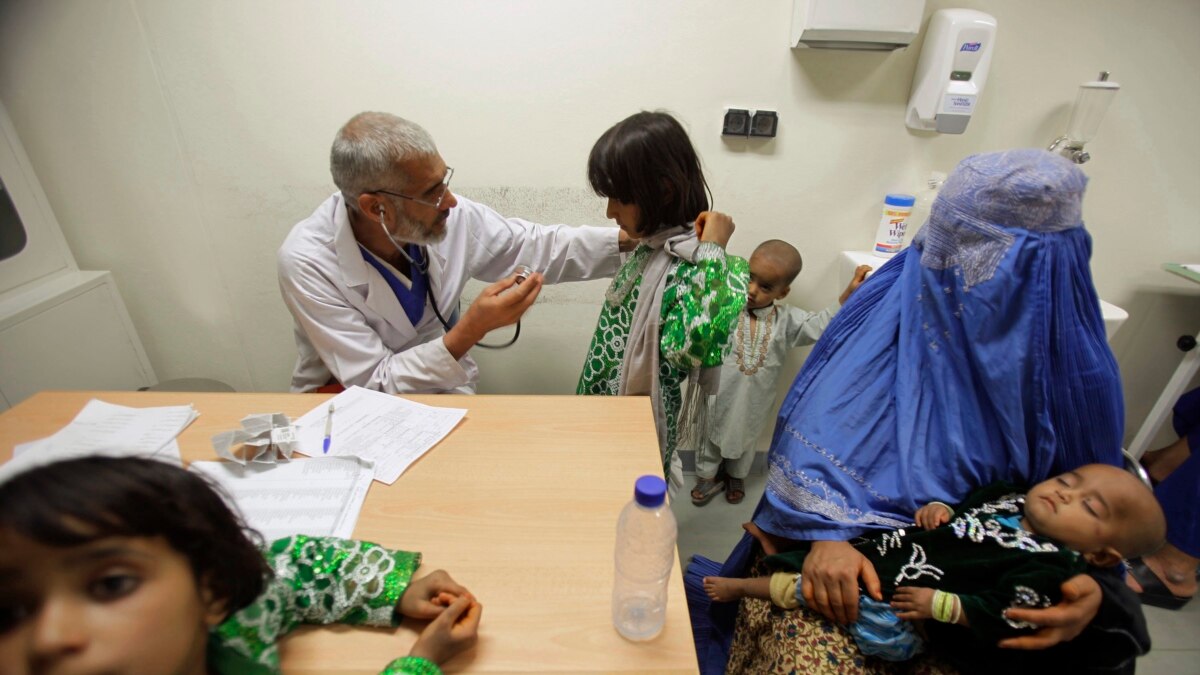
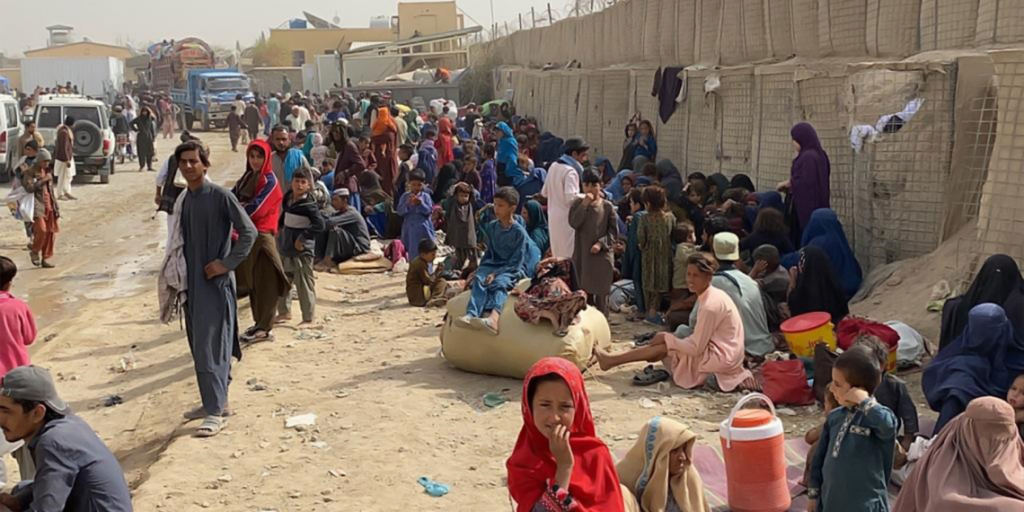
Pio Smith, the director of the Asia and Pacific division at the United Nations Population Fund, states that the suspension of U.S. financial aid will deprive millions of Afghans of access to health and reproductive services. Smith has indicated that if this situation continues over the next three years, it will result in the deaths of more than a thousand mothers due to childbirth in Afghanistan. Last month, U.S. President Donald Trump issued an order to halt foreign aid for 90 days. This decision has raised concerns among humanitarian organizations worldwide that depend on U.S. funding. Although the Trump administration later issued exemptions for food aid and other urgent humanitarian assistance, aid workers say the impact of this action is already being felt by some of the most vulnerable people in the world. The director of the Asia and Pacific division at the United Nations Population Fund emphasized that over 9 million people in Afghanistan and more than 1.2 million Afghan refugees and migrants in Pakistan will lose access to healthcare services due to the closure of health centers. He added that Afghanistan has one of the highest maternal mortality rates due to childbirth in the world, with a mother dying every two hours from preventable pregnancy-related complications. He stated, "When our projects are not funded, women are forced to give birth alone and in unhygienic conditions. Newborns die from preventable causes. These individuals are truly the most vulnerable people in the world." He further noted, "If we only consider Afghanistan, between 2025 and 2028, we estimate that the lack of U.S. support will lead to 1,200 maternal deaths during childbirth and over 100,000 unintended pregnancies." Smith acknowledged that U.S. financial aid has prevented 3,800 deaths during pregnancy worldwide in 2023. He added, "Just in our region, the United Nations Population Fund needs over $308 million this year to continue essential services in Afghanistan, Bangladesh, and Pakistan." Additionally, Riva Skinazi, director of public relations at the International Planned Parenthood Federation, told Reuters that this federation will also be forced to suspend family planning and sexual and reproductive health services in West Africa. She said, "We will see an increase in unintended pregnancies and maternal deaths. The delivery of contraceptive supplies to our members will be hampered. This is a disaster." The International Planned Parenthood Federation, which consists of national organizations advocating for sexual and reproductive health, estimates that in 13 countries, primarily in Africa, it will have to forgo receiving at least $61 million in U.S. financial aid over the next four years.

Read More


1 year ago - 572 Visits

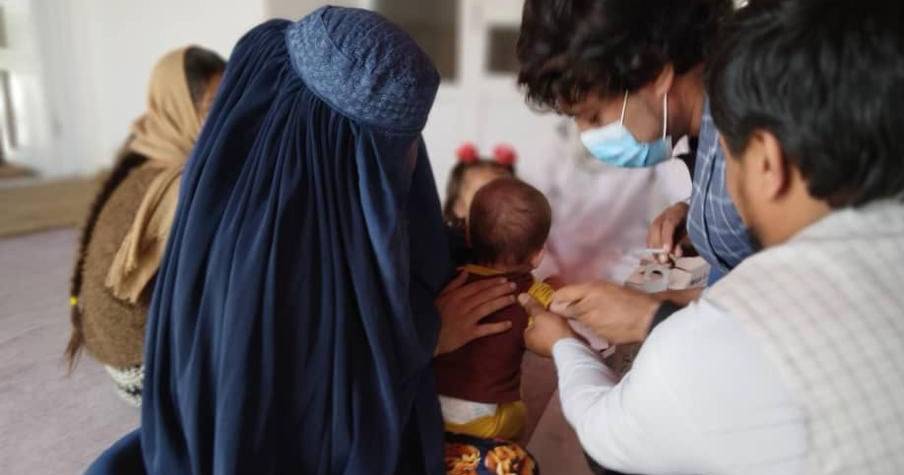
The United Nations Population Fund (UNFPA) for Afghanistan has announced that women and girls in the country are at increased risk of mortality and various diseases due to lack of access to healthcare. In a message posted on its X (formerly Twitter) account, the organization expressed concern over the restricted access of Afghan women and girls to safe and effective healthcare services. It also stated that, in collaboration with the UK, it is providing life-saving services to ensure women can access healthcare without obstacles. Quoting Fauzia, a woman from Nangarhar province, UNFPA reported: “My child is very sick. I have two other children who were also born at home. Without money, we couldn’t go anywhere for medical help.” Malalai Amin, a worker at a health center in the same province, also emphasized that villagers cannot afford the costs of treatment at distant healthcare facilities. Malalai added: “People have high expectations from us because this clinic is in a very remote area. Poverty is widespread here, and people don’t even have 10 Afghanis to pay for transportation to other clinics or to buy medicine.” In its report, UNFPA stressed the need for sustainable investment to guarantee safe and unrestricted access to healthcare for women in Afghanistan. The organization stated: “Together with our partners and donors, we are providing life-saving healthcare services in reproductive, maternal, newborn, child, and adolescent health to counter the severe impacts of the humanitarian crisis on women and girls.” It is worth noting that Afghanistan has one of the highest maternal and newborn mortality rates in the world. The lack of specialized medical staff, particularly female doctors, insufficient medical equipment, and the shortage of hospitals and healthcare centers in remote provinces are among the key factors contributing to the rising maternal and newborn mortality in the country. Health experts and international organizations have repeatedly warned that without adequate support for the healthcare system, the situation for women and children in Afghanistan will worsen. While many countries are reducing maternal mortality rates, Afghanistan continues to face a deep crisis in this area.

Read More


1 year ago - 365 Visits

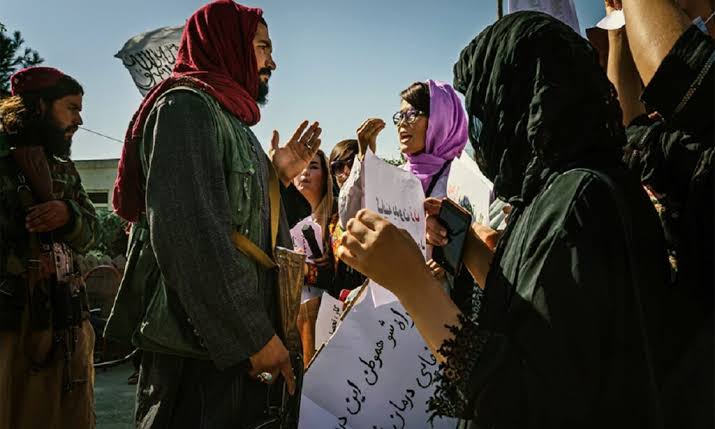
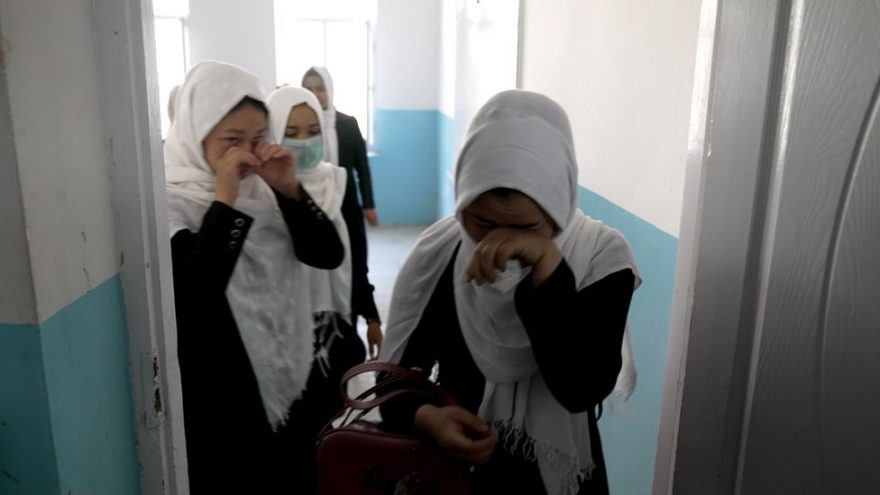
The United Nations Office for the Coordination of Humanitarian Affairs (OCHA) has expressed concern over the ongoing ban on girls' education in Afghanistan. It has urged the interim government to put an immediate end to this "blatant violation" of women's and girls' rights. In a statement posted on its X (formerly Twitter) account, OCHA stated that the ban on girls' education beyond sixth grade, under the current administration, has now entered its third year. OCHA emphasized that over the past three years, 1.5 million teenage girls have been deprived of their right to education beyond sixth grade. Criticism and calls to lift this ban are growing as the new academic year in Afghanistan approaches. However, it remains unclear whether the interim government will allow girls to return to schools and universities in the upcoming school year. OCHA also published a statement from the organization Education Cannot Wait, stressing the urgent need to advocate for girls' and women's right to education under the current administration. Since regaining control of Afghanistan, the interim government has barred girls above sixth grade from attending school and later closed universities to them. In its latest move, it has also prohibited girls from studying at medical institutes, effectively cutting them off entirely from formal education. As a result, millions of female students have been denied access to education. In addition to this, women and girls have been banned from entering gyms, restaurants, public bathhouses, receiving medical check-ups from male doctors, traveling without a male guardian, and working in local and international NGOs, including UN offices in Afghanistan.

Read More


1 year ago - 506 Visits

Local sources in Bamyan province report that intelligence forces have arrested three foreign nationals, along with their translator and driver, in the Yakawlang district of the province. The three foreigners include two women and one man. At least three sources have stated that among those arrested is a married couple who also hold Afghan identification documents. The source added that their birthplaces, as recorded in their identification documents, are Sri Lanka and Singapore, respectively. The source further mentioned that the other foreign woman, who was arrested by Bamyan’s intelligence forces, holds an American passport but is originally a Chinese citizen. According to the source, these individuals were arrested yesterday (Saturday, February 1) in the Zarin area of Yakawlang district. Additionally, several media outlets have reported that the three foreign nationals flew from Kabul to Bamyan on a plane operated by Paktik Airlines, while their Bamyan-based translator and driver were waiting for them at Zarin airfield. Reports indicate that as soon as they landed at Zarin airfield in Yakawlang district, they were arrested by intelligence forces, along with their driver and translator, and transferred to the relevant authorities. The report further states that the foreign couple, who hold Afghan identification documents, have been living in Yakawlang, Bamyan, for three years, while the Chinese-American woman was visiting them as a guest. It remains unclear what the couple has been doing in Yakawlang, Bamyan. So far, local officials of the caretaker government in Bamyan have not commented on the matter. Since regaining control of Afghanistan, the caretaker government has arrested several foreign nationals, including some dual citizens.

Read More


1 year ago - 664 Visits

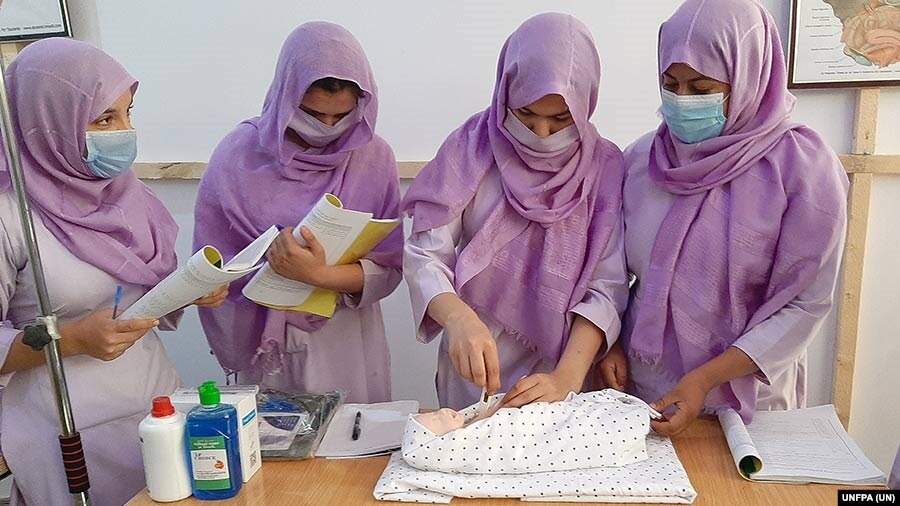
The French newspaper Le Monde reports that 156 female medical staff have left their jobs at the French hospital in Kabul. The report states that there were 280 female medical staff working at this hospital, but currently only 124 are coming to work, and the absence of female healthcare providers from medical centers is a "nightmare" for the people of Afghanistan, especially for women and girls. In its report on the situation at the French hospital in Kabul, the newspaper writes that the restrictions imposed on female healthcare workers by the interim government have put half of the country's population at risk. It goes on to mention that out of nine patient resuscitation specialists at this hospital, eight have quit their jobs. Le Monde quotes Eric Chisson, the head of the French hospital in Kabul, as saying: "Anti-women policies are emptying Afghanistan of female healthcare providers. Currently, medical centers are closing one after another." The head of the French hospital in Kabul states that due to the reduced activities of international health organizations, the number of patients visiting this hospital is steadily increasing. He emphasized: "The influx of patients to this hospital is a tsunami." Eric Chisson added that the International Red Cross and Doctors Without Borders have reduced their health services in Afghanistan. This French official warned that these international organizations are in the process of leaving Afghanistan. Le Monde's report mentions that the current government's morality police are present to monitor the hallways and other areas of this hospital. The newspaper specifies that the morality police regularly oversee the separation of female and male staff and patients in this hospital. The report indicates that the Ministry of Public Health in Afghanistan forced the officials of the French hospital to remove a painting from the wall of this health center that depicted a woman embracing her child. While Le Monde warns of the decreasing number of female healthcare providers in Afghanistan, it notes that the current government has recently banned the remaining opportunities for women's medical education. This comes as the current government has prohibited the education of women and girls above the sixth grade for the past three years.

Read More


1 year ago - 812 Visits

Author: Sara Karimi In a dusty alleyway of Kabul, a girl named Nadia lived with big dreams and a heart full of sorrow. From a young age, she knew that education and university were the only way to escape poverty, unemployment, family struggles, discrimination, and social inequalities. Nadia was born into a humble and poor family in a hidden corner of Kabul, where girls were mostly raised to do household chores and get married rather than pursue academic dreams. But Nadia thought differently, imagined differently, and saw the world through a unique lens. She attended school despite being criticized for being a girl. Many told her that education was unnecessary for girls, that they should stay at home and learn the customs of marriage and domestic life. Yet, from childhood, Nadia was determined to prove that girls could have big dreams, create change, and transform society. Her teachers recognized her as a hardworking and intelligent student. She excelled in all her subjects, and some of her classmates envied her. At home, her parents encouraged her, especially her father—a simple cart vendor—who believed in his daughter’s bright future. He would always say, "The world does not belong only to men. My daughter must become someone who brings great change." After years of struggle and overcoming social restrictions, Nadia finally succeeded in passing the university entrance exam. She was admitted to Kabul University to study economics, her passion. Her first days at university felt like a dream. With bright eyes and a heart full of hope, she attended classes enthusiastically. She was known among her classmates not only for her academic excellence but also for her determination, mindset, and perseverance. But her happiness did not last long. In the year when she was at the peak of her success, everything in Afghanistan changed. Once again, sorrow and pain took over her heart. The ruling regime returned to power, and one by one, universities and schools for girls were shut down. Nadia, who had fought for years to reach this moment, now faced an insurmountable wall of oppression and restrictions. Instead of sitting in classrooms and learning, she was forced to stay at home, reminiscing about her bright past and shedding tears over lost opportunities. Days felt endless, blending into nights. Nadia was confined to her home, but she never lost hope. She vowed that as long as she breathed, she would never abandon her pursuit of knowledge and dreams. At night, when her family slept, she would take out her books and study under the dim light of her lamp—the only source of brightness in her dark world. Books became her closest companions, giving her hope that maybe, one day, she could return to university. "The light of knowledge, passion, and effort still shines in my dark world, and hope remains alive in my heart," she told herself. Even when she saw the sorrow in her parents' eyes, knowing they felt helpless about her future, she remained strong. She believed that within every hardship, an opportunity was hidden. But sometimes, she wondered—would the world ever make enough space for a girl's dreams? One difficult day, a knock on the door shattered the silence. Nadia rose from her books, hearing footsteps approaching. The voices of men grew louder as they neared her home. Her heart pounded. She knew the authorities had come. In that moment, memories of her university days flashed before her eyes like a film. Fear gripped her, but deep inside, something told her she must keep going, even if she could never return to her studies. The regime's forces entered their home, bringing nothing but threats and fear. Their orders were clear: "Girls must stay at home and do household chores. There is no place for you in schools and universities anymore." At that moment, for the first time, Nadia told herself, "Even if I cannot study in this closed world, no one can take my dreams away from me. As long as hope lives in my heart, I am still free." That night, as she sat with her family, lost in memories, she made a silent promise: if the world ever gave her a chance, she would fight for all the girls in Afghanistan who were deprived of education. Nadia may not have returned to university that night, but her spirit and hope remained alive—in the hearts of all the girls who longed for freedom and education. And someday, in an unknown future, perhaps from behind these towering walls of oppression, the voices of girls like Nadia will rise—voices that the world will finally hear.

Read More


1 year ago - 611 Visits

Officials from the World Health Organization (WHO) have warned that the suspension of financial aid from the United States threatens the polio eradication program in Afghanistan and Pakistan. Hanan Balkhy, the WHO's regional director for the Eastern Mediterranean, emphasized the vital role of U.S. financial assistance in the organization's efforts to monitor polio and other communicable diseases during an online press conference. He also described President Trump's announcement of the U.S. withdrawal from the WHO as "regrettable," stating that the country has been a major supporter of the organization's work in the Eastern Mediterranean for decades. He added, "U.S. financial contributions to the fight against and eradication of polio have been truly decisive. Currently, we are in the final phase of polio eradication in the last two countries in the world, Afghanistan and Pakistan." He reaffirmed the WHO's commitment to protecting the world against the resurgence of the polio virus. This comes as Donald Trump, the U.S. president, issued a 90-day halt to nearly all foreign aid last week to review whether these expenditures align with America's prioritization policy. On his first day in office, Trump announced that he would withdraw the United States from the WHO. In his order, he accused the WHO of mismanaging the COVID-19 pandemic and other global health crises, stating that the organization failed to implement necessary reforms and demonstrate its independence from inappropriate political influence by its member states. Pakistan and Afghanistan are the only countries in the world where the polio virus is still circulating and continues to claim victims among children. In 2024, Pakistan reported 73 cases while Afghanistan reported 25 cases of polio. While Afghanistan has not reported any additional cases of polio so far, Pakistani officials reported the first positive case of polio in 2025 last week. Hanan Balkhy emphasized that the organization is ready to implement reforms that the United States wishes to propose. Balkhy added that budget cuts in 2024 had already reduced the organization's critical health operations, stating, "We seek your support to strengthen our message - help us save lives, revitalize health systems, and restore hope to millions."

Read More


1 year ago - 710 Visits

Zakia Khodadadi, an Afghan para-taekwondo athlete who won a bronze medal as part of the Refugee Team at the 2024 Paris Paralympic Games a few months ago, has been nominated for the title of Athlete of the Year 2024 by the National Institute of Sport, Expertise, and Performance (INSEP) in France. In a press release, the institute stated that Zakia Khodadadi is the first member of INSEP to win a medal in the Olympic competitions. It is worth mentioning that the National Institute of Sport, Expertise, and Performance (Institut National du sport, de l'expertise et de la performance) is a full-time sports and educational institution and a center for training elite athletes located in the outskirts of Paris. Zakia Khodadadi sought refuge at INSEP in France after the political regime change in Afghanistan in 2021, where she continued her training under the guidance of Habib Niaré, a former Olympic medalist from France. The bronze medal at the Paris Olympics represents not only a sporting achievement for Zakia Khodadadi but also a symbol of resilience and perseverance against adversity for athletes around the world. This Afghan female athlete became the European champion in para-taekwondo in 2023. She previously stated in interviews that she began practicing taekwondo at the age of 11. She trained secretly in a gym in her hometown of Herat because there were simply no other opportunities for women to safely engage in sports in Afghanistan. While Ms. Khodadadi has been nominated for the INSEP Athlete of the Year award, it has been over three years since the current government has prohibited girls above sixth grade from attending school, university, and participating in sports in Afghanistan. This action by the current government has resulted in millions of female students being deprived of education. It is also noteworthy that women have been banned from going to sports clubs, restaurants, public baths, being examined by male doctors, traveling without a male guardian, and working in both domestic and international NGOs as well as offices of the United Nations in Afghanistan.

Read More


1 year ago - 364 Visits

The Ministry of Promotion of Virtue and Prevention of Vice of the caretaker government has reacted to the report from UNAMA's Human Rights section, denying the imposition of restrictions on women without a male guardian by the ministry's officials. In a statement released today (Tuesday, January 28), the ministry claimed that this report is "far from reality and based on a Western viewpoint." On Monday, January 27, the Human Rights section of UNAMA published a report stating that the requirement for women to have a male guardian, which is not clearly explained in the law on Promotion of Virtue and Prevention of Vice, has created further obstacles for women, including access to public services, employment, and activities outside the home. UNAMA reported receiving information that officials from the Promotion of Virtue and Prevention of Vice have instructed health clinics, shops, markets, and restaurants not to provide services to women without a male guardian. However, the Ministry of Promotion of Virtue and Prevention of Vice has described this part of UNAMA's report as "untrue" and an attempt to discredit the ministry. The ministry emphasized that there is no such stipulation in their law on Promotion of Virtue and Prevention of Vice, and that a male guardian is only deemed necessary for women traveling more than 72 kilometers. Additionally, UNAMA stated in part of its report that officials from the Promotion of Virtue and Prevention of Vice impose arbitrary restrictions that are not included in the law. For example, UNAMA mentioned that in October 2024, the Promotion of Virtue and Prevention of Vice office in Hazrat Sultan district of Samangan issued written instructions to drivers prohibiting women from sitting in the front seat of vehicles. In November, officials instructed female nurses working in the emergency department of a private hospital in Kabul to stop working there and instead work in areas designated for women, such as obstetrics and gynecology. The Ministry of Promotion of Virtue and Prevention of Vice has rejected claims of imposing restrictions on the rights of women and girls, stating that UNAMA should also report on the ministry's achievements in preventing violence against women and facilitating their access to alimony, inheritance, and dowry. The ministry has also requested that UNAMA consider "the religious and cultural values of the people" in its reports and refrain from unrealistic criticisms.

Read More


1 year ago - 538 Visits

The Afghanistan Human Rights Center has announced that depriving girls of their right to education in the country has led to an increase in cases of forced and underage marriages, with female students being the primary victims. The rights monitoring organization stated in a report published on Monday, January 29, titled "Women's Access to Quality Education in Afghanistan Under the Interim Government's Control," that the ban on education for women and girls has had devastating consequences for Afghan women, girls, and society as a whole. The report highlights the negative impacts of preventing girls from accessing education, including social isolation, rendering women inactive members of their families, increasing cases of forced and underage marriages, enduring domestic violence, suffering from mental health issues, and even resorting to suicide or forced migration. The report further reveals that the organization has found a "worrying percentage" of female students forced into marriages after being denied access to education. While there is no precise data on the matter yet, the Afghanistan Human Rights Center noted that 10 individuals interviewed for the report had witnessed 34 cases of forced and underage marriages among students in their communities. One of the victims, Momena (a pseudonym) from Takhar province, who was forced into marriage with a member of the current government forces, stated that she knows 10 of her classmates and village girls who were also forced into marriages with individuals they did not wish to marry after being deprived of education. The organization added that, despite existing restrictions, it managed to directly or indirectly interview 15 students and victims of forced and underage marriages. Findings from the research show that 91% of these marriages occurred without the girls' consent. Additionally, 66% of the victims of forced marriages (from the sample group) were under the age of 18. The report recounts the story of Faiza (a pseudonym) from Herat, who was forced to marry a 25-year-old man at the age of 14. Similarly, it mentions Hamida (a pseudonym), a student from Badakhshan, who was forced to marry a 38-year-old local commander one year after leaving school at the age of 15. The commander, who serves the current government, had been married twice before, and both of his previous wives now live with Hamida in the same house. The assessment by the Afghanistan Human Rights Center also found that 66% of the victims of forced and underage marriages were school students, while 33% were university students. Furthermore, 83% of these victims reported experiencing physical violence from their husbands, fathers, brothers, or in-laws. The report stated that 91% of them suffer from severe mental health issues and depression, while 25% said they had contemplated suicide. Previously, Richard Bennett, the UN Special Rapporteur on human rights in Afghanistan, also stated in an interview that the ban on education for girls above sixth grade has had a devastating impact on Afghan girls.

Read More