Author: رسانه‌ای گوهر شاد

10 months ago - 526 Visits

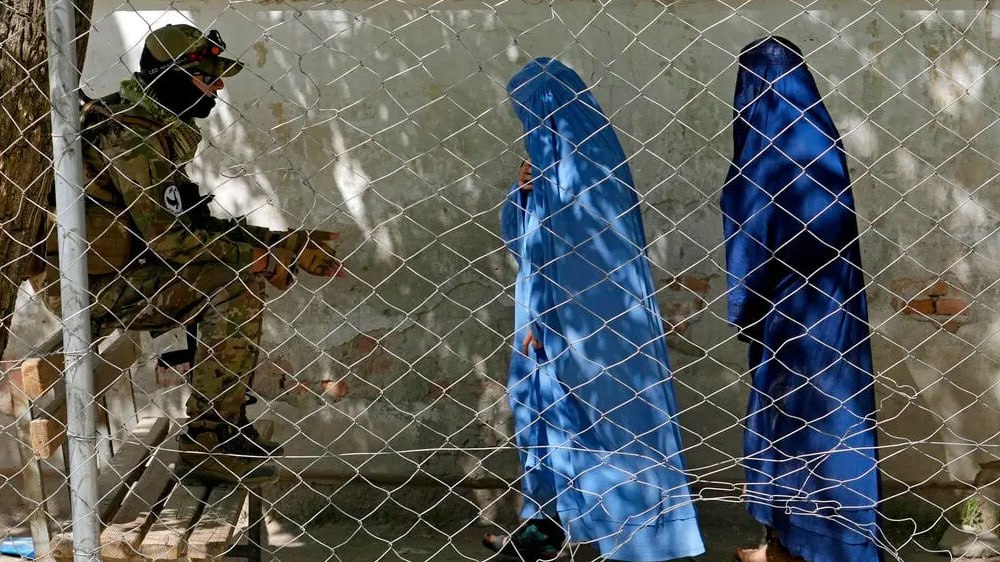
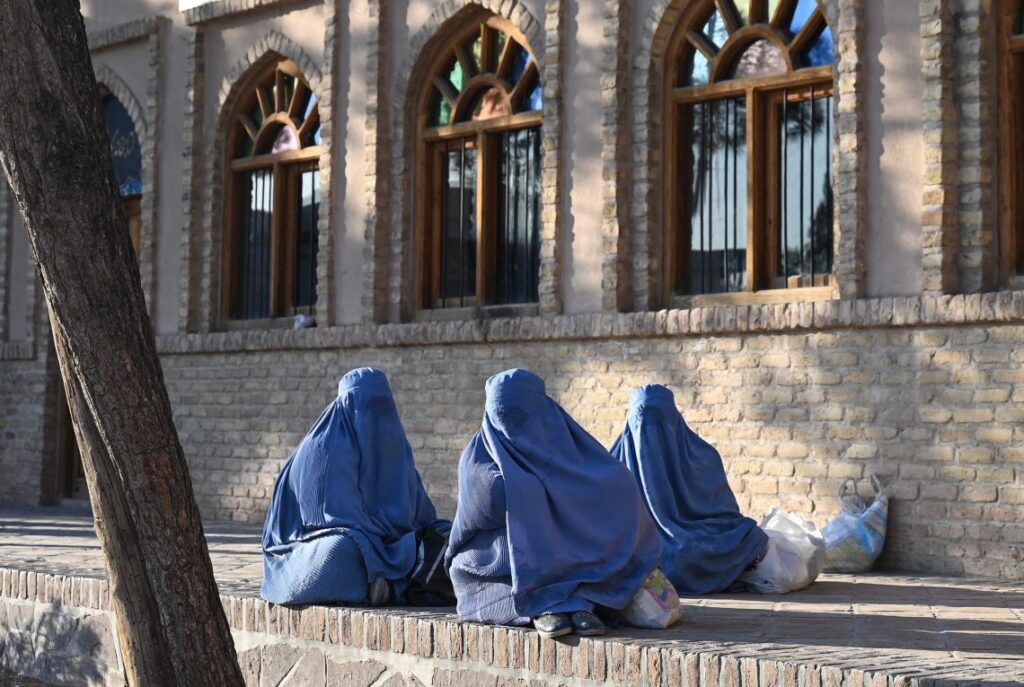
UN Women has recently warned that Afghan women and girls returning from Iran and Pakistan are at risk of early marriage, violence, and abuse. In a report released today (Thursday, August 7), the organization stated that returnee women and girls are highly dependent on humanitarian aid, and after returning to the country, their access to community life, humanitarian assistance, and personal freedoms becomes severely restricted. The agency emphasized that one-third of those returning from Iran are women, and nearly half of those deported from Pakistan are also women and girls. According to reports published by national and international organizations, 2.43 million Afghan migrants have been deported from Iran and Pakistan since last year. The UN Women report further stated: “The arrival of vulnerable women and girls, empty-handed, into communities already on the brink of collapse exposes them to even greater dangers.” The organization added that safe shelter, livelihoods, and education for girls are the most urgent needs expressed by women and girls. The UN also warned that the ability of female-headed households to access humanitarian assistance and support their families has significantly decreased. It has called on the international community and aid organizations to take immediate action to support Afghan women and girls. This comes as the UN has previously documented cases in which returnees from neighboring countries have faced detention, torture, and imprisonment. Currently, the deportation and return of Afghan migrants from Iran and Pakistan continues at a rapid pace. Officials of the Islamic Republic of Iran report that one million Afghan migrants have already been deported. Recently, Iran has ordered all undocumented migrants to leave the country. Iranian officials have provided varying statistics regarding the number of undocumented migrants. According to some estimates, the number of undocumented Afghan migrants in Iran may reach four million. In addition, several million Afghan migrants also reside in Pakistan. Recently, the residency cards of over one million individuals have expired, and the Pakistani government has yet to decide whether to extend or terminate them.

Read More


10 months ago - 642 Visits

The Bill & Melinda Gates Foundation has recently announced that it will allocate $2.5 billion over the next five years for research and development in the field of women’s and girls’ health worldwide. According to a report by the Associated Press on Wednesday, August 6, the foundation stated: "Research into women’s health has been historically underfunded, and many urgent conditions affecting women remain under-studied, under-diagnosed, and overlooked." Rufong Zuoan Cheng, Director of Women’s Health Innovation at the Gates Foundation, referred to a 2021 McKinsey study which revealed that only 1% of all medical research (excluding cancer-related studies) is focused on women’s health. This announcement comes against the backdrop of the United States reducing its support for global maternal health programs during the first seven months of Donald Trump’s administration. Following the U.S. funding cuts, approximately 400 health centers—primarily focused on women's health—were shut down in Afghanistan. It’s worth noting that the Gates Foundation had previously committed to spending its endowment primarily on health over the next 20 years. While the Gates Foundation emphasizes delivering services to women and girls, it’s important to highlight that in Afghanistan, women and girls face severe restrictions in accessing healthcare, education, and employment. These limitations have made it extremely challenging for international organizations to provide humanitarian aid in the country.

Read More


10 months ago - 642 Visits

Veronika Buschkovich-Poehr, the Chargé d’Affaires of the European Union in Afghanistan, has stated that the empowerment of women and the capacity-building of local communities are part of the EU’s long-standing commitments. Ms. Buschkovich-Poehr made these remarks during a visit to Khost province, where she, along with a delegation from the European Union, visited World Food Programme (WFP) projects in the area and directly spoke with the beneficiaries of these projects. She emphasized that these initiatives are based on investments in areas such as vocational training, the establishment of small women-led businesses, and the development of climate-resilient irrigation systems. The EU Chargé d’Affaires added that such programs are effective steps in honoring the resilience and empowerment of Afghanistan’s local communities. It is worth noting that since the Taliban's takeover of Afghanistan, women’s rights have been drastically restricted, and their participation in educational, economic, and social spheres has almost completely ceased. Moreover, since regaining power, the Taliban-led de facto government has imposed sweeping restrictions on the fundamental rights and freedoms of women, barring them from education and employment. As a result of these policies, millions of school-age girls have been denied access to education. In addition, women have been banned from attending gyms, restaurants, public bathhouses, being examined by male doctors, traveling without a male guardian, and working in both domestic and international NGOs, as well as United Nations offices in Afghanistan.

Read More


10 months ago - 598 Visits

Antonio Guterres, the Secretary-General of the United Nations, has recently stated that the people of Afghanistan continue to face enormous hardships. He made these remarks during the signing ceremony of an agreement to establish the United Nations Regional Centre for Sustainable Development Goals for Central Asia and Afghanistan in Almaty, Kazakhstan. Mr. Guterres said that the people of Afghanistan are suffering from deeply rooted poverty, widespread displacement, earthquakes, climate shocks, and a fragile humanitarian situation. He emphasized: “They deserve peace, stability, and a better future.” The UN Secretary-General added, “This Regional Centre will support Afghanistan’s sustainable development path — with full respect for human rights, including the rights of women and girls — and with a focus on economic self-reliance, peace, and human dignity.” He noted that the Regional Centre for Central Asia and Afghanistan is being established based on a mandate from the United Nations General Assembly. He further explained: “The Centre will bring together governments, UN country teams, civil society, academia, the private sector, regional organizations, and financial institutions — to shape coordinated, country-led efforts to address some of the most pressing challenges of our time — from climate change and water scarcity to youth unemployment, gender inequality, and the digital divide.” Mr. Guterres said that the Centre will work with UN Resident Coordinators and country teams to accelerate progress toward the 2030 Agenda in Central Asia and Afghanistan. He also spoke about the situation in Central Asia, saying that climate change in the region is already depleting water resources, melting glaciers, and contributing to natural disasters. Additionally, Antonio Guterres expressed gratitude to Kazakhstan for hosting the Centre and noted that this initiative can help ensure that the aspirations of landlocked nations are not constrained by geography, but empowered through cooperation and regional solutions.

Read More


10 months ago - 556 Visits

Pakistani media have recently reported that the government of Pakistan will not renew the registration cards of Afghan refugees, known as “PoR” (Proof of Registration), and plans to deport those holding these cards. According to Dawn News, Pakistan’s Ministry of Interior issued a special supervisory directive (SRO) last Thursday, stating that PoR cards expired on June 30 of this year, and the stay of their holders in the country is now considered illegal. The report adds that the directive empowers district administrations, police, prosecutors, prison authorities, and other relevant officials to take necessary steps to detain and repatriate PoR cardholders. It further states that the stay of all Afghan nationals in Pakistan without a valid visa and passport is illegal, and therefore, they must return to their home country. It is worth noting that the Pakistani government has already deported undocumented Afghan citizens, as well as holders of the Afghan Citizen Card (ACC). Although PoR cards expired on June 30, cardholders had hoped that Pakistani authorities would extend their legal stay, as they had done in the past. Meanwhile, Qaiser Khan Afridi, spokesperson for the UN High Commissioner for Refugees (UNHCR) in Pakistan, expressed concern over Islamabad’s decision to deport PoR cardholders. He stated, “We have seen the recent SRO issued by the Ministry of Interior on July 31 regarding the launch of the third phase of the plan to return undocumented foreign nationals, and we are engaging with the relevant authorities to clarify its implications for registered refugees.” He emphasized that the return of refugees should be voluntary, safe, and dignified, in accordance with international principles. The UNHCR also reported that as of June 30, 2025, over 1.3 million Afghan nationals were residing in Pakistan. According to the agency’s report, more than 717,945 were living in Khyber Pakhtunkhwa, 326,584 in Balochistan, 195,188 in Punjab, 75,510 in Sindh, and 43,154 in Islamabad. Following a nationwide refugee census in 2004–2005, the Government of Pakistan, with UNHCR support, issued the Proof of Registration (PoR) cards. In 2016, through an amendment to the Foreigners Act, the Afghan Citizen Card (ACC) was introduced.

Read More


10 months ago - 635 Visits

Gianni Infantino, President of FIFA (the International Federation of Association Football), has welcomed the launch of the first-ever global talent identification camp for Afghanistan’s refugee women’s football team, calling it “an important step.” According to a report by Al Jazeera, quoting FIFA, a number of Afghan female football players who fled the country after the Taliban takeover participated last month in the first of three global scouting camps held in Sydney, Australia. The report states that this camp is part of FIFA’s plan to form a 23-member team of Afghan female footballers to take part in international friendly matches this year. In addition to the training camps, the program includes support such as providing equipment, establishing connections with local clubs, offering guidance, media training, and helping players identify educational pathways. Pauline Hamill, a former player for Scotland’s national team, has been appointed head coach of the team and led the first training camp in Sydney from July 23 to 29. In an interview with FIFA’s website, she described the initiative as “an incredible project,” adding, “It’s amazing to see the players here. This project has given them the chance to play together again, build memories, and represent Afghanistan.” It is worth noting that since the Taliban took power in August 2021, many members of the Afghan women’s national football team were forced to leave the country due to severe threats and restrictions. The Afghanistan Football Federation has banned women from participating in sports, resulting in the women’s team being excluded from the FIFA World Cup qualifiers.

Read More


10 months ago - 558 Visits

UNICEF, the United Nations Children’s Fund, has reported that measles claimed the lives of at least 357 children in Afghanistan during the first half of the current year. In a newly published report, the organization stated that more than 12 million children in Afghanistan are in urgent need of assistance. Between January and June, over 74,800 suspected cases of measles were recorded in the country, with nearly 80% of those affected being children under the age of five. UNICEF emphasized that other preventable diseases also remain widespread. During the same period, more than 73,000 cases of severe diarrhea with dehydration were reported, including 12 fatalities, along with over 824,000 cases of respiratory infections and pneumonia. The report further highlights that Afghanistan is facing one of the most urgent but underreported child malnutrition crises in the world. Over 3.5 million children in the country are suffering from acute malnutrition, with 1.4 million at serious risk of death. More than 85% of these children are under the age of two. According to the report, in the first six months of 2025, more than 9.5 million children in Afghanistan were screened for malnutrition. Nearly 275,000 received outpatient treatment, while over 23,000 required hospitalization. “Decades of conflict, widespread poverty, climate-related shocks, and the collapse of social services have left over 22.9 million people—more than half of Afghanistan’s population—in need of humanitarian assistance in 2025,” the report states. UNICEF also noted that the ongoing wave of forced returns from Iran has worsened the humanitarian crisis. Between January and June 2025 alone, over 714,000 Afghans returned from Iran, 99% of them without legal documentation, and around 70% were forcibly deported. This has placed enormous pressure on border areas and local communities already grappling with poverty and food insecurity. According to UNICEF estimates, between May and October of this year, around 9.5 million people—roughly one-fifth of the population—will face “crisis” or “emergency” levels of hunger. To continue its operations in Afghanistan in 2025, UNICEF has appealed for $1.2 billion in funding. However, only 51% of that requirement has been met so far.

Read More


10 months ago - 702 Visits

Majid Parsa, Director of Education for the city of Tehran, has announced that the enrollment of Afghan migrant students for the new academic year will only be permitted upon presentation of documents approved by Iran’s Ministry of Interior. He noted that around 60,000 Afghan migrant students were enrolled in Tehran schools last year. Mr. Parsa described the presence of Afghan students as a contributing factor to overcrowded classrooms in Tehran's schools. He stated that the exclusion of undocumented migrants from the education system in some areas — particularly in southern Tehran — has led to a decrease in classroom density. He predicted that, by imposing restrictions on the enrollment of migrant students in some schools, the average class size could drop from 40 to 33 students. He also emphasized that the number of migrant students in the counties (districts) of Tehran remains high and that further educational and infrastructural planning is required in these areas. Iranian education officials had previously stated that, in an effort to reduce the physical presence of migrant students in Iranian schools, they were exploring avenues of cooperation with the Ministry of Education of the de facto Afghan government to launch online education specifically for Afghan students. Alireza Kazemi, Iran’s Minister of Education, had emphasized that Iran is prepared, under the framework of a tripartite cooperation agreement, to educate all Afghan students through a localized online learning network and issue valid academic certificates in accordance with the regulations of virtual schools. Iranian officials claim that this initiative could help alleviate some of the pressure on Iran’s educational system while also providing access to education for undocumented migrants outside the formal system. This comes at a time when the Islamic Republic of Iran has intensified the deportation of Afghan migrants in recent months. Human rights organizations warn that this action is depriving hundreds of thousands of migrants — especially Afghan girls — of their right to education as they are forced to return to Taliban-controlled Afghanistan.

Read More


10 months ago - 684 Visits

Naseer Ahmad Faiq, the Acting Permanent Representative of Afghanistan to the United Nations, has reacted to the forced displacement of residents from Punjab district in Bamyan province, calling it a “blatant act of oppression” and strongly condemning the forced eviction of indigenous residents from the village of “Rashk” in Punjab district. Mr. Faiq wrote in a post on his X (formerly Twitter) account: “The decision of the de facto authorities to forcibly evict the indigenous residents of Punjab district in Bamyan province in favor of the Kuchis is not only a clear violation of property rights and human dignity, but also contradicts the explicit teachings of Islam, principles of social justice, and international human rights commitments.” He further emphasized: “Islam respects lawful ownership and strongly condemns oppression, coercion, and illegal seizure of people’s property. No individual or group — even in the name of the state — has the right to seize people’s homes and land by force and distribute them to others without a legitimate court ruling and fair compensation.” Faiq added that discriminatory treatment of Afghan citizens — especially concerning the settlement of the Kuchis — not only undermines justice, but also deepens ethnic divisions, increases distrust, and fuels hostility and fragmentation among the people. The Acting Permanent Representative of Afghanistan to the UN stated: “The Kuchis are undoubtedly part of the Afghan nation and, like all other citizens, their right to live should be ensured within the framework of law, justice, and in consultation with local residents — not through force, threats, or ethnic favoritism.” This comes after the current authorities, following a legal ruling in favor of the Kuchis, forcibly displaced 25 families two days ago from the village of “Rashk” in the Pushta-e-Ghargari area of Punjab district in Bamyan. Local media have reported that a delegation of officials from the current government, along with the Kuchis, entered the village, threw out the belongings of the local residents, and locked their homes. This action has sparked widespread outrage among citizens and activists across the country.

Read More


10 months ago - 589 Visits

UNICEF, the United Nations Children’s Fund in Afghanistan, has announced that Badakhshan province has the highest number of people suffering from malnutrition in the country. In a newly released report, the agency stated that an estimated 165,000 children and 93,000 pregnant and breastfeeding women in the province are likely to suffer from acute malnutrition this year. UNICEF emphasized that in 13 provinces across northern and eastern Afghanistan, a comprehensive project is being implemented to prevent malnutrition. The report noted: “In Afghanistan, over one-fifth of women suffer from acute malnutrition, and around one-third are affected by anemia.” Previously, UNICEF had also warned that this year, approximately 3.5 million children and one million pregnant women across Afghanistan could be affected by acute malnutrition. The United Nations has also warned of worsening malnutrition among women and children, noting that Afghanistan is among the 15 countries with the highest rates of child malnutrition. It further reported that 4 out of every 10 women in the country are affected by malnutrition. The worsening hunger crisis and its resulting malnutrition have raised alarm bells for millions in need across Afghanistan. The UN has warned that nearly one-third of the Afghan population is in need of food assistance, and 3.1 million people are on the brink of famine. Following the suspension of U.S. funding and a reduction in humanitarian aid from other countries, UN agencies have repeatedly warned about the escalating malnutrition crisis in Afghanistan.

Read More