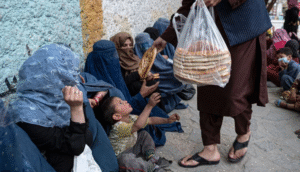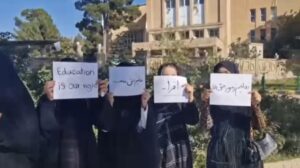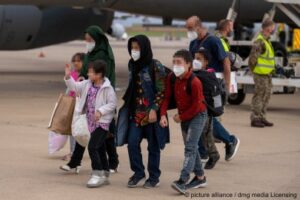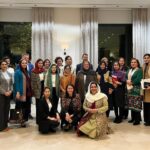
The United Nations Women’s Section has recently announced that financial aid cuts, restrictions on employment, and mobility for women in Afghanistan have put women-centered organizations in serious crisis, reducing access for women and girls to vital services.
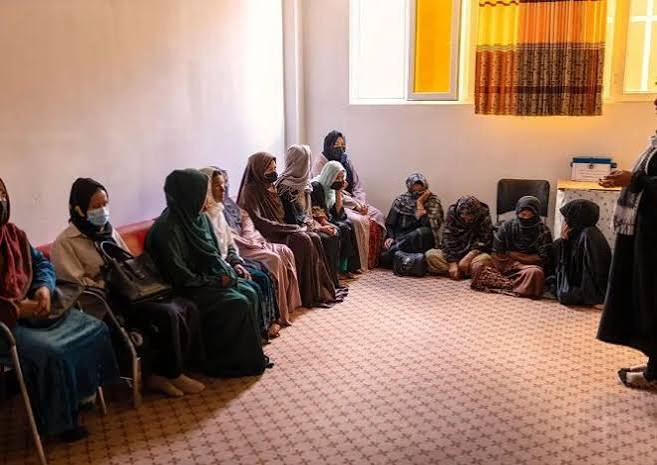
This organization released a report stating that women’s organizations in Afghanistan, which are among the few pathways for women and girls to access supportive, health, and educational services, are at risk of closure.
The report indicated that a survey conducted among 74 women’s organizations in Afghanistan shows that nearly three-quarters of these entities are facing budget cuts in 2025, two-thirds of these organizations have six months or less of operational funding available, and half of them have not received any new funding since 2025.
The UN Women’s Section further emphasized that more than half of the surveyed organizations anticipate ceasing their activities or fully shutting down within the next year.
Additionally, 66% of these organizations reported that many women and girls who previously utilized their services no longer have access to them.
This organization stated that budget cuts have led to a reduction in educational services, income-generating programs for women, and support programs for women affected by violence.
The report noted that extensive restrictions on education, employment, and mobility for women in Afghanistan have increased the need for supportive services, particularly psychological and social support.
The UN Women’s Section specified that women’s organizations in Afghanistan currently represent the last remaining pathways for providing services to women and girls; however, the reduction in aid has complicated these entities’ ability to continue their operations.
According to the report, women’s organizations in Afghanistan provide services such as primary health care, psychological and social support, vocational training, and income-generating programs for women; however, budget shortages have diminished the capacity of these services.
Since the return of the caretaker government to power in Afghanistan, extensive restrictions on women’s rights, including education, employment, and mobility, have been imposed.
In 2023, the current government also banned female UN staff from working in the offices of this organization; a move that the UN deemed contradictory to its operational principles and warned that these restrictions would make it more challenging to provide humanitarian assistance to the people of Afghanistan.