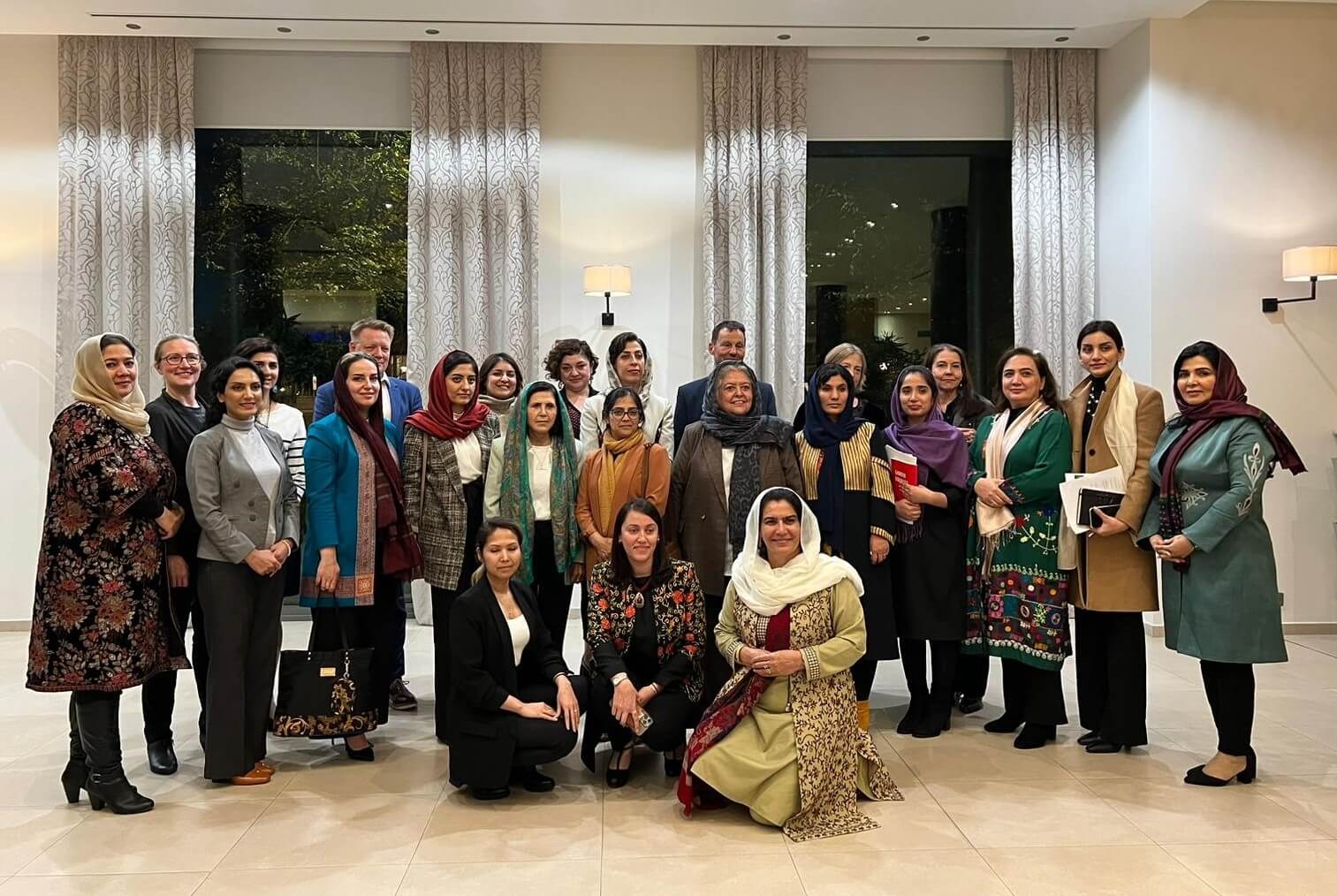
UN Women has said that women and girls do not need permission to lead; they need a fair opportunity.
In a message posted on its X account the organization said that globally, eight out of every 10 women who stand as candidates in elections face violence.
UN Women also emphasized that the costs of participating in elections prevent many women from entering the political arena.
The organization called for greater discussion of the importance of women and girls’ leadership and their equal access to power.
For the past five years, women in Afghanistan have been excluded from decision-making and politics and pushed to the margins.
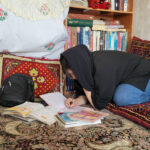
Since taking control of Afghanistan, the de facto authorities have also barred women and girls from education. In their latest restriction, they closed medical institutes to women and girls, even as Afghanistan’s health sector faces a nationwide shortage of personnel.
This has left millions of schoolgirls unable to continue their education.
Women have also been barred from going to sports clubs, restaurants and public baths; being examined by male doctors; travelling without a mahram (male guardian); and working for domestic and international NGOs—or even at UN offices in Afghanistan.