Author: رسانه‌ای گوهر شاد

1 year ago - 490 Visits

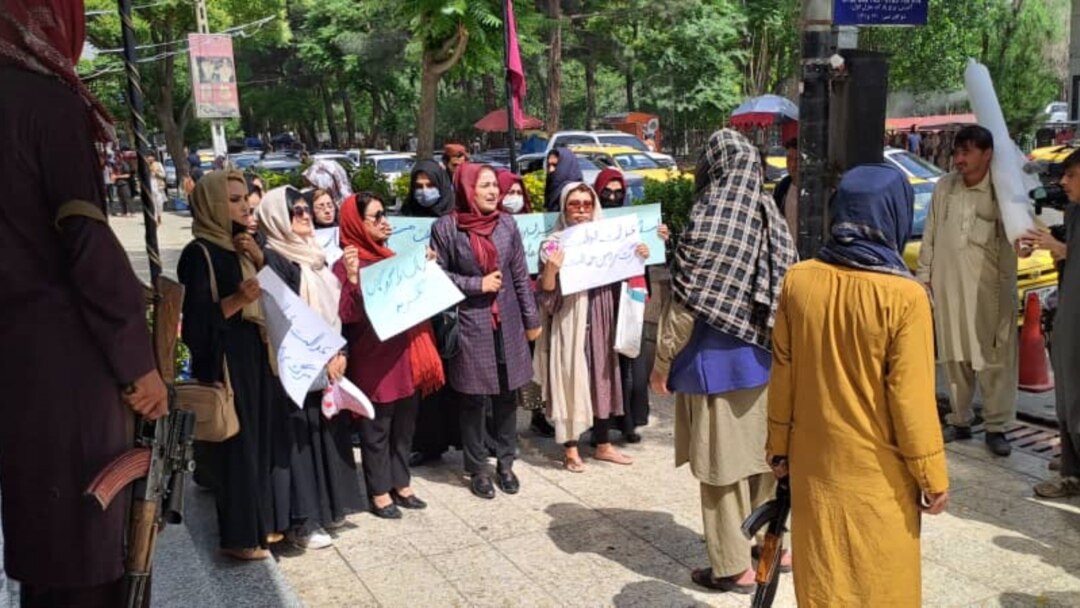
The US Institute of Peace states that the caretaker government of Afghanistan has issued over 118 restrictive orders against women and girls in the past three years, placing millions of Afghan women and girls in a state of "fear and uncertainty." In a published report, the institute noted that these orders initially deprived girls of their right to education and subsequently prohibited women and girls from working, studying, and even going to recreational places. The US Institute of Peace described the current government's attitude towards women as oppressive, emphasizing that after the current regime came to power, girls were first barred from attending school, followed by new restrictions on women and girls. The report mentions that the "Promotion of Virtue and Prevention of Vice" law provides a religious justification for the government's "oppressive" actions, leaving millions of Afghan women in a state of uncertainty. The institute added that the full implementation of the "Promotion of Virtue" law could undermine fundamental human rights and strengthen an "oppressive regime." The US Institute of Peace presented a list of 118 orders and directives from the current government that primarily target women, labeling this law as "bad" and a "virtue for the government." The report stated that the "Promotion of Virtue" law undermines the rights of women, which have been hard-won over the past two decades. This American organization indicated that this law has placed millions of Afghan girls and women in a state of "fear and uncertainty." The US Institute of Peace emphasized that the current government has enacted a law based on its extremist interpretation of Islam that restricts all freedoms of women. The organization also mentioned that many religious scholars, civil society members, women's rights advocates, and even some officials within the current government oppose this misinterpretation of religion. It should be noted that the caretaker government, by endorsing the recent law under the name "Promotion of Virtue and Prevention of Vice," has imposed severe restrictions and prohibitions on the rights and freedoms of citizens, particularly women. According to this law, women's voices are deemed "improper," and there is an emphasis on covering the entire body. The US Institute of Peace has called on the international community to exert pressure on the government and support resistance against this group to prevent the erosion of human rights in Afghanistan. Recently, foreign ministers from four Western countries warned during a United Nations General Assembly meeting that if restrictions on Afghan women and girls continue, they will file a complaint against the current government at the International Court of Justice. The Secretary-General of the United Nations and 26 other countries have also supported this initiative at the International Court of Justice.

Read More


1 year ago - 595 Visits

UN Women has reacted to the restrictions against women and girls, stating that Afghan civil society and women are systematically targeted by the caretaker government. In a published report, the organization indicated that Afghanistan is currently facing an "unprecedented women's rights crisis," with the current government specifically attacking women's rights activists. The report mentions that the policies and assaults of the caretaker government on the rights of women and girls have led to an increase in suicide rates among this demographic. UN Women emphasized that the current government has imposed severe restrictions on organizations supporting women and girls and has consistently suppressed their peaceful gatherings and protests. It added that the government has systematically and intentionally removed women from society and public spaces. UN Women stated: "The systematic repression of the rights of women and girls, arbitrary arrests, and threats against activists have rendered many organizations unable to provide essential services." UN Women also noted that during the three years of the current government's rule over Afghanistan, the organization has consistently worked towards empowering active women. While UN Women supports the rights of Afghan women and girls, the caretaker government has, since its return to power in Afghanistan, deprived girls above sixth grade of education and subsequently barred female students from attending public and private universities as well as private educational institutions. It should be noted that the current government's restrictions have resulted in millions of schoolgirls being unable to receive education. Additionally, over the past three years, many boys have been forced to leave education due to economic challenges. The United Nations and the international community have repeatedly called for the lifting of bans on women's rights to education and work in Afghanistan over the past three years; however, the caretaker government has so far ignored these demands. Moreover, women have been prohibited from going to sports clubs, restaurants, public baths, being examined by male doctors, traveling without a male guardian, and working in domestic and international NGOs as well as even in UN offices in Afghanistan. The current government has repeatedly stated that the rights of women and girls in Afghanistan are upheld according to Islamic law.

Read More


1 year ago - 666 Visits

The Afghanistan Journalists Center has urged the interim government to reconsider its decision to prohibit journalists from photographing and filming in Takhar province. In a statement, the center expressed that this government decision will have detrimental effects on the media's operations and the public's access to information. The statement reads: "The Afghanistan Journalists Center, expressing deep concern over the implementation of this directive, calls on the leadership of the current government to reconsider this regressive plan, which has serious consequences for the media's work and the public's access to information." It further states that the current government's ban on photography and filming was enacted following the ratification of the group's law on promoting virtue and preventing vice, which prohibits the recording of "live images." This decision was made on the 4th of Mehr by Habibullah Hanifi, the head of the Promotion of Virtue and Prevention of Vice in Takhar province, who has barred journalists from recording reports and interviews. Additionally, previously, the national television under the current government's management in Kandahar was shut down for broadcasting live images. It is noteworthy that following the interim government's takeover of Afghanistan, the state has imposed strict restrictions on media and journalists in the country.

Read More


1 year ago - 541 Visits

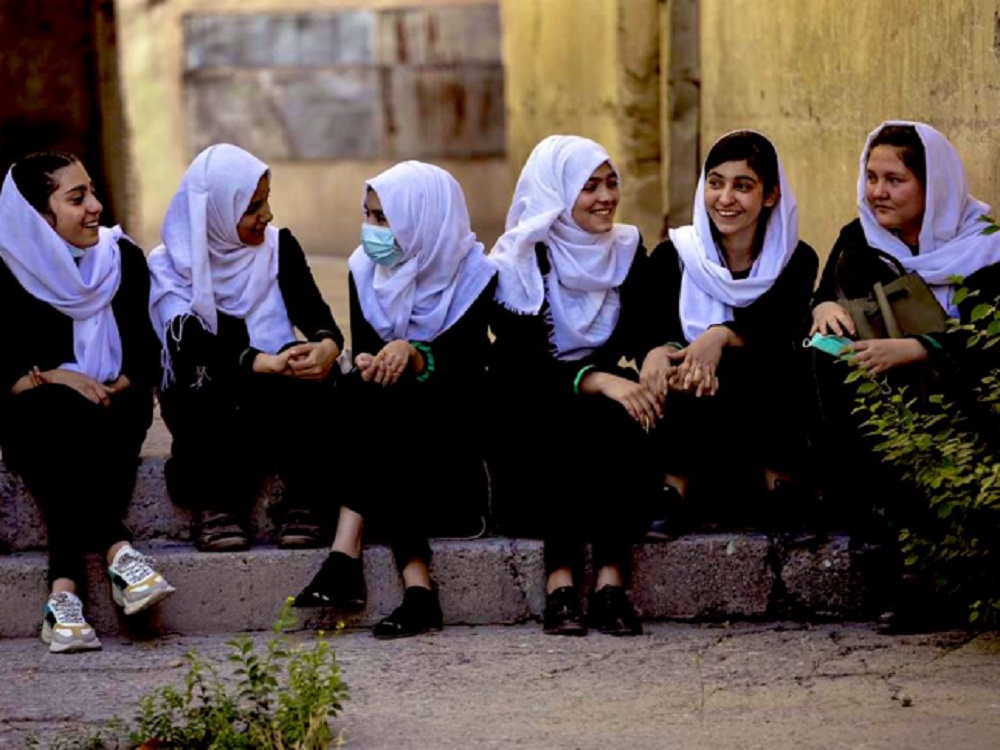
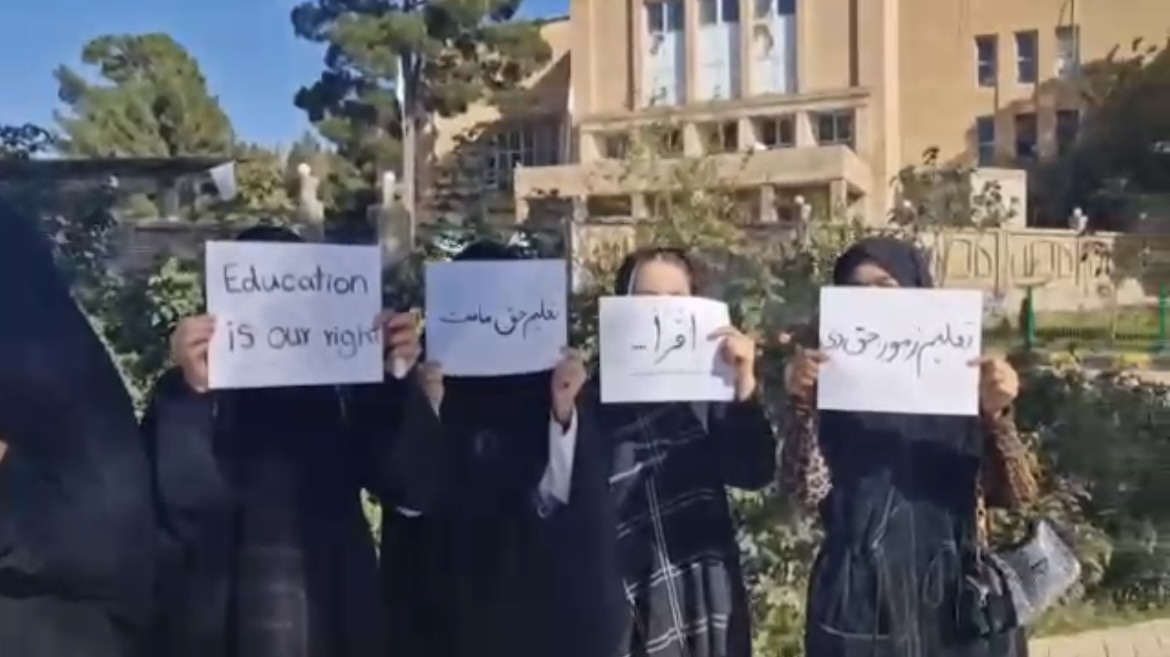
Author: Mahdi Mozaffari It has been three years since the current regime in Afghanistan abruptly and unjustly issued a decree banning the education of girls above the sixth grade across the country. This decision has not only seriously impacted and ruined the future of millions of Afghan girls, but it has also become one of the largest humanitarian crises in the world. With each passing day, more Afghan girls are deprived of their fundamental right to education. This prohibition has turned the dreams and hopes of a generation of girls to ashes, preventing them from the opportunity for growth and flourishing. According to the latest statistics published by the United Nations Children’s Fund (UNICEF), this year alone, 38,000 more girls have joined the ranks of those unable to continue their education due to this ban. This alarming statistic highlights the depth of the catastrophe that has befallen Afghan girls. This prohibition harms not only individual girls but the entire society of Afghanistan; depriving half of the population from education means denying the whole society access to skilled and specialized labor. Countries that deny their women and girls the right to education will face long-term economic, social, and even cultural crises. Why Doesn't the Interim Government Lift the Ban on Girls' Education? Since the current regime took control of Afghanistan and imposed the ban on girls' education beyond the sixth grade, this government has steadfastly maintained its decision despite internal and international pressures. The authorities have yet to provide a clear and convincing reason for this decision and have not responded to widespread criticism from human rights activists, civil society, and even some religious leaders. This significant silence and the government's repressive approach toward educational activists have fueled speculation about the true motives of the interim government. Government officials have put forth various justifications for this ban, each of which has proven to be weak and unfounded. Initially, the lack of a "suitable environment" for separate girls' education was cited as an excuse, which quickly contradicted the educational realities of Afghanistan prior to this regime's takeover. Then, the current rulers claimed that cultural reasons led people to oppose girls' education beyond the sixth grade. However, this assertion was met with strong backlash from community leaders and civil activists who emphasized the people's desire for their daughters' education. With these justifications failing, the regime turned to a repressive approach, detaining and imprisoning educational activists. The arrests of activists like Ahmad Fahim Azimi and Matiullah Waisa illustrate that the government is not only unwilling to provide a logical justification for this ban but also fears any form of dissent and criticism. Furthermore, the insistence on this unjust and inhumane decision to prohibit girls' education stems from regressive and narrow-minded ideologies that not only contradict human values but also conflict with authentic Islamic teachings. Depriving girls of their right to education means denying them the tools for growth, advancement, and independence. This repressive approach not only harms the fundamental rights of Afghan citizens, particularly women and girls, but also poses a serious threat to the future of the country. The international community and global institutions must increase their pressure on this government to lift such oppressive bans and defend the basic rights of the people of Afghanistan. Devastating Consequences The policies of the caretaker government in Afghanistan have had severe and destructive repercussions on the lives of women and girls in the country. These consequences affect not only individual and social dimensions but also economic aspects and even the mental health of Afghan women and girls. According to Sima Bahous, Executive Director of UN Women, 90% of Afghan women and girls describe their mental health as "poor" or "very poor." This statistic alone highlights the depth of the tragedy imposed on this segment of society. Afghan women acknowledge that over time and with changing seasons, their psychological state is increasingly deteriorating, with many resorting to suicidal actions. Severe restrictions on education are one of the most significant consequences of these policies. The United Nations Educational, Scientific and Cultural Organization (UNESCO) has warned that as a result of these policies, half of Afghanistan's population will remain illiterate. Illiteracy poses a serious barrier to full participation in society and leads to widespread unemployment, poverty, and health and psychological issues. Meanwhile, UNESCO emphasizes that reading and writing is the first message from God in the Holy Quran. Nevertheless, the current rulers of Afghanistan continue to insist on banning education for girls, creating an uncertain future for the next generations of this country. A generation of illiterate women will give rise to a generation of illiterate mothers who, in turn, will deprive their children of the right to education. This vicious cycle will entrench illiteracy in Afghan society for decades and across several generations. The repercussions of this situation extend beyond individuals and families, impacting the entire Afghan community. The decline in literacy levels will pose a significant obstacle to the development and progress of Afghanistan, trapping the country in poverty and backwardness.

Read More


1 year ago - 603 Visits

The World Health Organization has recently announced that from August 21 to September 1, three new cases of polio have been reported in the provinces of Kandahar and Helmand. In a report published, it stated that since the beginning of this year, 22 cases of polio have been reported in Afghanistan. The report, released on Monday (October 1), noted that three new cases of polio in Afghanistan were reported from the districts of Maiwand and Ghorak in Kandahar and the district of Nahr-e-Siraj in Helmand. According to the report, since the beginning of the year, 24 cases of polio have also been reported in Balochistan, Sindh, Khyber Pakhtunkhwa, Punjab, and Islamabad in Pakistan. This comes as only six cases of polio were reported in Afghanistan and six in Pakistan last year. It is worth mentioning that Afghanistan and Pakistan have yet to eradicate polio. Despite this ongoing challenge, the interim government recently suspended the polio vaccination campaign in Afghanistan. Polio is a contagious virus that primarily affects children under five years old, but it is said that any unvaccinated individual can also be at risk of contracting it.

Read More


1 year ago - 577 Visits

Hundreds of Afghan citizens in Canada gathered in Vancouver and Ottawa to mark the anniversary of the start of the "genocide of Hazaras" in Afghanistan and in response to the massacre of residents in Daykundi province. On Sunday, October 1st, local time, Afghan citizens chanted "Immediate Stop to the Genocide of Hazaras," calling on international human rights organizations to recognize the crimes against Hazaras in Afghanistan as genocide. The protesters emphasized the need for justice for victims of human rights violations and demanded continued advocacy for human rights, especially for women and minorities in Afghanistan. They commemorated the victims of this genocide, marking its 132nd anniversary this year, and called for greater attention from the international community to the situation of Hazaras. The demonstration concluded with the reading of a resolution. The resolution urged the international community to recognize the ongoing genocide against Hazaras—Shia Muslims in Afghanistan—and acknowledge the systematic nature of human rights violations against them. Participants also called for immediate action to protect Hazaras under international law to prevent further genocide under the current regime. It should be noted that the resolution requested that the Canadian government and the international community refrain from normalizing relations with the current government and utilize all means to hold this group accountable for human rights violations. Additionally, protesters suggested that Canada initiate an independent investigation by the United Nations into the human rights situation of Hazaras and issue a resolution for their immediate protection. This comes after on September 13, 14 residents of the "Qaryodal" village in the Sangtakht district of Daykundi province were killed by armed individuals near the border of this province with Ghor. The responsibility for this massacre was claimed by ISIS. It is important to note that among those killed was a resident of Ghor province as well.

Read More


1 year ago - 438 Visits

The World Food Program has announced that one in three girls in Afghanistan cannot complete their primary education. Today (Sunday, September 29), this organization expressed concern over the ban on education for girls above the sixth grade in Afghanistan through a statement on its X account. The World Food Program emphasized that although secondary and higher education for girls has been banned by the interim government, many girls are forced to leave primary education early due to poverty. The statement mentioned that many Afghan children live primarily on bread and tea. This organization added that following the takeover by the interim government, Afghanistan has been engulfed in a severe economic crisis that poses a threat to many lives. The World Food Program noted that due to budget shortages, it can currently assist only one million hungry people in Afghanistan. It further stated that an additional 11 million people have been removed from the food assistance process. Additionally, part of the statement mentioned that 1.4 million mothers and children are suffering from malnutrition and need specialized food, but this organization is unable to help them. According to statistics from the United Nations Educational, Scientific and Cultural Organization (UNESCO), due to the policy banning education for girls above the sixth grade, 1.4 million girls in Afghanistan have been deprived of education. UNICEF, the United Nations Children's Fund, had previously stated that an additional 38,000 girls would be deprived of schooling this year. This comes after the interim government suspended education for girls above the sixth grade on September 17, 2021, shortly after taking power. Although it was initially claimed that this ban was temporary, it has still not been lifted after three years.

Read More


1 year ago - 533 Visits

Retno Marsudi, the Indonesian Foreign Minister, stated that women play a crucial role in establishing inclusive peace, and the education of women and girls in Afghanistan must be guaranteed. Ms. Marsudi made these remarks at the seventy-ninth session of the United Nations General Assembly, emphasizing the need to ensure the education of girls and women in Afghanistan under the control of the interim government. She added that "investing in women is investing in peace" and expressed her commitment to working towards this goal. This comes as Germany, Australia, the Netherlands, and Canada announced in a joint statement that they will file a complaint against the current government at the International Court of Justice for "violating the Convention on the Elimination of All Forms of Discrimination Against Women." These four countries warned that if the interim government does not end human rights violations, especially against women's rights, within six months, they will take them to The Hague. The actions of Germany, Australia, the Netherlands, and Canada have received widespread support both within Afghanistan and from countries around the world. Additionally, António Guterres, the Secretary-General of the United Nations, wrote in a message on his X account that he supports all countries and organizations advocating for the removal of "discriminatory" restrictions against women and girls imposed by the current government.

Read More


1 year ago - 714 Visits

Zalmay Khalilzad, the former U.S. Special Representative for Afghan Peace, has recently stated that the Doha Agreement had no connection to human rights and was related to conditions for the safe withdrawal of U.S. troops. Last day (Thursday, October 5), in response to a draft resolution by the U.S. Congress that condemns President Joe Biden, Vice President Kamala Harris, and other senior U.S. officials, including himself, regarding the "disastrous withdrawal" from Afghanistan, Khalilzad mentioned that the current Afghan government had agreed to "form a new government for Afghanistan," and that human rights policies would likely be negotiated separately between them and other Afghan citizens. He wrote on his X account that some of these negotiations took place; however, no agreement was reached before the completion of the U.S. troop withdrawal from the country. He rejected part of the draft resolution that stated, "Khalilzad claimed without reason that the current government is fulfilling its commitments and respecting basic human rights." Zalmay Khalilzad stated: "This claim is completely false. I have never made such a statement. I am surprised that such an allegation is made without evidence and is so-called baseless." The former U.S. special envoy for Afghan peace further added: "I have never made a statement regarding the Taliban and their commitments concerning human rights. In my appearances before various congressional committees, whenever I was asked whether I trust the Taliban to fulfill their commitments regarding military issues and terrorism, my answer has always been that we are talking about international relations, an area where no one can be trusted, especially the Taliban." He continued by stating that the agreement was based on conditions as negotiated, not on trust. The fulfillment of U.S. commitments in the agreement was linked to the interim government's commitments, which needed to be continuously evaluated and verified. It is worth noting that the agreement included provisions against attacks on U.S. forces and preventing "terrorist" groups or individuals, including Al-Qaeda, from using Afghan territory to threaten the security of the United States and its allies. Michael McCaul, chairman of the House Foreign Affairs Committee, presented a draft resolution to Congress condemning former and current senior U.S. officials regarding the "disastrous" withdrawal of American forces from Afghanistan.

Read More


1 year ago - 539 Visits

Author: Mahdi Mozaffari In response to the recent actions of the interim government of Afghanistan, particularly the controversial "Promotion of Virtue and Prevention of Vice" law, the European Parliament held a special session on Thursday, September 20, to discuss the dire human rights situation, especially concerning women in Afghanistan. This session was convened due to increasing international concerns regarding widespread human rights violations in Afghanistan, particularly the severe restrictions imposed on women. The outcome of this session was the adoption of a resolute resolution, which passed with an overwhelming majority. This resolution was adopted amid rising international pressure on the Afghan government due to its gender-based restrictions and human rights violations. During this session, the European Parliament emphasized that such laws and restrictions are in complete contradiction to international norms and lead to the severe repression of the human rights of Afghan women and girls. The resolution, which was passed with 565 votes in favor, eight against, and 43 abstentions, explicitly condemns the widespread violation of international norms by the current Afghan government. In this resolution, the Afghan government is accused of severely repressing women and girls, ethnic minorities, human rights defenders, and sexual minorities. It clearly indicates that the policies of the current government have not only led to a severe humanitarian crisis in Afghanistan but have also pushed the country into international isolation. The European Parliament has warned that these widespread repressions and continued narrow-minded policies of the Afghan government could lead to a larger crisis at both regional and global levels. Therefore, this resolution represents a significant shift in international positions against the Afghan government. Gender Apartheid: The Dire Situation of Afghan Women under Interim Rule The tragic status of Afghan women under the interim government has revealed new dimensions of human rights violations. The European Parliament has taken a significant step by describing the current situation of women in Afghanistan as "gender apartheid" and calling for its recognition as a "crime against humanity" in international law. This term accurately refers to the systematic and pervasive nature of gender discrimination in Afghanistan. In fact, the European Parliament, through this resolution, has emphasized that the oppression of women and the severe restrictions imposed on them are not merely human rights violations; they constitute a form of crime against humanity that requires an immediate and comprehensive response from the global community. This characterization by the European Parliament aligns with previous concerns raised by UN experts, including Richard Bennett, who described the treatment of women by the Afghan government as a "crime against humanity." These experts believe that the imposition of severe and systematic restrictions on women in Afghanistan is a clear example of gender apartheid. Currently, Afghan women protesters have repeatedly called for this situation to be recognized as an international crime in their protests against government policies. The continuation of these protests indicates that Afghan women are still fighting for their rights, although the current conditions have significantly diminished hopes for change. At present, gender apartheid is not defined as an independent crime in international law; however, given the critical situation in Afghanistan, efforts are underway to have this concept recognized as an international crime. These efforts are part of amendments to certain provisions of international law, aimed at addressing this horrific crime and supporting the rights of Afghan women. Recognizing gender apartheid as an international crime would be a significant step toward establishing legal mechanisms for prosecuting and punishing those responsible for this crime, potentially leading to international sanctions and practical measures to protect Afghan women. Condemnation of Engagement with Current Afghan Leaders and Calls for New Sanctions In this resolute action, the European Parliament has also condemned the behavior of governments that bolster the current regime in Afghanistan through engagement. This stance is based on human rights principles and international commitments that prohibit any interaction with governments involved in widespread human rights violations. The resolution, which was passed with a strong majority, expresses the deep concern of the European Union regarding the approach of certain countries toward the current government in Afghanistan. Although parliament members did not specifically name countries, evidence suggests that in recent years, in addition to neighboring and regional countries, some members of the European Union have engaged directly or indirectly with Afghan rulers. Such interactions have not only strengthened the legitimacy of the current government but have also facilitated ongoing human rights violations in the country. In addition to condemning engagement with the interim government, the European Parliament has called for increased sanctions against members of this group. The European Union currently has some senior officials of the Afghan government under individual sanctions, but the European Parliament believes these measures are insufficient and that broader sanctions should be imposed on this regime. It is still unclear what areas the new sanctions will cover, but they are expected to impact the government’s economic activities and financial resources. The European Parliament has emphasized that sanctions should be applied in a manner that does not harm ordinary people and that only the leaders of the government should be pressured. Moreover, the European Parliament has stressed the importance of supporting Afghan women and girls. Members of Parliament have called for the active participation of Afghan women in all political, social, and economic spheres of the country and have urged the international community to support the rights of this vulnerable group. The European Parliament has also highlighted the necessity of continuing humanitarian aid to the people of Afghanistan, requesting that the EU deliver this assistance directly to those in need and prevent it from reaching the government. This approach reflects the European Parliament's particular sensitivity to the situation of the Afghan people and the importance of direct access to humanitarian aid. Thomas Nicholson, the EU Special Representative for Afghanistan, recently announced that the EU has provided €300 million in aid to Afghanistan this year, with these funds reaching the Afghan people and NGOs directly. Such direct assistance has become even more critical in the current crisis, as the current Afghan government uses these aids to consolidate its power. However, the United Nations has warned that Afghanistan continues to face a severe humanitarian crisis and requires further support from the international community. Overall, the resolution by the European Parliament indicates that the EU is concerned about the situation in Afghanistan and human rights violations in the country. By condemning engagement with government leaders and calling for increased sanctions, the EU has sent a clear message to the Afghan government. Additionally, the Parliament's emphasis on supporting Afghan women and girls and continuing humanitarian aid demonstrates that the EU is committed to assisting the people of Afghanistan. Nonetheless, improving the situation in Afghanistan and establishing an inclusive and sustainable government will require greater cooperation from the international community and pressure on the country’s powerful leaders to uphold human rights and international commitments.

Read More