Author: رسانه‌ای گوهر شاد

1 year ago - 515 Visits

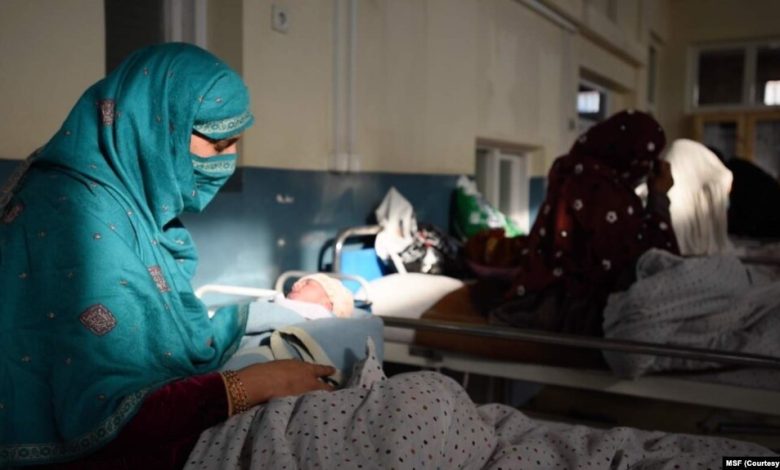
The Special Inspector General for Afghanistan Reconstruction (SIGAR) has criticized the ongoing restrictions imposed by the caretaker government on women and girls in Afghanistan, stating that the continuation of this situation will result in increased maternal mortality in the country. Today (Wednesday, November 14), SIGAR referenced United Nations reports, indicating that the current government's restrictions on the rights of women and girls have placed Afghan mothers at greater risk. The organization expressed concern that the ban on 1.1 million schoolgirls from attending school and at least 100,000 female university students from attending universities will lead to a 45% increase in early childbirth and a 50% rise in maternal mortality. The report stated: "For many years, Afghanistan has had one of the worst maternal health records in the world. By 2020, under the Islamic Republic government, Afghanistan had the eighth highest maternal mortality rate globally, with 620 deaths per 100,000 live births." SIGAR noted recent reports from international organizations, particularly the United Nations, stating that 20,000 women in Afghanistan give birth each month in remote areas where access to healthcare facilities is extremely limited. It continued that currently, only 67% of childbirths in Afghanistan occur in healthcare centers and under the supervision of midwives. While expressing concern over the rising maternal mortality in Afghanistan, SIGAR highlighted that recently, the United Nations Population Fund reported that every two hours, one mother dies due to preventable complications related to pregnancy and childbirth in this country. On November 5, this organization described Afghanistan as one of the most challenging countries for mothers, noting that Afghan women endure many difficulties during pregnancy and childbirth. Concerns about increasing maternal mortality during childbirth in Afghanistan arise as the current government has taken control of the country and international aid has decreased, pushing the healthcare system to the brink of collapse. Additionally, the World Health Organization warned that if funding shortages in the healthcare system continue, access to essential and life-saving health assistance for 7.6 million people in Afghanistan will be cut off. According to this organization, $423 million is needed to provide healthcare services in Afghanistan for the years 2024-2025.

Read More


1 year ago - 707 Visits

The International Organization for Insecurity Insight has expressed concern, announcing that in the year 2023, a total of 109 cases of violence and 65 cases of detention against doctors and health workers have been recorded across Afghanistan. In a published report, the organization stated that this figure has nearly doubled compared to 2022, when the number of recorded incidents was 87. The report mentions that in 2023, 75% of kidnappings of doctors and health workers have decreased. It also refers to an incident on October 11 of this year, where local officials of the current government assaulted a doctor for criticizing the parking of a vehicle at a health center in the Shindand district of Herat. Following this incident, the staff of this health center went on strike, but government officials ended the strike after two days without accepting their demands. The International Organization for Insecurity Insight has indicated that many doctors and health workers in Afghanistan under the current government have been interrogated and imprisoned on charges of moral corruption, traveling without a male guardian, forgery, theft, connections with ISIS, and for not separating the work areas of male and female doctors and male and female patients. This comes at a time when the current government has imposed a ban on women working in all non-governmental organizations and many governmental offices; however, the health sector is the only area where work and education for women in some educational centers have been permitted by the Taliban. According to various reports from the World Health Organization, most people in Afghanistan do not have easy access to health services due to a shortage of doctors and health centers. The International Organization for Insecurity Insight states that from January 1, 2024, to September 30, a total of 2,267 incidents of obstruction or violence against the provision of health services have been recorded in 53 countries, with approximately 236 health workers detained in 92 incidents.

Read More


1 year ago - 663 Visits

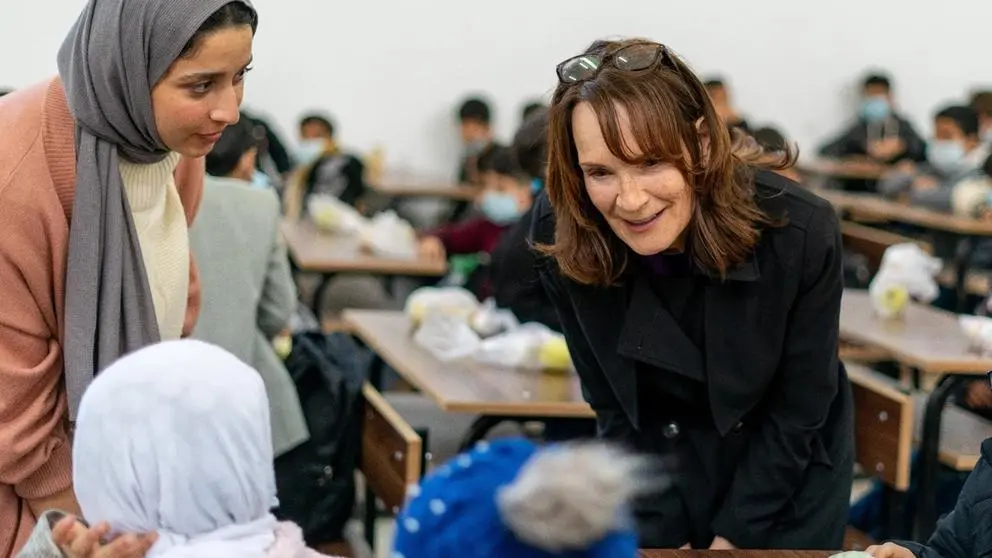
Several international organizations, including Save the Children, the United Nations Children's Fund (UNICEF), and the Afghanistan Education Authority, have recently announced that 8.9 million students in Afghanistan are expected to attend school next year. These organizations stated today (Tuesday, November 12) in a joint report that based on forecasts, student attendance in schools is expected to increase by approximately 10.7% compared to the year 2024. The report mentions that one of the reasons for the potential increase in students is the growing population across Afghanistan. It further notes that girls who are graduating from sixth grade this year will be deprived of continuing their education. International organizations emphasized that next year, a significant number of school-aged children in Afghanistan will remain deprived of their right to education due to economic challenges and social conditions. The report highlights that international organizations will focus on vulnerable children in schools. Additionally, it states that international organizations advocating for children's rights will support 480,000 vulnerable Afghan students next year. These organizations noted that the costs of local classrooms have increased from $2,700 to $2,800 per month. They also mentioned that the expenses for vulnerable children have risen from $63 to $65, while teachers' costs have increased from $100 to $120. This comes as just a few months ago, UNICEF reported that after 1,000 days of prohibiting girls above sixth grade from education in Afghanistan, they have lost three billion hours of classroom time. Girls have been deprived of schooling and university for over three years now. It should be noted that the current government's restrictions have resulted in millions of girls being unable to access education. In addition, women have been banned from going to sports clubs, restaurants, public baths, being examined by male doctors, traveling without a male guardian, and working in local and international NGOs and even at UN offices in Afghanistan.

Read More


1 year ago - 467 Visits

Author: Mahdi Mozaffari In today's world, the role of women's entrepreneurship in advancing the economic and social development of communities is undeniable. However, women in many traditional countries face numerous challenges compared to men when it comes to starting and financing their businesses. This article examines the barriers to women's success in entrepreneurship from various individual, cultural, economic, and social perspectives across different issues. Previous installments addressed employment and entrepreneurship issues for women from individual and cultural viewpoints. This issue focuses on the obstacles and challenges women face in accessing financial resources to start and develop their small and large businesses. We will delve deeper into these challenges and provide practical solutions to overcome them. Challenges Women Face in Financing Businesses: Analyzing Barriers and Solutions Some of the most significant economic barriers to successful women's entrepreneurship include: Limited Access to Financial Resources: One of the major obstacles for women in entrepreneurship is the lack of capital. This issue stems from various factors, including gender discrimination in loan approvals. Studies show that women face higher rates of loan rejections compared to men, and even when they do receive loans, their interest rates are significantly higher. Additionally, women traditionally own less land and assets than men, which limits their ability to provide collateral for loans. This issue becomes particularly challenging in traditional communities where land ownership is predominantly held by men. Lack of Awareness of Available Resources: Another problem is the lack of awareness among women about available financial resources. Many government and non-governmental support programs exist to assist female entrepreneurs, but information dissemination regarding these resources is often inadequate, leaving women unaware of their existence. These challenges collectively create a landscape of inequality in access to financial resources for women entrepreneurs, posing significant barriers to the advancement and development of their businesses. Lack of Support for Childcare: The second major economic factor affecting women's employment and successful entrepreneurship is the issue of childcare. Childcare, especially for young children, can be very costly. Daycare fees can significantly impact a family's budget, particularly for low-income or single-parent families. This situation can force women to make difficult choices between their jobs and caring for their children. Some mothers may have to leave their jobs or reduce their working hours to avoid paying for childcare and take care of their children themselves. This, of course, can negatively affect their income and financial independence. Limited Access to Childcare: In many communities, especially in rural or underserved areas, finding quality and affordable childcare can be challenging. The lack of daycare centers and childcare facilities can pose challenges for working women who are seeking care for their children while they work. This can lead to a lengthy and costly search for suitable care and may also force women to rely on informal caregivers such as family members or friends, who may not always be reliable or qualified. Lack of Supportive Childcare Policies: Many countries lack supportive childcare policies such as paid maternity leave and parental leave. This can make it difficult for women to return to work after childbirth or to care for sick children. The absence of such policies can disproportionately affect working women, especially those in low-wage jobs or without adequate job benefits. Ultimately, the high costs of daycare, limited access to childcare, and the lack of supportive childcare policies all serve as barriers for working women around the world. Addressing these challenges through investment in quality and affordable childcare, providing paid leave policies, and supporting other supportive initiatives can offer women equal opportunities to participate in the workforce and reach their full potential. Gender Wage Gap: A Persistent Injustice The gender wage gap is a deep-rooted and unfair issue in which women, on average, earn less than men for performing similar work. This problem has numerous negative consequences for women's lives and their families, hindering their economic and social advancement and equality. Several factors contribute to the emergence of this gap. Gender discrimination is one of the most prominent factors. In many cases, women face unequal job opportunities compared to men due to their gender, are insufficiently represented at managerial levels, or receive lower wages for similar duties. In addition to discrimination, the lack of career advancement opportunities also exacerbates this gap. Women often miss out on promotion and career progression opportunities due to family and social commitments. This not only prevents them from increasing their income but also affects their self-esteem and motivation. The concentration of women in low-wage jobs is another factor that fuels the gender wage gap. Traditionally, women have worked in professions such as nursing, teaching, childcare, and other service jobs that offer lower pay. This situation, in turn, creates a cycle of poverty and inequality for women and their families. The Necessity of Transparency in Wage Structures Transparency in wage structures is a fundamental step toward addressing inequality and discrimination in the workplace. Unfortunately, women are often unaware of the wage structures at their workplaces. This lack of awareness can lead to exploitation and inadequate pay for their work. Several factors play a role in this context. In some cases, employers intentionally avoid transparency regarding wages to evade fair payment to employees, particularly women. In other instances, the wage structure may be complex and unclear, making it difficult for women to understand. Lack of transparency regarding wages has multiple negative consequences for women. It leads to women being unaware of the true value of their work and accepting lower pay. Additionally, it can foster a sense of injustice and dissatisfaction among female employees and create an environment ripe for exploitation. To address this issue, employers must clearly communicate their wage structures to employees. This should include information about wage-setting criteria, promotion opportunities, salary increases, and benefits. Moreover, governments should enact laws to ensure transparency regarding wages. These laws should require employers to provide accurate and clear information about wages to their employees and establish a mechanism for addressing complaints related to lack of transparency and discrimination in this area. Transparency in wage structures plays a crucial role in creating fairness and equality in the workplace. By ensuring transparency, women can become aware of the true value of their work, receive fair compensation, and work in an environment free from discrimination and exploitation.

Read More


1 year ago - 461 Visits

The U.S. Embassy in Afghanistan states that Afghan students, especially girls, continue to make progress in the fields of health, education, and development despite challenges. The embassy has emphasized the important role of knowledge and scholars in shaping a bright future for Afghanistan. In a statement published on its X account in honor of World Science Day, the U.S. Embassy in Afghanistan reiterated its support for the country's students and scholars. Part of the statement reads: "We continue to support the work of scientists, students, and innovators, as science is the key to peace and prosperity." World Science Day for Peace and Development is celebrated annually on November 10. This day highlights the importance of science in society and the need for public engagement in discussions regarding current scientific issues. It also underscores the deep connection between science and individuals' everyday lives. The aim of this day is to create a closer link between science and society and to raise public awareness of scientific achievements. Additionally, it emphasizes the vital role of scientists in the progress and future of various countries. This day comes at a time when it has been 1,147 days since girls above the sixth grade in Afghanistan have been deprived of attending school. This situation has resulted in millions of Afghan girls missing out on education.

Read More


1 year ago - 546 Visits

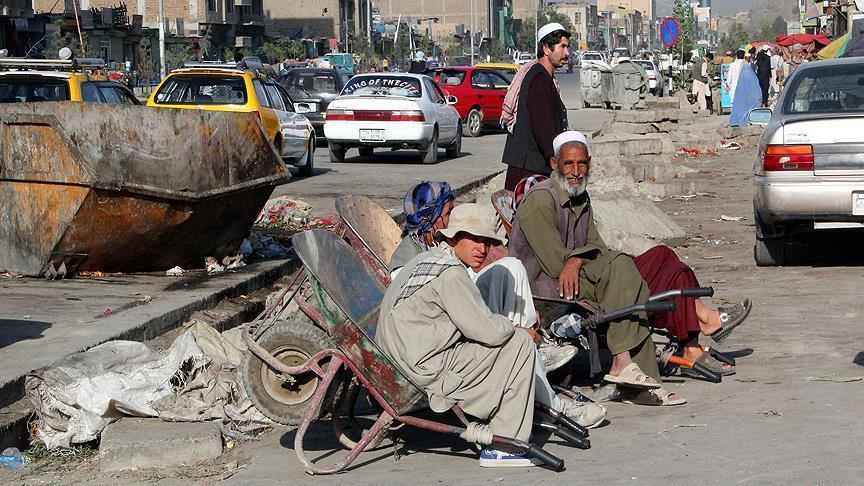
Stephanie Luz, head of the United Nations Human Settlements Programme in Afghanistan, states that many rural citizens are migrating to cities. Ms. Luz identifies job opportunities, livelihood, better education, and income generation as major reasons for the migration of Afghan citizens to urban areas. She emphasized that the situation for women and girls in Afghanistan is "dire," which is part of the challenges they face. The head of the UN Human Settlements Programme in Afghanistan said, "The caretaker government has enacted laws that deprive women of public life." She added, "On one hand, it is crucial to ensure that women can still access some public spaces; but at the same time, it is particularly important to provide them access to ensure that suitable places are made available for them." Stephanie Luz mentioned that the United Nations is currently consulting on how to create culturally acceptable spaces in the current environment, as well as providing areas where women can meet outside their homes and find ways to leave their homes. While this UN official describes the situation of women and girls in Afghanistan as dire, the current government has imposed severe restrictions on women and girls since regaining control over the country. The caretaker government has banned women and girls from education, work, freedom of movement, and raising their voices outside their homes. Additionally, the Special Inspector General for Afghanistan Reconstruction (SIGAR) has recently stated that the current government's new laws have restricted the fundamental rights of Afghan citizens.

Read More


1 year ago - 744 Visits

The United Nations Population Fund has announced that Afghanistan is one of the most challenging places in the world for women to give birth, with a mother dying every two hours due to preventable complications related to childbirth. In a report, the organization stated that Afghan women and girls are facing challenges stemming from prolonged conflict and restrictions imposed by the interim government. The report noted that the World Population Organization is providing services to women and girls to ensure their access to healthcare, support, and opportunities they deserve. According to the United Nations Population Fund, fragile healthcare infrastructure and limited access to health and reproductive services, especially in rural areas, pose serious risks to mothers and newborns in Afghanistan. The report highlighted that over the past three years, Afghanistan's prolonged crisis has been exacerbated by widespread economic instability, restrictions on women's work and education, forced return of migrants, and large-scale displacement. The organization emphasized that it has provided healthcare services to over one million people across the country each month. Piyu Smith, the regional director of the United Nations Population Fund for Asia and the Pacific, stated, "Only this year, the UN Population Fund has assisted over 660,000 Afghan youth, 80% of whom are women, through special youth communication programs. These programs provide healthcare services and livelihood support, including skills development for young people." It was further mentioned that climate change has also intensified the emergency situation in Afghanistan. Severe weather events have seriously impacted women's and girls' access to healthcare services. Recent floods have claimed lives and deprived some communities of vital maternal and reproductive health services. Mr. Smith indicated that the organization requires more resources to expand assistance to women and girls throughout Afghanistan. The World Population Organization continues to urge the international community to stand alongside Afghan women and youth. While the World Population Organization reports on maternal mortality in Afghanistan, the European Union has also expressed concern over this situation in the country. It should be noted that Afghanistan has had the highest maternal mortality rate during childbirth for years due to a weak healthcare system.

Read More


1 year ago - 591 Visits

The United Nations Women’s Division has recently stated that women and girls in Afghanistan are trapped in relentless repression. In a message posted on its X account, the organization said: "Women and girls in Afghanistan have been deprived of their rights, have been denied education, are confined to their homes, and are now even prohibited from speaking to one another." The UN Women's Division emphasized: "This injustice is a threat to all of us. Raise your voice for women and girls in Afghanistan." It further noted that millions of girls are deprived of education and are confined at home. Richard Bennett, the UN Special Rapporteur on human rights in Afghanistan, also highlighted in a statement that the silence of the world regarding the violation of women's rights by the current government has emboldened this group. He urged the international community to take coordinated and practical action against the repressive policies of the current government regarding women's rights. This comes as, following the current government's takeover of Afghanistan, women and girls have been deprived of their right to education and work, facing extensive restrictions. In recent months, the current government has announced the enforcement of its law on "Promotion of Virtue and Prevention of Vice," which mandates that women cover their entire bodies, and considers a woman's voice to be part of "awrah" (the parts of the body that should be covered). According to this law, women's voices are prohibited from being heard outside the home, and women are not allowed to sing even in the presence of other women.

Read More


1 year ago - 480 Visits

Abdul Ghani Saeed, the head of the caretaker government's appellate court in Jowzjan, stated that 22 people, including four women, were punished in public at a stadium in this province. Mr. Saeed mentioned that the whipping sentence for these individuals was carried out on Tuesday, November 5, at the stadium in Sheberghan, the capital of Jowzjan province. He emphasized that these individuals were whipped for crimes including adultery (sexual relations outside of marriage), drug trafficking, production, and consumption of alcohol in public. He added that the accused received between 25 to 29 lashes and were sentenced to imprisonment ranging from one month to one year. Additionally, the Supreme Court of the current government stated on Tuesday, November 5, in separate announcements that one woman and one man were whipped in Kabul, two men were whipped in Paktika province, and another man was whipped in Maidan Wardak province. The announcement indicated that the primary court in Kabul sentenced one woman and one man to one year and six months in prison for adultery and whipped each of them 39 times. The Supreme Court reported that two individuals were sentenced to eight months in prison for "sodomy" in the Khusamand district of Paktika and received 36 lashes. Furthermore, another announcement stated that government forces in the Saydabad district of Maidan Wardak province sentenced one man to two years in prison for "sodomy" and also whipped him 39 times. The announcement noted that these individuals were whipped in the presence of local judicial, administrative, and military officials of this group, along with a number of citizens. Since regaining control over Afghanistan, the caretaker government has repeatedly whipped accused individuals in public and executed five people in front of hundreds of spectators. Human rights organizations consider executions and corporal punishment to be against international laws and human dignity, calling for their cessation.

Read More


1 year ago - 505 Visits

Officials from the Ministry of Education of the caretaker government state that the current government's priority for enhancing the quality of education in Afghanistan is religious schools. Mawlawi Karamatullah Akhundzada, the Deputy Minister for Islamic Education at the Ministry of Education, mentioned at a workshop aimed at improving the educational capacity and professional skills of teachers in religious schools that the government's main focus is on strengthening religious schools and enhancing the quality of education within them. Akhundzada added, "Thank God, we have thousands of religious schools in Afghanistan." He emphasized that the first condition for improving the quality of education in religious schools is to recruit the best teachers. Media reports indicate that similar workshops have been launched in all 34 provinces of Afghanistan to strengthen religious schools and provide more support to the teachers and students of these institutions. The Ministry of Education is focusing on strengthening religious schools at a time when education for girls above sixth grade is banned in Afghanistan, and women and girls are also deprived of higher education and employment opportunities. According to statistics from the Ministry of Education, there are currently 21,257 religious and jihadist schools and 18,337 public schools operating in Afghanistan. With the takeover of the caretaker government in Afghanistan, jihadist schools have been established across the country by order of Mullah Hibatullah Akhundzada, the leader of the current government. Additionally, increasing restrictions on women, including their exclusion from education and employment, have led world governments to not recognize the current regime. United Nations officials have repeatedly used the term "gender apartheid" to describe the situation of women in Afghanistan, and the Security Council, Human Rights Council, and General Assembly of the United Nations have held multiple meetings urging the leaders of the current government to revoke decrees against women. However, none of these restrictive decrees have been lifted in the past three years. It should be noted that just a week ago, Khalid Hanafi, the Minister of Promotion of Virtue and Prevention of Vice, stated in a speech to a gathering in eastern Afghanistan that according to Islamic laws, women are not allowed to say "Subhanallah" (Glory be to God) and "Alhamdulillah" (Praise be to God) aloud even while performing prayers.

Read More