Author: رسانه‌ای گوهر شاد

1 year ago - 520 Visits

Local sources from Herat province report that the Ministry for the Promotion of Virtue and Prevention of Vice has closed all women-only cafés in Herat. At least three sources have confirmed that all women-only cafés have been shut down by the Ministry for the Promotion of Virtue under the caretaker government in Herat. One source stated that following the deprivation of girls from education, some girls and women had taken the initiative to create women-only cafés. According to available information, at least five women-only cafés were operating in Herat, which were recently closed by the Ministry for the Promotion of Virtue under the pretext of playing music and allowing women to enter. Local officials of the caretaker government in Herat have not yet made any official statements regarding this matter. This comes at a time when women and girls have faced systematic repression for over three years under the current regime. The restrictions imposed by the current government have resulted in millions of school-aged girls being deprived of education. Additionally, women have been banned from attending sports clubs, restaurants, public baths, being examined by male doctors, traveling without a male guardian, and working in both domestic and international non-governmental organizations, as well as in United Nations offices in Afghanistan.

Read More


1 year ago - 625 Visits

The morality police of the caretaker government in Herat are shutting down women-only cafés. At least three sources reported today (Monday, November 25) that out of the active women-only cafés in Herat, three have been closed by the morality police. Local officials of the current government in Herat have not officially commented on this action so far. Café managers had previously stated that government forces threatened to close these cafés under the pretext of music playing, the presence of uncovered women, and the use of tobacco. They emphasized that the café managers comply with the restrictions imposed by government officials. Currently, five women-only cafés are operating in Herat. These cafés were established after the current government imposed restrictions on the simultaneous presence of men and women in restaurants and cafés in Herat. It is worth noting that since the takeover of the caretaker government, this group has imposed severe educational and occupational restrictions on women. These restrictions have primarily affected families where women are the breadwinners.

Read More


1 year ago - 545 Visits

Author: Mahdi Mozaffari Throughout the tumultuous history of Afghanistan, Afghan women have engaged in a monumental struggle and resilience to secure their fundamental rights and achieve an equal status with men in all areas of social, political, and economic life. This struggle, rooted deeply in the history of Afghanistan, has been influenced by complex internal and external developments, including prolonged wars, changes in political regimes, and social and cultural transformations, and has always been accompanied by many ups and downs. Afghan women have consistently sought to establish their place in society and attain equal rights throughout history. Their struggles under various regimes and in the face of deeply traditional cultures demonstrate that Afghan girls and women are resilient and tireless in their quest for identity and recognition. Women's Struggles before the 1990s Before the rule of the first caretaker government, Afghan women had a significant presence in various fields, including education, employment, and political participation. The first constitution of Afghanistan granted women equal rights with men, and women were active in many public and private professions. Their presence in universities and schools led to an increase in their political and social awareness, gradually enhancing women's roles in important decision-making processes within the country. Despite these advancements, gender inequalities remained one of the main challenges facing Afghan society, with women in many rural areas and regions controlled by warlords having limited access to educational and health facilities. Nevertheless, there was hope for a better future for all Afghan women, and many women's rights activists sought to expand women's rights and freedoms across all areas of life. Unfortunately, even these minimal advancements were fragile; with the rise of the caretaker government in the late 1990s, all women's achievements quickly vanished. Those in power imposed strict and restrictive laws that excluded women from all social and political spheres, confining them to their homes. During the first term of the caretaker government, women were banned from education, work, and public spaces, forced to stay at home, and required to obtain a religious permit for even the slightest activity. These severe restrictions not only harmed women and girls but also severely impacted Afghanistan's economy and development. However, Afghan women never surrendered; they continued their progressive activities secretly. With the fall of the first caretaker government's authority in 2001, Afghan women regained hope and sought to reclaim their lost rights. The Dawn of Hope and the Beginning of Transformations The fall of the caretaker government in 2001, after years of oppression, heralded a new dawn of hope for the women of Afghanistan. With the establishment of the republican regime, a new chapter in the history of this country was written. The enactment of laws supporting women's rights, the opening of schools and universities for girls, and the encouragement of women's participation in political and social spheres were all significant steps towards improving the status of women. Afghan women, who had been deprived of active participation in society for years, were now eagerly pursuing their dreams. Although these transformations were slow and accompanied by numerous challenges, they reflected the strong determination of both the international community and the people of Afghanistan to create a better future for women. Despite significant progress under the republican regime, the challenges facing Afghan women remained very serious and complex. Widespread insecurity, internal conflicts, pervasive poverty, entrenched gender discrimination, and patriarchal traditions continued to serve as major obstacles to realizing women's rights. Rural and remote areas faced even more dire conditions due to a lack of educational and healthcare facilities. Additionally, traditional views and misconceptions about women's roles in society made it difficult to change these beliefs gradually. Furthermore, inadequate infrastructure, administrative corruption, and a lack of equal job opportunities were among other challenges that Afghan women faced. The Darkness Returns and Steadfast Struggle Unfortunately, with the resurgence of the caretaker government in 2021, all the achievements of the past twenty years regarding women's rights faced serious threats. The leaders of this government imposed severe restrictions on women, prohibiting them from education, work, public presence, and even leaving their homes without a male guardian. These actions not only violated women's basic rights but also inflicted serious harm on the future of the country. Nevertheless, Afghan women did not succumb; they continued their protests and resistance for justice and equality. Women's rights activists, human rights defenders, and international organizations united to amplify the voices of Afghan women to the world and to advocate for improvements in their situation. This struggle continues despite all hardships and dangers, with hope that one day Afghan women will achieve their equal rights in peace and security.

Read More


1 year ago - 616 Visits

Sayed Abdul Wahid Sadat, the deputy of Afghanistan's Saffron Union, states that 85% of saffron processing in the country is carried out by women and girls. The Bakhtar News Agency, which is under the control of the caretaker government, quoted Mr. Sadat as saying that currently between 50,000 to 60,000 women are employed in saffron processing in Herat province. The report indicates that more than 50,000 women are working in the saffron industry of the country. Additionally, the caretaker government had previously announced that following the ban on opium poppy cultivation, saffron cultivation has increased in 26 provinces of Afghanistan. At the same time, the Ministry of Industry and Commerce announced earlier this month that last year, 67 tons of saffron worth 49 million dollars were exported to nine different countries. Previously, the United States Agency for International Development (USAID) announced that at the 2024 Paris exhibition, it successfully secured a large order for the purchase of 600 kilograms of Afghan saffron. According to this agency, the annual sales value of this order amounts to one million seventy thousand dollars. Furthermore, the International Institute of Taste in Belgium announced that Herat saffron ranked first in terms of flavor after laboratory testing.

Read More


1 year ago - 726 Visits

Nila Ebrahimi, a 17-year-old girl from Afghanistan, has won the International Children's Peace Prize awarded by the "Children's Rights" organization for her efforts in advocating for women's and girls' rights. The organization supporting children's rights in the Netherlands announced that Nila has been awarded the 2024 Children's Peace Prize as one of the founders of the platform "Her Story." The announcement stated that Nila Ebrahimi was selected as the winner from among 165 nominees from 48 countries around the world. It further noted that "Her Story" is recognized as a safe space for sharing the stories of girls and women in Afghanistan. The organization emphasized that through the "Her Story" program, Nila highlights the potential, capabilities, and resilience of Afghan girls, both inside and outside Afghanistan. The organization added that she fights for the right to education for all girls and women who have been deprived of education due to the discriminatory bans imposed by the current government. Additionally, the announcement mentioned that before the current government's takeover, Nila recorded her singing to pressure Kabul education officials to lift the ban on schoolgirls singing in public, sharing her recordings on social media. The announcement quoted Mark Doolart, founder and president of the Children's Rights Foundation, stating: "Women and girls across Afghanistan are currently facing unbearable oppression. The ban on education beyond primary school has resulted in an astonishing deprivation of 2.5 million girls in Afghanistan from schooling. Nila's inspiring work in providing a voice that is heard around the world makes her a truly deserving winner of this year's 20th International Children's Peace Prize." Mark Doolart emphasized that Nila Ebrahimi has been recognized for leading a musical protest movement in Afghanistan and inspiring other Afghan girls to demand their rights and fight against injustice through public speeches and international activities. It is worth noting that the International Children's Peace Prize is awarded annually by one of the Nobel Peace Prize winners, and this year it was presented to Nila Ebrahimi by Tawakkol Abdul Salam Khaled Kerman. While Ms. Ebrahimi receives this award, girls above sixth grade have been banned from education. The restrictions imposed by the current government have left millions of schoolgirls without access to education. Additionally, women have been prohibited from going to sports clubs, restaurants, public baths, receiving medical examinations by male doctors, traveling without a male guardian, and working in domestic and international NGOs, as well as even at UN offices in Afghanistan.

Read More


1 year ago - 366 Visits

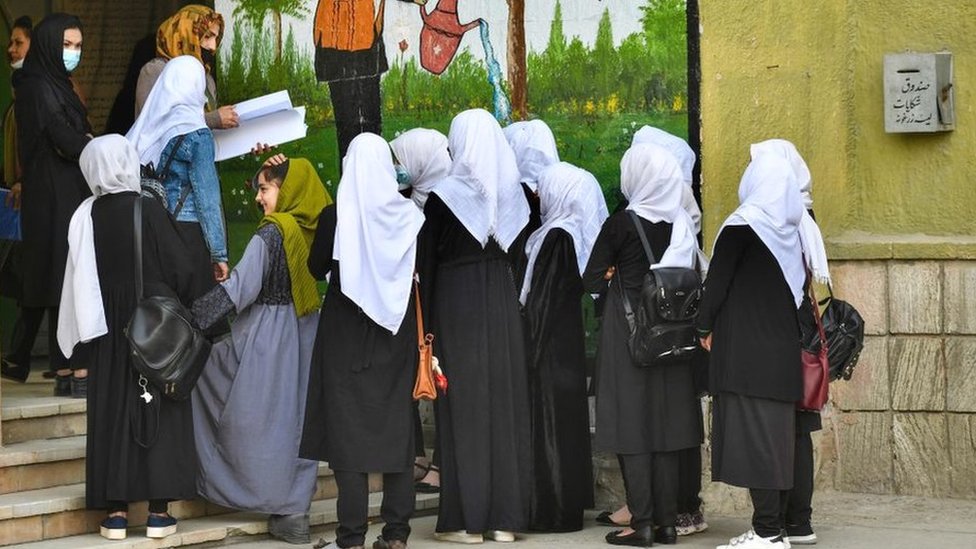
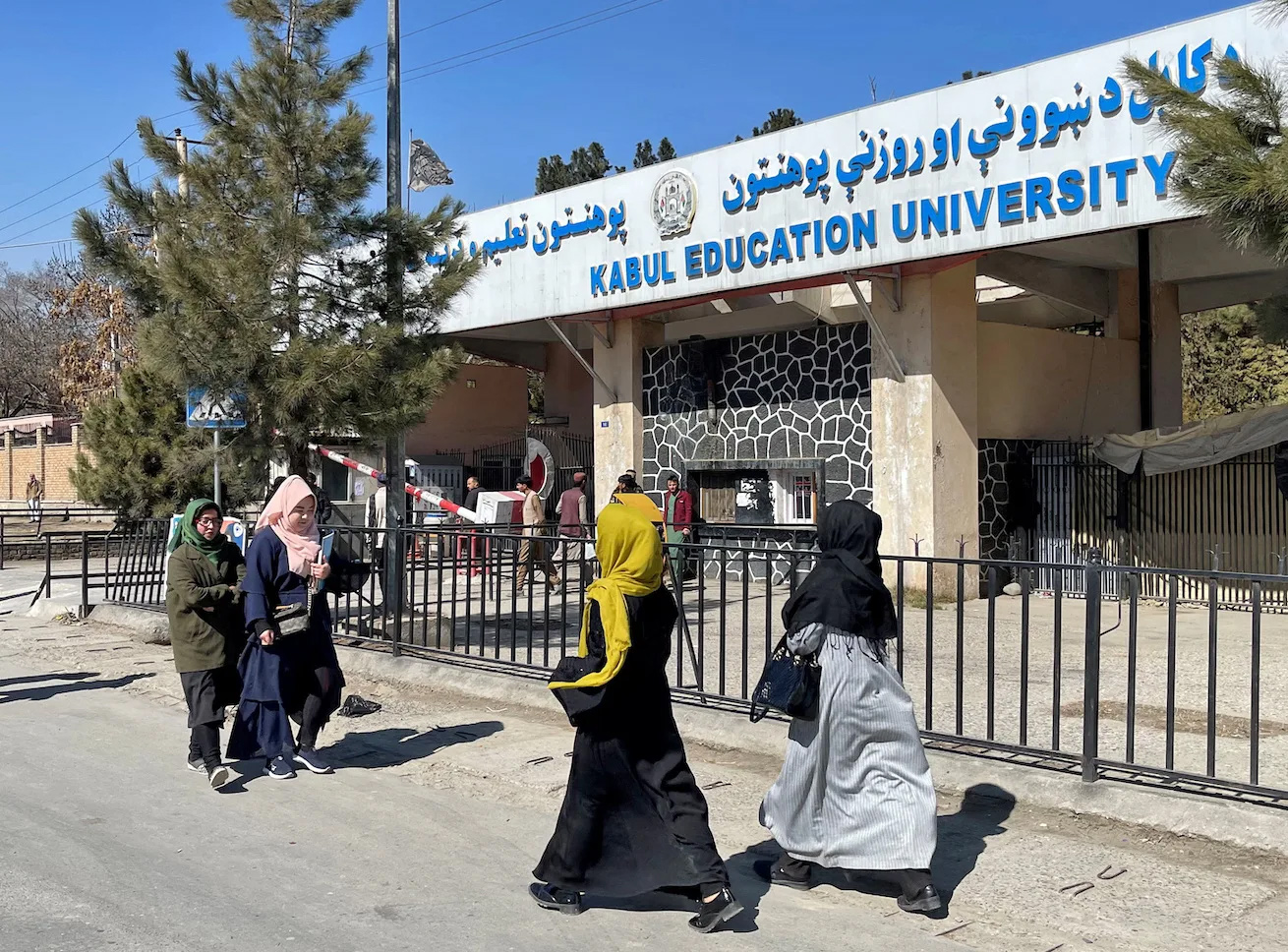
On the occasion of World Students' Day, the U.S. Embassy in Afghanistan has stated that despite challenges, students and teachers in the country continue to strive for knowledge and growth. In a message published on its X account on Monday, November 18, the embassy emphasized that education is a "fundamental right and the key to a brighter and more peaceful future for Afghanistan." The U.S. Embassy for Afghanistan reiterated its commitment to supporting students in the country. It is worth mentioning that November 18 is recognized as World Students' Day in some European and Asian countries. As World Education Day approaches and the annual examinations in schools draw near, some female students are urging that the interim government should not keep schools closed to girls in the new academic year. Additionally, several sixth-grade girls are calling on the international community to pressure the interim government to lift educational restrictions in Afghanistan. More than 1,151 days have passed since schools for girls above the sixth grade have been closed in Afghanistan, leaving millions of Afghan girls without access to education.

Read More


1 year ago - 736 Visits

On the occasion of World Students' Day, the women's protest movement for freedom has once again called for an end to the ban on education for girls and women in Afghanistan. In a statement released on World Students' Day, this movement stated that the caretaker government, by preventing the education and schooling of girls and women, is threatening the future of Afghan children and the security of the region. The women's protest movement for freedom has urged the international community, the United Nations, governments, and human rights organizations to ensure the right to education for all segments of society and to create alternative educational programs for girls while combating extremist educational content. Additionally, the establishment of safe schools within Afghanistan and support for migrant children in neighboring countries were among the other demands of this protest movement. Meanwhile, the Afghan girls' robotics team also released a separate statement on their Facebook account in commemoration of World Students' Day, highlighting the dire situation of girls in Afghanistan. They noted that since the current government came to power, it has been 1,156 days during which schools and universities have been closed to girls. The statement emphasized the urgent need for action to reopen schools, create alternative educational opportunities, and support girls' right to education. Furthermore, UNESCO, the United Nations Educational, Scientific and Cultural Organization, has published statistics indicating that 2.5 million girls in Afghanistan are deprived of education. This ban not only strips them of learning opportunities but also inflicts serious psychological and social harm. It is worth mentioning that November 17 is recognized as "World Students' Day," aimed at advocating for students' rights and celebrating their achievements worldwide.

Read More


1 year ago - 602 Visits

Iran Human Rights Organization has reported that the government of Iran has executed two Afghan citizens, including a woman, on various charges. In a report published by this organization, it is stated that an Iranian court carried out the death sentences of four individuals, including two Afghan citizens, on Saturday, November 26. The news agency HRANA also reported that the execution took place in the "Qazalhasar" prison in Karaj. These human rights organizations have not disclosed the identity of the Afghan woman or the nature of her crime. However, according to HRANA, the Afghan male citizen named Khalid Tajik had previously been sentenced to death on drug-related charges. Additionally, Iran Human Rights Organization reported that the Islamic Republic has executed at least nine other prisoners, including two Kurdish citizens. Iran is among the countries with the highest rates of executions in the region. Amnesty International has repeatedly called on this country to halt the execution of Iranian citizens and other nationals.

Read More


1 year ago - 612 Visits

Several international organizations, including Islamic Relief and the United Nations Office for the Coordination of Humanitarian Affairs (OCHA), have published a joint report stating that women and men are affected in different ways due to their distinct roles in families and communities. With climate change and natural disasters, a significant number of women in Afghanistan have lost their businesses and even their shelters, facing various challenges, especially in rural areas. The report notes that women and men are impacted differently because of their roles within families and society. It further states that Afghan women and girls are at greater risk than men due to low income, lack of access to education, and restrictions on participation in decision-making. These organizations emphasize that traditionally, men in Afghanistan are responsible for agriculture, while women primarily engage in dairy production and the care of livestock. During droughts, livestock may be sold or used for food, which severely threatens women's traditional livelihoods. The joint report indicates that in rural areas, the responsibility of fetching water largely falls on women and children. During water shortages, they are forced to travel long distances to obtain water. Additionally, women and children face multiple threats while displaced, such as a lack of separate shelters, sexual harassment, and limited access to health services. The Ministry of State for Disaster Management has recently announced that a working team has been formed in collaboration with international organizations to assess the potential for drought in the coming year. This office has stated, citing OCHA officials, that $10 million has been allocated for drought management in Afghanistan. This budget will be used for distributing drought-resistant seeds, providing alternative livelihoods for affected people, and sourcing animal feed. The United Nations and other international entities have previously expressed their concerns regarding the negative impacts of climate change in Afghanistan.

Read More


1 year ago - 745 Visits

Author: Mahdi Mozaffari In traditional societies, the role of women has often been limited to household chores and child-rearing. However, over time and through social, cultural, and economic transformations, the presence of women has expanded beyond the family environment. Today, women are expected not only to fulfill their traditional duties but also to actively participate in various social, cultural, scientific, political, and economic spheres, playing a significant role in society. The series of articles titled "Women and Entrepreneurship: Barriers and Solutions in Traditional Societies" examines the challenges faced by women on the path to entrepreneurship from individual, cultural, economic, and social perspectives. In previous issues, we explored issues such as women's employment and entrepreneurship from individual, cultural, and economic viewpoints. In this issue, our focus will be on the barriers and problems faced by working women in the context of traditional society. We will analyze these challenges more deeply and provide practical solutions to overcome them. The extensive participation of women in economic, cultural, and social fields has brought significant achievements for women and society as a whole. However, at the same time, traditional societies have also created new challenges and tensions for them. The multiple roles and varying expectations placed on women as wives, mothers, homemakers, and workers can impose considerable psychological and physical pressure on them. Traditional Division of Labor: A Barrier to Equality and Well-being for Women The traditional division of labor, which categorizes tasks into "female" and "male," is rooted in outdated and unequal beliefs. In this structure, household duties such as cooking, cleaning, and childcare are viewed as inherent responsibilities of women. In contrast, tasks related to the outside world, such as working in high-paying jobs and making major decisions, are recognized as male domains. This traditional categorization poses numerous challenges for women in the modern world. First, this structure hinders gender equality in society. Women are often deprived of equal educational and job opportunities due to their household responsibilities. This not only prevents individual advancement for women but also is not beneficial for society as a whole, as it overlooks the talents and capabilities of half the population. Second, the traditional division of labor imposes significant psychological and social pressures on working women who juggle multiple roles simultaneously. In many cases, women are compelled to take on household responsibilities and family care alone in addition to their professional duties. This can lead to burnout, stress, and anxiety among women, adversely affecting their physical and mental health. In today's world, with the increasing participation of women in the workforce and changing traditional family roles, there is a greater need than ever to reassess the traditional division of labor. To achieve gender equality and enhance women's well-being, it is essential that household duties and childcare responsibilities are shared equitably between men and women. Additionally, traditional attitudes towards the roles of women and men in society must change, and support should be extended to women in all areas, including high-paying jobs and major decision-making processes. Social Insecurities The active presence of women in society is essential for the progress and development of any country. However, there are numerous barriers to this presence, one of the most significant being social insecurities. These insecurities pose challenges for women when traveling between cities and staying in hotels and public places, hindering their active participation in various social, economic, and cultural activities. The negative impacts of these insecurities are particularly evident for working women and those with children. These women, who may need to travel frequently for their professional or educational duties, face numerous difficulties due to security concerns. The lack of adequate facilities for safe and comfortable accommodation, reliable transportation, and insufficient legal and social support places women in vulnerable positions and prevents them from actively engaging in society. Moreover, social insecurities can have negative psychological consequences for women. The fear of harassment, violence, and other threats can diminish women's confidence and deter them from engaging in activities outside the home. This not only harms women but also deprives society as a whole of their participation and capabilities. To address this issue, various measures must be taken at different levels. These measures include increasing public safety, especially in public spaces and transportation, promoting a culture of respect for women, enacting protective laws, and creating appropriate infrastructure for the safe and comfortable accommodation of women. Additionally, it is essential to change societal attitudes towards women and their roles through education and cultural initiatives, facilitating their active and worry-free participation in all social spheres. Solutions To overcome these challenges and achieve a more equitable society, various actions must be taken at different levels of society: Changing Attitudes: The first step in this process is to change traditional attitudes towards the roles of women and men in society. This requires education and cultural initiatives at various societal levels, including families, schools, and media. Individuals should be taught that household responsibilities and child-rearing are not solely women's duties; men also share responsibility for these tasks. This shift in attitude will create a foundation for greater male participation in household and family matters. Social Support: Governments and social institutions must provide necessary support to assist working women in managing multiple responsibilities. Establishing daycare centers and childcare facilities is one of the most important forms of support. Access to these centers allows working women to focus on their jobs without worrying about their children's care. Additionally, providing benefits such as maternity leave and unpaid leave for caring for sick children can help women manage their time and balance work and life. Infrastructure Development: Enhancing social security and developing necessary infrastructure, such as safe and accessible public transportation, can aid women in their active participation in society. Access to affordable and secure public transport enables women to commute to work and engage in other social activities without worry. Furthermore, creating safe environments in public spaces gives women a greater sense of security and encourages them to participate more actively in society. Equitable Division of Responsibilities: Active male participation in household duties and child-rearing helps women manage their time better and reduces psychological and physical stress. This requires a change in men's attitudes toward their roles within the family and an acceptance of greater responsibilities regarding household tasks and children. Encouraging men to participate in domestic affairs not only assists women with their duties but also fosters stronger emotional bonds among family members and contributes to raising healthier children. By striving to address the existing challenges related to the division of labor, we can move towards a fairer society for both women and men—one where both genders equally share responsibilities at home and family while enjoying equal opportunities for advancement and flourishing in all areas of life.

Read More