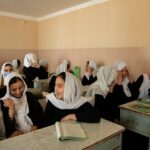

NESCO and UNICEF have said Afghanistan’s education crisis extends beyond the exclusion of girls. The number of male university students in the country has fallen from about 306,000 in 2019 to 208,000 in 2026.
In a joint report, the two agencies said declining interest in higher education was one sign of Afghanistan’s worsening education crisis.
The report highlights the complete exclusion of women and girls from higher education, declining participation by boys in secondary schools, and a drop in the number of university entrance exam applicants.
The Afghanistan Education Situation Report 2026, published on October 20, shows that the number of applicants for the university entrance exam fell from 210,000 in 2020 to about 84,000 in 2023.
According to the report, the number of people admitted to universities also declined, from about 81,000 in 2020 to 74,500 in 2026.
The university admission rate, however, rose from about 39 percent in 2020 to 63 percent in 2026. The report says this indicates that competition for university places has eased.
The report also notes a decline in male university enrollment. Data show that the number of male students fell from about 306,000 in 2019 to approximately 208,000 in 2026.
This decline comes as Afghan universities, following the exclusion of female students, have also faced financial difficulties and a drop in the number of applicants, the report says.
The report also documents the complete exclusion of girls from the university entrance exam. In 2020, about 80,000 girls took the exam, and in 2021 the number of female applicants exceeded 81,000. Since 2023, however, the reported number of female applicants has been zero.
In another section, UNESCO and UNICEF say that more than 2.6 million Afghan girls have been deprived of secondary education since schools were closed to them in 2021.