The European Union Delegation has condemned human rights violations and gender discrimination in Afghanistan, calling on the caretaker authorities to unconditionally lift restrictions imposed on women and girls, particularly the ban on education beyond grade six.
In a statement issued during the 225th session of the Executive Board of UNESCO, the United Nations Educational, Scientific and Cultural Organization, the EU said that the situation of women’s and girls’ rights in Afghanistan has deteriorated further in recent years.
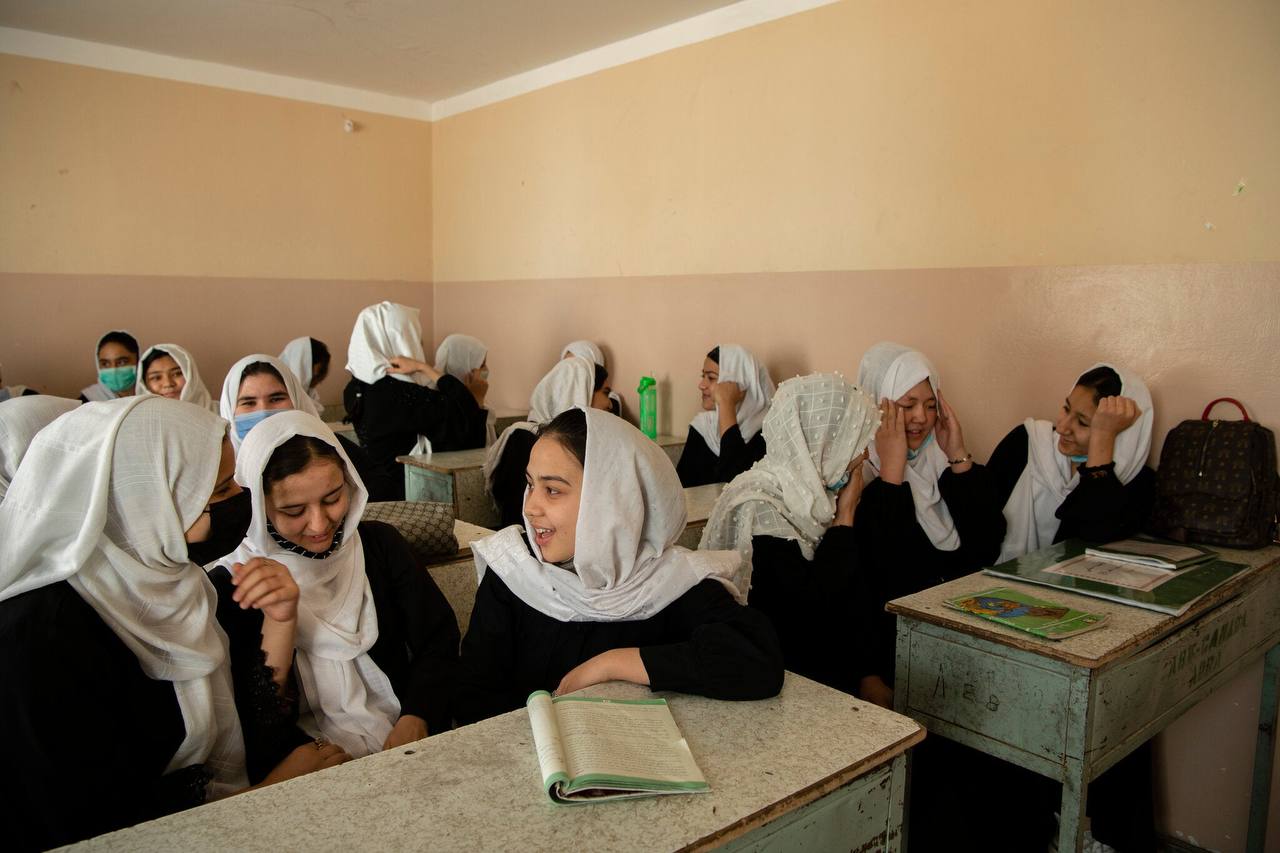
The statement said that more than 2.2 million girls in Afghanistan are unable to attend school because of the ban on education beyond grade six.
The EU stressed that, in addition to denying women and girls their right to education, these restrictions have reduced their participation in public and social life and limited their access to rights such as employment and freedom of movement.
The EU welcomed UNESCO’s efforts to provide alternative educational opportunities for women and girls, but said such programs cannot replace formal, inclusive, high-quality education.
The statement also noted that in 2025, the EU and UNESCO launched a joint initiative worth €4.7 million to strengthen women’s economic empowerment through skills training and community-based literacy programs.
The EU reaffirmed its continued support for independent media, civil society organizations and human rights defenders in Afghanistan. It also said it supports initiatives related to freedom of expression, the safety of journalists and the protection of the country’s cultural heritage.
The EU welcomed the extension of the United Nations Strategic Framework for Afghanistan through 2030 and underscored the UN’s role in addressing the situation in the country.