The United Nations Development Programme (UNDP) and the Oxford Poverty and Human Development Initiative (OPHI) have reported that, for the first time since the Multidimensional Poverty Index was launched in 2010, the number of people living in multidimensional poverty worldwide has risen, reaching 1.2 billion.
In its 2026 Global Multidimensional Poverty Index report, the UN examined poverty in 108 developing countries.
According to the report, Afghanistan’s Multidimensional Poverty Index stands at 0.360.
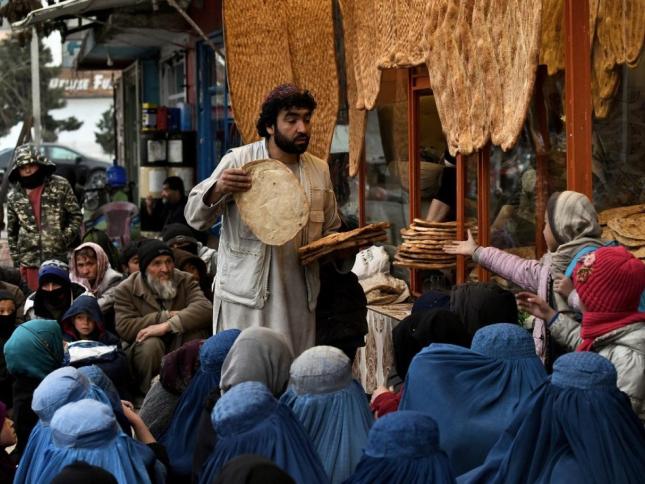
The estimate shows that 64.9 percent of Afghanistan’s population—about 26.3 million people—face multiple deprivations in areas including education, health, and living standards.
According to the data, education contributes the most to multidimensional poverty in Afghanistan, followed by living standards and health. Limited access to basic amenities is also a factor affecting households’ circumstances.
Globally, the 2026 report also shows that more than half of people living in multidimensional poverty are children, and 83 percent live in rural areas.
The report further states that, of the 89 countries for which trend data were available, 33 managed to halve their multidimensional poverty index in fewer than 15 years.
UNDP stressed that reducing multidimensional poverty requires coordinated action in education, health, and improving living standards.