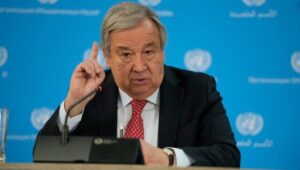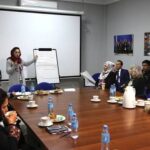
Lawrence Sims, Ireland’s representative at the United Nations Office in Geneva, states that achieving justice and holding human rights violators accountable in Afghanistan is not possible without hearing the voices of victims and collaborating with civil society and international organizations.
Mr. Sims emphasized that meaningful participation of Afghan women and girls in peace processes and politics is a prerequisite for attaining sustainable peace.
He expressed appreciation for the struggles of Afghan women and girls and highlighted that the activities of civil society activists assist the work and direction of the UN Special Rapporteur for Afghanistan.
He further stressed, “The heavy burden of advocacy and struggle rests on the shoulders of civil society, victims, and survivors of human rights violations, especially at a time when they feel unsupported by responsible institutions.”
This Irish official also underscored the necessity of finding clear and effective ways to advocate for the rights of women, girls, and other citizens of Afghanistan.
He stated that there must be a platform to ensure that the voices of victims and survivors reach the greatest number of officials who have the capacity to take action and create change.
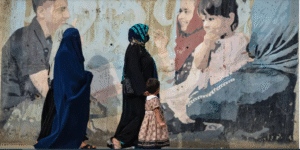
This comes at a time when the interim government, after seizing control of Afghanistan, has deprived women and girls of education and schooling. Additionally, in its latest restriction, it has closed the doors of medical institutes to girls and women, while the health sector across Afghanistan faces a shortage of personnel.
This action by the current government has resulted in millions of schoolgirls being unable to pursue their education.
Moreover, women have been banned from going to sports clubs, restaurants, public baths, being examined by male doctors, traveling without a male guardian, working in domestic and international NGOs, and even in UN offices in Afghanistan.
According to reports, if this ban continues, nearly four million girls may be deprived of education by 2030.