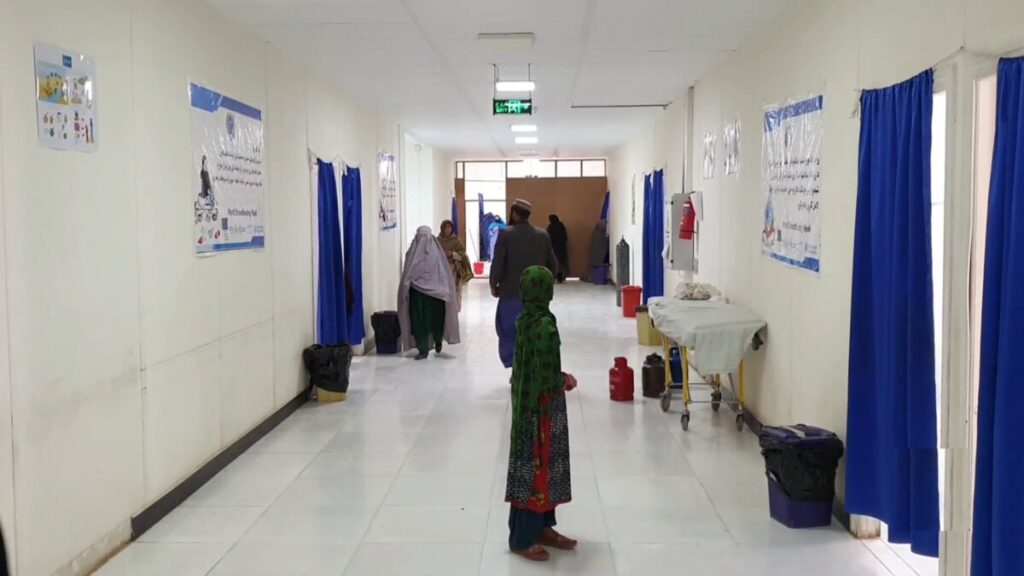
A recent assessment by the REACH organization, supported by the United Nations, reveals that malnutrition is on the rise in 53% of regions in Afghanistan, with the number of affected individuals doubling in the last three months in 44% of these areas.
According to the assessment, food prices have significantly increased, exacerbating food insecurity across the country.
The report indicates that the highest increases in malnutrition cases have been recorded in the provinces of Panjshir (89%), Faryab (85%), and Laghman (83%).
This assessment was conducted by REACH between May 10 and June 7, based on information from 12,854 local informants in 401 districts of Afghanistan.
The report presents a picture of a country where rising living costs, recurring climate shocks, and reduced humanitarian aid are pushing more families toward hunger.
According to the report, 21.9 million people, nearly 45% of Afghanistan’s population, are in need of humanitarian assistance.
The report also highlights the worsening food insecurity across Afghanistan. Findings show that 55% of regions reported a significant increase in food prices over the past 30 days, while 63% reported sudden price hikes in local markets.
Simultaneously, 87% of regions indicated that families are selling off their livestock more than before due to a lack of income or food; this suggests that many families are losing their remaining assets to meet basic needs.
According to the report, a total of 65% of regions described food insecurity as a serious or very serious problem, and 25% stated that most residents have not had enough food in the past month.
Additionally, in 60% of regions, informants reported that children are working to help cover family expenses.
This assessment shows that economic issues remain the primary driver of displacement. Eighty percent of regions cited financial problems as the main reason for displacement, while 79% identified unemployment and poverty as key factors for leaving their homes.
Other factors contributing to displacement include food shortages in 75% of areas, drought in 40%, limited access to essential services in 31%, conflicts in 15%, and floods in 12% of regions.
The report also notes the continued return of Afghan migrants from neighboring countries. Half of the surveyed areas reported accepting returnees from Iran and Pakistan, but 57% stated that these returnees received no humanitarian assistance upon their arrival.