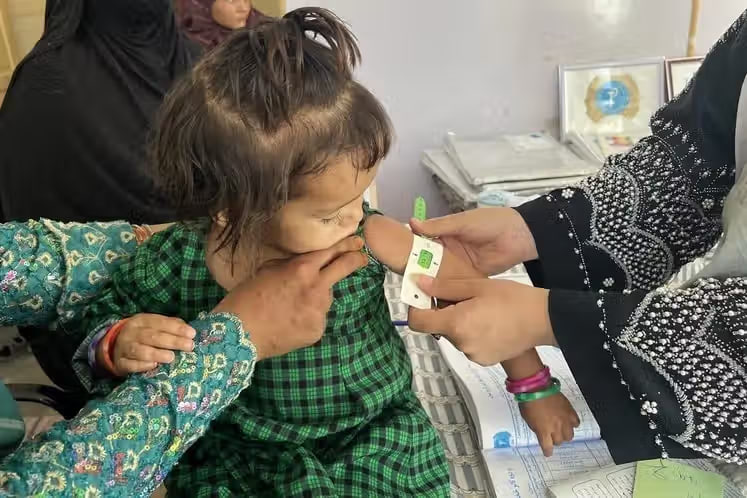
The World Food Programme has warned about the worsening malnutrition among children in Afghanistan, stating that this crisis has deepened due to a reduction in aid.
In a report published, the organization noted that severe funding shortages have restricted vital food and nutrition programs at a time of need, leading to a decrease in life-saving services.
The organization added that without immediate support, it will be unable to prevent more children from suffering severe malnutrition, and this situation will endanger their lives in the coming months.
According to the latest report from the World Food Programme, the level of acute malnutrition among children has reached critical status in one-third of Afghanistan’s provinces.
Based on the organization’s assessment, the rate of malnutrition has increased unprecedentedly and is expected to continue at least until October.
Currently, 12 provinces, including Helmand, Daikundi, Zabul, Baghlan, Urozgan, Paktika, Nuristan, Sar-e Pol, Ghor, Kandahar, Faryab, and Logar, are in this situation and urgently require life-saving treatment interventions.
The World Food Programme’s report also indicates that this year, even during a relatively abundant food supply, many children have been deprived of access to adequate food. In the first quarter of the year, food insecurity among children reached 47% of the population.
The organization emphasized that malnutrition among Afghan children is often accompanied by other factors such as illness, poverty, and lack of healthcare services, significantly increasing the risk of mortality.
John Aylieff, the World Food Programme director in Afghanistan, described the current situation: “The weak cries of malnourished infants could be heard in clinics across Afghanistan, where worried mothers, many of whom are suffering from hunger themselves, bring their children for treatment.”
This UN official stated, “We are witnessing the sacrifice of the next generation at a time when it should be harvest season; a time of abundance. This situation is not only heartbreaking but also unacceptable.”
According to the World Food Programme, a combination of crises—including conflicts, unemployment, rising food prices, and reduced humanitarian aid—are the main factors exacerbating this situation.
In 2025, 142 health centers across Afghanistan were closed, and over 13,000 children were removed from malnutrition treatment programs due to reduced aid.