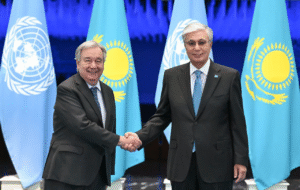
Rosemary DiCarlo, the UN Deputy Secretary-General for Political and Peacebuilding Affairs, has said that progress on women’s rights would contribute to Afghanistan’s progress and development.
The United Nations Assistance Mission in Afghanistan (UNAMA) announced the conclusion of DiCarlo’s visit to Afghanistan. It said that in meetings with de facto authorities, she conveyed UN member states’ concerns about the situation of women and girls, particularly their access to education.
UNAMA emphasized that the UN deputy chief had also highlighted the challenges facing Afghanistan, including social and economic pressures, climate change and natural disasters.
DiCarlo also reaffirmed the UN’s readiness to support people returning to the country.
In meetings with civil society representatives and women leaders, DiCarlo expressed appreciation for their vital role in Afghan communities.
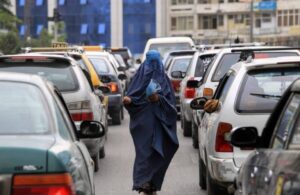
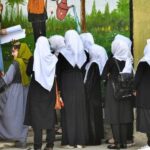
Since taking control of Afghanistan, the de facto authorities have barred women and girls from education. In their latest restriction, they closed medical institutes to women and girls, even as Afghanistan’s health sector faces a shortage of staff.
The move has kept millions of female students from continuing their education.
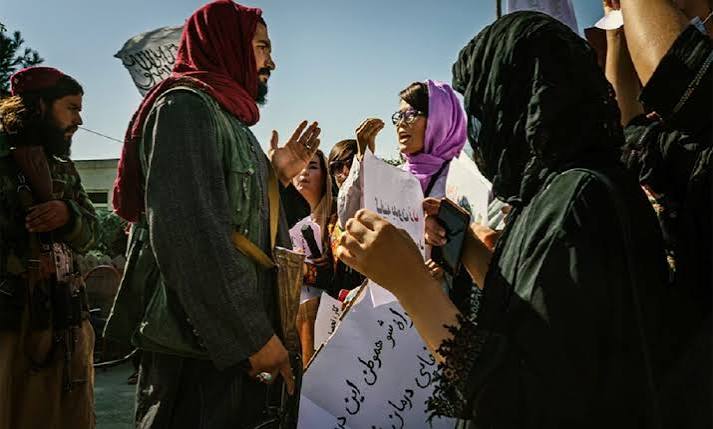
Women have also been barred from going to gyms, restaurants and public bathhouses; receiving medical examinations from male doctors; traveling without a mahram; and working for domestic and international nongovernmental organizations, as well as UN offices in Afghanistan.
According to reports, if the ban remains in place, nearly four million girls could be denied an education by 2030.