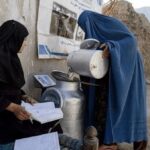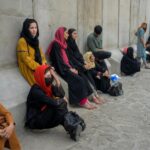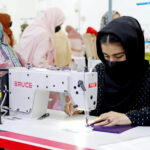
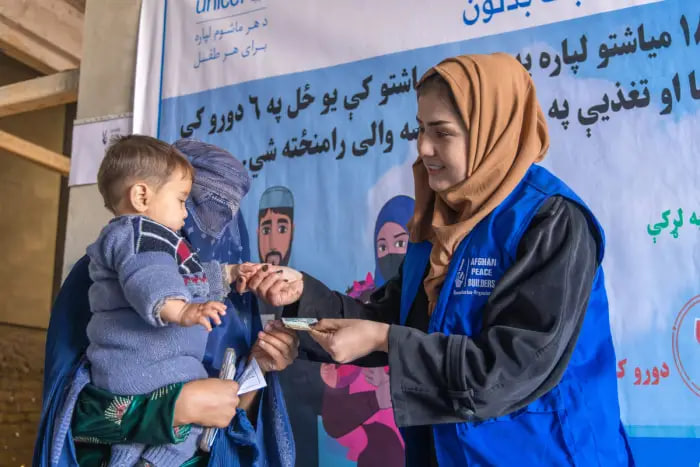
The World Health Organization (WHO) has warned that severe restrictions on female employees, unprecedented budget shortages, and pressures from simultaneous crises have posed serious challenges to the provision of health services for women and children in Afghanistan.
In its annual report on Afghanistan, the organization stated that the interim government’s restrictions on travel, education, and the activities of female employees have severely disrupted health service delivery at the community level, disease monitoring, and responses to outbreaks.
The report noted that a severe shortage of female doctors and personnel, especially in remote areas, has significantly weakened the quality of health services and women’s and children’s access to essential care.
Additionally, the report mentioned that a drastic reduction in funding has been another major challenge for the health sector in 2025; the humanitarian needs plan received only 45.3 percent of its required budget.
It further stated that the budget shortfall has led to the closure of 27 primary health care centers, limiting access to medical services for approximately 294,000 people.
The WHO indicated that only 45.3 percent of Afghanistan’s humanitarian budget has been secured.
Moreover, alongside restrictions and budget shortages, the simultaneous occurrence of earthquakes, droughts, floods, disease outbreaks, and the return of over 2.7 million migrants from Iran and Pakistan has placed extraordinary pressure on Afghanistan’s fragile health system.
This comes at a time when providing services and monitoring health conditions in hard-to-reach and remote areas, especially during winter, has faced serious obstacles.
The World Health Organization emphasized that despite the continued provision of vital services in all 34 provinces of Afghanistan in 2025, the sustainability of these services requires lifting restrictions on female employees and securing sustainable funding.