
The United Nations Population Fund (UNFPA) has recently stated that providing health services to mothers and the presence of midwives in remote areas of Afghanistan play a vital role in preventing maternal and neonatal mortality.
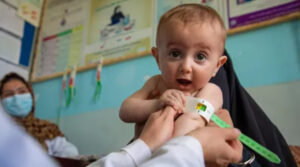
Today (Monday, June 8), the organization published a report indicating that health workers at the “Family Health House” in the Dara-e-Boom district of Badghis province successfully managed high-risk childbirth cases and prevented serious complications for mothers and newborns.
The report noted that timely collaboration between midwives and health workers, along with the provision of emergency care in this district, has resulted in successful deliveries and saved mothers from danger.
UNFPA further emphasized that access for women to prenatal, delivery, and postnatal care can prevent many preventable deaths.
Additionally, the organization mentioned in part of its report that in remote areas of Afghanistan, where access to larger healthcare facilities is limited, “Family Health Houses” play a significant role in providing primary services and saving patients’ lives.
UNFPA stated that the “Family Health House” in the Dara-e-Boom district of Badghis province operates with the support of the Canadian government, offering health services for mothers and newborns to the residents of this area.
It is noteworthy that Afghanistan is among the countries facing high rates of maternal and neonatal mortality. The lack of healthcare facilities, limited access to specialized training, and the great distances from villages to healthcare centers pose serious challenges in providing services to pregnant mothers.
In many areas, women give birth at home or in small clinics, and midwives often work with minimal resources and without immediate access to specialized guidance.