The United Nations has recently announced that, along with other humanitarian organizations, it has launched a $529 million plan aimed at supporting returning migrants.
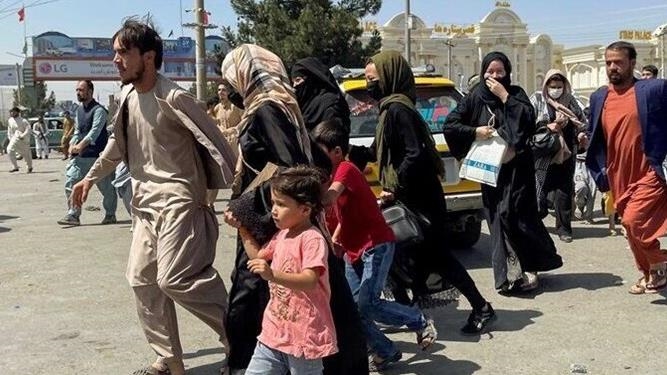
In a report, the organization stated that since 2023, nearly 6 million people have returned to Afghanistan, and it is expected that around 3 million more will return to the country by the end of this year.
The report indicates that from April to December 2026, approximately 1.7 million people are expected to return from Iran and 1.1 million from Pakistan.
As of now, nearly 5.9 million Afghans have returned to the country since September 2023.
The UN states that this large-scale return has placed unprecedented pressure on Afghanistan’s economic and social structures.
UN officials emphasize that this trend is not merely a short-term border issue but represents a profound humanitarian and developmental challenge.
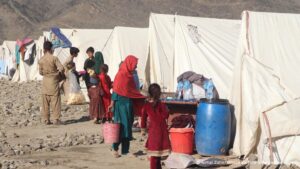
The report notes that more than half of the returnees are women and children, many of whom grew up outside Afghanistan and have limited connections to their new living environment.
The UN indicates that in the first phase, approximately $100.7 million has been allocated for providing immediate assistance at border crossings. This funding is intended for aid including healthcare services, nutrition, social support, water and sanitation, and cash assistance.
In the second phase, more than $428 million has been earmarked for the reintegration of returnees in 35 priority areas.
This section includes creating job opportunities, access to essential services such as education and healthcare, housing provision, and strengthening social cohesion in host communities.
However, monitoring agencies have warned that a lack of funding could seriously challenge the implementation of this plan.
The UN and humanitarian organizations have urged donor countries to fully finance this program to prevent the escalation of the humanitarian crisis in Afghanistan and to create conditions for reconstruction and sustainable stability.