
Antonio Guterres, Secretary-General of the United Nations, has recently described education as “the foundation of a new social contract” and a key tool for ending poverty, creating decent jobs, and ensuring social equality.
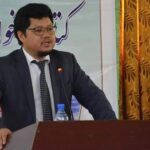
Mr. Guterres made these remarks on Wednesday, November 5 (14 Aqrab), at the High-Level Meeting on Education during the Second World Summit for Social Development in Doha. While appreciating Qatar’s role in supporting education, he warned that “deep divides in global education systems are widening, and millions of children and young people are still denied their right to education.”
The UN Secretary-General stressed that more than 270 million children and adolescents worldwide are still out of school, and the shortage of 44 million teachers remains one of the greatest challenges facing global education systems.
He added: “Education is the engine of social progress and our strongest weapon in the fight against poverty — but it can only be effective if no one is left behind.”
Mr. Guterres called on governments to allocate at least 15 percent of domestic revenue and 4 percent of GDP to education and to strengthen education systems to build an inclusive and equitable future.
He stated: “Education must be aligned with modern technologies and green and digital skills — not to replace teachers, but to empower them.”
He further warned that if the world fails to address financial, access, teaching, and quality gaps in education, the Sustainable Development Goals related to social justice and human well-being will remain out of reach.
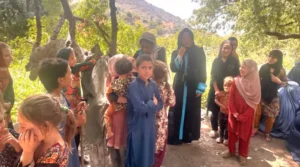
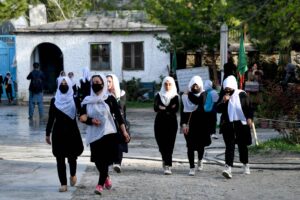
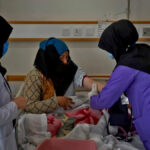
Guterres’ emphasis on expanding education comes at a time when the current government in Afghanistan, since taking power, has banned women and girls from education and schooling. In its latest restriction, it closed medical institutes to female students, even though the health sector across Afghanistan is facing a severe shortage of personnel.
This policy has deprived millions of school-aged girls of education.
In addition, women have been banned from going to gyms, restaurants, public baths, being examined by male doctors, traveling without a male guardian, and working with national and international NGOs, including UN offices in Afghanistan.