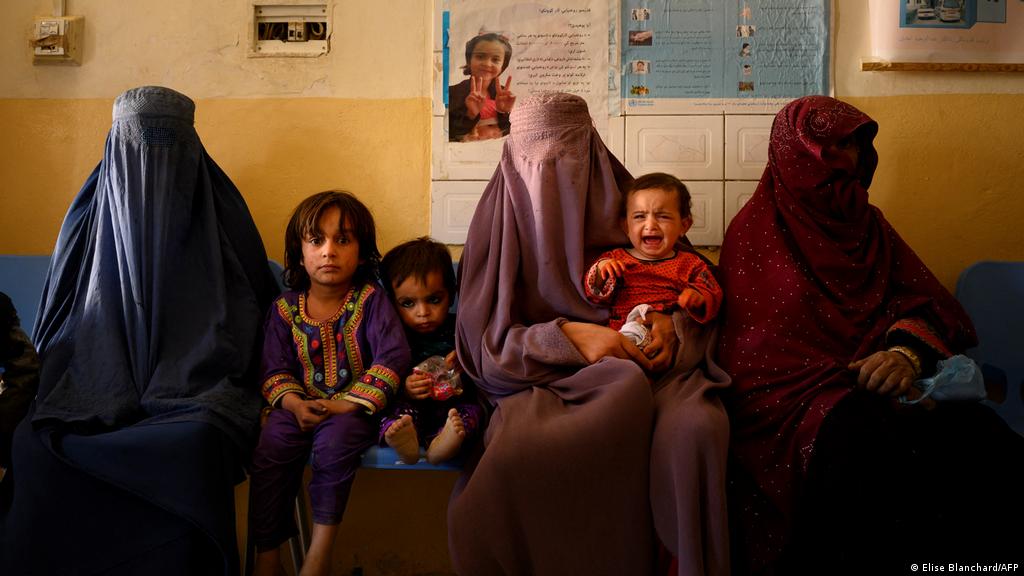
The World Health Organization (WHO) has recently stated that the commitment of mothers can play a crucial role in saving children’s lives in Afghanistan.
In a message posted on its X account, the organization emphasized the importance of children’s access to vaccinations.
The WHO highlighted “Goljan,” one of the mothers, as an example who, despite the long distance to a health center, has made efforts to fully vaccinate her child.
The organization further stressed that many mothers in Afghanistan, despite challenges such as distance, poverty, and limited access to health services, continue to strive for the health of their children.
This comes at a time when access to health services in parts of Afghanistan remains limited, and international organizations have repeatedly emphasized the need to expand vaccination programs, especially for children.
The distance from health centers in Afghanistan has resulted in many children and women being deprived of lifesaving health services; a situation that has made Afghanistan one of the deadliest countries for women and children.
The United Nations has consistently highlighted the importance of ongoing international cooperation to strengthen Afghanistan’s health system and provide essential services to those in need.
It is worth noting that Afghanistan is among the countries facing high maternal and infant mortality rates. The lack of healthcare facilities, limited access to specialized training, and the significant distance from villages to treatment centers pose serious challenges in providing services to pregnant mothers.
In many areas, women give birth at home or in small clinics, and midwives often work with minimal resources and without immediate access to specialized guidance.