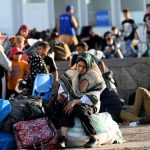
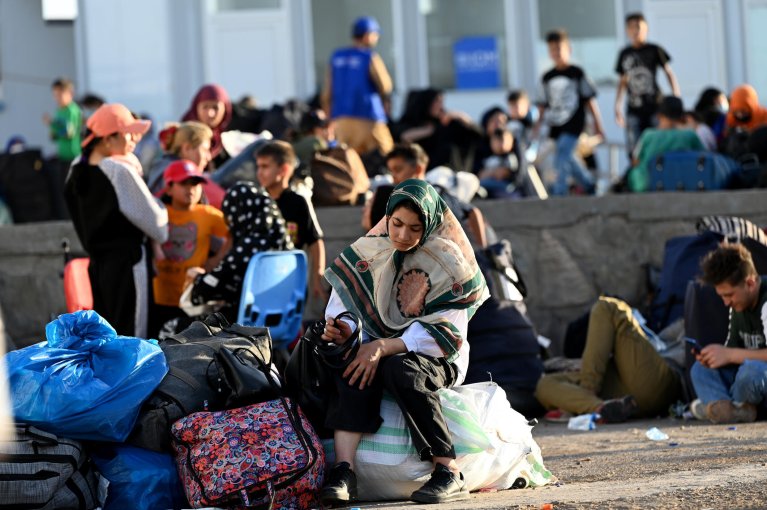
The United Nations has warned that many Afghan women are facing unemployment and poverty following their return or deportation from Iran.
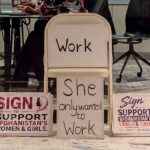
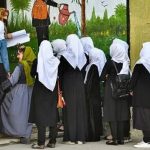
In a statement, the organization said that due to the ban on women’s employment in Afghanistan, women who are the breadwinners of their families are facing significant difficulties in meeting their basic needs.
The statement noted that some of these women, who had relatively stable jobs and lives in Iran, are now struggling with unemployment and economic hardship in Afghanistan.
The report highlights the situations of two women who have returned to Herat. Zahra, 28, who spent five years caring for an elderly woman in Iran, has been unable to find a job since returning to Afghanistan, despite having received midwifery training and gained voluntary work experience at clinics.
The United Nations quoted Zahra as saying: “I have no opportunity to work.”
Meanwhile, Homa, 44, who had lived in Iran for six years, is now the sole breadwinner of her family.
She lives with her husband, who has a disability, in a single room in her brother-in-law’s house. To support her family, she works as a house cleaner and seamstress.
Homa says that sometimes the pressures of life become so overwhelming that she feels unable to bear them.
She further emphasized: “Some days, I am forced to beg on the streets.”
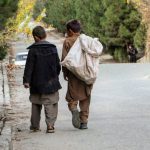
Charlie Goodluck, a UNHCR official, said that more than 6.5 million Afghans have been deported or returned to the country over the past three years, nearly three million of whom returned in 2025.
According to him, the wave of migrant returns has increased Afghanistan’s population by more than 10 percent, putting additional pressure on housing, the labour market, and public services.
Goodluck added that women and girls make up more than half of the people receiving assistance from the UN High Commissioner for Refugees (UNHCR). Women and children together account for nearly 82 percent of those receiving assistance.