UN Women says that women and girls in Afghanistan face widespread barriers to education, employment, and participation in society.
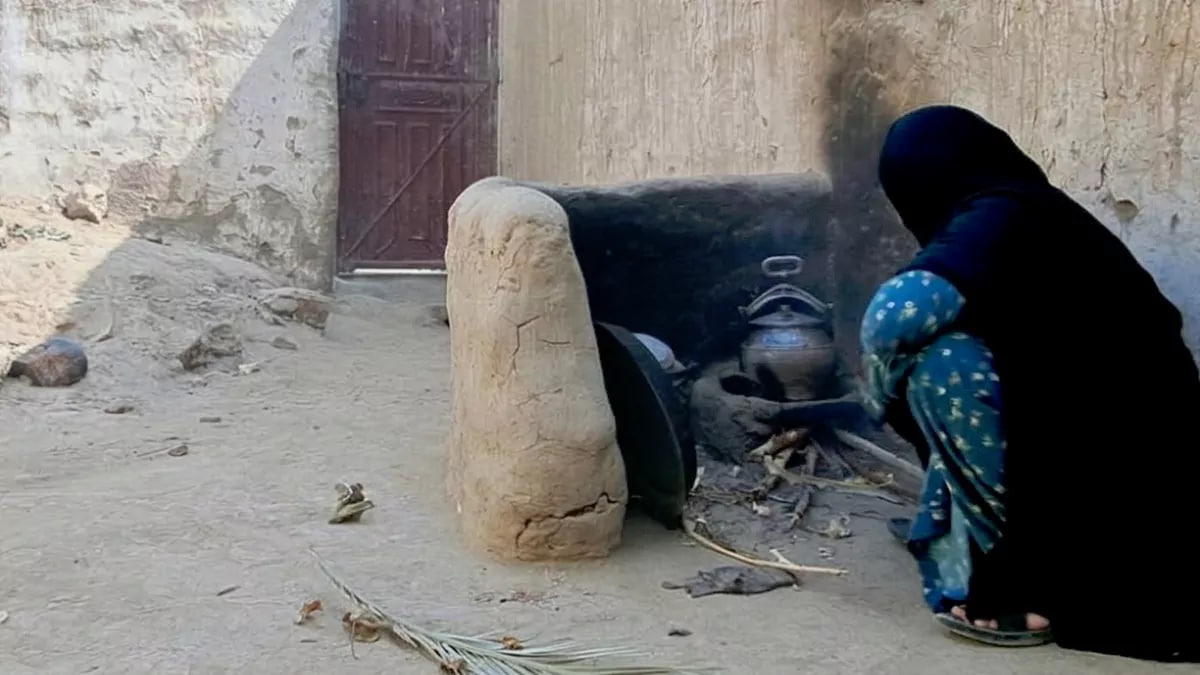
In a post published on its X account, the organization said that unpaid care work, including caring for children, older people, and family members, places additional pressure on women and girls and increases their responsibilities.
The United Nations further emphasized that building stronger and more resilient societies requires recognizing the value of care responsibilities and supporting those who undertake them.
The UN’s criticism of the situation of women and girls in Afghanistan comes as the de facto authorities have deprived women and girls of access to education since taking control of the country. In their latest restriction, they also closed the doors of medical institutes to women and girls, despite the fact that Afghanistan’s healthcare sector is facing a shortage of personnel.
These measures by the current authorities have left millions of female students unable to continue their education.
In addition, women have been banned from going to sports clubs, restaurants, and public bathhouses, receiving medical examinations from male doctors, travelling without a male guardian (mahram), and working for domestic and international non-governmental organizations, as well as even at UN offices in Afghanistan.
According to reports, if these restrictions remain in place, nearly four million girls could be deprived of education by 2030.