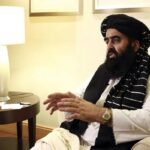
Pakistan’s Foreign Minister, Mohammad Ishaq Dar, has urged Afghanistan’s caretaker government to lift all restrictions imposed on women and girls and reconsider its policies toward them.
Mr. Dar made the remarks today (Wednesday, September 23) at the first meeting of the Organization of Islamic Cooperation’s Contact Group on Afghanistan. He said that the restrictions imposed on women and girls were “unjustifiable and contrary to Islamic principles and the norms of Muslim societies.”
He also called for regional and multilateral engagement and dialogue with the current government, saying that such engagement should encourage it to meet its international obligations.
Pakistan’s foreign minister stressed that Afghanistan faces sanctions, terrorism, narcotics, problems with its banking system, unemployment, poverty and human rights concerns. He said that, for more than five years, the country’s political situation had not been recognized by the international community.
Mr. Dar urged the Organization of Islamic Cooperation to work to provide sufficient humanitarian assistance to Afghanistan and ensure that the humanitarian needs of its people are met without political considerations.
He also emphasized the importance of stabilizing Afghanistan’s economy and reviving its banking system. He said that creating opportunities for trade and economic activity, as well as regional connectivity projects, could help reduce unemployment and poverty in Afghanistan.
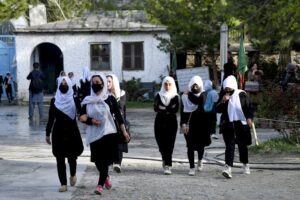
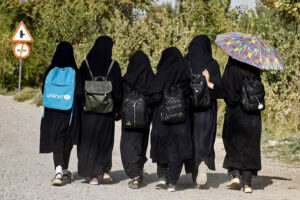
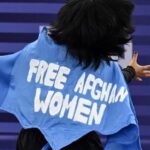
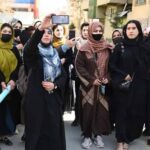
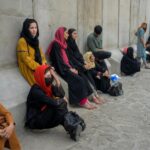
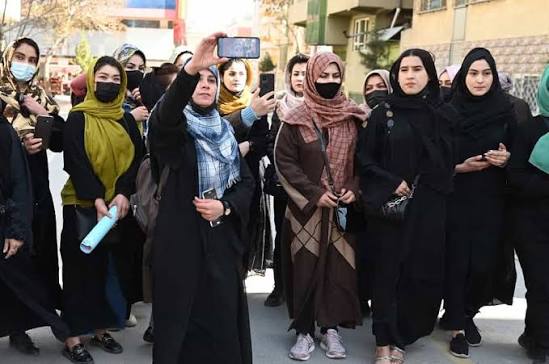
Since taking control of Afghanistan, the caretaker government has barred women and girls from education. In its latest restriction, it closed the doors of medical institutes to women and girls, even as the country’s health sector faces a shortage of personnel.
The current government’s actions have left millions of girls unable to access education.
Women have also been barred from going to sports clubs, restaurants and public baths; being examined by male doctors; travelling without a male guardian; and working for domestic and international non-governmental organizations or even at United Nations offices in Afghanistan.