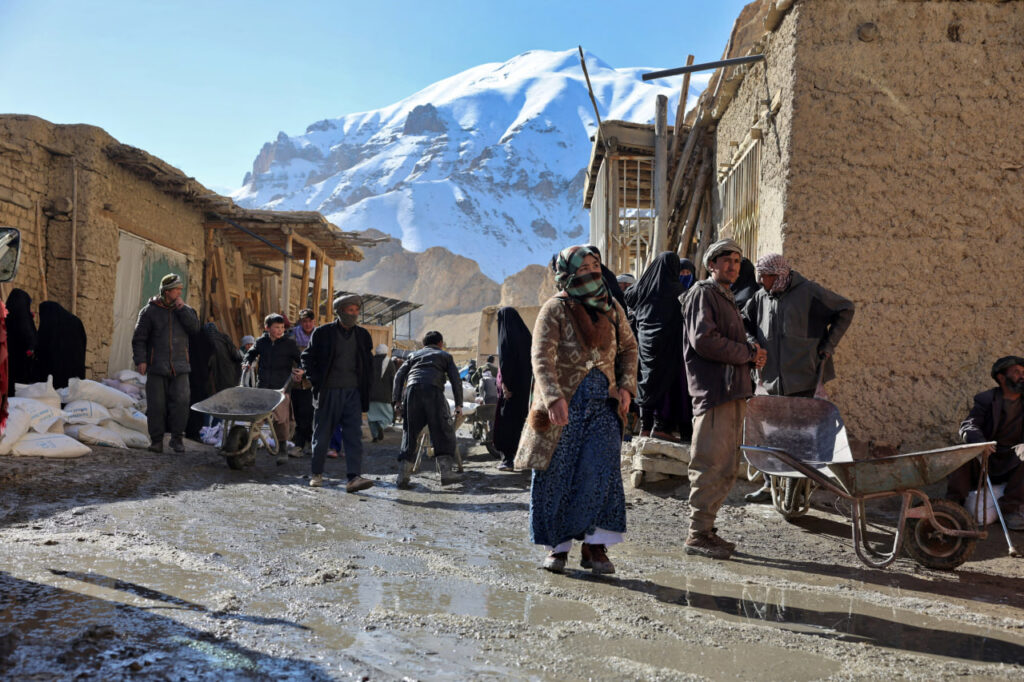
Farah Abbasi, a researcher in the Afghanistan section of Human Rights Watch, has recently stated that Afghanistan’s economic crisis is deepening, and millions of people in the country are facing the impending hunger crisis.
In a statement, Abbasi called for immediate action to provide financial assistance for humanitarian operations and urged the de facto government of Afghanistan to lift restrictions on women.
She emphasized, “Millions of people are affected by the impending hunger crisis.”
She pointed out that “repressive policies,” particularly the restrictions imposed on working women and especially employees of United Nations-related organizations, are exacerbating the crisis.
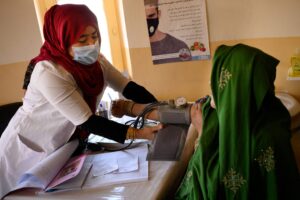
She added, “The current government, by limiting women’s access to employment in the humanitarian sector, has made it more difficult for aid organizations to reach the people. Since only women are allowed to provide assistance to women, households led by women are suffering from hunger.”
This Human Rights Watch researcher has urged donor governments to take immediate action to fund humanitarian operations in Afghanistan.
The organization has cited the forced expulsion of millions of Afghan migrants from neighboring countries as part of the reason for the intensifying crisis, noting that many of the five million people who were compelled to return from Iran and Pakistan over the past two years have gone to areas already struggling with drought and limited job opportunities.
Farah Abbasi stated that returning migrants are now putting additional pressure on already strained communities.
She also called for support for Afghan migrants and urged governments to ensure that returns are “voluntary, safe, dignified, and accompanied by ongoing support for the reintegration of returnees.”
Additionally, Farah Abbasi has called on government officials to immediately lift all bans on women’s rights, including restrictions on movement and employment that hinder their access to aid and economic security, including food.
The United Nations had previously predicted that more than 17 million people out of Afghanistan’s total population would face “acute food insecurity” this year, with this crisis disproportionately affecting women and children.
The UN had requested $1.71 billion in funding to address this situation, but less than 20 percent of this budget was secured in the first half of this year.